





Vintage Desk Paper Opener
A vintage desk paper opener brings a touch of tactile elegance to correspondence, transforming the simple act of opening mail into a daily ritual.
Vintage Desk Paper Opener
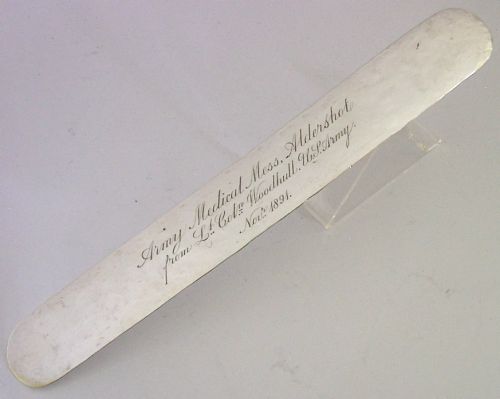
When searching for a vintage desk paper opener, buyers encounter a diverse range of desk accessories and page turners spanning the late nineteenth century through to the mid twentieth century. These instruments served the practical purpose of slicing open folded envelopes and separating uncut pages of books or journals in an era when correspondence was paramount.
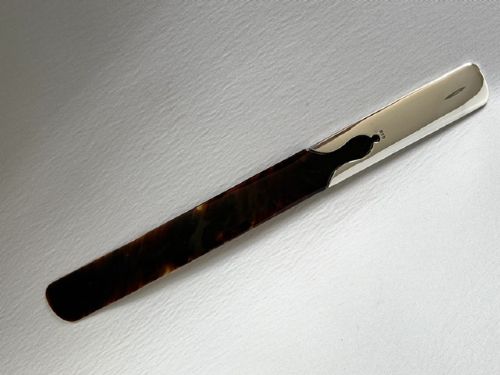
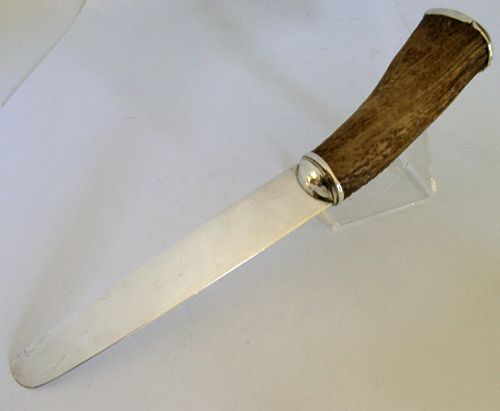
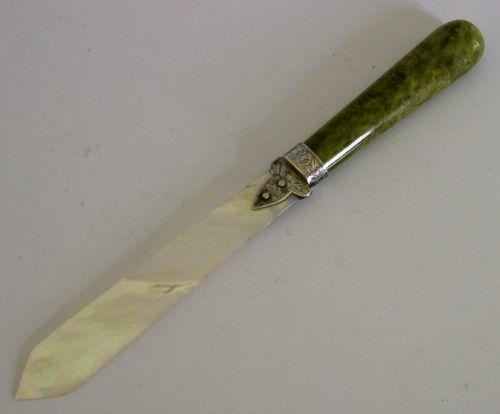
The selections available here reflect various design movements, most notably Edwardian elegance, Art Deco geometry, and Arts and Crafts simplicity. Examples range from modest wooden and horn implements to elaborate silver and tortoiseshell creations designed to sit proudly upon a writing table.
Materials and construction
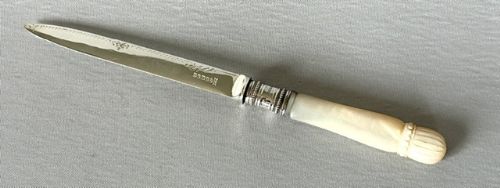
The construction of these items relies heavily on a combination of precious metals and organic materials. Sterling silver mounts and blades frequently pair with natural elements such as mother-of-pearl, tortoiseshell, horn, and carved wood.
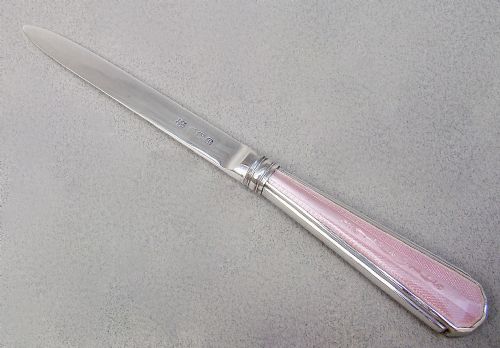
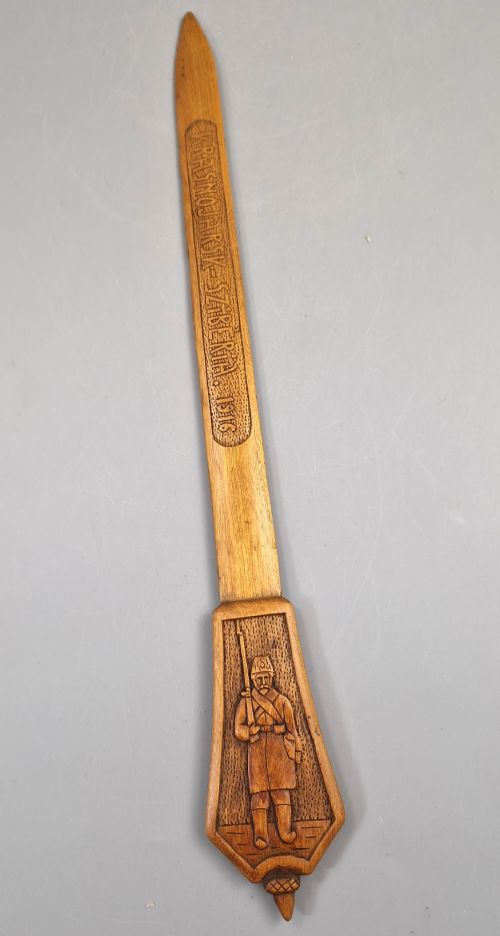
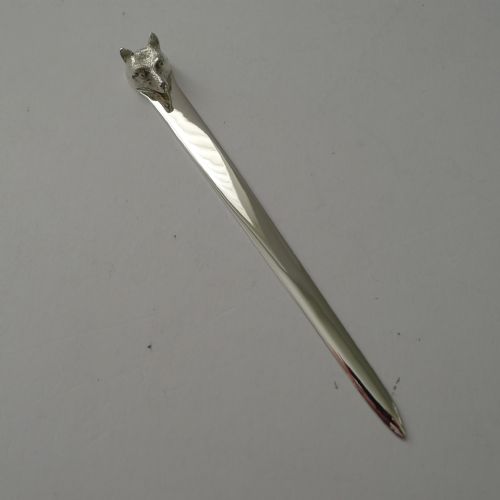
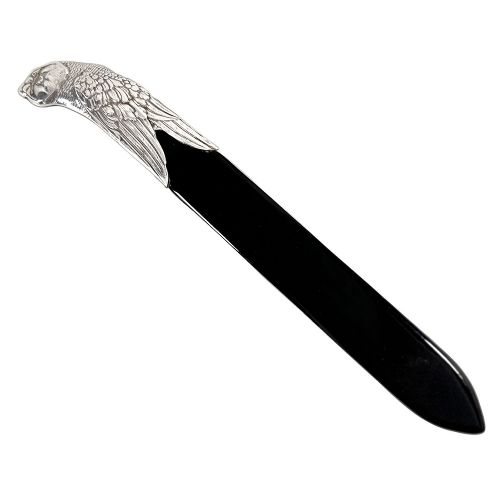
Specialised techniques include guilloche enamel work, fine metal casting seen in novelty animal handles, and trench art carving executed by prisoners of war. Artisans utilised these diverse mediums to create both functional tools and miniature sculptures for the desk.
Listings feature items spanning the Victorian, Edwardian, and Art Deco periods, incorporating silver, horn, tortoiseshell, and mother-of-pearl.
Factors of quality
Quality in these items is determined by the crispness of the casting in novelty handles and the skillful integration of organic materials with metal mounts. Superior pieces display harmonious proportions and careful hand-finishing by established silversmiths or workshops.
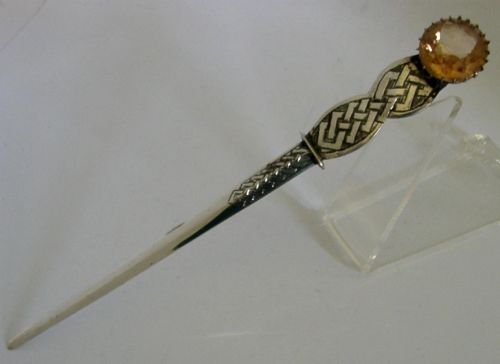
The choice of materials significantly influences the character of the piece, with genuine tortoiseshell, citrine accents, and hand-painted enamel elevating standard desk accessories into distinguished examples of period craftsmanship.
Barker Brothers·Asprey·Sampson Mordan and Co
The Vintage Desk Paper Opener Glossary
- Page turner
- A long, flat implement traditionally used for slicing the folded edges of uncut book signatures. These pieces often double as letter openers in the evidence.
- Guilloche enamel
- A decorative technique involving precise mechanical patterns engraved beneath translucent layers of coloured enamel. This method is frequently observed on Art Deco desk accessories.
- Scottish provincial
- Describing items manufactured and hallmarked in regional Scottish burghs outside the major assay offices of Edinburgh or Glasgow. These pieces hold particular interest for regional silver collectors.
Vintage Desk Paper Opener: Frequently Asked Questions
What is the difference between an opener and a page turner?
Letter openers are shorter, pointed blades designed specifically for slitting envelope folds. Page turners are longer, wider implements originally intended for cutting the folded pages of new books.
Many antique examples combine both functions, featuring a sturdy handle and blade suitable for opening mail alongside a broader length for turning pages.
How do I care for silver and tortoiseshell openers?
Silver components benefit from gentle cleaning with a soft cloth to maintain their polish without harming adjacent organic materials. Tortoiseshell and mother-of-pearl require protection from direct sunlight and extreme temperature changes to prevent warping.
Handling these items with clean hands preserves the natural lustre of the materials over time.
Are novelty animal openers period pieces?
Novelty desk openers featuring cast silver or bronze animals, such as ducks, greyhounds, and pheasants, are characteristic of the late nineteenth and early twentieth centuries. Makers utilised popular animal motifs to add charm to functional desktop items.
These pieces reflect the Victorian and Edwardian taste for whimsical yet practical objects.
How can I date a metal paper opener?
Dating relies primarily on hallmarked stamps on silver pieces, which indicate the assay office, standard of metal, and year of manufacture. Stylistic indicators, such as geometric Art Deco enamel or Arts and Crafts hand-beating, also help narrow down the period.
Inscribed dates on trench art or commemorative pieces provide a precise historical reference point.