



Vintage Decorative Wall Cabinet
These vintage decorative wall cabinet items and display plates bring hand-painted artistry and rich colour straight to your interior walls.
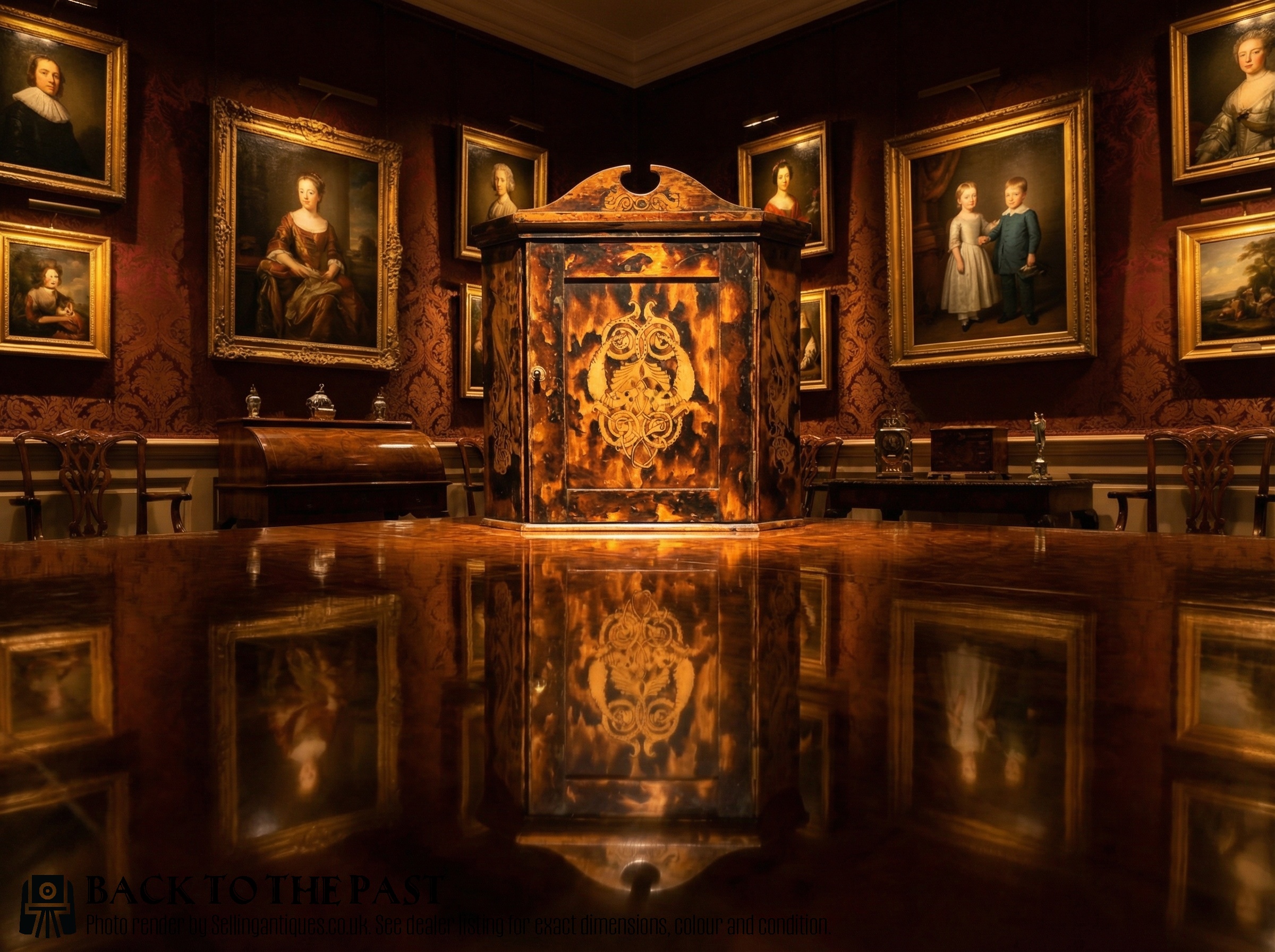
Vintage Decorative Wall Cabinet
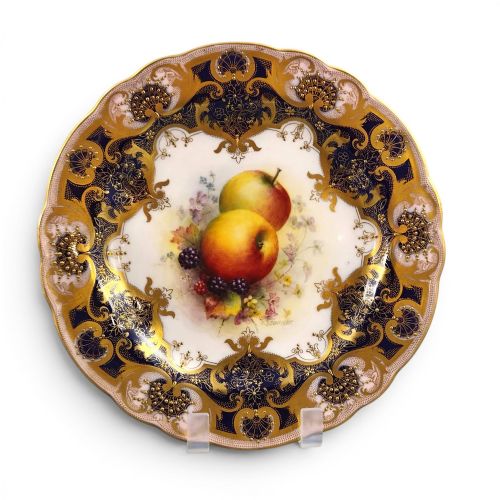
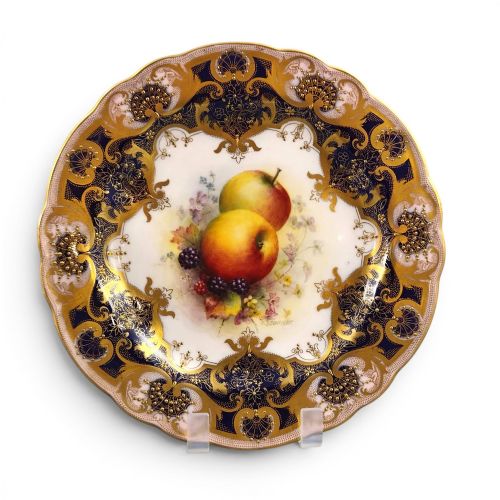
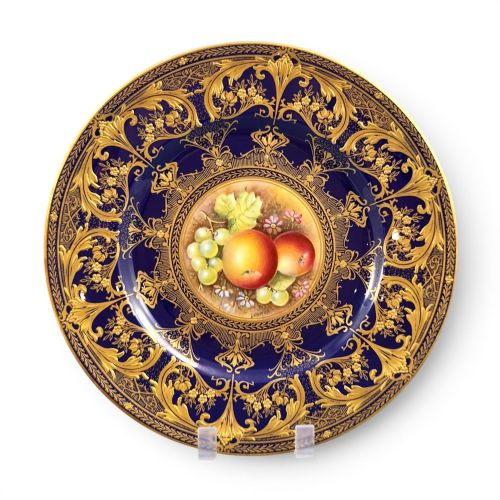
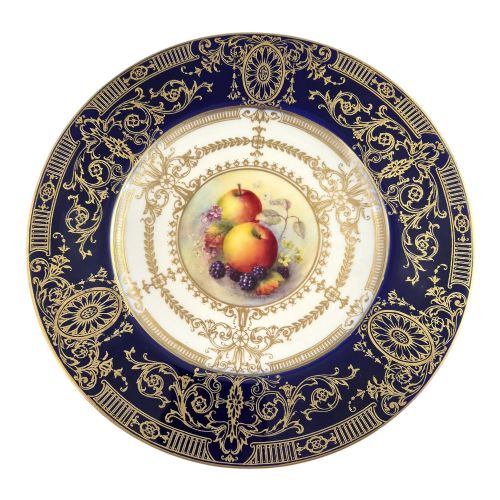
A vintage decorative wall cabinet selection brings together items traditionally meant for display rather than daily dining, alongside occasional architectural pieces. You encounter hand-painted porcelain cabinet plates, chargers, and dishes, as well as corner cupboards and architectural elements.
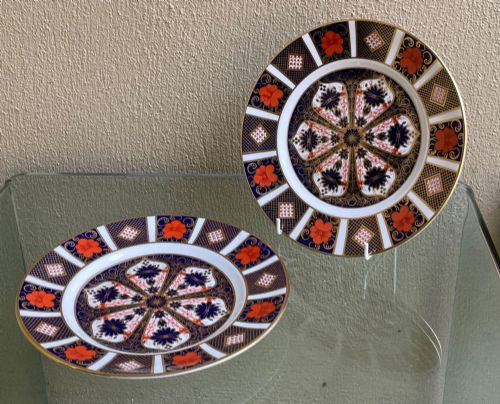
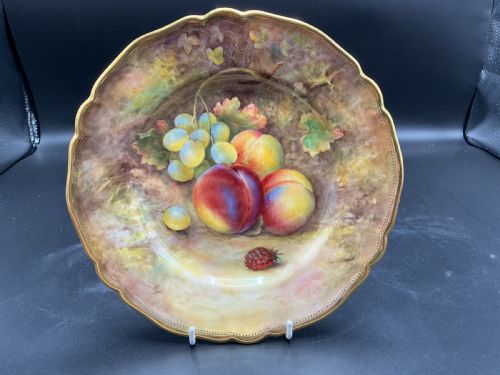
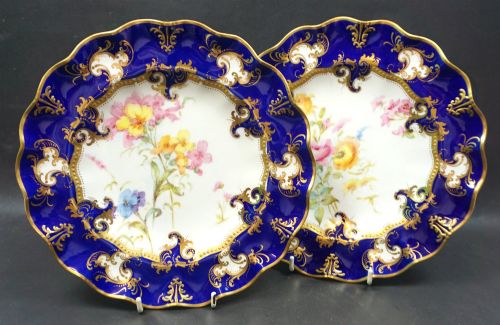
The objects span from the Victorian era and 19th century through Edwardian times and the mid-twentieth century. Makers and artists applied intricate designs featuring fruit, birds, florals, and traditional Imari patterns.
The assortment reflects British porcelain houses like Royal Worcester, Royal Crown Derby, and Minton, alongside continental factories and Japanese Imari imports. Each item offers a distinct visual focus for wall hanging or display.
Materials and methods
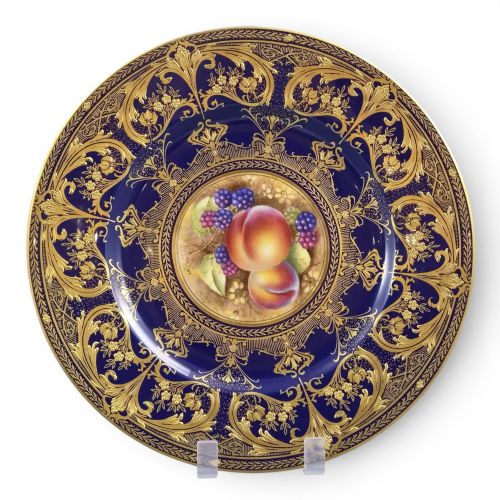
Makers utilised bone china, porcelain, and ironstone as the primary bases for hand-painted and transfer-printed ceramic pieces. Artisans employed detailed brushwork, gilding, and enamel work to render botanical and figurative subjects.
Woodworking techniques appear in the structural timber elements such as oak door panels and walnut corner cupboards. Cabinet makers combined carving, faux finishes, and fitted panelling for these architectural furnishings.
Vintage Decorative Wall Cabinet Retail Price Guide 2026
Typical asking prices for vintage decorative wall cabinet among the pieces listed under this phrase on Sellingantiques today, from the lower quarter to the upper quarter. They describe what is for sale here now, not the wider market.
An exotic bird gazes across an orange ground on a Mason's ironstone charger.
Judging the work
The distinction between ordinary production and superior execution lies in the skill of the hand painting. Named artists such as Richard Sebright or Tom Keeling applied meticulous detail to fruit and game bird scenes that lesser hands missed.
Weight, depth of glaze, and the application of gold leaf or gilding determine the refinement of porcelain pieces. Ironstone and earthenware maintain durability, while fine bone china allows for delicate translucency and precise enamel retention.
The Vintage Decorative Wall Cabinet Glossary
- Cabinet plate
- A decorative ceramic plate intended for display in a cabinet or on a wall rather than for serving food. These pieces typically feature elaborate hand-painted scenes or rich gilding.
- Imari style
- A decorative scheme originating in Japan and widely copied by European potteries, characterised by a palette of cobalt blue, iron red, and gold. It remains instantly recognisable for its dense, patterned compartments.
- Ironstone
- A heavy, durable ceramic body developed in the 19th century as a robust alternative to porcelain. It takes enamel colours well and resists chipping during daily use.
- Charger
- A large decorative plate used historically for formal presentation or hung directly on walls. They provide a broad surface for elaborate painterly compositions.
Vintage Decorative Wall Cabinet: Frequently Asked Questions
How do I hang antique plates safely?
Utilise coated wire spring hangers that grip the rim securely without causing abrasion to the ceramic body. Ensure the wall fixing anchors into solid masonry or a stud behind plaster.
Check the tension of the springs periodically to maintain a firm hold. Avoid hanging heavy chargers in high-traffic hallways where vibrations might dislodge them.
Were these porcelain plates meant for dining?
Cabinet plates and chargers served primarily as ornamental display items in formal drawing rooms or dining spaces. Their delicate enamel painting and extensive gilding meant they avoided utilitarian service.
Hand-painted artistry by named studio artists confirms their status as decorative artworks. They functioned to demonstrate the household's taste and wealth.
How do I identify Japanese Imari from European copies?
Examine the paste and weight of the ceramic body underneath the glaze. Japanese export pieces from the Meiji period often display a slightly different clay consistency and characteristic spur marks compared to British interpretations by Crown Derby.
Look closely at the palette and brushwork execution. European factories adapted the distinctive iron red and cobalt blue scheme with their own local floral motifs.