

Vintage Decorative Panel
A vintage decorative panel brings texture and historic character to a plain wall, offering an instant focal point through carved wood, painted canvas or stained glass.
Vintage Decorative Panel
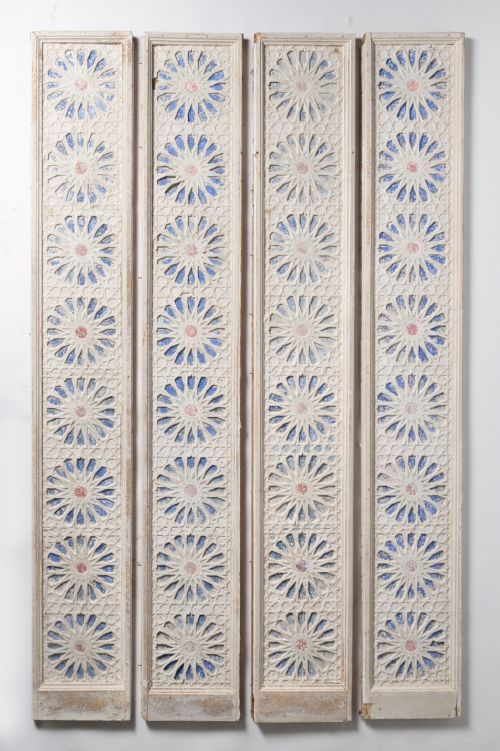
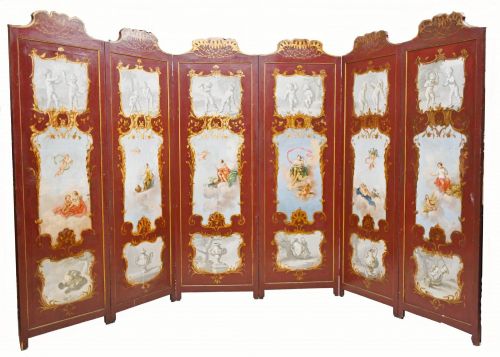
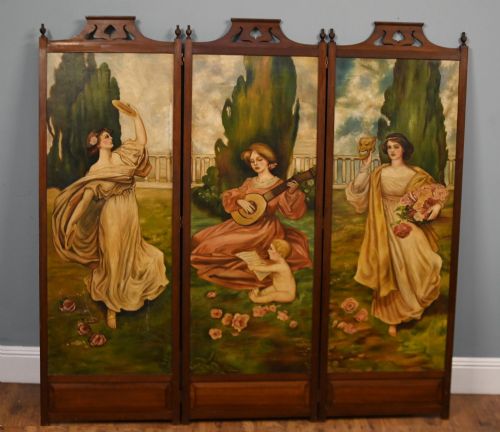
A vintage decorative panel encompasses architectural salvage, folding screens, wall hangings and painted boards originating from the eighteenth century to the mid-twentieth century. Buyers searching for a vintage decorative panel encounter diverse formats, including Victorian room dividers, carved wooden architectural elements, and painted canvas panels.
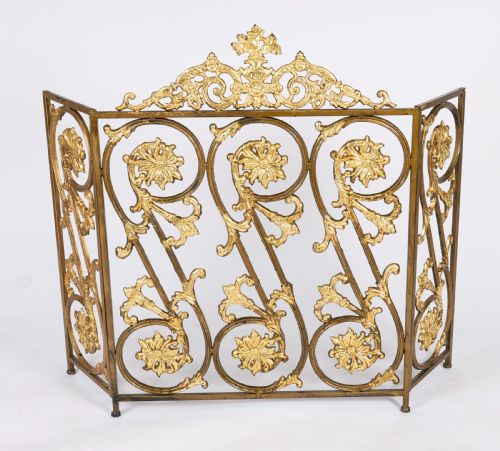
The selection ranges from Victorian folding screens and Edwardian cupboard doors to French Louis XIV revival brass fire screens and Arts and Crafts stained glass windows. These pieces function primarily as wall art, room dividers, or architectural embellishments within traditional and modern interiors.
Origins span British, French, Chinese, Italian and Persian workshops, reflecting stylistic shifts from Rococo revival and Chinoiserie to Arts and Crafts and Art Deco. The most frequently encountered pieces utilise timber, brass, iron and canvas to create pictorial or structural relief.
Materials and construction methods
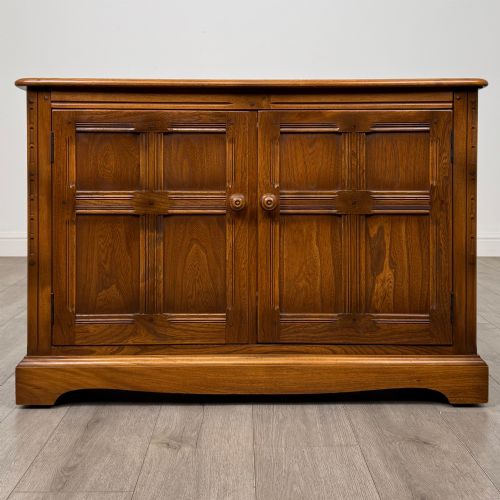
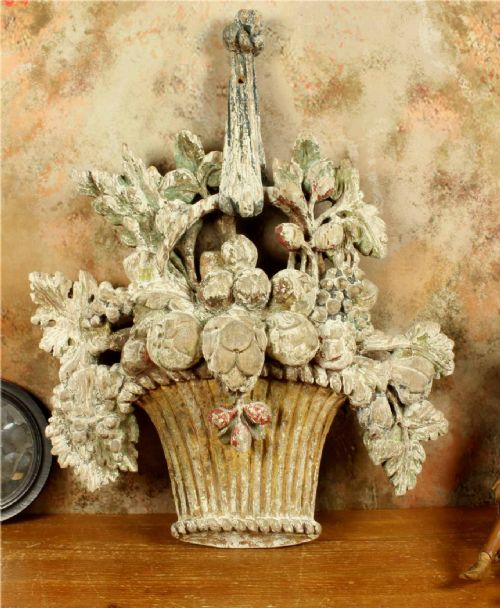
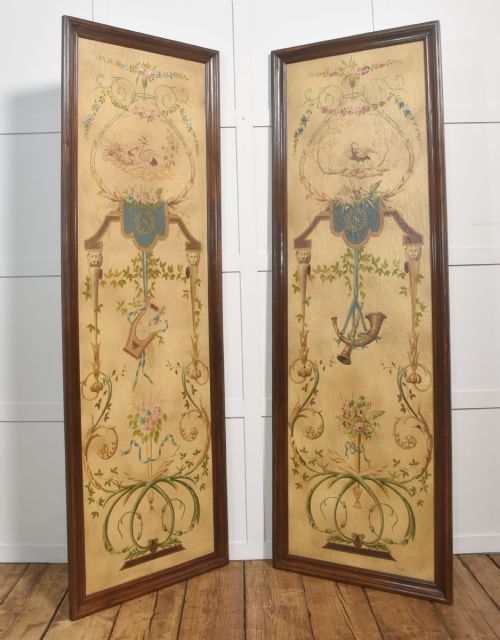
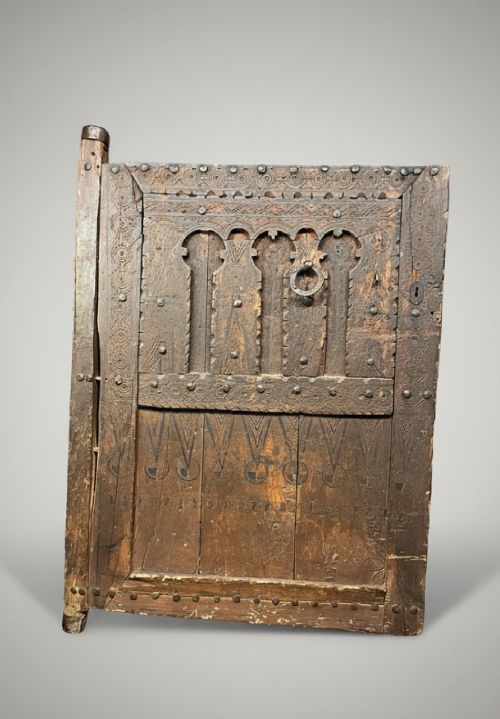
Wood serves as the primary substrate, appearing as solid oak, walnut, carved pine, and lacquered panels inlaid with mother-of-pearl and abalone. Artisans shaped these timbers through hand carving, joinery, and applied mouldings, often finishing surfaces with oil paint, tempera, or gilt layers.
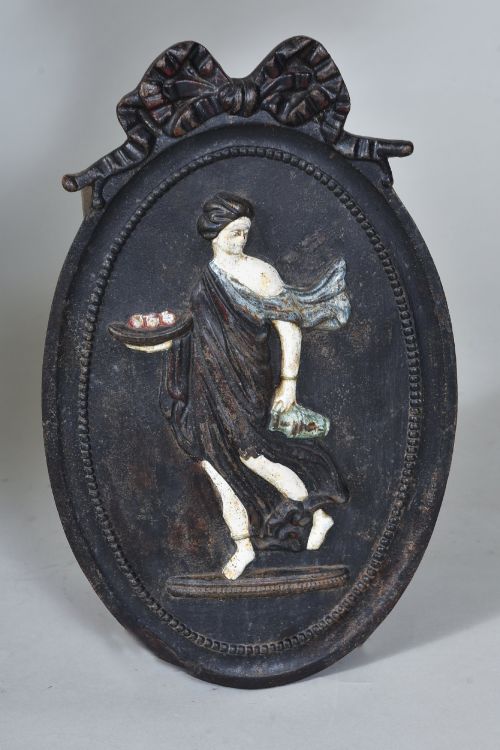
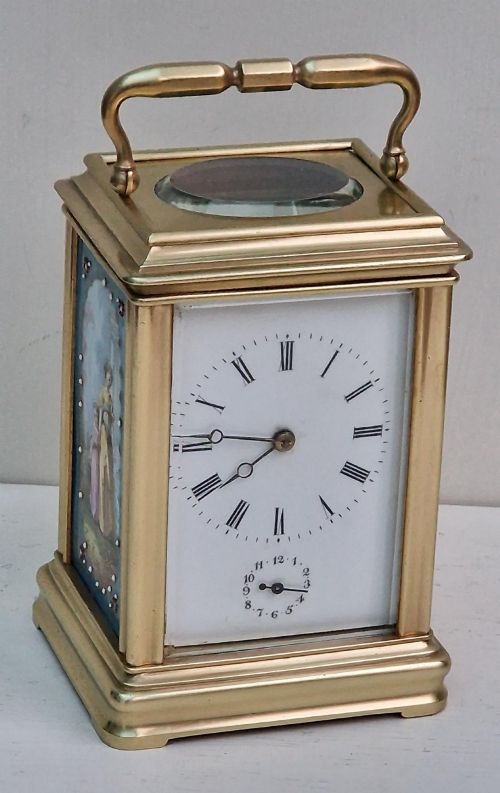
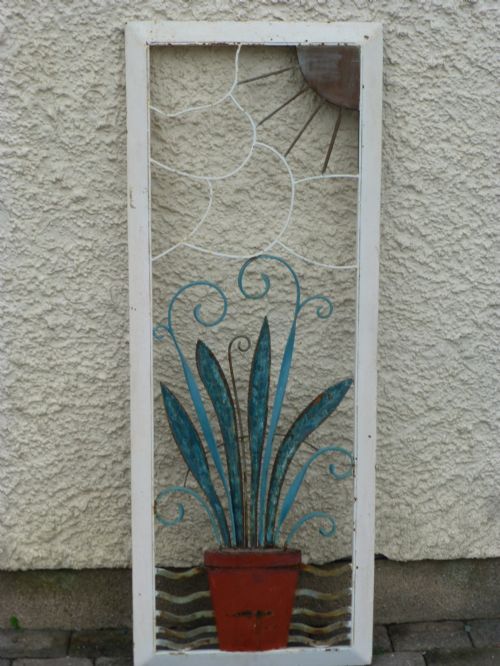
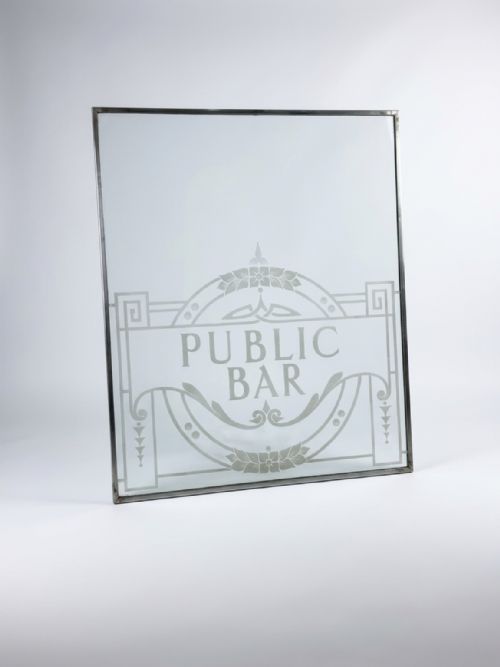
Metal elements incorporate cast iron, wrought iron, brass, and bronze, shaped into architectural scrollwork, balustrade panels, and fire screens. Glass appears in leaded windows, etched pub glass, and reverse glass painted signs, combining transparency with pigment and foil.
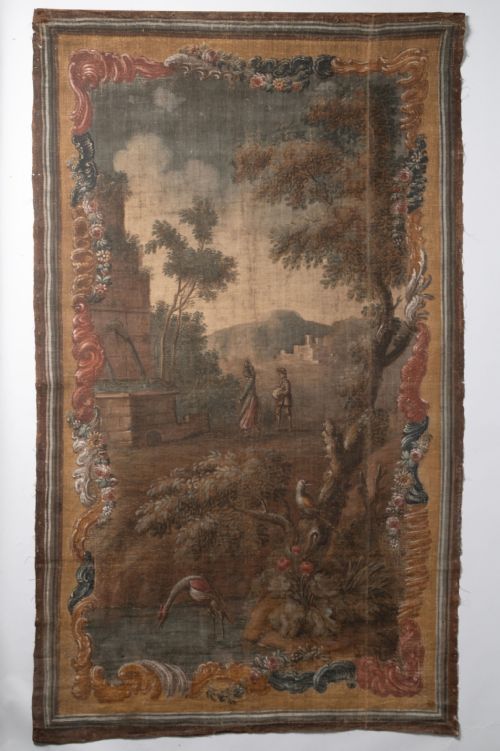
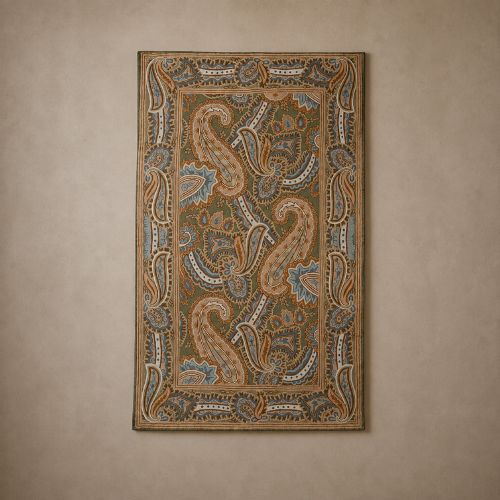
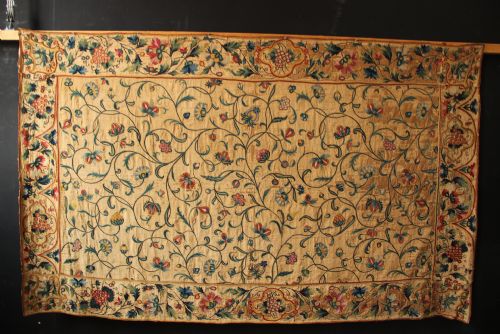
Textile panels rely on crewelwork embroidery, tapestry weaving, and oil painting on canvas or leather. These flexible materials utilise heavy backing supports and wooden stretcher frames to maintain structural integrity over centuries.
Vintage Decorative Panel Retail Price Guide 2026
Typical asking prices for vintage decorative panel among the pieces listed under this phrase on Sellingantiques today, from the lower quarter to the upper quarter. They describe what is for sale here now, not the wider market.
The listings combine natural wood and iron with canvas, glass, and brass across eight centuries.
Factors determining quality
Quality rests upon the crispness of hand carving, the depth of relief work, and the integrity of applied pigments or patinas. Pieces executed by skilled hands display confident chisel marks, balanced compositions, and harmonious integration of inlay materials like abalone.
The condition of the original surface finish dictates desirability, distinguishing untouched historic patinas from unsympathetic later restorations. Integrated structural hardware, such as original brass hinges on folding screens or sound lead cording in stained glass, elevates the standard of a piece.
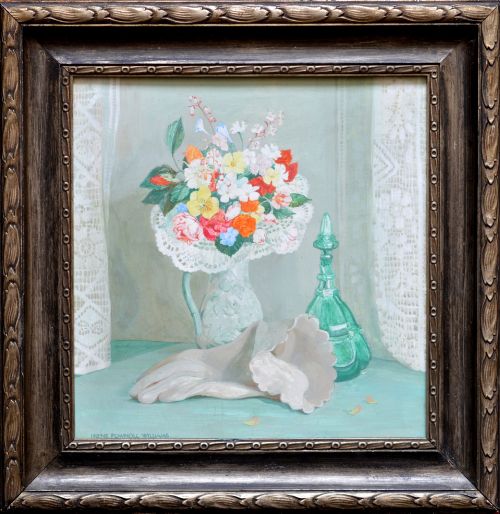
Irene Christobelle Pownoll Williams·Raymond Subes·William Morris
The Vintage Decorative Panel Glossary
- Chinoiserie
- European artistic style reflecting Chinese motifs. It appears frequently on lacquered screens and decorative wall panels.
- Trumeau
- An architectural mirror or panel placed over a mantelpiece or door. These pieces often incorporate oil paintings or carved woodwork within the frame.
- Tempera
- A permanent, fast-drying painting medium consisting of coloured pigment mixed with a water-binder agent. It provides a matte finish on historic panels.
- Ceiling boss
- A projecting block of carved wood or stone at the intersection of ceiling ribs. Examples display detailed floral or figurative relief work.
Vintage Decorative Panel: Frequently Asked Questions
Can folding screens be used as wall art?
Folding screens adapt readily to wall display when individual panels are detached or mounted directly onto structural battens. This approach showcases painted or carved surfaces without requiring floor space.
Ensure the mounting method supports the full height of the panel while allowing the wood or canvas to expand and contract naturally with room humidity.
How do I clean antique painted panels?
Dust painted surfaces gently with a soft, dry brush or microfiber cloth to remove surface particles without disturbing fragile pigment layers. Avoid liquid cleaners, modern detergents, and abrasive materials entirely.
Consult a professional conservator if the paint exhibits flaking, craquelure, or instability, as improper cleaning can cause irreversible loss to historic artwork.
What is the difference between French and English screens?
French screens often favour gilt woodwork, pastoral oil paintings, and Rococo or neoclassical revival motifs designed for formal drawing rooms. They emphasise decorative elegance and soft painted palettes.
English examples tend to feature darker oaks, crewelwork textiles, or Arts and Crafts stained glass, reflecting a domestic focus on utility and handcrafted structural integrity.