

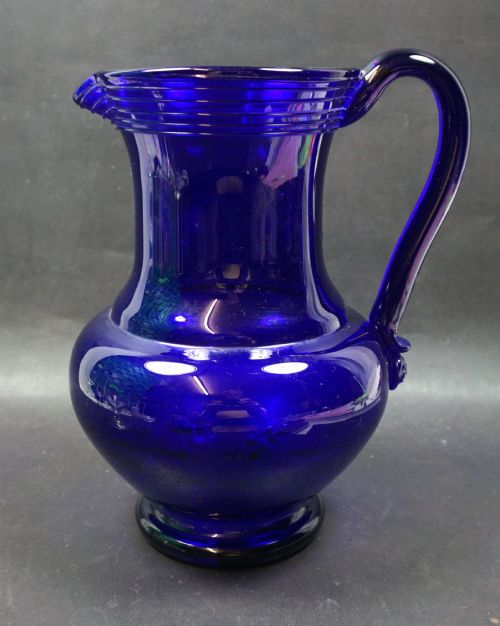
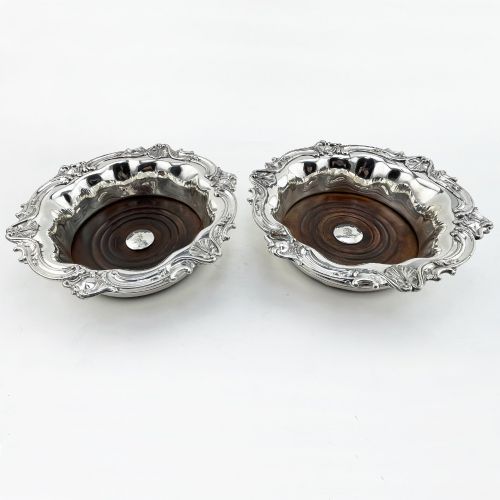


Vintage Decorative Decanter
These vintage decorative decanter selections bring together glass, silver plate, and carved wood for your home bar.
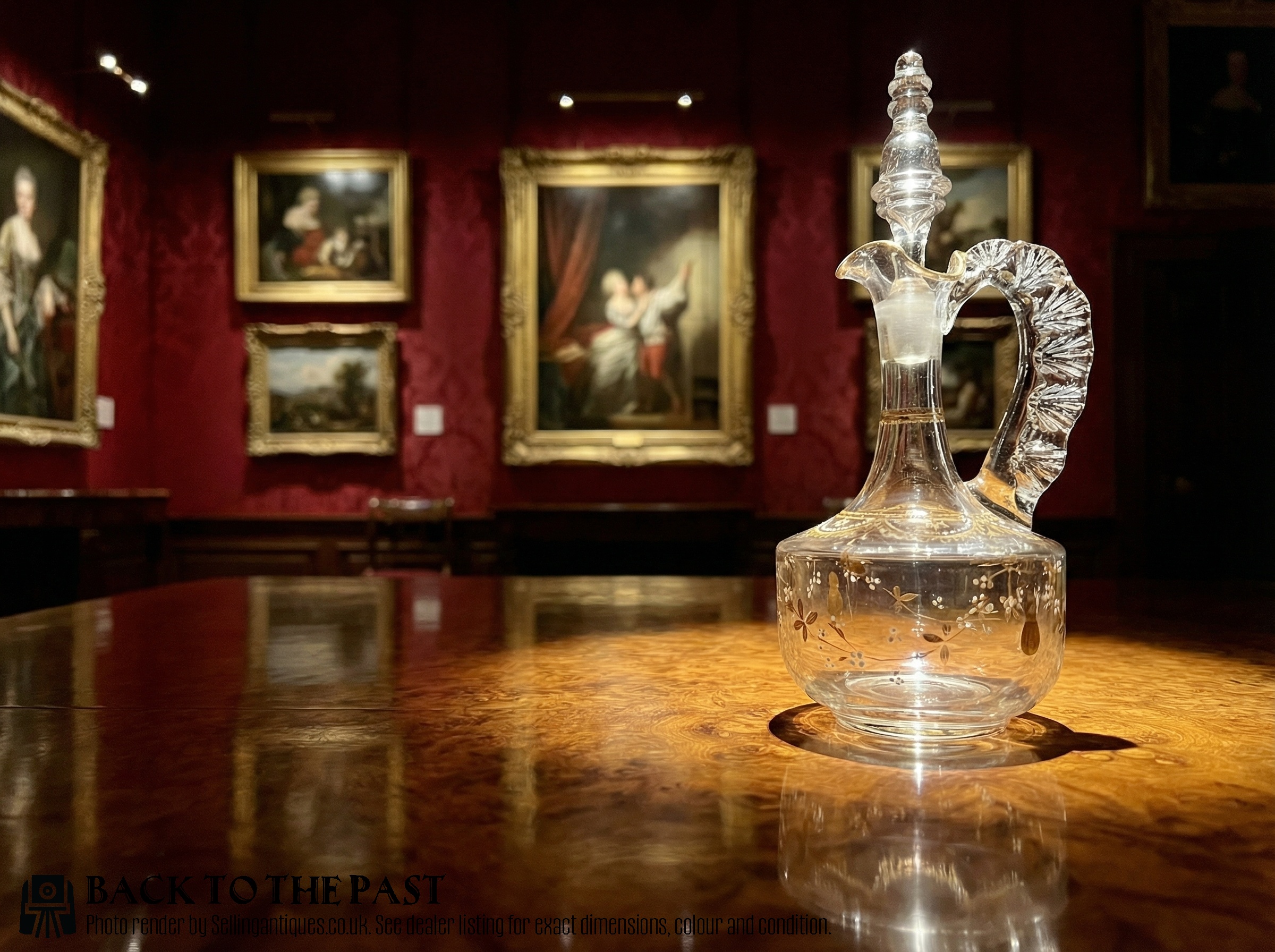
Vintage Decorative Decanter
When you search for a vintage decorative decanter, you encounter a range of vessels designed to hold and serve wine, spirits, and liqueurs. The pieces on this page span the Victorian and Edwardian eras, alongside later twentieth-century styles.
The selections include cut glass and crystal bottles, claret jugs, liqueur ewers, and fitted tantalus boxes. You will also find serving vessels in silver plate, brass, stoneware, and wood.
Origins vary from English workshops to continental European makers and nineteenth-century Indian craftsmanship. Each form reflects the entertaining customs of its respective period.
How they were made
Maker's workshops combined heavy-blown glass and crystal with silver plate mounts, brass fittings, and structural timber frames. Cut glass surfaces feature deep geometric patterns that catch the light during service.
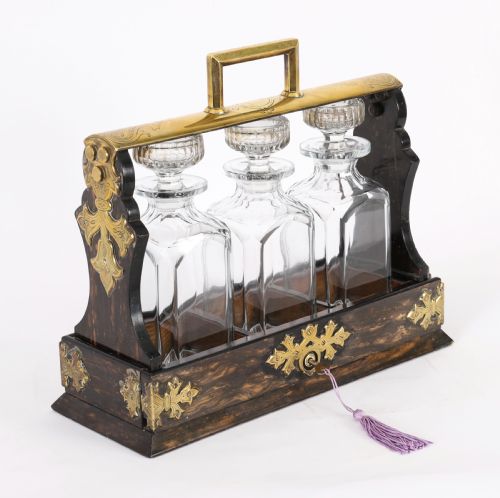
Wooden housings, such as coromandel wood decanter boxes and tantalus frames, required precise joinery to secure glass bottles under lock and key. Stoneware vessels and hand-painted Kashmiri items show distinct regional ceramic and decorative techniques.
Vintage Decorative Decanter Retail Price Guide 2026
Typical asking prices for vintage decorative decanter among the pieces listed under this phrase on Sellingantiques today, from the lower quarter to the upper quarter. They describe what is for sale here now, not the wider market.
Listings feature items spanning the Victorian, Edwardian, and mid-century periods, utilising materials such as coromandel wood, silver plate, and cut crystal.
What varies in quality
Distinctions in quality rest upon the crispness of the glass cutting, the weight of the metal mounts, and the integration of the materials. Heavier crystal bodies and substantial silver plating indicate superior craftsmanship.
The sophistication of the design style, from Victorian Rococo Revival ornamentation to flowing Art Nouveau lines, dictates the visual distinction of the piece. Fitted locking mechanisms and fine timber grain further separate standard items from superior examples.
The Vintage Decorative Decanter Glossary
- Tantalus
- A locked wooden frame holding decanters visible to guests but secured against unauthorized pouring.
- Claret jug
- A specialised pouring vessel with a handle and spout, traditionally used for serving red wine.
- Coromandel wood
- A dense, dark exotic timber with contrasting light streaks, utilised for luxury nineteenth-century boxes.
- Silver plate
- A base metal foundation coated with a thin layer of silver, common in Victorian and Edwardian drinkware mounts.
- Ewer
- A large pitcher with a wide spout and curved handle, frequently employed as a decorative serving vessel.
Vintage Decorative Decanter: Frequently Asked Questions
What is a tantalus?
A tantalus is a locking wooden frame that holds decanters securely while leaving their contents visible. This allowed hosts to display fine spirits while restricting access.
Such frames typically lock with a key mechanism that secures the metal bar running across the stoppers.
How were claret jugs used?
Claret jugs served red wine at the dining table during the nineteenth and early twentieth centuries. Guests poured wine from these vessels rather than straight from the original bottle.
The hinged lids and spouts helped control the pour and kept the wine sediment contained.
What is coromandel wood?
Coromandel wood is a heavy, durable tropical timber featuring distinctive dark brown colouring with contrasting light stripes. Cabinetmakers utilised it for luxury boxes and tantalus frames.
Its striking grain made it a favored material for high-end Victorian decorative items.
How do I date these pieces?
Dating relies on stylistic markers such as Victorian Rococo Revival flourishes, Art Nouveau botanical lines, or Sheraton Revival geometry. Materials like heavy cut crystal and silver plate also point to specific manufacturing decades.
Maker's marks, where present on the metal mounts, provide further chronological clues.