

Vintage Decorative Box
These vintage decorative box finds span centuries of craftsmanship, offering practical storage disguised in rich materials.
Vintage Decorative Box
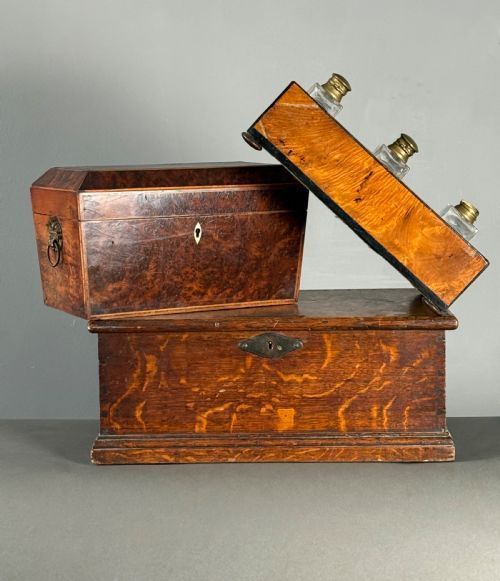
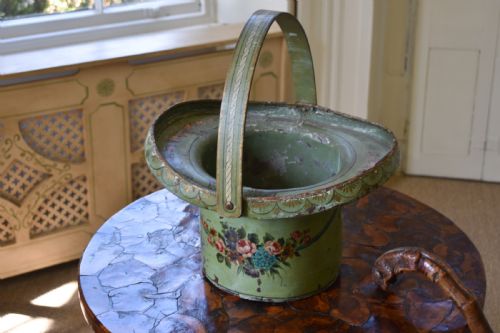
A vintage decorative box covers a broad span of receptacles designed to hold trinkets, tea, writing materials, or keepsakes. When exploring this phrase, one encounters items ranging from 17th-century wood constructions to Victorian papier-mâché and 20th-century metal caskets.
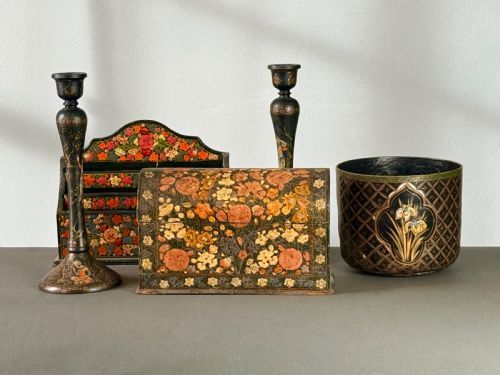
The selections on this page lean heavily towards pieces from the 19th century and the Victorian era, alongside Georgian and early 20th-century examples. Formats stretch from small snuff boxes and card holders up to larger tea caddies, jewellery boxes, and desk stands.
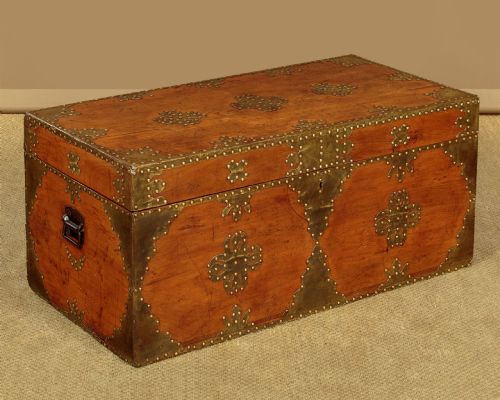
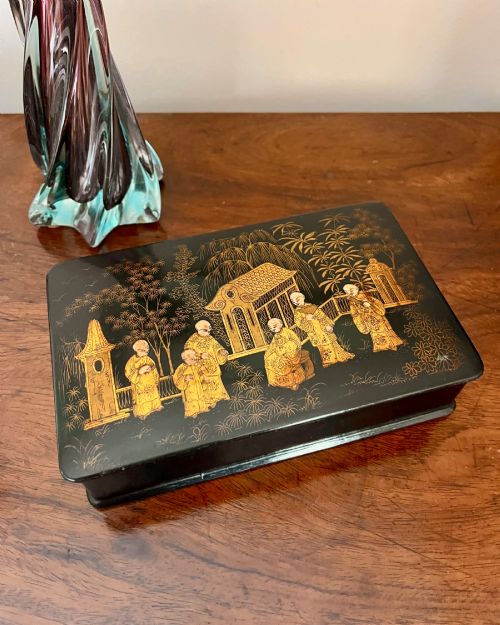
Origins are remarkably diverse, including French, English, Indian, Chinese, and Middle Eastern workshops. Each piece reflects the specific domestic habits and decorative tastes of its period, whether through Chinoiserie lacquer or heavy brass stud work.
Materials and construction
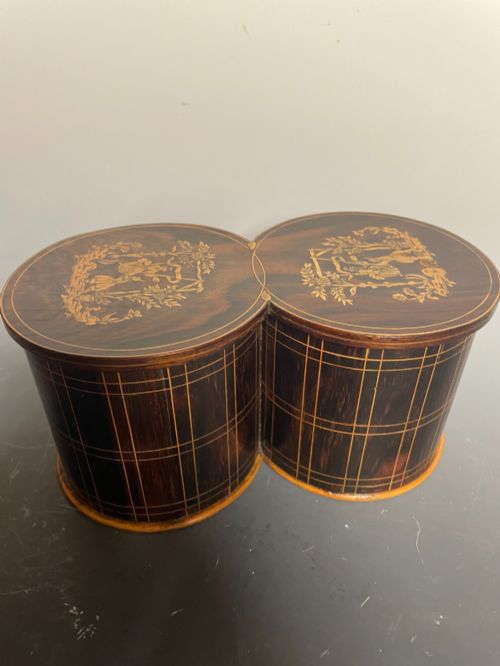
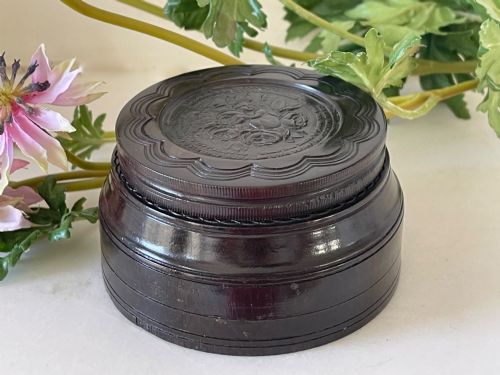
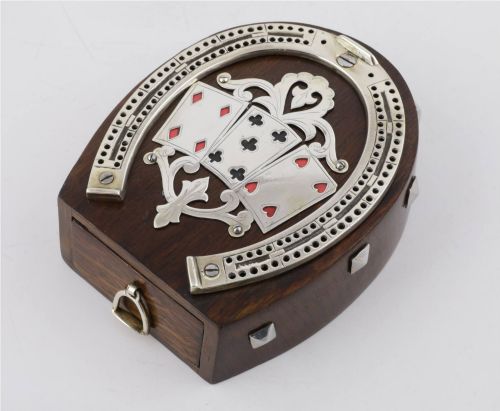
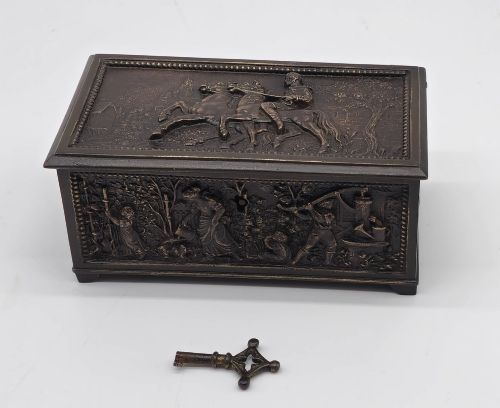
Makers utilised a wide array of natural materials, combining timber foundations such as walnut, rosewood, oak, and hardwood with applied surfaces of leather, lacquer, and tortoiseshell. Metals also play a significant role, seen in solid silver, bronze, brass mounts, and iron elements.
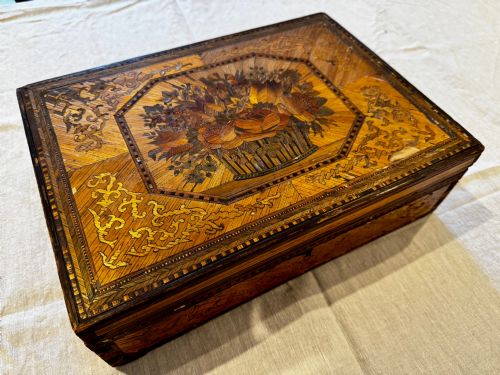
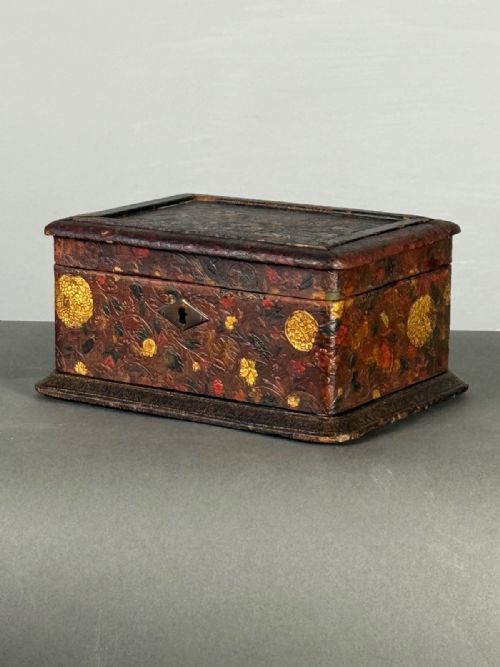
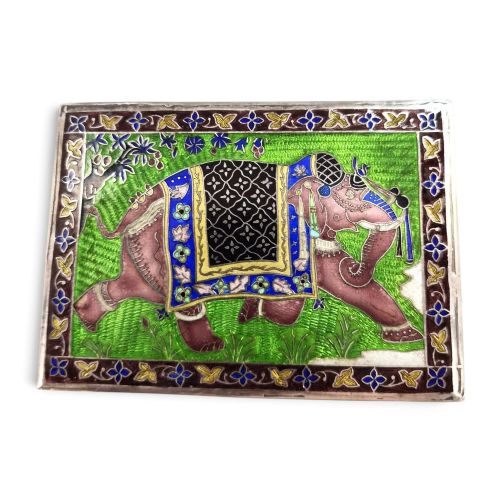
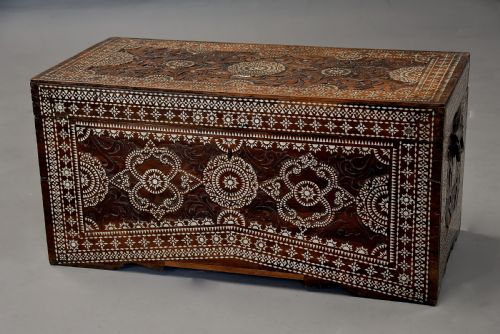
Surface ornamentation defines these objects, incorporating mother-of-pearl inlay, bone details, polychrome leather, enamel work, and intricate cloisonné. Techniques vary from the delicate application of Chinoiserie lacquer to heavy brass studding on wooden chests and tooled book-shaped leather casings.
Materials in the listings include wood, brass, lacquer, leather, walnut, rosewood, metal, and iron across multiple centuries.
Judging the work
Excellence in these objects rests upon the precision of the joinery and the integrity of the surface decoration, whether that is hand-tooled leather, tightly fitted mother-of-pearl inlay, or smooth lacquer. Superior examples maintain the crispness of their carved or cast details without excessive wear to the underlying materials.
The sophistication of the internal fittings and the quality of the hardware, such as brass locks, hinges, and corner mounts, separate standard containers from finer items. Original linings, intact compartmentalisation, and well-preserved maker marks elevate the standing of a piece.
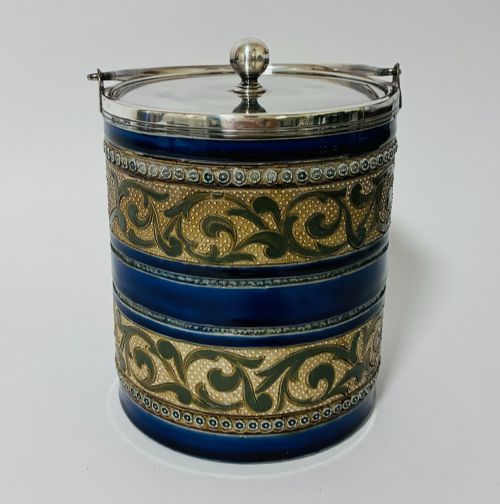
SUSSE FRERES PARIS·Guichard Carries·Doulton Lambeth·Daum France·Erhard and Sohne
The Vintage Decorative Box Glossary
- Tea caddy
- A box specifically designed for storing loose tea leaves, often featuring internal compartments or canisters.
- Papier-mache
- A composite material made of paper pulp or reinforced paper sheets, pressed and lacquered to create durable, highly decorated boxes.
- Chinoiserie
- European interpretations of Chinese and East Asian artistic traditions, frequently applied to lacquered furniture and decorative containers.
- Cloisonne
- An enamelling technique where metal wires are soldered to a base to form compartments filled with coloured paste and fired.
- Snuff box
- A small pocket-sized container traditionally used to hold powdered tobacco.
Vintage Decorative Box: Frequently Asked Questions
What were tea caddies used for?
Tea caddies served to store precious tea leaves securely under lock and key in the Georgian and Victorian eras. Tea was an expensive commodity, making these locked containers essential domestic items.
Inside, many caddies featured individual compartments or lead canisters to keep different tea varieties fresh and dry away from household moisture.
How do I identify a Victorian box?
Victorian boxes often utilise papier-mâché, heavy rosewood, or walnut, frequently accompanied by elaborate mother-of-pearl inlay or brass banding. The construction reflects industrial mechanisation combined with skilled hand-finishing.
Look for interior silk linings, brass lever locks stamped with period patent marks, and characteristic floral or geometric surface motifs popular during the reign.
What is a faux book box?
A faux book box is a container shaped and bound to resemble a leather-covered volume or a set of books. Makers produced these to blend discreetly into a library shelf while holding small valuables or writing equipment.
Examples often feature tooled leather spines, marbled paper interiors, and hinged covers disguised as book boards.
How should I clean lacquer boxes?
Lacquer surfaces require gentle dusting with a soft, dry cloth to prevent scratching the delicate finish. Moisture and chemical polishes can damage old lacquer and underlying wood.
Keep these containers away from direct sunlight and fluctuating temperatures to avoid warping the base materials and cracking the decorative surface layers.