
Vintage Decanter and Glasses
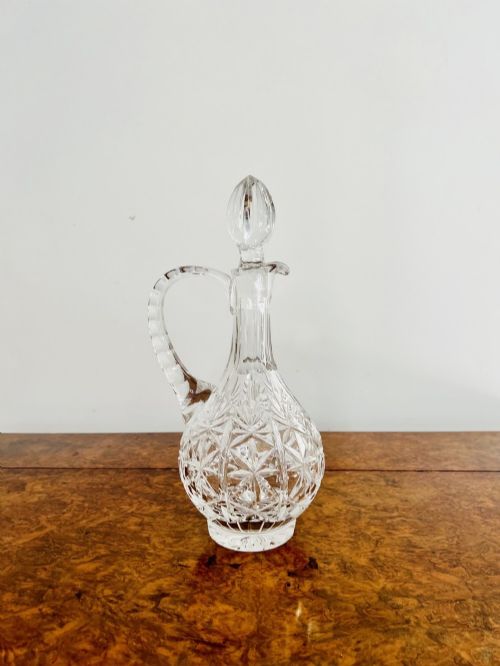
These vintage decanter and glasses bring period charm to a drinks cabinet, offering heavy cut crystal and silver mounts for formal entertaining.

Vintage Decanter and Glasses
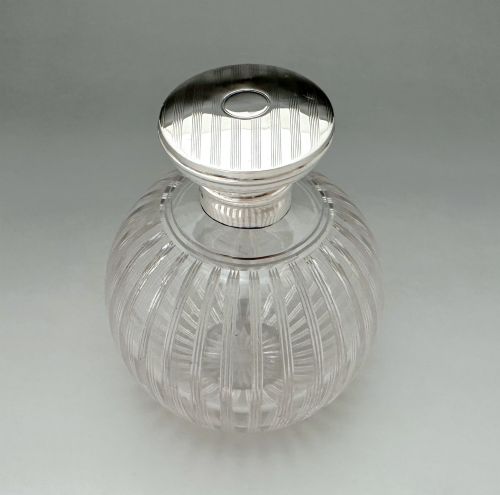
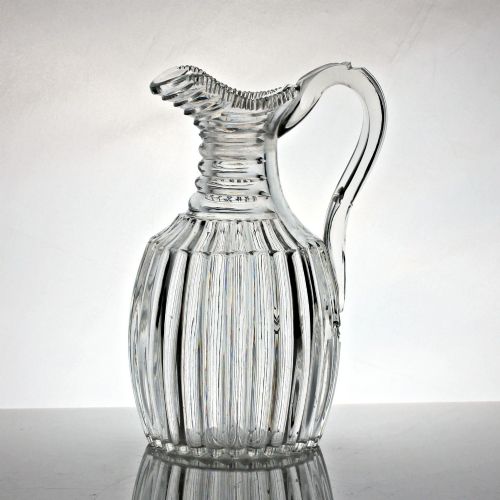
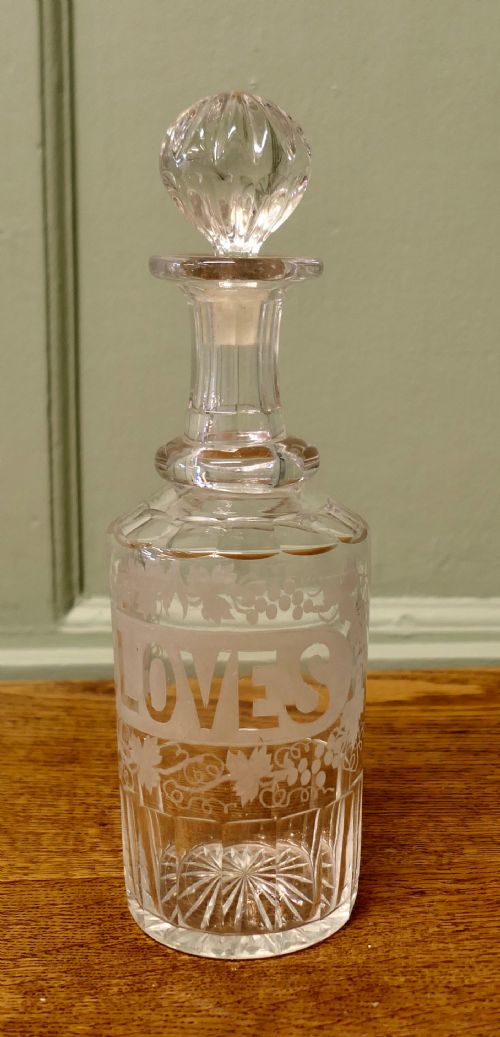
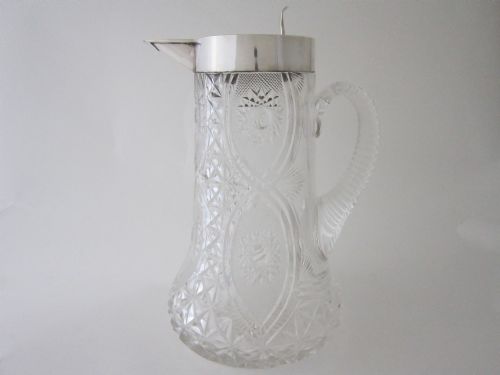
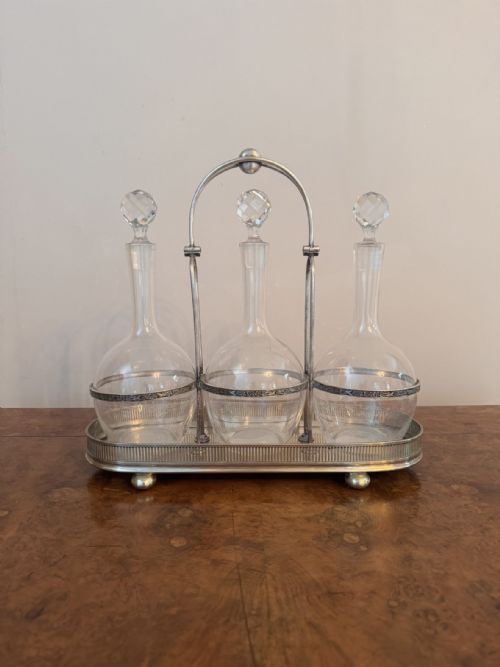
When you search for vintage decanter and glasses, you encounter a variety of drinking vessels, spirit containers, and serving sets spanning the Victorian, Edwardian, and Art Deco eras. The pieces range from single claret jugs and scent bottles to larger tantalus sets housing multiple crystal decanters alongside matching glassware suites.
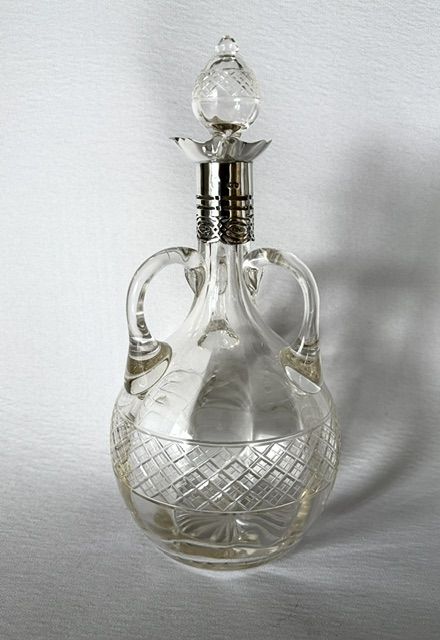
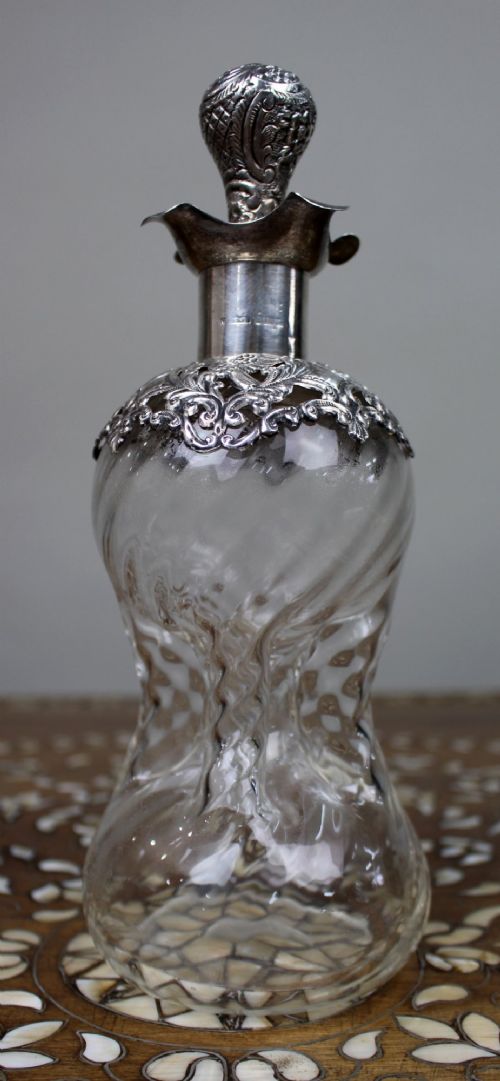
The selections on this page draw from 19th Century, Georgian, and Regency origins, though Edwardian and 1900s productions dominate the current spread. Buyers frequently encounter cut glass and crystal decanters paired with silver plated or sterling silver collars, mounts, and stands.
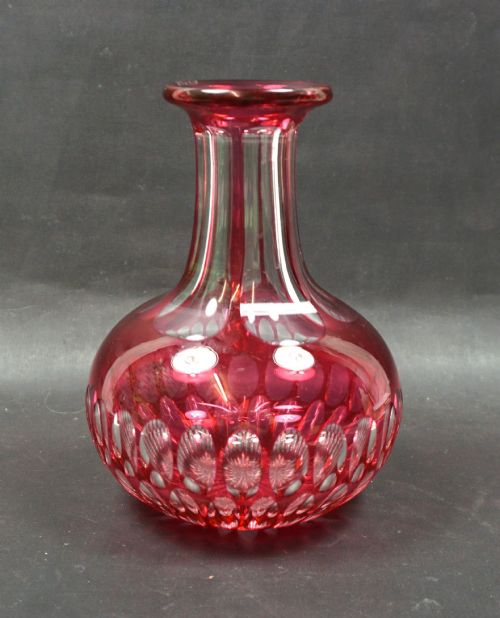
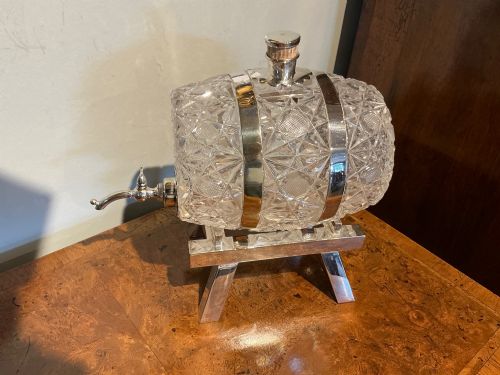
Vessels also include spirit barrels, ewers, and novelty silver plated jugs with glass eyes, alongside cranberry and cobalt coloured glass. Sets often integrate drinking glasses with engraved decoration or blue enamel detailing originating from English, Bohemian, and continental makers.
Materials and construction methods
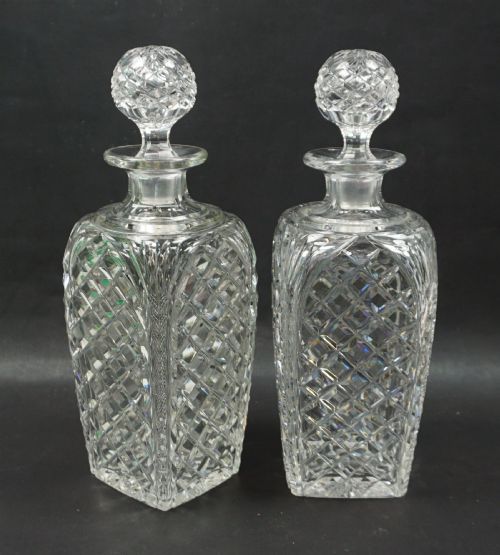
Makers shaped these items using lead crystal and glass, employing heavy pillar and prism cutting techniques to catch the light across the facets of square section tapered decanters and wine jugs. Hand-blown glass production appears alongside moulded pieces, complemented by cranberry over crystal layering and hand-painted or gilded surface finishes.
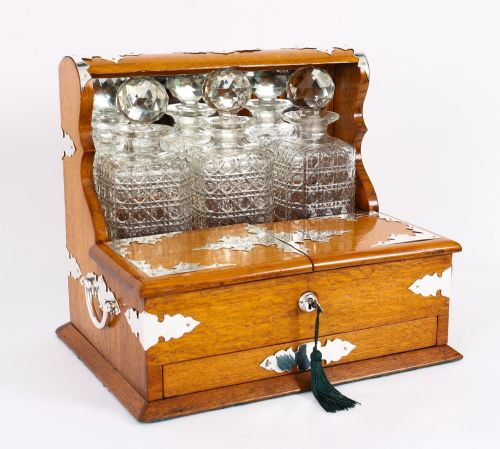
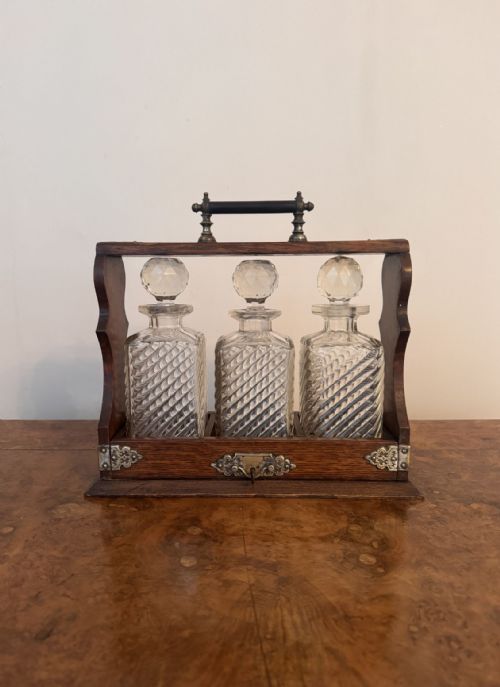
Metalwork forms an integral component, utilising sterling silver and silver plate to create collars, mounts, and intricate overlay designs. Timber frames such as blond oak and coromandel house multiple crystal decanters securely within locking tantalus mechanisms.
Listings span the Victorian, Edwardian, and Art Deco periods, utilising materials from lead crystal and sterling silver to blond oak and coromandel.
Distinctions in manufacture and material grade
The standard of cutting and the weight of the material determine the grade, where deep pillar and prism cuts on heavy lead crystal create crisper light refraction than shallow moulding on lighter glass. The clarity of the crystal and the depth of colour in cranberry or cobalt pieces indicate the purity of the initial batch.
The refinement of the metal mounts sets finer examples apart, distinguishing solid sterling silver collars and complex silver overlay work from simpler silver plated alternatives. Fitted wooden cabinets demonstrate superior craftsmanship through robust locking mechanisms and well-preserved timber grains.
Stevens and Williams·Gorham·Laugharne·Betjemann
The Vintage Decanter and Glasses Glossary
- Tantalus
- A locking wooden frame designed to securely hold decanters of spirits while preventing unauthorized access to the contents. These units often incorporate games compendiums or multiple cut crystal bottles.
- Claret jug
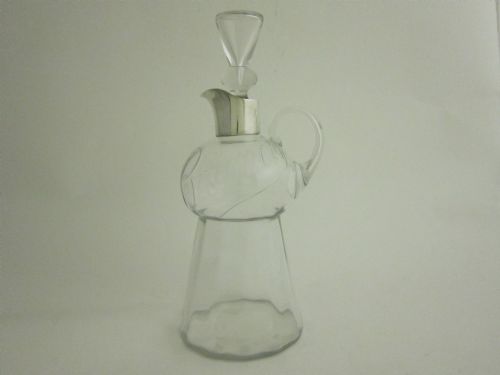
- A specialised pouring vessel intended for serving red wine at the dining table. They typically combine a glass body with a hinged silver plated or sterling silver mount and handle.
- Ewer
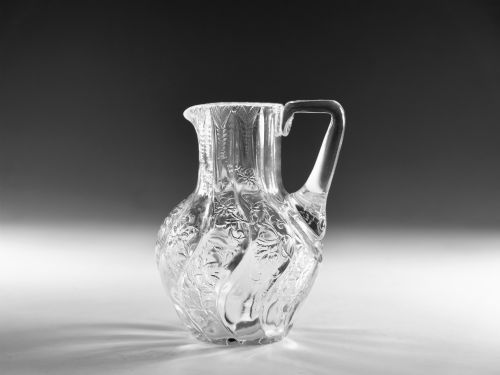
- A large jug with a wide spout and a sweeping handle, historically used for water or wine. Antique examples often feature hand-blown glass bodies with heavy cutting.
- Silver overlay
- A decorative technique where molten or sheet silver is applied to the surface of a glass vessel in intricate patterns. Gorham frequently utilised this method on perfume bottles.
- Pillar and prism cut
- A style of heavy geometric glass cutting characterised by vertical flutes and angled facets. This treatment maximises the brilliance and light reflection of lead crystal.
Vintage Decanter and Glasses: Frequently Asked Questions
How do I identify Edwardian decanters?
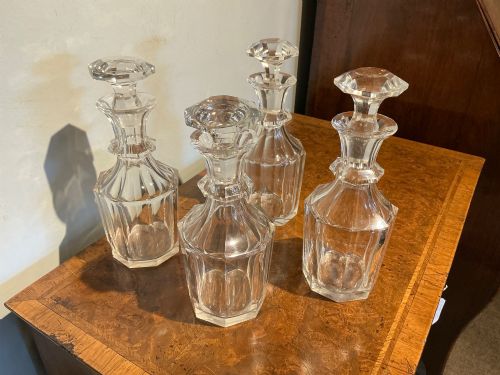
Edwardian decanters typically display crisp cut glass patterns combined with silver plated collars bearing hallmarks or marks characteristic of the early twentieth century. Their forms often follow straightforward geometric lines influenced by late Victorian manufacturing standards.
Look for squared or tapered profiles paired with matching stoppers, which indicate a complete original set rather than a later assembled grouping.
What is a silver tantalus?
A tantalus is a lockable wooden stand that restrains the stoppers of decanters so the bottles cannot be removed without a key. This allowed hosts to display expensive spirits securely in domestic settings.
Materials like coromandel and oak frequently form the housing, paired with heavy crystal bottles and functioning silver hallmarked locks.
Are these glasses safe for daily use?
Most antique crystal and glass vessels remain entirely functional for serving beverages, provided they receive careful hand washing. Sudden temperature changes should be avoided to protect aged glass.
Silver plated mounts and sterling silver collars require gentle polishing with appropriate agents to preserve the metal finish without touching the glass.
What distinguishes lead crystal from standard glass?
Lead crystal contains metallic oxide that increases the weight, refractive index, and acoustic resonance of the material. This composition allows for deeper, sharper facet cutting.
When struck gently, genuine lead crystal produces a clear ringing tone rather than the dull thud typical of ordinary soda-lime glass.