

Vintage Daybed Sofa
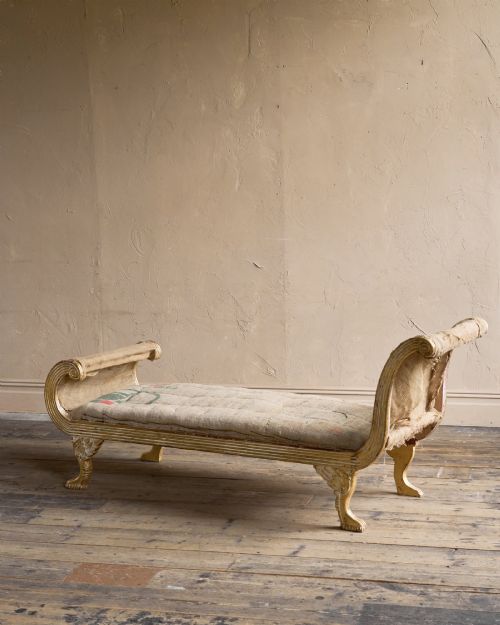
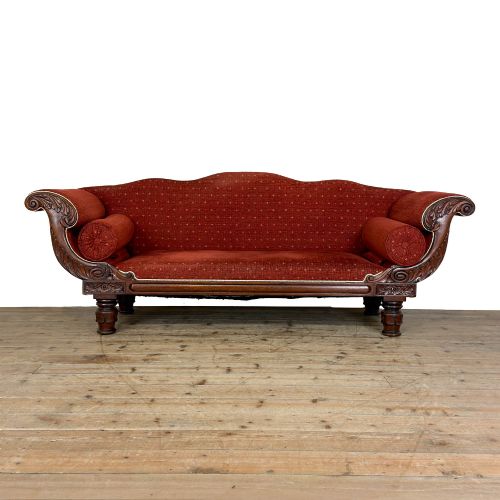
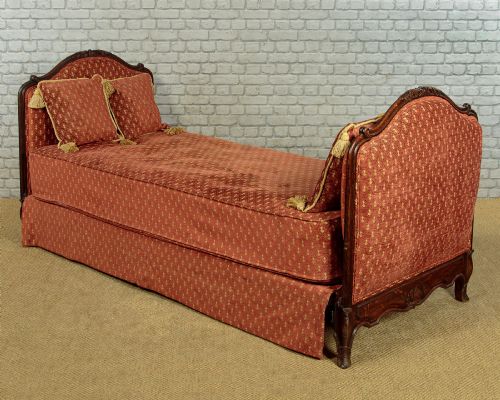
These vintage daybed sofa options span the nineteenth century to the nineteen-thirties, offering dual-purpose lounging furniture crafted in mahogany, brass, cane, and velvet.
Vintage Daybed Sofa
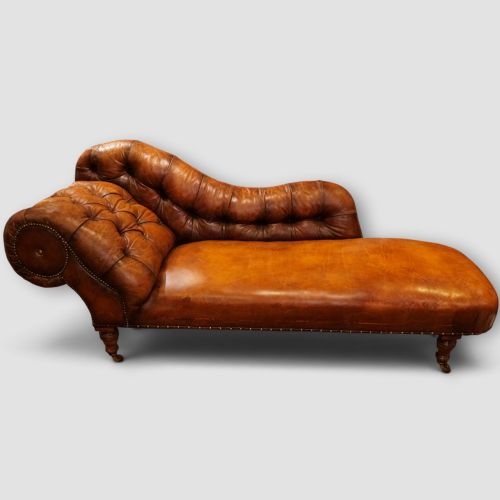
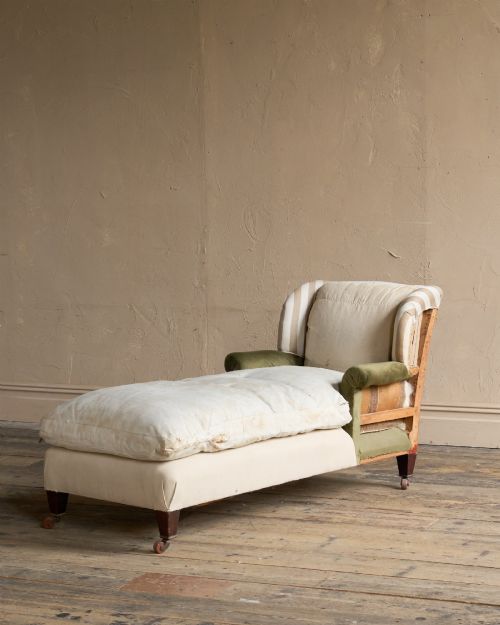
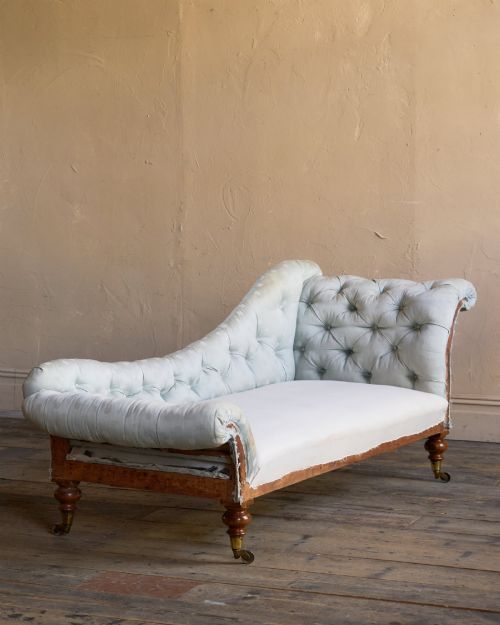
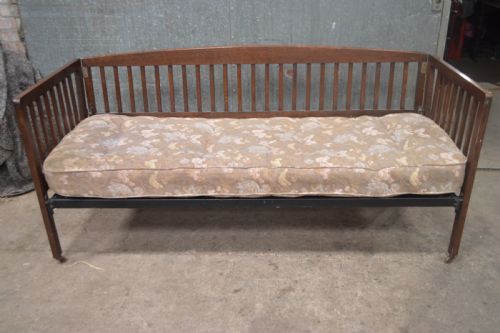
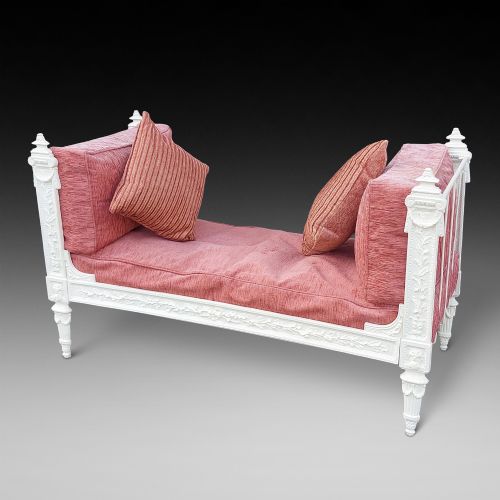
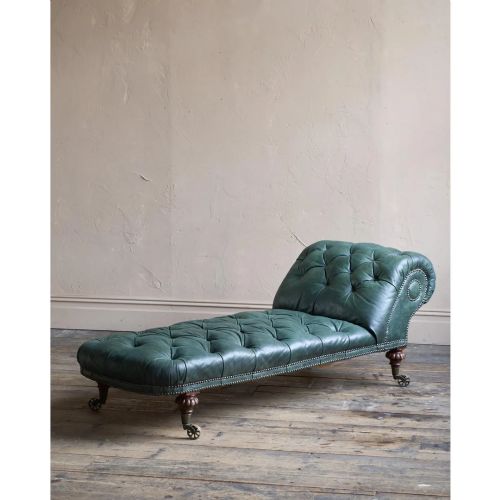
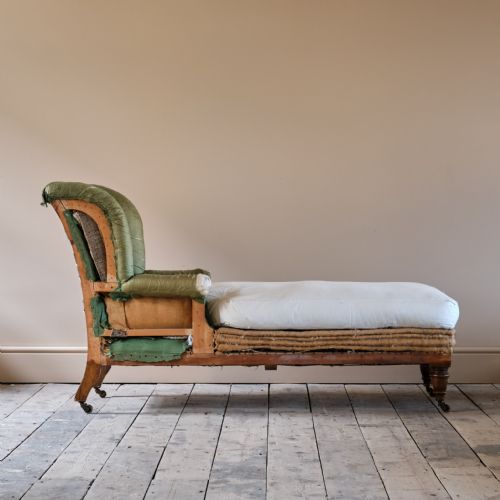
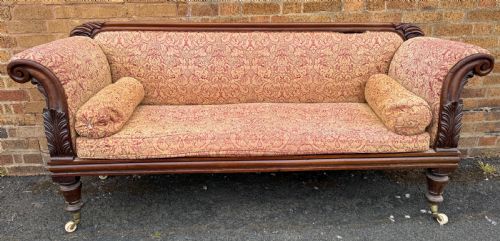
When searching for a vintage daybed sofa, buyers encounter a crossover category that blends the extended seat of a chaise longue with the daybed form. Pieces on this page span the nineteenth century through the nineteen-thirties, taking shapes from Regency scroll-end settees to Victorian cast iron frames and Edwardian oak designs.
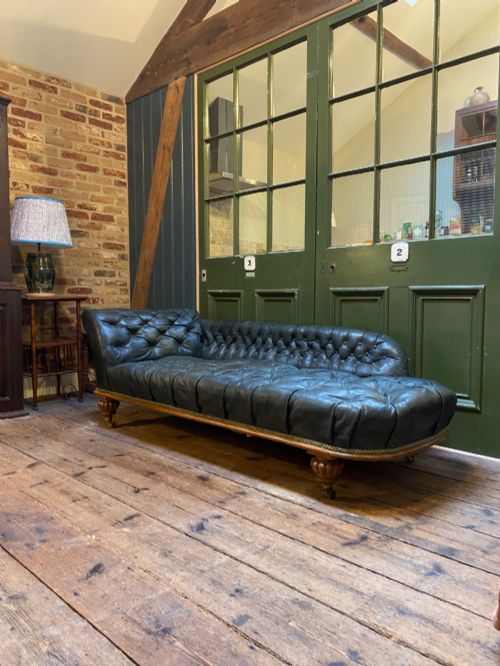
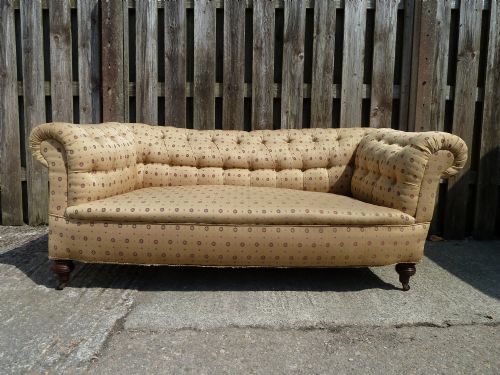
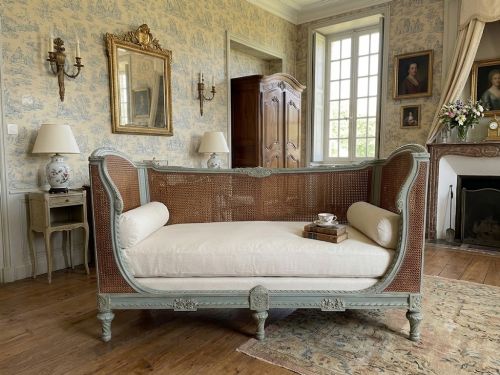
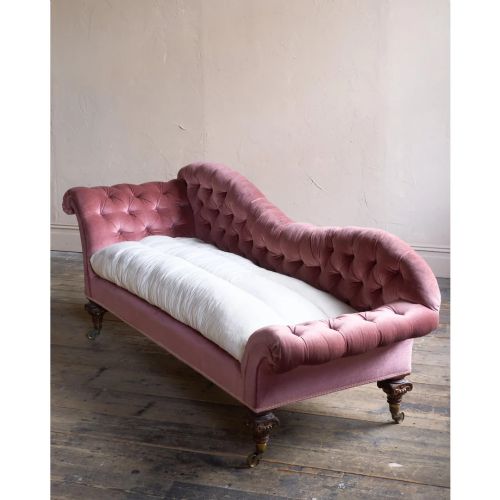
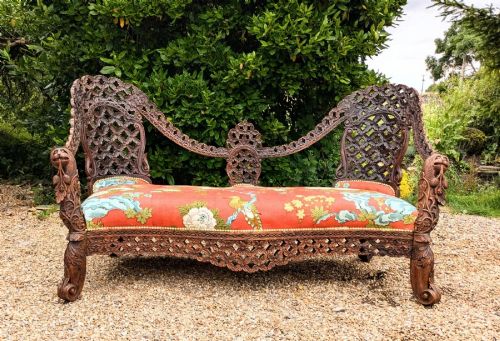
The most frequent variations combine seating and reclining functions, including French bergere models with cane panels, Anglo-Indian hardwood settees, and deep-buttoned velvet Chesterfields. These items originate from British, French, and Irish workshops, reflecting diverse regional tastes for daytime rest.
Styles range from formal Louis XVI painted frames to Arts and Crafts simplicity and heavy mahogany country house furniture. Buyers select these designs to serve as both decorative seating in drawing rooms and functional day beds for libraries or guest spaces.
How they were made
Frames rely on dense timbers such as mahogany, rosewood, oak, and exotic hardwoods, often shaped with carved scroll ends, turned legs, or ionic column supports. Joinery techniques from the period utilise mortise and tenon construction to sustain the horizontal loads placed on daybeds and extended settees.
Upholstery relies on traditional stuffing materials contained beneath leather, velvet, or woven fabric, frequently secured with deep buttoning. Caned versions integrate woven natural cane panels into wooden or painted beech and oak frameworks for lighter structural support.
Vintage Daybed Sofa Retail Price Guide 2026
Typical asking prices for vintage daybed sofa among the pieces listed under this phrase on Sellingantiques today, from the lower quarter to the upper quarter. They describe what is for sale here now, not the wider market.
Listings feature woods such as mahogany, rosewood, oak, and cane alongside materials like velvet, leather, and cast iron.
What varies in quality
The standard of a piece depends on the crispness of the timber carving and the architectural integrity of the frame. Superior examples display finely turned legs, original castors, and unbroken cane work rather than later replacements.
Upholstery execution separates standard workshop production from notable cabinetmaker output. Pieces retaining original leather, silk velvet, or traditional horsehair stuffing demonstrate higher manufacturing ambition.
Howard & Sons·Jas Shoolbred·William Birch
The Vintage Daybed Sofa Glossary
- Chaise longue
- An upholstered sofa shaped like a chair with a long seat to support the legs. It functions as a hybrid between a chair and a day bed.
- Bergere
- An enclosed upholstered armchair or sofa with wooden frames and cane side panels. The style originated in France and gained popularity during the eighteenth and nineteenth centuries.
- Scroll-end
- A furniture arm or frame terminal curved outward in the shape of a scroll. This feature frequently appears on Regency and William IV sofas.
- Chesterfield
- A large sofa with deep buttoned upholstery, rolled arms, and a back of the same height. Traditional versions are finished in leather or heavy fabric.
- Canapé
- A French term for an ornamental sofa or settee with an upholstered seat and back. They often feature painted or gilded wooden frames.
Vintage Daybed Sofa: Frequently Asked Questions
How do I use a daybed sofa today?
These pieces function well in studies, sunrooms, or large living areas where daytime lounging or reading takes place. Their dual nature provides ample seating during gatherings and an extended surface for resting.
Positioning them away from direct sunlight protects vulnerable fabrics like velvet and antique leather. Pairing them with supportive bolsters enhances comfort for daily use.
How do I identify a Victorian daybed?
Victorian examples frequently utilise dark woods like mahogany and rosewood, or heavy cast iron for outdoor or interior use. Turned legs, ceramic castors, and deep buttoned velvet upholstery are common markers of this period.
Proportions tend to be heavier and more ornate than earlier Regency or later Edwardian counterparts. Carved foliate details and scroll arms frequently appear on these pieces.
Are these sofas suitable for regular sleeping?
Historical daybeds were built primarily for daytime resting, reading, or convalescing rather than nightly sleeping. Their internal webbing and traditional stuffing differ from modern mattress construction.
Occasional overnight use is acceptable, but heavy daily sleeping may accelerate wear on antique upholstery and frame joints. Adding a custom topper can improve comfort without altering the structure.