



Vintage Darts
Vintage darts comprise sporting trophies, silver fobs and regional views spanning the nineteenth and twentieth centuries.
Vintage Darts
When you search for vintage darts, you encounter a diverse collection of sporting shields, pocket watch fobs, and framed paintings depicting the River Dart. These objects bridge competitive recreation and landscape art across periods ranging from the Victorian era to the mid-twentieth century.
The presentation shields and novelty watch fobs record the history of pub and club games, frequently executed in silver or mounted with enamel. Alongside these, you find oil paintings and architectural mouldings that share the search term through their connection to Devon geography or classical ornamentation.
You are most likely to meet twentieth-century sporting items alongside nineteenth-century topographical works on this page. Each piece reflects distinct cultural traditions, whether through competitive league presentations or traditional regional oil painting.
Materials and construction
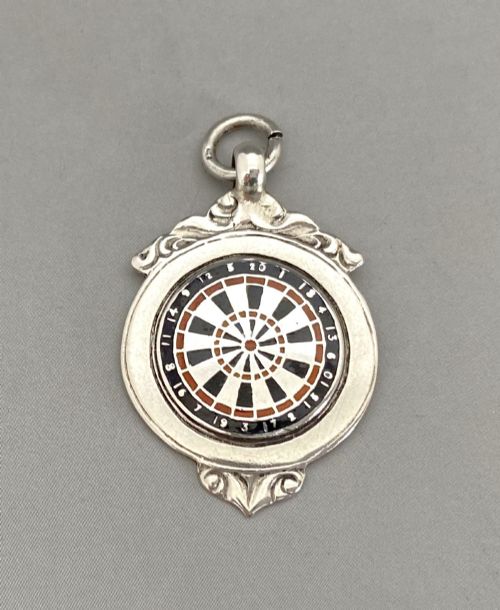
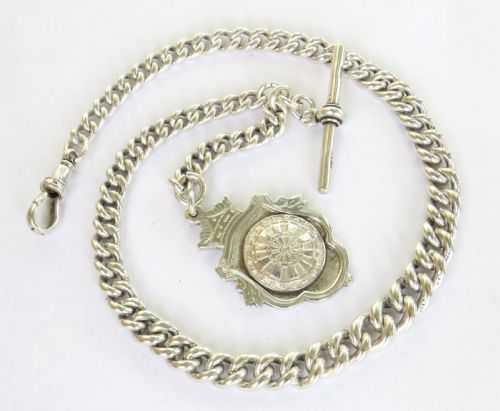
The sporting fobs and presentation items utilise sterling silver and silver plate, often enhanced with enamel work to detail miniature dartboards. These metal objects demonstrate traditional silversmithing and engraving techniques typical of competition awards.
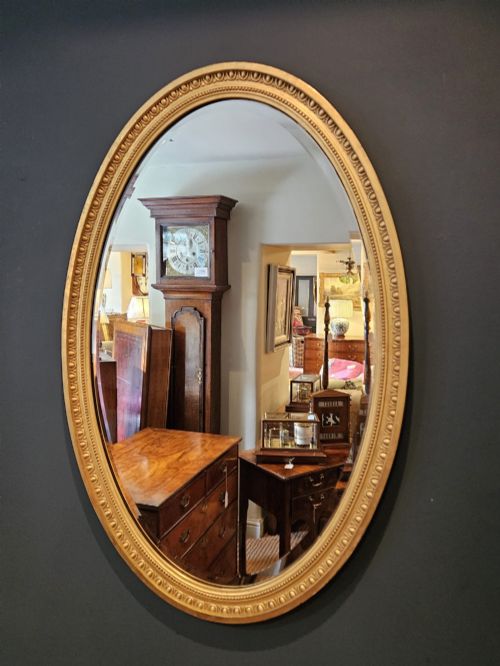
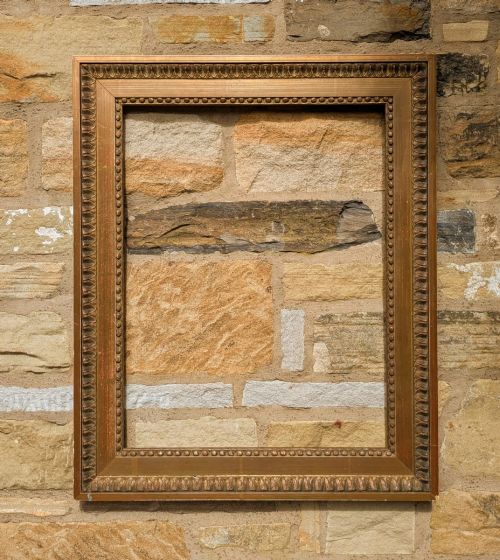
Wooden framing and architectural mouldings incorporate gesso, plaster, and gold leaf to achieve decorative finishes. Painters utilise oil on canvas to capture river scenes, mounted within period wooden frames that sometimes feature egg and dart beaded mouldings.
Vintage Darts Retail Price Guide 2026
Typical asking prices for vintage darts among the pieces listed under this phrase on Sellingantiques today, from the lower quarter to the upper quarter. They describe what is for sale here now, not the wider market.
One miniature board fob includes vitreous enamel to recreate the scoring zones of a dartboard in miniature.
Judging quality
Quality in these pieces rests upon the crispness of the chasing on silver items and the preservation of original gilding on frames and shields. Superior examples retain their intricate enamel details and clear inscriptions without heavy wear.
In painted works and mirrors, the depth of the brushwork and the stability of the original canvas or gesso ground determine the standard. Pieces that maintain their primary surfaces without extensive later restoration command greater attention.
The Vintage Darts Glossary
- Watch fob
- A short strap or chain attached to a pocket watch, frequently ornamented with a medal or pendant. In this context, these items commemorate sporting achievements and club memberships.
- Presentation shield
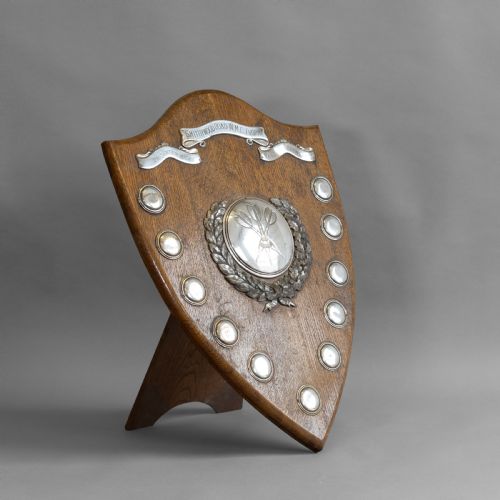
- A mounted plaque awarded for competitive sports, constructed from wood and embellished with silver plaques. These shields record league victories and tournament winners.
- Egg and dart
- An ornamental moulding pattern found in architecture and framing, alternating oval shapes with pointed arrowheads. This classical motif appears on early twentieth-century picture frames.
- Overmantel mirror
- A large looking glass designed to hang directly above a fireplace mantel. These mirrors often incorporate painted panels or elaborate gilded woodwork.
Vintage Darts: Frequently Asked Questions
What are vintage darts items?
These pieces include sporting presentation shields, silver watch fobs, and regional paintings associated with the River Dart. They represent both the history of traditional games and topographical art.
The selection spans multiple decades, connecting competitive pastimes with nineteenth-century landscape painting and decorative home accessories.
How should I display a presentation shield?
Presentation shields suit wall mounting in studies, living spaces, or game rooms where their wooden bases and silver plaques remain visible. Ensure they hang away from direct sunlight to protect the mounted metals and wooden grounds.
Their substantial construction makes them focal points within a room, echoing traditional club and sporting displays.
How do I identify a nineteenth-century painting?
Nineteenth-century paintings on this page typically feature oil on canvas construction, often bearing artist inscriptions and dates on the stretchers. Examining the canvas texture and the ageing of the oil medium helps determine the period.
Original frames, such as those with gilt mouldings, frequently accompany these works and provide further contextual clues to their age.