




Vintage Damask Stool
These vintage damask stool options combine period frames with patterned upholstery, offering a practical seat for any traditional room.
Vintage Damask Stool
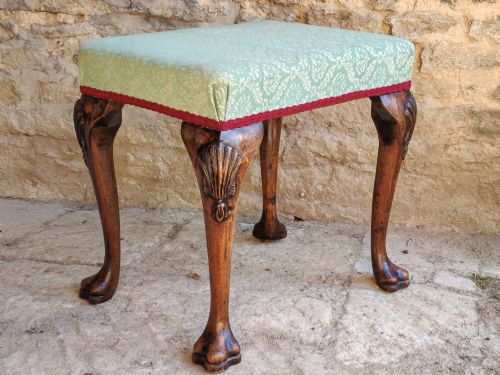
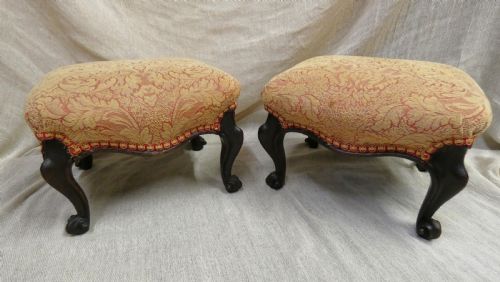
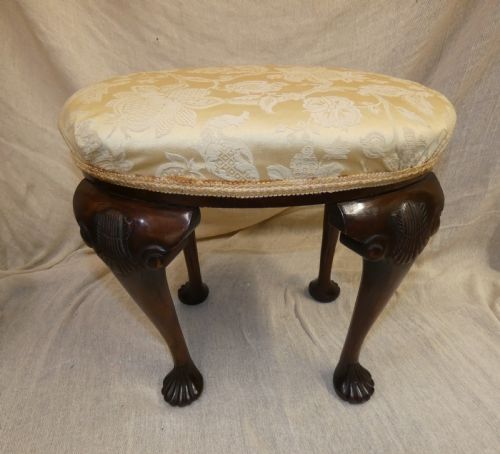
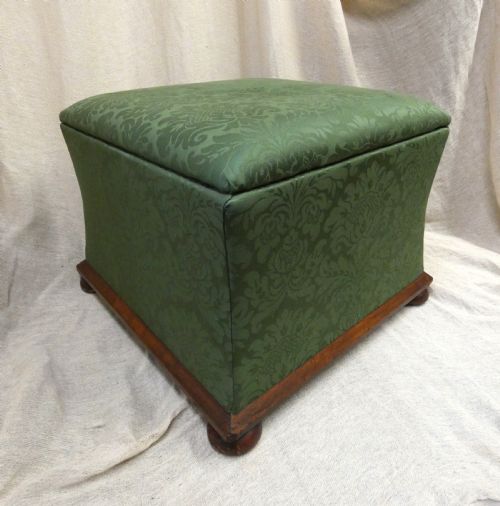
A vintage damask stool brings together solid timber frames and patterned textile coverings across various historical periods. Buyers seeking a vintage damask stool will encounter forms ranging from simple footstools to large ottomans and boudoir seats.
The selections here span the nineteenth century through the early twentieth century, incorporating revival aesthetics like Chippendale, Queen Anne, and Louis styles. Most examples rely on Victorian or Edwardian craftsmanship paired with woven fabric.
Makers utilised woods such as mahogany, walnut, teak, and giltwood to build these seats. The combination of carved timber and patterned upholstery defines the category on this page.
Materials and construction
Carpenters constructed the underlying frames using hardwoods like mahogany, walnut, and teak, often employing traditional joinery to ensure stability. Carved details on the wood frames draw on Baroque, Rococo, and classical revival vocabularies.
Upholsterers applied woven damask fabric over padding, sometimes incorporating buttoning techniques to secure the textiles. Giltwood and painted finishes appear alongside polished timber surfaces.
Vintage Damask Stool Retail Price Guide 2026
Typical asking prices for vintage damask stool among the pieces listed under this phrase on Sellingantiques today, from the lower quarter to the upper quarter. They describe what is for sale here now, not the wider market.
Several footstools managed to survive over a century without losing a single button from their upholstery.
Assessing quality and finish
Depth of carving and crispness of detail in the timber frame distinguish finer examples from simpler production. Superior pieces exhibit hand-carved ornamentation that remains sharp and well-defined.
The selection of the textile covering and the tightness of the upholstery work also determine the overall standard. Quality shows in how cleanly the fabric meets the wooden frame and how well the padding holds its form.
The Vintage Damask Stool Glossary
- Damask
- A reversible figured fabric with patterns woven into the ground, traditionally utilised for upholstery and heavy drapery. It provides the characteristic textured surface seen on these seats.
- Giltwood
- Timber treated with gold leaf or gilt paint to simulate solid gold decoration. This finish is frequently found on pieces following French neoclassical styles.
- Chippendale Style
- A design vocabulary drawing on mid eighteenth-century English furniture, known for carved cabriole legs and intricate woodwork. Revival versions appeared across the nineteenth century.
- Ottoman
- A low, upholstered seat without arms or a back, designed for resting feet or sitting. Larger versions serve multiple purposes within a reception room.
Vintage Damask Stool: Frequently Asked Questions
How do I clean damask upholstery?
Vacuum the fabric gently using a soft brush attachment to remove dust settled in the woven pattern. Professional textile cleaning is recommended for deeper marks to preserve the fibres.
Avoid soaking the fabric with water, as moisture can damage both the textile and the internal padding of the seat.
Can these stools support regular seating?
Most pieces are built with sturdy hardwood frames designed to bear weight during daily use. Footstools and larger ottomans function well as extra seats when guests visit.
Checking the stability of the joints helps ensure the frame remains safe for regular sitting.
What rooms suit a giltwood stool?
Giltwood pieces work well in drawing rooms or bedrooms where metallic accents complement existing decor. Their ornate carved frames draw the eye as decorative focal points.
Pairing them with neutral surroundings allows the detailed woodwork and fabric to stand out.
How do I date a Victorian stool?
Examine the timber species, joinery methods, and upholstery style to find clues about the period of manufacture. Victorian pieces often utilise mahogany or walnut with dense buttoned padding.
Comparing the carved motifs to known revival styles from the nineteenth century helps narrow down the decade.