


Vintage Damask Easy Chair
A vintage damask easy chair offers deep comfort and traditional upholstery, combining period woodwork with patterned fabric.
Vintage Damask Easy Chair
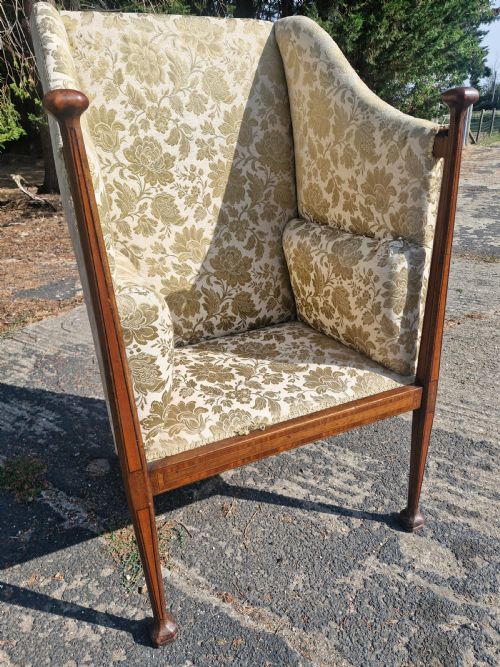
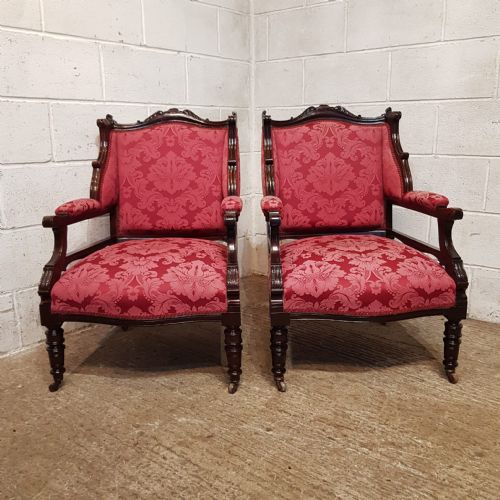
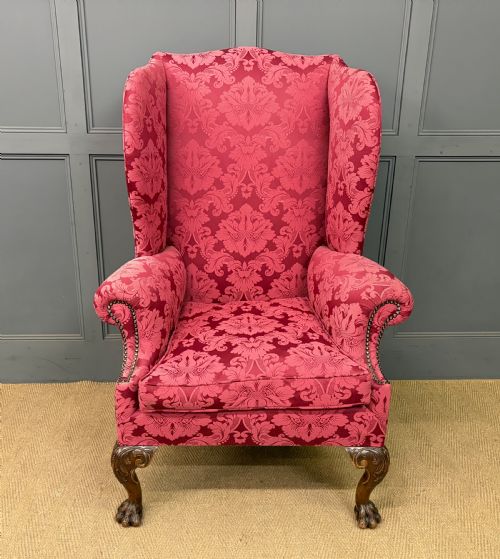
A vintage damask easy chair brings together sturdy timber frames and patterned textile upholstery from periods spanning the eighteenth century through to the early twentieth century. These armchairs include wingbacks, fireside seats, and low back designs rooted in Victorian, Edwardian, and earlier revival styles.
The versions most commonly met on this page range from nineteenth-century walnut and mahogany wing chairs to Edwardian upholstered armchairs. They serve as substantial seating options that combine traditional cabinetmaking with patterned textile coverings.
Makers such as Harrods, London demonstrate the commercial origins of certain pieces, while other items reflect vernacular or workshop production. Buyers encounter various interpretations of George II, Queen Anne, and Chippendale styles executed in hardwood frames.
Factors of quality and execution
The integrity of the hardwood frame dictates the structural longevity of the chair, with dense timbers like mahogany and walnut offering superior durability. Fine carving on the exposed wooden legs and arms distinguishes better examples from plain vernacular pieces.
The quality of the upholstery work and the choice of damask fabric influence the overall presence of the chair. Firmness of construction and the fidelity of revival styles, such as George II or Queen Anne interpretations, mark out superior seating.
Design styles span Art Nouveau, Queen Anne style, and Georgian style within nineteenth and twentieth-century armchairs.
Harrods London
The Vintage Damask Easy Chair Glossary
- Damask
- A reversible figured fabric with patterns formed by weaving, traditionally utilised for upholstery and heavy drapery. It provides the distinct patterned surface seen on these easy chairs.
- Wingback
- An armchair featuring protective side panels designed to shield the sitter from draughts near a fireplace. These extensions frame the upper back of the chair.
- Mahogany
- A durable tropical hardwood prized for its reddish-brown colour and stability in furniture construction. It forms the structural frame of many nineteenth-century seats.
- Walnut
- A dark, figured timber commonly employed in finer cabinetry and chair frames across various periods. It offers both strength and decorative grain patterns.
- Art Nouveau
- A decorative style prevalent around nineteen hundred characterised by organic, flowing lines and natural motifs. It influences the woodwork and shaping of specific armchairs on this page.
Vintage Damask Easy Chair: Frequently Asked Questions
What defines a vintage damask easy chair?
These pieces are upholstered armchairs featuring patterned damask fabric combined with wooden frames from the nineteenth and early twentieth centuries. They encompass wingbacks, fireside chairs, and reading seats designed for comfort.
They reflect various historical styles including Victorian, Edwardian, and revival designs like George II and Queen Anne. The combination of textile upholstery and hardwood framing defines their character.
How do I date a wing armchair?
Dating relies on examining the timber species, joinery techniques, and the stylistic cues of the wooden frame. Details such as carved cabriole legs or Edwardian proportions offer clues to the decade of manufacture.
Upholstery often dates from later restorations rather than the original construction period. Inspecting the exposed frame underneath provides the most reliable guide to age.
Where were these armchairs used?
Historically, they served as comfortable seating in drawing rooms, libraries, and bedrooms of substantial homes. Winged versions were placed near fireplaces to block cold draughts.
Today, they function as statement reading chairs or fireside seating in traditional and eclectic interiors. Their generous proportions require adequate floor space.
How do I care for damask upholstery?
Damask fabric requires gentle vacuuming with a soft brush attachment to remove dust without snagging the woven pattern. Professional cleaning is recommended for deeper maintenance to preserve the integrity of the textile.
Direct sunlight should be avoided to prevent fading of the patterned fabric over time. Keeping the wooden frame polished helps maintain the overall appearance.