




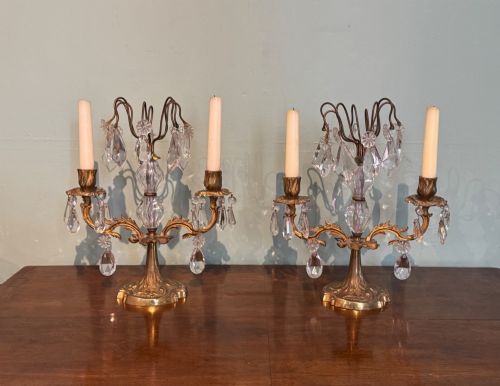
Vintage Cutting Table
When you search for a vintage cutting table, you are actually looking at diverse glass, silver and lighting items from the Victorian, Edwardian and Art Deco periods.
Vintage Cutting Table
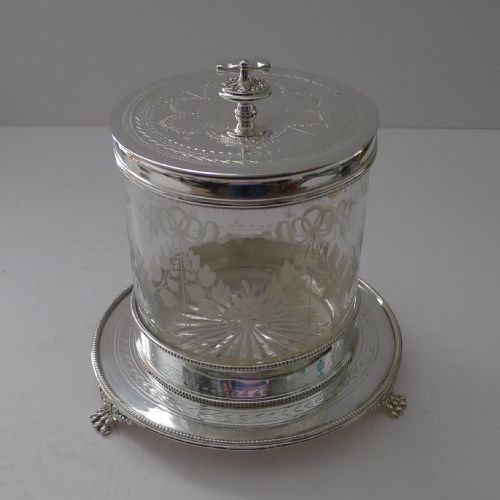
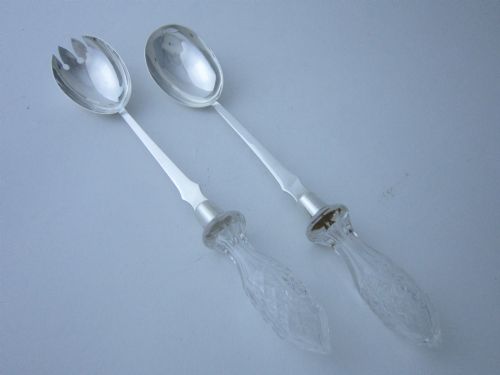
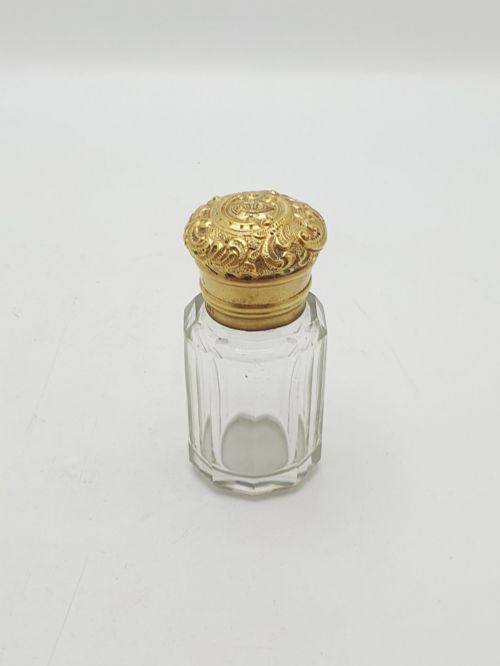
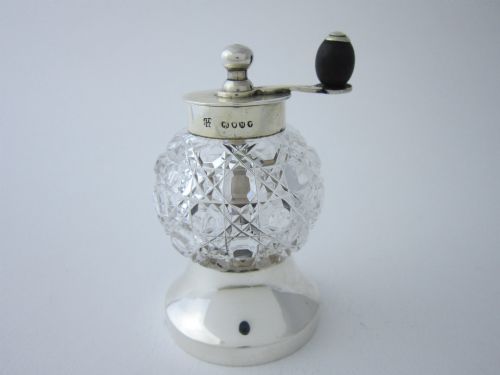
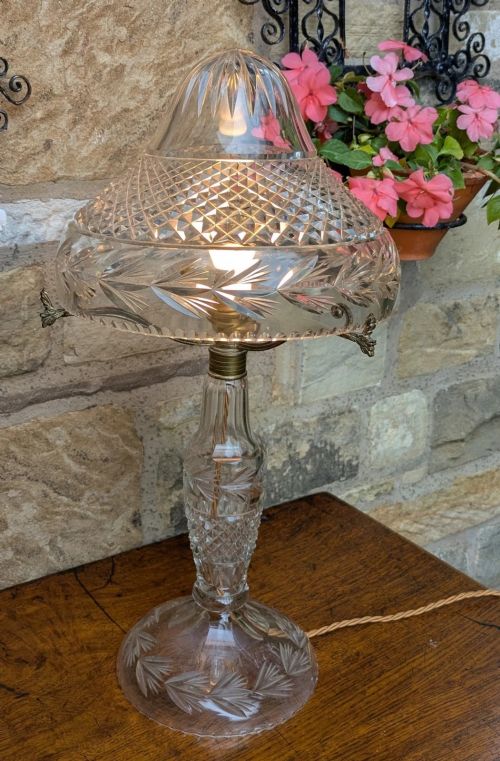
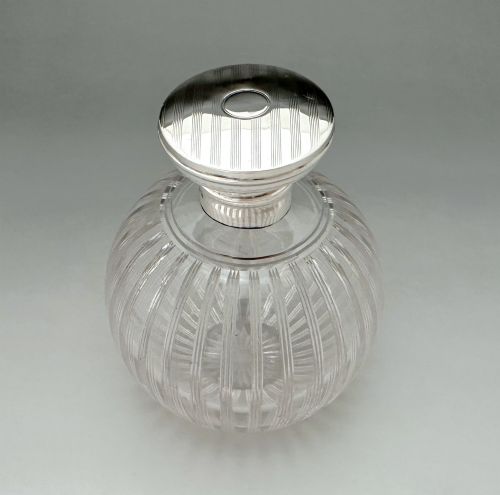
A vintage cutting table search leads buyers to domestic items spanning several decades and diverse styles, including Victorian, Edwardian and Art Deco pieces. The selection includes cruet sets, scent bottles, table lamps, oil lamps, vanity jars and centrepieces.
Most pieces date from the late nineteenth century through to the mid-twentieth century, showing influences from Georgian, George V, French Rococo Revival, French Belle Epoque and Neoclassical designs. Buyers frequently encounter table lamps, cruet sets and scent bottles in cut glass, crystal and silver.
The objects originate from various makers and workshops, recording domestic and decorative functions from eras defined by intricate craftsmanship. Pieces range from small dressing table jars to large table centrepieces and oil lamps with coloured shades.
Materials and Techniques
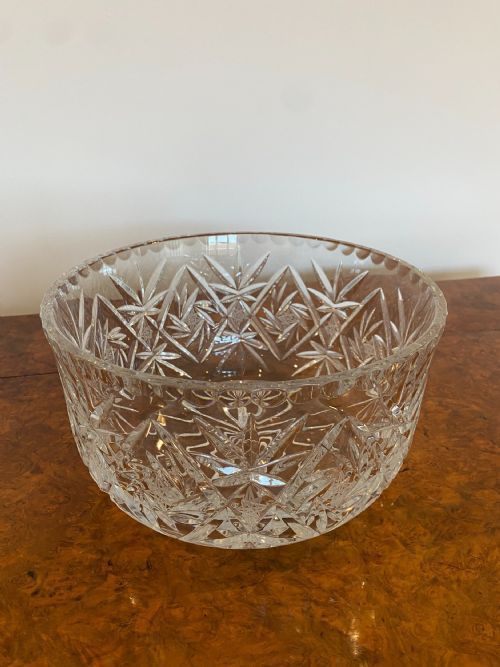
Makers utilised cut glass, crystal, sterling silver, silver plate, brass and enamel, frequently combining glass bodies with precious metal mounts, collars and stoppers. Hobnail cutting, geometric facets and flash-craying added texture and visual depth to glass vessels.
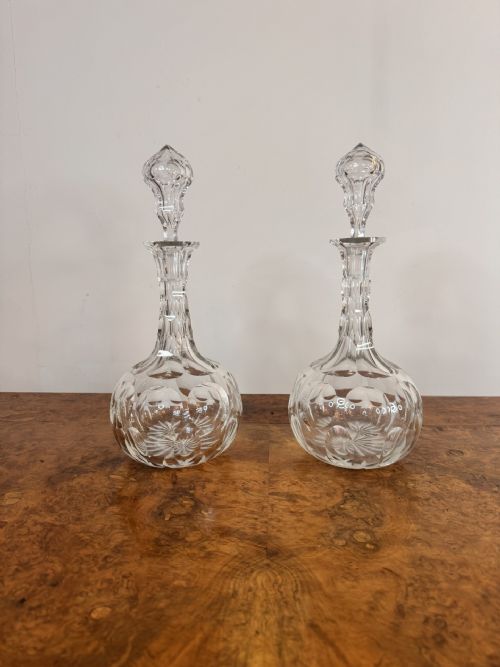
Metalwork involved casting, gilding and silver plating over base metals, alongside delicate guilloche enamel work applied to silver dressing table pots. Glass components were blown, moulded and hand-cut to create light-refracting surfaces on perfume bottles, decanters and lamp bodies.
Vintage Cutting Table Retail Price Guide 2026
Typical asking prices for vintage cutting table among the pieces listed under this phrase on Sellingantiques today, from the lower quarter to the upper quarter. They describe what is for sale here now, not the wider market.
Victorian travellers carried tiny glass perfume bottles with tight silver screw caps so their luggage did not smell like a French garden.
Assessing Quality
Quality rests on the crispness of the glass cutting, the weight and purity of the silver or gilt mounts, and the preservation of enamel or surface details. Heavier crystal bodies and precisely fitted silver collars indicate superior manufacture.
Artistic execution in decorative elements, such as intricate enamel patterns or finely cast bronze and brass bases, separates standard production items from finer studio or workshop output. Completeness of original components, such as stoppers and glass liners, influences the integrity of the piece.
Henry Clifford Davis·Stevens and Williams·Karl Palda·Henry Perkins
The Vintage Cutting Table Glossary
- Cruet set
- A matched collection of glass bottles or jars mounted in a metal frame for holding condiments at the dining table. These sets often include mustard pots, pepper grinders and oil cruets.
- Guilloche enamel
- A decorative technique where a precise geometric pattern is mechanically engraved beneath a translucent enamel layer. This finish frequently appears on Art Deco dressing table jars.
- Table lustre
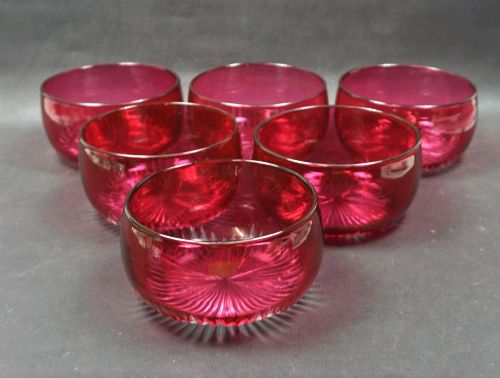
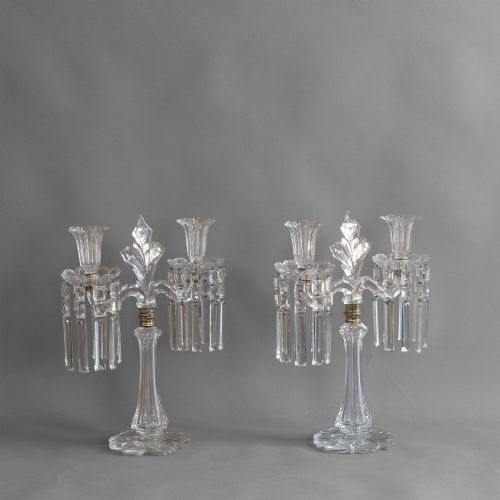
- A type of decorative glass candlestick or ornament hung with cut glass prisms designed to reflect candlelight. Victorian examples often feature coloured glass such as green or cranberry.
- Hobnail cut
- A raised, faceted diamond pattern cut into the surface of glassware to catch and refract light. It is commonly found on Edwardian biscuit barrels and heavy scent bottles.
- Oil lamp
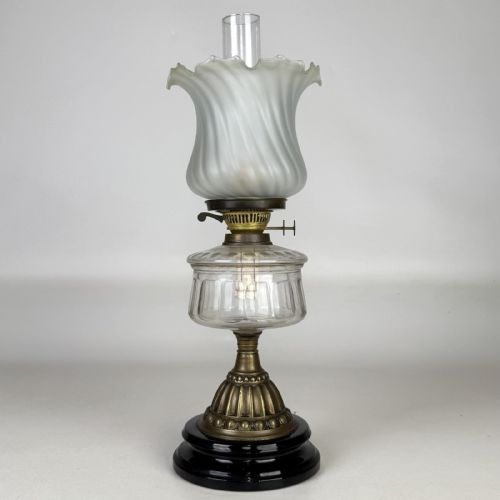
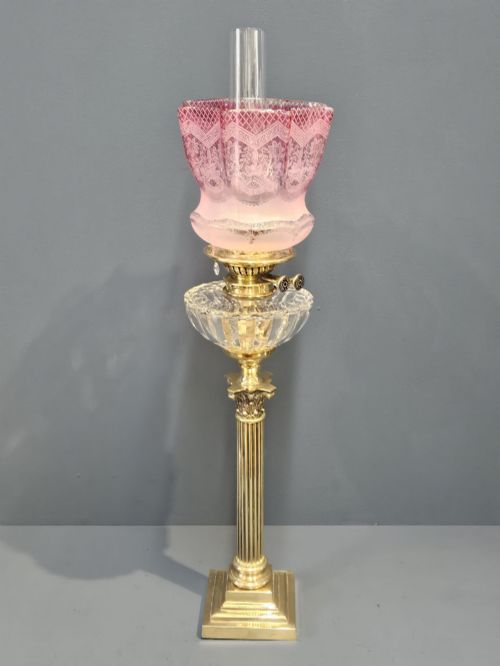
- A domestic lighting fixture utilising a fuel reservoir, burner and glass chimney, often fitted with a decorative ceramic, brass or glass column. Shades in cranberry glass or etched designs were standard.
Vintage Cutting Table: Frequently Asked Questions
How do I clean antique cut glass?
Wash glass items gently in warm soapy water using a soft cloth, avoiding abrasive pads that can scratch the surface. Rinse thoroughly and dry with a lint-free cloth to restore clarity to the cut facets.
Take care with pieces that feature silver mounts, sterling collars or enamel work, keeping moisture away from glued joints or vulnerable metal surfaces.
Were scent bottles used daily?
Victorian and Edwardian scent bottles were standard dressing table accessories used daily for perfumes and colognes. Their tight stoppers and silver collars prevented evaporation.
Finer examples with guilloche enamel or tortoiseshell lids served both a functional role and a decorative purpose in private dressing rooms.
What is a table centrepiece?
A centrepiece is a large decorative bowl, dish or stand placed in the middle of a dining table during meals. Nineteenth and early twentieth-century examples often combined cut glass inserts with silver plated or gilt bronze frames.
They were utilised to display fruit, flowers or ornamental arrangements for formal dining occasions.
How do I identify Art Deco pieces?
Art Deco items from the 1920s and 1930s display strong geometric lines, stylised motifs and vibrant enamel colours. Look for symmetrical forms in perfume bottles and dressing table jars.
Czech makers and English silversmiths of this era favoured streamlined profiles and contrasting materials like black glass, chrome and brightly coloured enamel.