



Vintage Cut Glass Pitcher
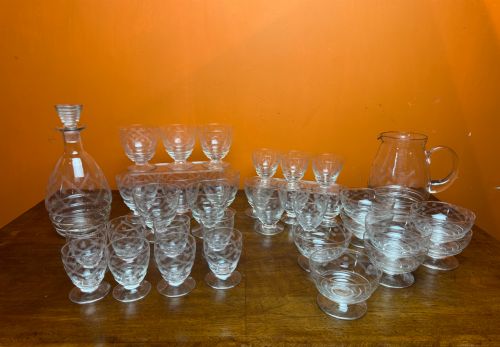
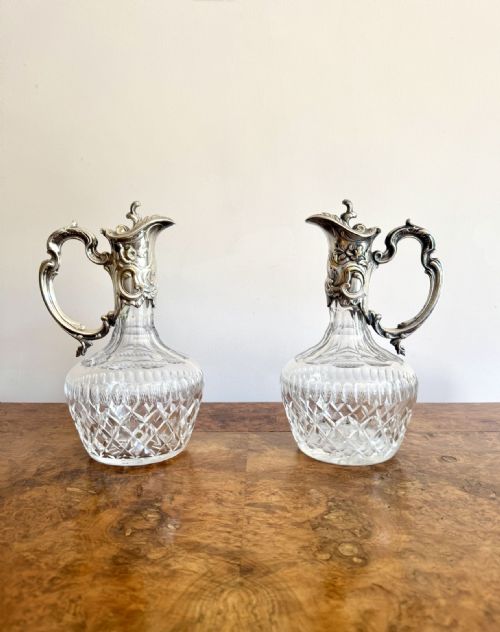
A vintage cut glass pitcher brings heavy lead crystal and bright silver mounts together for serving water, wine, or claret at the table.
Vintage Cut Glass Pitcher
A vintage cut glass pitcher encompasses heavy crystal vessels fashioned for water, wine, lemonade, and claret across the nineteenth and twentieth centuries. The selection draws heavily from Edwardian and Victorian production, alongside George V and Georgian examples.
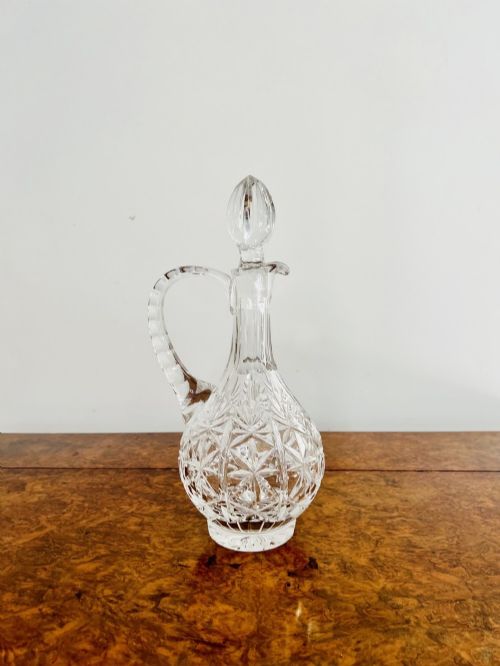
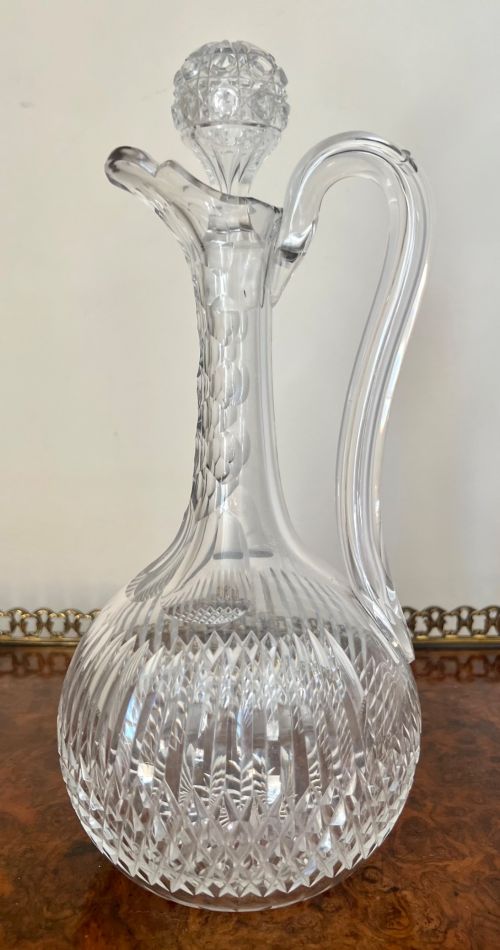
Forms include claret jugs, ewers, decanters, and whisky noggin designs intended for formal dining and sideboard service. Many pieces arrive combined with silver plate, sterling silver mounts, or internal ice tubes for chilling.
Origin points span English, Anglo-Irish, French, and Bohemian workshops, reflecting distinct regional cuts from pillar and prism patterns to deep brilliant-period geometric fluting.
Materials and construction
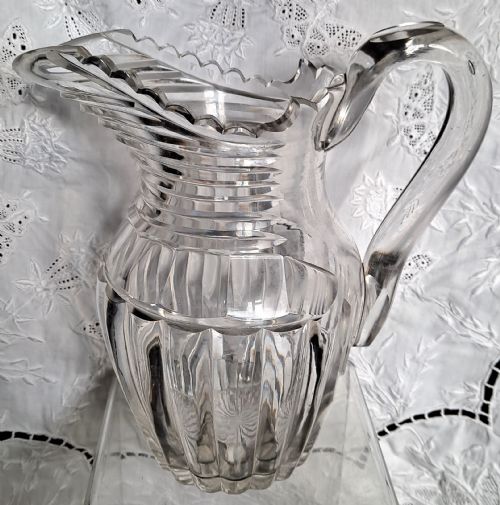
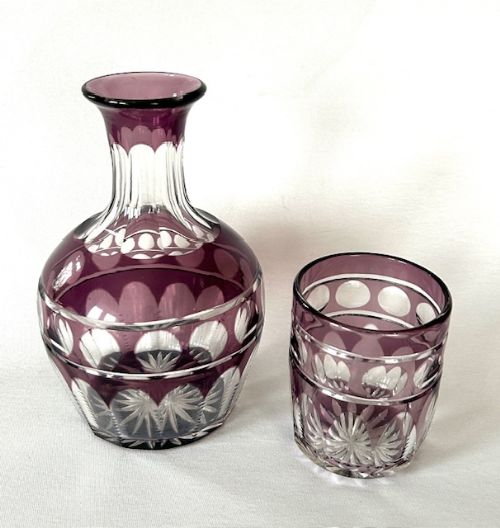
Vessels take shape from heavy lead crystal, clear glass, amethyst glass, and cranberry glass, shaped by blowing or moulding before cooling. Artisans then apply wheel-cutting techniques to carve deep prisms, flutes, and intricate motifs into the body.
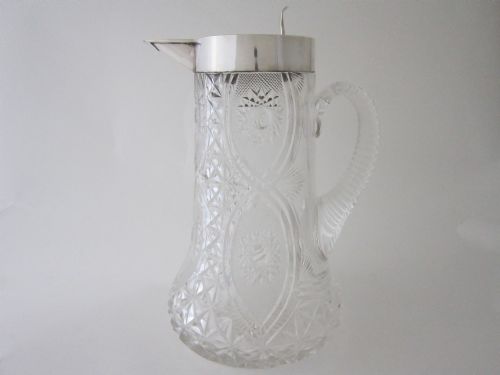
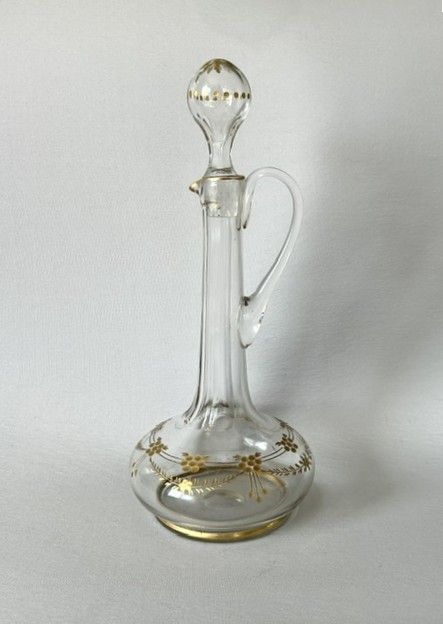
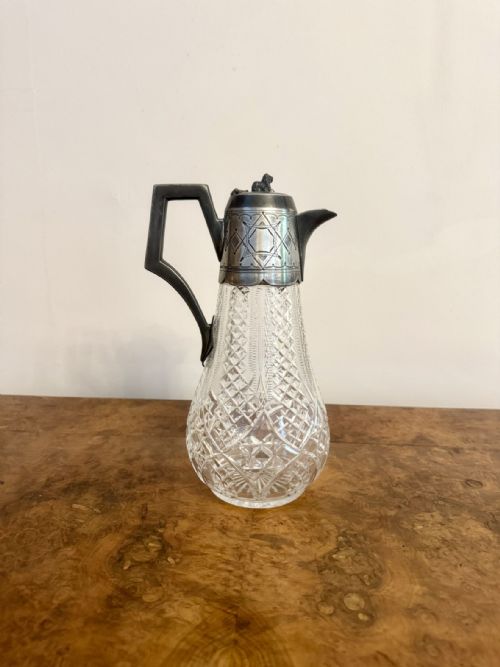
Metal mounts utilise sterling silver and silver plate, frequently bearing hinged lids, handles, and collars secured directly to the glass neck. Engraved decoration and intaglio work appear alongside gilding and applied silver ice tubes.
Some Victorian lemonade jugs hide a secret internal ice chamber so guests could enjoy chilled drinks without watery dilution.
Assessing the craftsmanship
Superior examples display crisp, deep wheel-cutting where edges remain sharp to the touch and the glass possesses high optical clarity without distortion or heavy clouding. The weight of the lead crystal dictates substantial heft, separating dense luxury wares from lighter moulded items.
Metal mounts contribute significantly to overall standard, where thick silver plating or solid sterling silver collars fit seamlessly against the contours of the glass neck. Maker attribution, such as work by Stevens & Williams, Webb Corbett, or Richardsons, elevates the standing of an individual piece.
Stevens & Williams·Webb Corbett·Richardsons·Mappin & Webb·Elkington & Co·Tiffany
The Vintage Cut Glass Pitcher Glossary
- Claret jug
- A specialised vessel designed specifically for serving red wine at table, usually fitted with a hinged metal lid and a pouring spout. These often incorporate elaborate silver-plated mounts.
- Ewer
- A large jug featuring a wide spout and an arched handle, historically utilised for water during formal washing or dining. The form dates back centuries but appears frequently in Edwardian cut glass.
- Intaglio
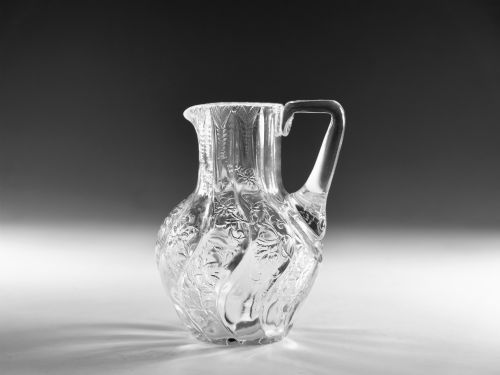
- A technique where designs are sunk below the surface of the glass rather than carved in relief. Artisans achieve this by meticulous wheel engraving.
- Ice tube
- A hollow metal cylinder inserted through the lid into the centre of the vessel to chill liquids without dilution. This addition is common in Victorian lemonade and Pimm's jugs.
- Pillar and prism cut
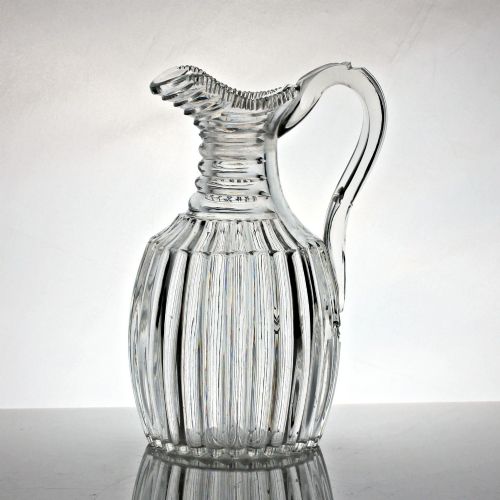
- A heavy geometric cutting style characterised by vertical flat planes that refract light strongly. It is typical of earlier nineteenth-century and Regency crystal.
Vintage Cut Glass Pitcher: Frequently Asked Questions
What is a claret jug?
A claret jug is a dedicated container for serving red wine, typically featuring a decorative handle and a hinged metal lid to keep the contents covered.
These pieces often combine cut glass bodies with silver-plated or sterling silver mounts designed during the Victorian and Edwardian eras.
How do I date a cut glass pitcher?
Dating relies on stylistic clues, the weight of the crystal, and any hallmarks stamped onto the silver mounts.
Victorian and Edwardian examples often feature deep brilliant cutting, while Georgian and Regency pieces tend to show simpler pillar, prism, or fluted patterns.
What was the ice tube used for?
An ice tube is a closed metal cylinder that drops down into the centre of the jug to keep drinks cool.
This clever addition prevents melting ice from watering down lemonade, Pimm's, or water during warm weather dining.
Can I use these pitchers for everyday dining?
These vessels are robust enough for occasional modern use, though hand washing is necessary to protect older glass and delicate silver mounts.
Many collectors prefer to display them on sideboards or utilise them specifically for special dinner parties and festive gatherings.