

Vintage Cut Glass Pendant
These vintage cut glass pendant options bring sharp refractive sparkle and period character to domestic ceilings and jewellery collections alike.
Vintage Cut Glass Pendant
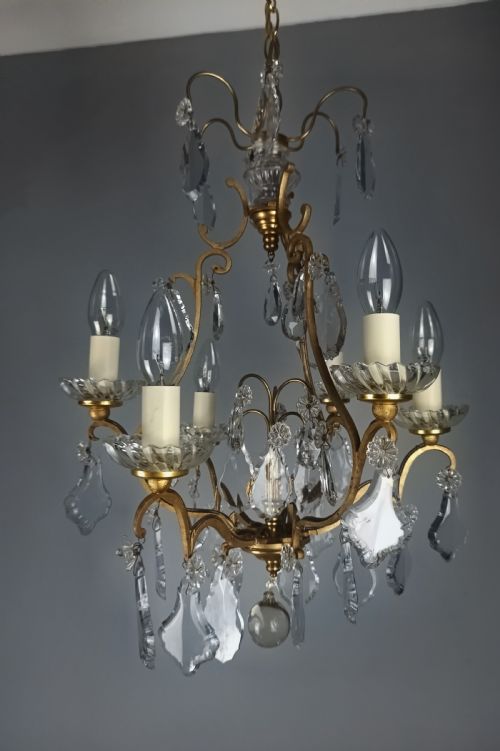
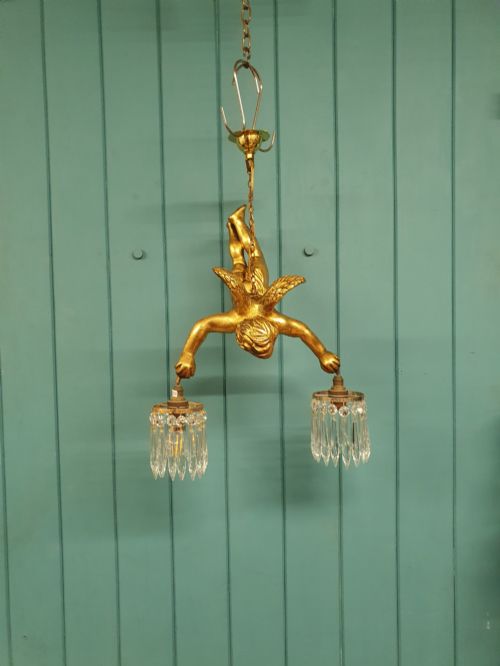
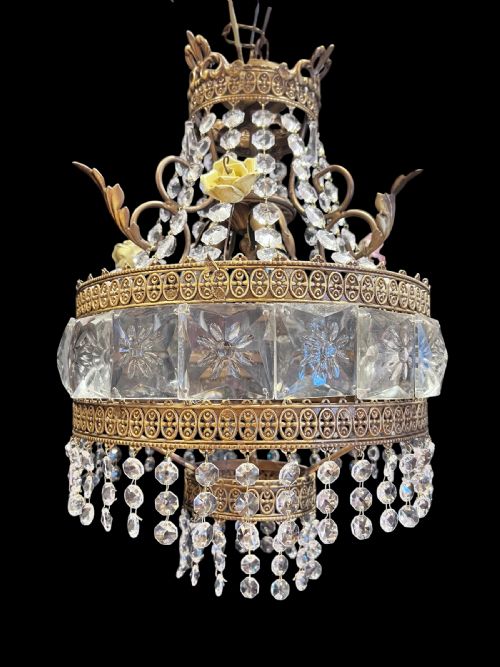
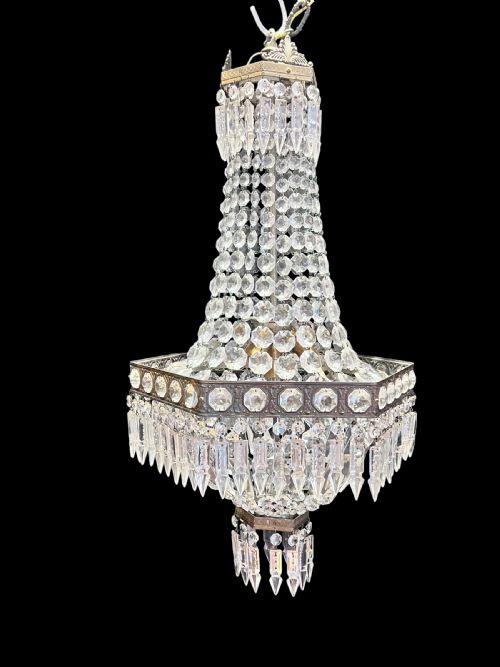
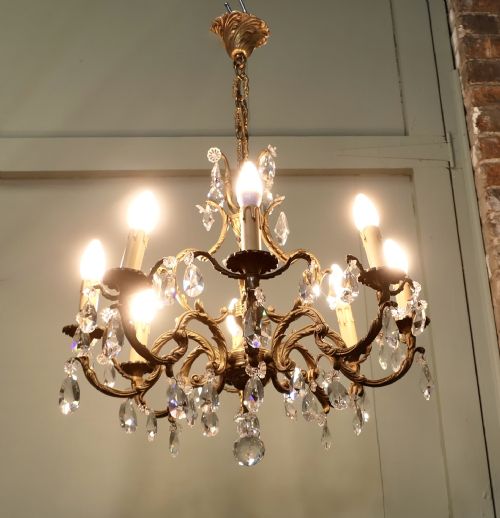
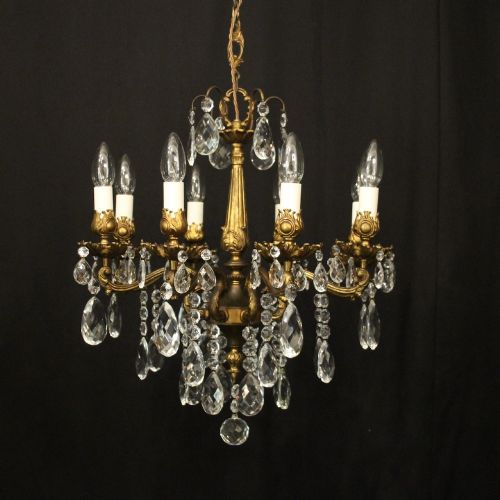
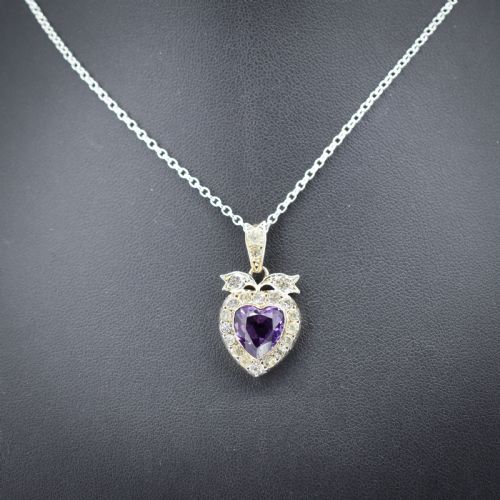
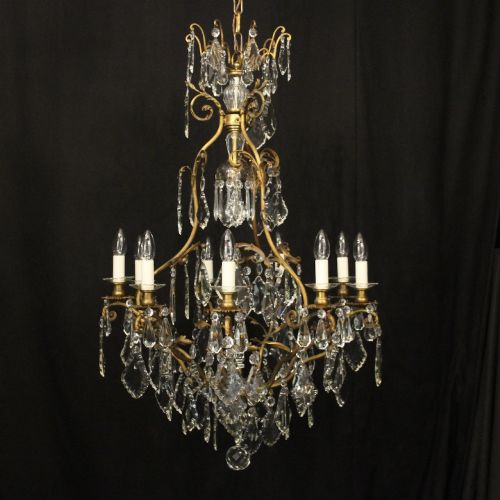
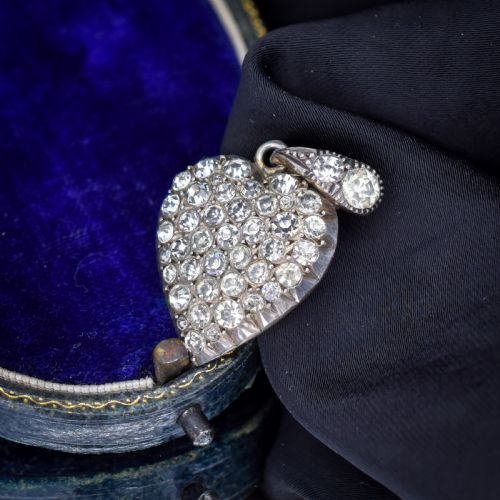
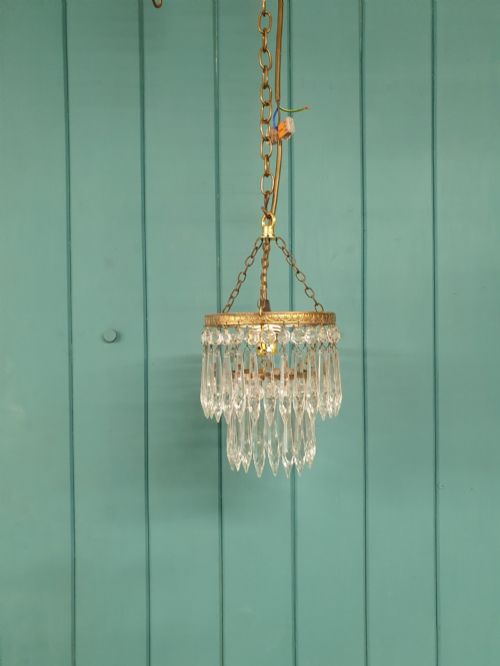
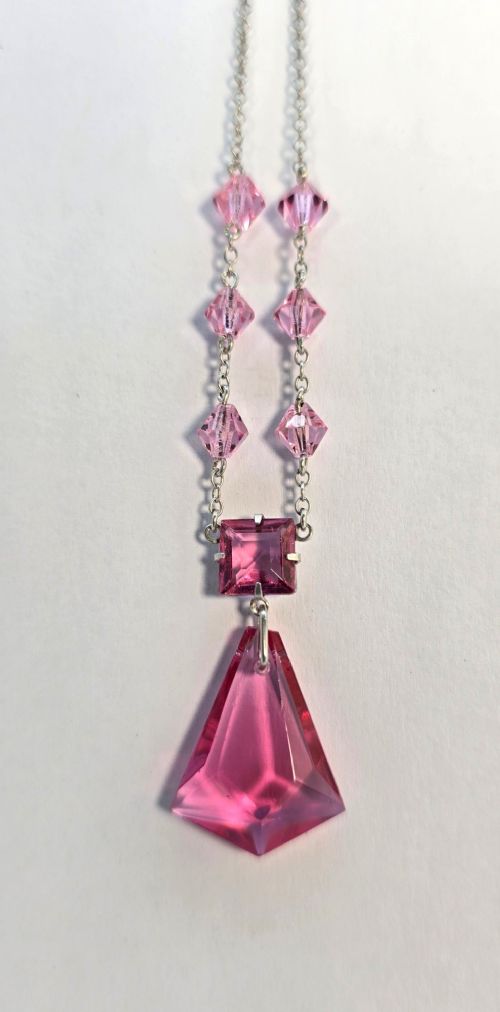
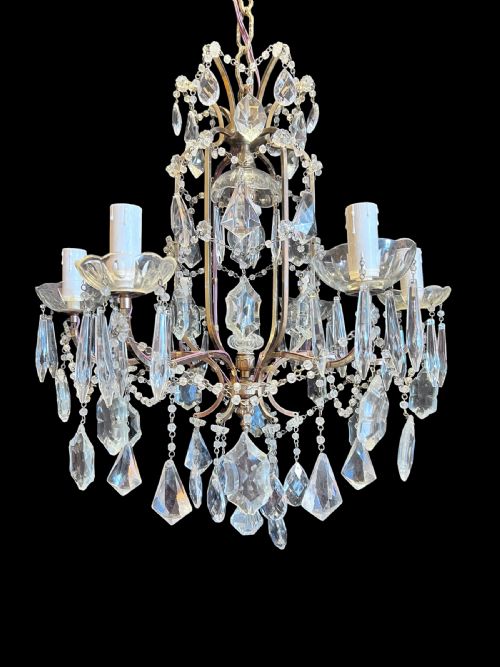
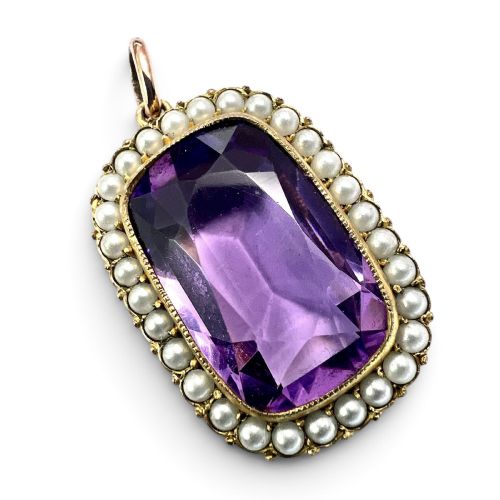
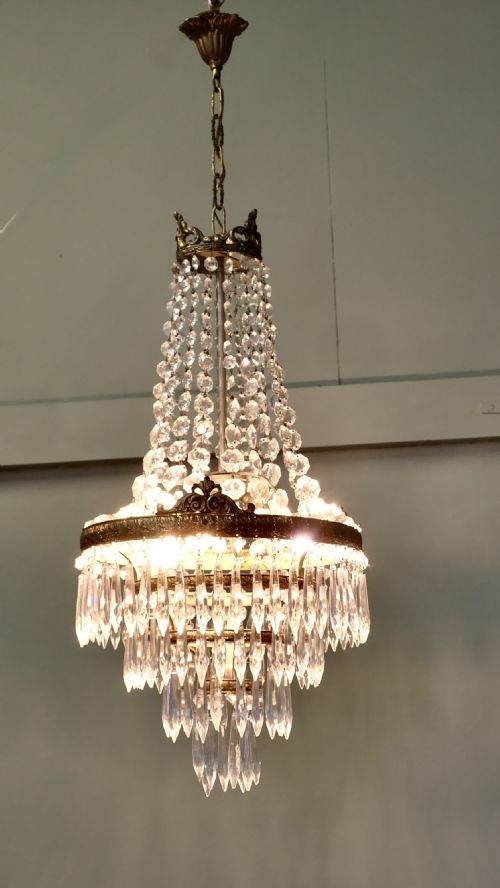
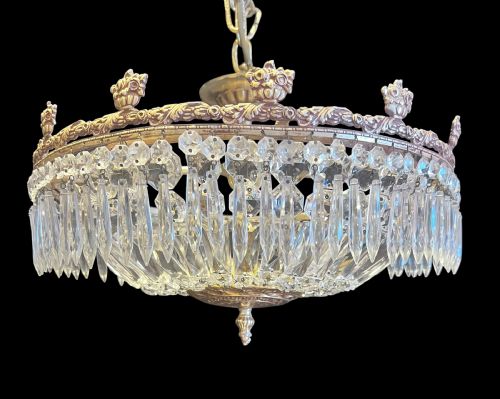
A vintage cut glass pendant encompasses both hanging ceiling light fixtures and personal jewellery items found across this inventory. The ceiling fixtures range from compact single light domes and basket plafonniers to multi armed crystal chandeliers spanning Edwardian and early twentieth century origins. Alongside these hang silver and paste necklaces, reflecting the broad interpretation of the search phrase.
The architectural lighting pieces predominantly feature brass or gilt metal frames supporting cut glass drops, spikes, and beads. Domestic jewellery pieces bring similar refractive qualities to silver settings using paste stones and cut crystal. Both categories bridge Victorian, Edwardian, and Art Deco design aesthetics.
Materials and construction
Metal frameworks provide the structural backbone for the lighting fixtures, utilising cast brass, bronze, and gilt metals often shaped into classical French or Edwardian motifs. Glass and crystal components are mechanically cut or hand cut to create sharp facets that maximise light dispersion. Silver mounts and sterling settings secure paste stones and crystal drops within the pendant necklace selection.
Individual glass drops, lustres, and spikes attach via wire loops to the main metal frames, allowing subtle movement and acoustic resonance. Plafonnier and dome designs integrate moulded or cut glass bowls directly into metal collars, while tent and bag chandeliers suspend dense cascades of crystal prisms from central hoops.
Lion masks peer from brass chandelier rings, keeping watch over centuries of illuminated dining rooms.
Assessing quality
Quality rests upon the depth and crispness of the facet cutting on the glass components, which determines how brilliantly the fixture or necklace captures and splits light. Superior examples display sharp, clean edges on every crystal prism and a heavy, dense metal chassis that maintains rigid alignment under tension.
The integrity of the mounting hardware and the uniformity of the glass elements signal superior manufacture. Original gilding patination, well preserved brass castings, and complete sets of matching crystal lustres separate finer period specimens from heavily altered or mismatched assemblies.
The Vintage Cut Glass Pendant Glossary
- Plafonnier
- A ceiling light fixture featuring a bowl or shallow dome mounted flush or close to the ceiling surface. These often incorporate cut glass or moulded crystal secured in metal frames.
- Lustre
- A cut glass or crystal pendant drop suspended from a chandelier or lighting fixture to catch and refract light. They appear in spear, spike, and drop configurations.
- Paste
- Hand cut glass or lead crystal used to imitate precious gemstones in antique jewellery. Old cut paste stones are set in silver or sterling mounts.
- Tent chandelier
- A lighting form characterised by rows of small crystal beads strung from a crown ring down to a wider lower band, creating a tent shape.
- Bag chandelier
- A lighting fixture where crystal drops form a solid bag or basket silhouette beneath the primary frame. They are frequently seen in French decorative schemes.
Vintage Cut Glass Pendant: Frequently Asked Questions
How do I hang a heavy brass and crystal pendant?
Ceiling pendants require secure anchoring into ceiling joists using appropriate metal hooks and load bearing fixings suited to the weight of the brass frame and crystal components. Professional electrical installation ensures the internal wiring safely supports the voltage requirements of the fixture.
Heavier multi arm chandeliers benefit from professional rigging to distribute the downward pull evenly across the ceiling structure. Lighter plafonniers and single light fixtures attach directly to standard electrical junction boxes with matching ceiling roses.
What is the difference between cut glass and crystal?
Cut glass relies on soda lime or standard glass compositions shaped with mechanical wheel cutting to produce refractive facets. Crystal typically incorporates lead oxide into the batch, producing a heavier material with higher optical dispersion and a resonant ring when struck.
Both materials appear frequently across Edwardian and Victorian lighting fixtures to achieve maximum brilliance. The presence of sharp, precise facet lines defines the quality of the cutting regardless of the base glass formula.
How should I clean a cut glass ceiling pendant?
Regular maintenance involves dusting the glass components with a soft microfiber cloth while the fixture hangs in place. For deeper cleaning, individual crystal drops can be unhooked and washed in warm water with mild detergent before careful drying.
Harsh chemical cleaners should be avoided to protect the original brass or gilt metal finishes surrounding the glass. Ensuring the power supply remains completely switched off during any cleaning process is essential for safety.
How do I date an Edwardian cut glass pendant?
Dating relies on examining the mounting hardware, fastener types, and electrical wiring components alongside stylistic motifs. Edwardian pieces often favour brass frames, specific basket configurations, and cut glass spikes typical of the early twentieth century.
Comparing the cut patterns and metal patina against known period examples helps narrow the production window. Maker marks, where present on the metal collars, provide further chronological markers.