



Vintage Cut Glass Flutes
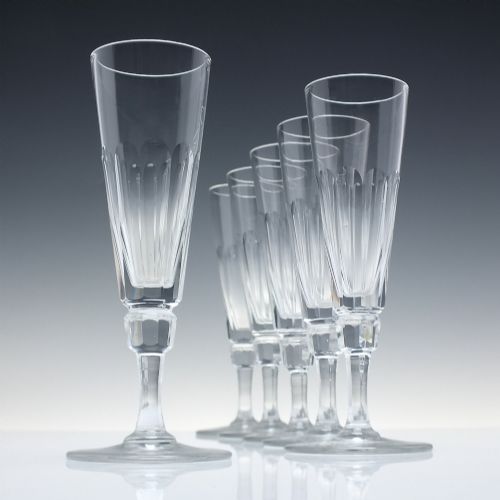
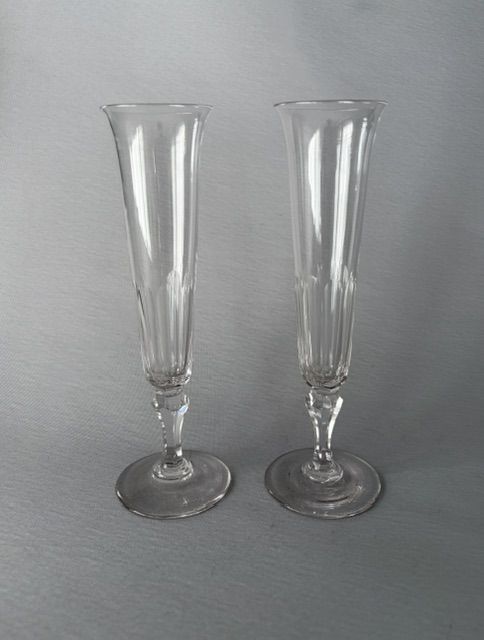
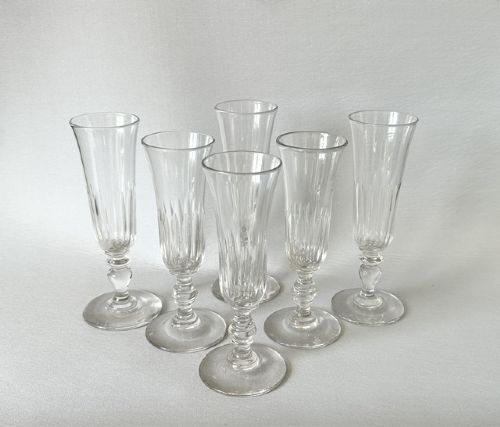
These vintage cut glass flutes bring bright clarity and crisp tactile detail to the table, formed from heavy crystal and shaped for sparkling celebrations.
Vintage Cut Glass Flutes
Vintage cut glass flutes span delicate Victorian champagne vessels and striking early twentieth-century modernist designs like the Wiener Werkstätte creations attributed to Otto Prutscher. These drinking vessels serve bubbly wines while displaying brilliant faceted surfaces that catch candle or daylight.
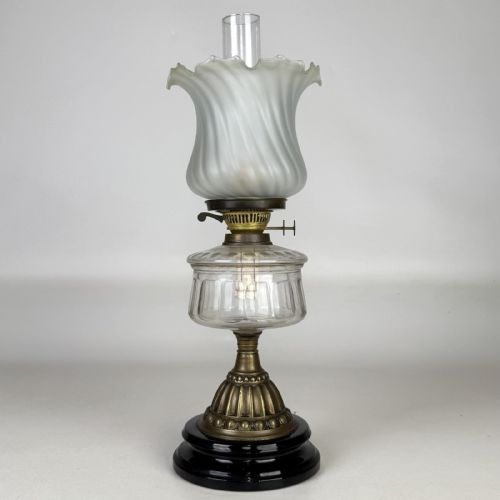
The selections on this page reach from late nineteenth-century productions into the Edwardian era, capturing the transition from ornate Victorian engraving to geometric Art Deco styling. Alongside actual champagne flutes, buyers frequently encounter related glassware forms such as rummers, jelly glasses, and tall table lamps.
What varies in quality
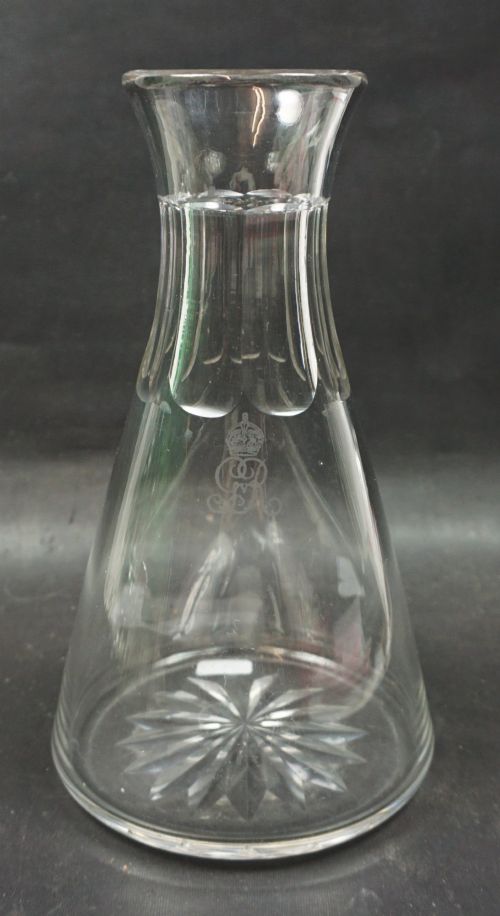
The distinction between standard domestic wares and exceptional studio pieces lies in the crispness of the wheel-cut facets and the weight of the crystal. Superior examples display sharp, clean edges to every cut without softening or wobbling in the geometric pattern.
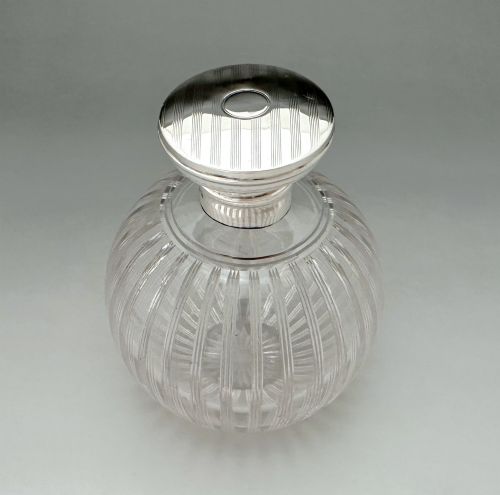
Design attribution and metalwork mounts also elevate certain specimens, particularly where sterling silver collars, silver gilt, or specialist designer inputs like those from the Wiener Werkstätte are present. The depth of the glass ring and the purity of the material determine the overall presence.
Vintage Cut Glass Flutes Retail Price Guide 2026
Typical asking prices for vintage cut glass flutes among the pieces listed under this phrase on Sellingantiques today, from the lower quarter to the upper quarter. They describe what is for sale here now, not the wider market.
Some nineteenth-century drinkers apparently enjoyed their spirits so intensely that makers reinforced the vessels with heavy silver-gilt spirit flasks.
Moser Crystal·Otto Prutscher·Wiener Werkstätte
The Vintage Cut Glass Flutes Glossary
- Cut Glass
- Glass decorated by grinding facets and patterns into the surface using rotating wheels. This technique creates sharp refractive edges that scatter light.
- Lead Crystal
- Glass containing a high lead oxide content, which increases weight, brilliance, and softness for deep cutting. It produces a distinct resonant ring when struck.
- Wiener Werkstätte
- An association of visual artists and designers established in Vienna, known for avant-garde decorative arts. Their output includes refined glassware with strong geometric lines.
- Rummer
- A large, sturdy drinking glass popular in the eighteenth and nineteenth centuries, often featuring a short stem and cut bowl. These vessels held ale, cider, or punch.
- Ormolu
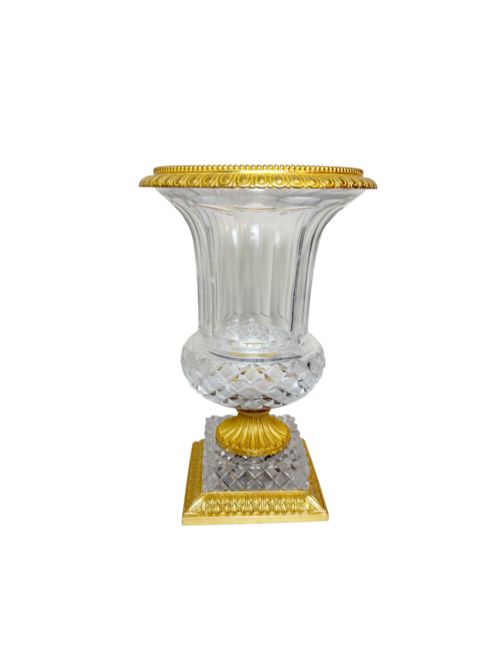
- Gilded bronze or brass used for mounts, bases, and decorative trim on lamps and glassware. It provides a rich golden contrast to clear cut crystal.
Vintage Cut Glass Flutes: Frequently Asked Questions
How do I clean vintage cut glass flutes?
Wash these delicate pieces gently by hand in warm water using mild soap, avoiding harsh abrasives that might scratch the surface or damage any silver mounts.
Dry them immediately with a lint-free cloth to maintain the brilliant sparkle of the cut facets without leaving water spots.
Can I use vintage flutes for champagne?
These historical vessels function well for serving sparkling wines, bringing period elegance and tangible weight to special occasions and formal dinners.
Handle them with care during toasts, remembering that nineteenth-century crystal can be heavier and more delicate than modern commercial glassware.
How do I tell Victorian flutes from Edwardian ones?
Victorian examples often display heavier, denser cutting with ornate floral or deeply crosshatched motifs, reflecting the decorative tastes of the mid to late nineteenth century.
Edwardian and later pieces frequently shift toward lighter proportions, cleaner lines, and anticipations of Art Deco geometry as seen in early twentieth-century designs.
What is lead crystal?
Lead crystal is a specialised form of glass containing metallic oxides that increase the material's weight, refractive index, and malleability for deep wheel cutting.
This composition gives antique glassware its characteristic heavy feel in the hand and its bright, prismatic scatter of light.