






Vintage Cupping Glasses
Vintage cupping glasses comprise medical and utility vessels formed in glass and silver.
Vintage Cupping Glasses
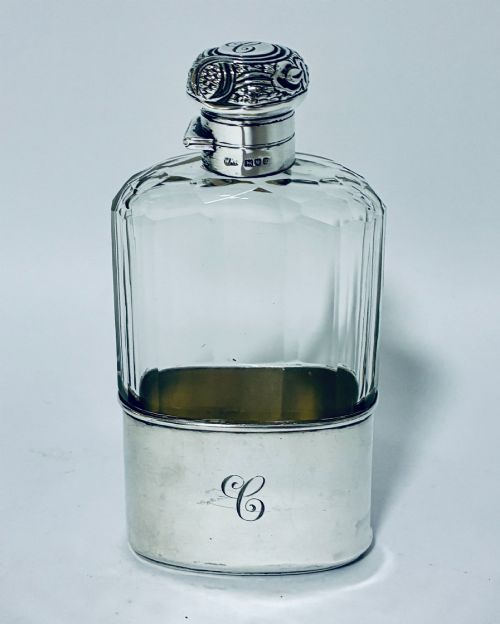
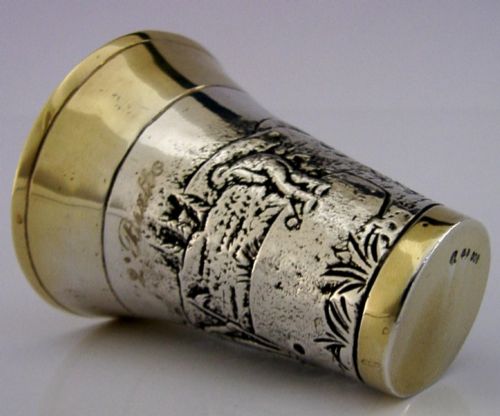
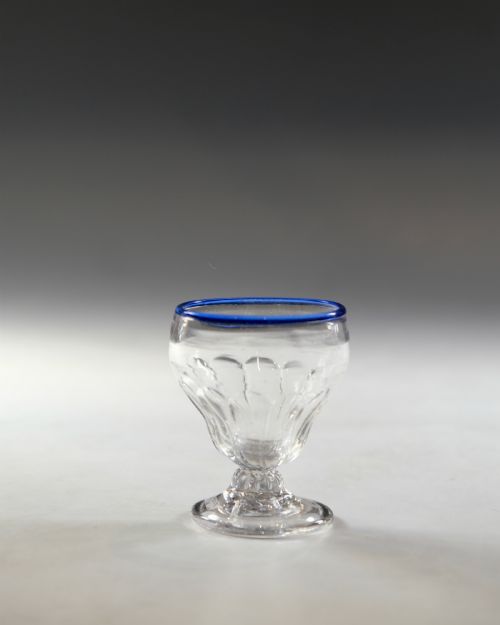
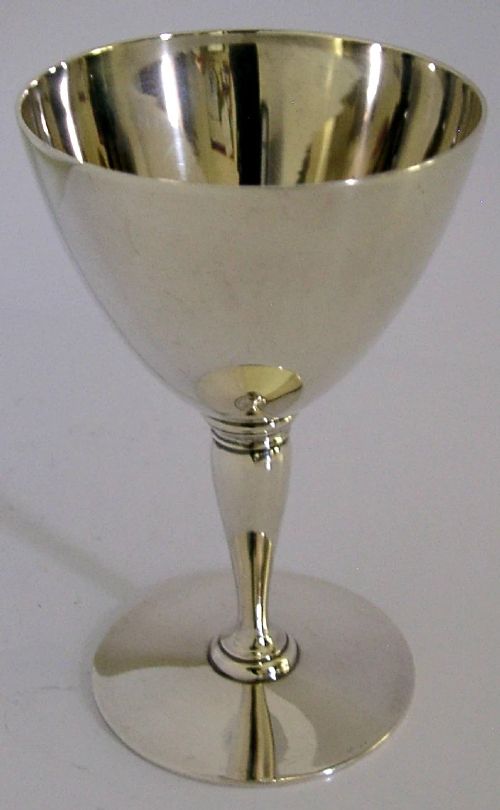
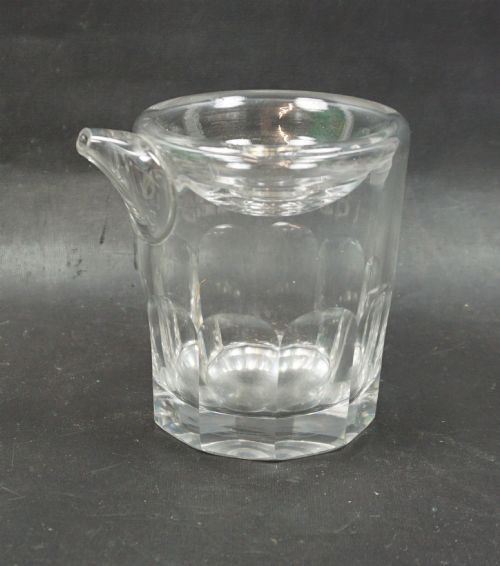
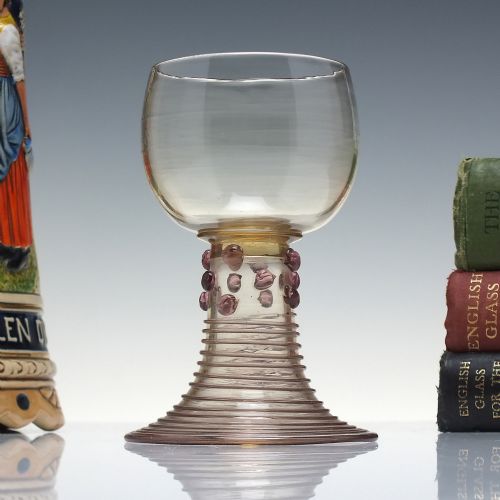
Vintage cupping glasses encompass medical kits and glass vessels originating from the eighteenth century to the twentieth century. These items include medical sets with sterling silver elements alongside various glass tablewares and flasks from the Victorian and Edwardian eras.
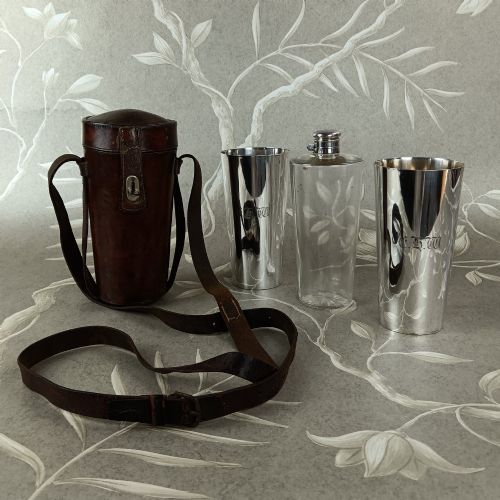
The objects meeting this search phrase frequently span medical and drinking vessel categories. Items range from Regency medical cupping sets to Edwardian travelling medical kits and glass containers.
How they were made
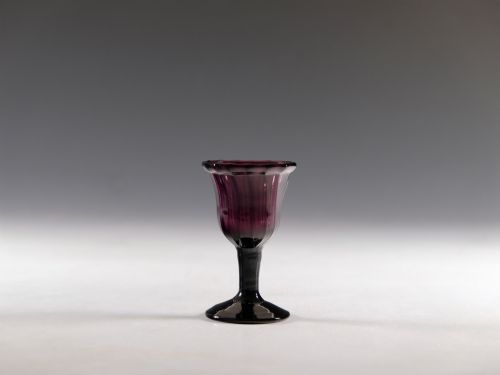
Makers utilised clear, lead, cut, cobalt, and coloured glass alongside sterling silver and silver plate. Metal components often received hammered finishes or engraved details.
Glass elements display acid etching, cutting, enameling, and wrythen moulding techniques. Leather appears on container exteriors alongside precious metals.
Vintage Cupping Glasses Retail Price Guide 2026
Typical asking prices for vintage cupping glasses among the pieces listed under this phrase on Sellingantiques today, from the lower quarter to the upper quarter. They describe what is for sale here now, not the wider market.
Medical kits tucked inside crocodile leather cases reveal that past travellers faced their ailments in absolute style.
What varies in quality
Quality rests in the precision of the cut glass facets and the weight of the sterling silver mounts. Makers applied careful detail to engraved decoration and fitted leather cases.
Completeness within fitted travelling sets and medical kits distinguishes superior examples. Maker marks on silver components indicate workshop origin.
John Millikin·James Dixon & Sons·Asprey London·Elkington·W A Ellwick Ltd
The Vintage Cupping Glasses Glossary
- Cut glass
- Glass decorated by grinding facets or patterns into the surface with a wheel. This technique creates reflective surfaces on nineteenth-century vessels.
- Sterling silver
- An alloy containing ninety-two point five percent silver by mass. British items often carry hallmarks indicating the assay office and year.
- Silver plate
- A base metal coated with a thin layer of silver. This material offered a bright finish for flasks and barware.
- Lead glass
- Glass containing lead oxide, which increases clarity and weight. It provides a resonant quality when struck.
- Cobalt glass
- Glass coloured deeply by the addition of cobalt oxide. The resulting hue is a vivid dark blue.
Vintage Cupping Glasses: Frequently Asked Questions
What are vintage cupping glasses?
Vintage cupping glasses comprise historical medical instruments and glass vessels created for therapeutic treatments or general utility.
These pieces typically date from the eighteenth to the early twentieth century and frequently incorporate fitted cases or metal mounts.
How were medical cupping sets used?
Medical cupping sets were utilised by practitioners for bloodletting and traditional therapeutic procedures. Cups were placed on the skin to create localized suction.
Kits often included specialised lancets and glass vessels designed for this practice.
How do I identify the period of a piece?
Period identification relies on material composition, manufacturing techniques, and assay hallmarks stamped on silver mounts. Stylistic indicators from Georgian, Victorian, and Edwardian eras also guide dating.
Matching specific maker marks provides precise dates for silver components.
How should silver and glass items be cleaned?
Cleaning requires mild soap and warm water applied gently to avoid damaging old glass surfaces or leather housings. Silver components benefit from appropriate non-abrasive polishes.
Harsh chemical immersions should be avoided to preserve historical patinas.