



Vintage Cupboard Unit
These vintage cupboard unit pieces bring domestic utility and storage together through centuries of timber work and metal construction.
Vintage Cupboard Unit
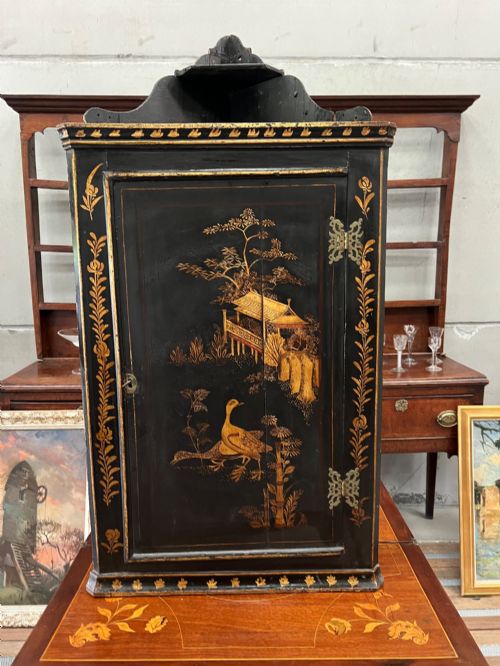
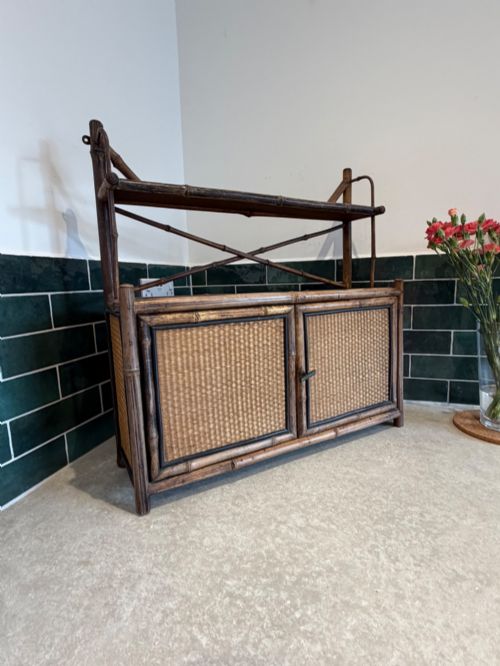
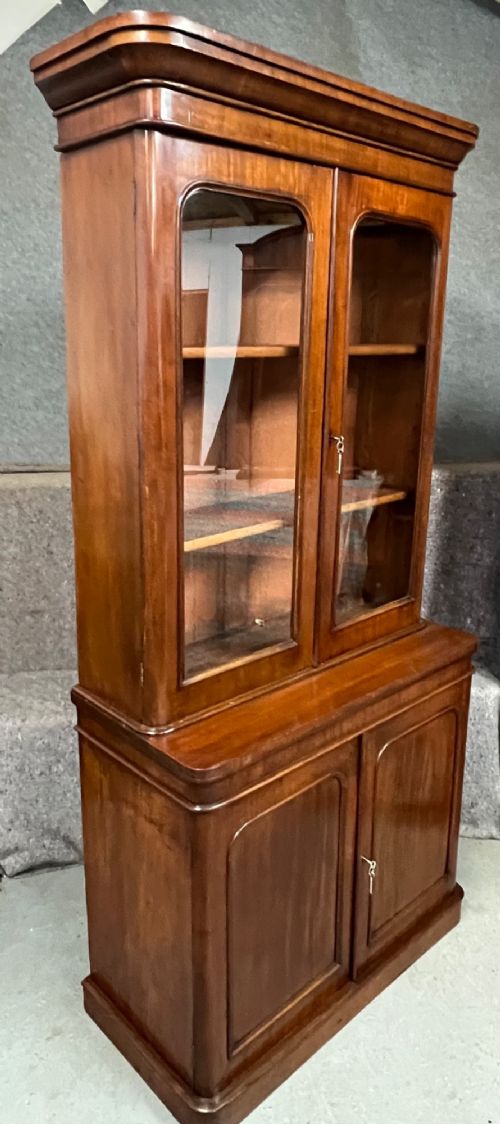
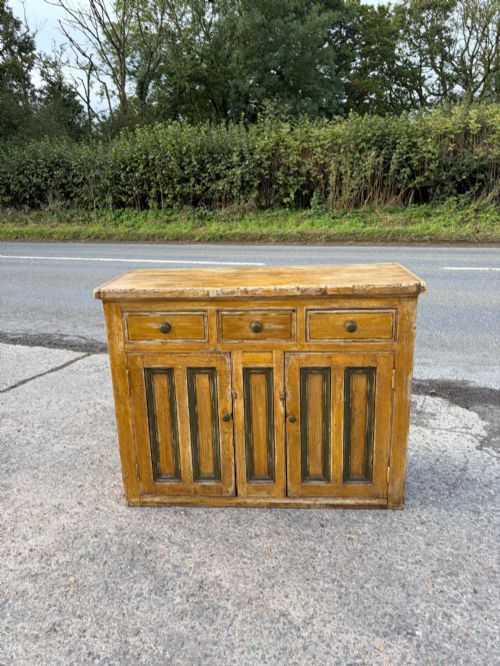
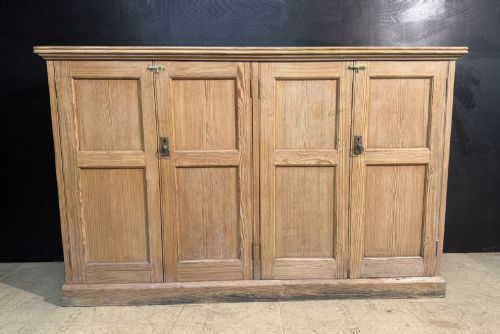
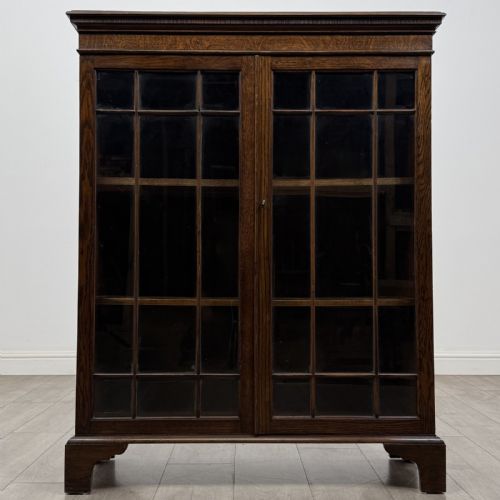
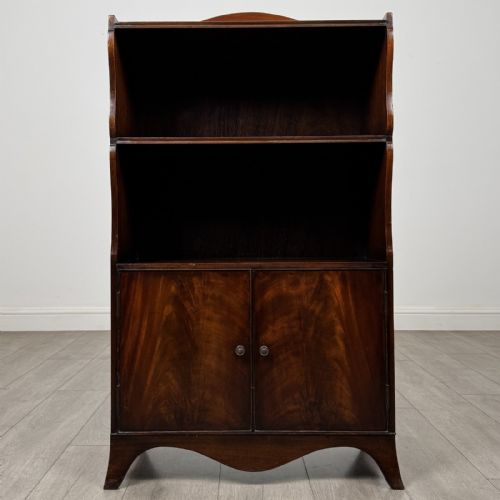
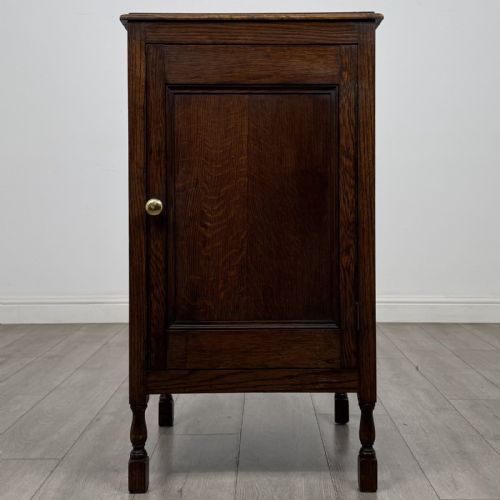
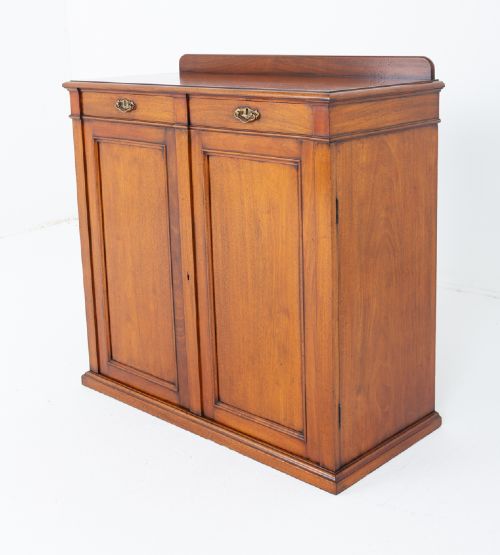
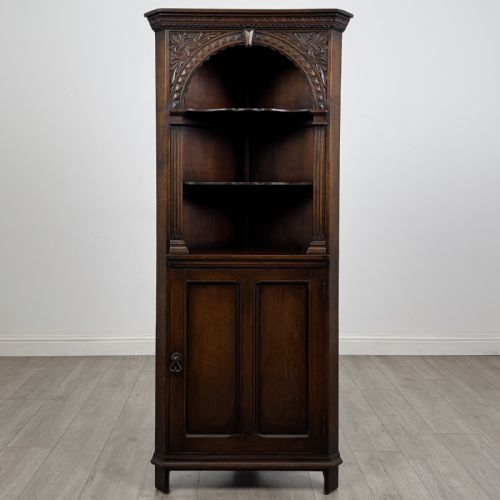
A vintage cupboard unit spans diverse forms from the nineteenth century into the twentieth century, taking shape as corner cupboards, bookcases, dressers, sideboards, and wall cabinets. The selection relies heavily on oak, pine, and mahogany constructions shaped across Victorian, Edwardian, and Georgian periods, alongside early twentieth-century interpretations.
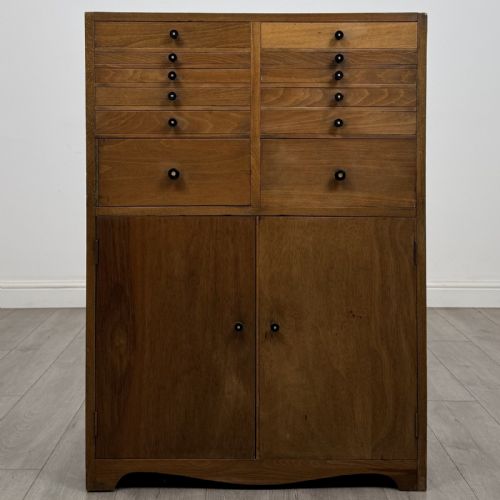
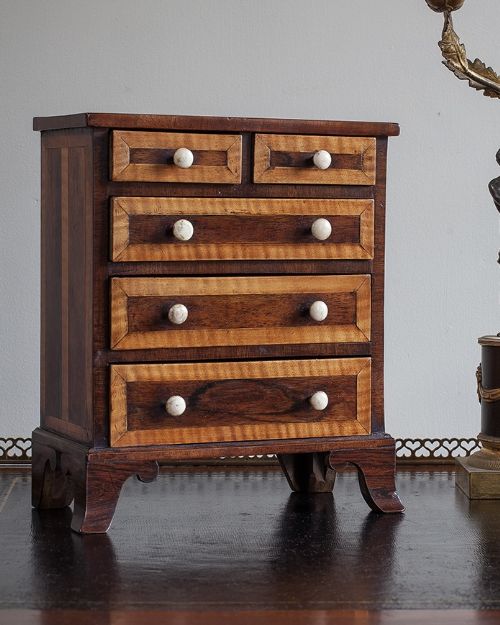
Buyers encounter numerous regional and functional iterations, ranging from painted pine kitchen dressers and larder cupboards to mahogany display cabinets and oak record cabinets. Smaller pieces such as miniature chests of drawers and apprentice pieces also appear alongside larger industrial metal cupboards and fitted storage units.
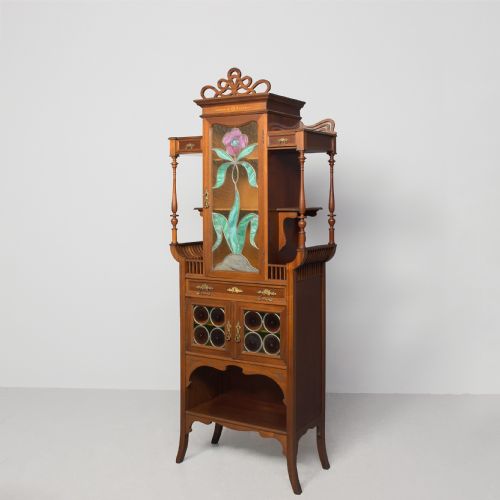
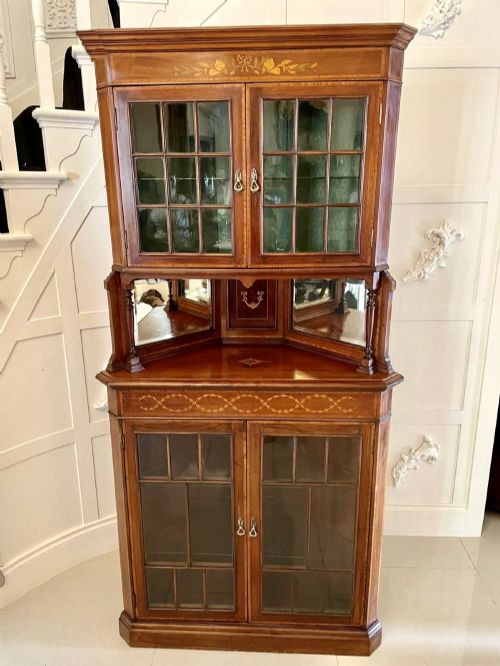
The prevalent items on display balance domestic storage needs with period aesthetic movements, encompassing Jacobean Revival oak, Arts and Crafts glazed cabinetry, and Edwardian inlaid mahogany. These functional containers reflect the domestic habits of past households through dedicated compartments, glass panels, and brass hardware.
Materials and construction methods
Timber selection dictates the structural foundation of these pieces, utilising solid oak, pine, and mahogany for frames, shelving, and panel doors. Cabinetmakers employed traditional joinery techniques to house glass panels, construct drawers, and mount brass and iron hardware.
Surface treatments vary between original painted finishes on pine kitchen furniture and polished mahogany veneers featuring inlaid details. Specialised interiors incorporate milk glass linings, tiered shelving, and leaded glass elements to serve specific storage functions.
Vintage Cupboard Unit Retail Price Guide 2026
Typical asking prices for vintage cupboard unit among the pieces listed under this phrase on Sellingantiques today, from the lower quarter to the upper quarter. They describe what is for sale here now, not the wider market.
Miniature apprentice chests served as miniature portfolios for woodworkers proving their skills to prospective guilds.
Markers of construction quality
The distinction between tiers of quality rests on the integrity of the timber framing and the precision of the joinery used in doors, drawers, and cornices. Superior examples display thoughtful proportions, well-fitted internal shelving, and harmonious integration of decorative elements such as inlay and carving.
Hardware retention and surface preservation strongly influence the character of each piece. Original brass face handles, intact glass panes, and undisturbed painted or polished finishes distinguish examples that retain their complete period integrity.
Liberty·Luxmore of Ilfracombe
The Vintage Cupboard Unit Glossary
- Bookcase
- A piece of furniture featuring open shelving or glazed doors designed specifically for storing books. These often include raised galleries or lower cupboard sections.
- Corner Cupboard
- A storage unit shaped specifically to fit into the corner of a room, maximising spatial efficiency. They appear in both hanging wall formats and floor-standing tall designs.
- Dresser Base
- The lower portion of a kitchen or dining room storage unit, typically combining cupboards and drawers beneath a flat top surface.
- Apprentice Chest
- A small-scale model of a chest of drawers constructed by a woodworker to demonstrate mastery of the craft. These diminutive pieces mirror the proportions of full-sized furniture.
- Linenfold
- A style of wood carving that mimics the appearance of folded linen fabric, frequently seen on panels of Edwardian oak cabinets.
- Waterfal Bookcase
- A stepped shelving unit where each successive shelf is narrower than the one below, creating a cascade effect popular in mahogany pieces.
Vintage Cupboard Unit: Frequently Asked Questions
What is a vintage cupboard unit?
A vintage cupboard unit is a functional piece of wooden or metal furniture designed for storage, encompassing styles from Victorian, Edwardian, and Georgian eras.
These items range from large pine dressers and mahogany bookcases to compact corner cabinets and multi-drawer storage chests.
How were old corner cupboards used?
Corner cupboards served to utilise awkward room junctions for displaying china or concealing household provisions.
Their triangular footprints allowed households to maximise floor space in dining rooms and parlours while keeping contents dust-free behind wooden or glazed doors.
How do I care for antique pine furniture?
Antique pine requires stable indoor humidity levels to prevent timber warping or cracking in dry environments.
Regular dusting with a dry cloth protects painted or waxed surfaces from accumulating grime without stripping the historical finish.
How can I tell the period of a cabinet?
Dating relies on examining the timber species, construction joinery, hardware types, and stylistic decorative motifs.
For instance, heavy mahogany and dark oak suggest Victorian or Georgian origins, while lighter satinwood inlay and leaded glass often point toward the Edwardian period.