


Vintage Crystal Perfume Flask
A vintage crystal perfume flask holds the essence of an earlier dressing table, combining precision glass with precious metal mounts.
Vintage Crystal Perfume Flask
A vintage crystal perfume flask represents a tangible link to dressing tables of the late nineteenth and early twentieth centuries. These vessels served to hold liquid scents and colognes, often designed for travel or prominent display on a vanity tray.
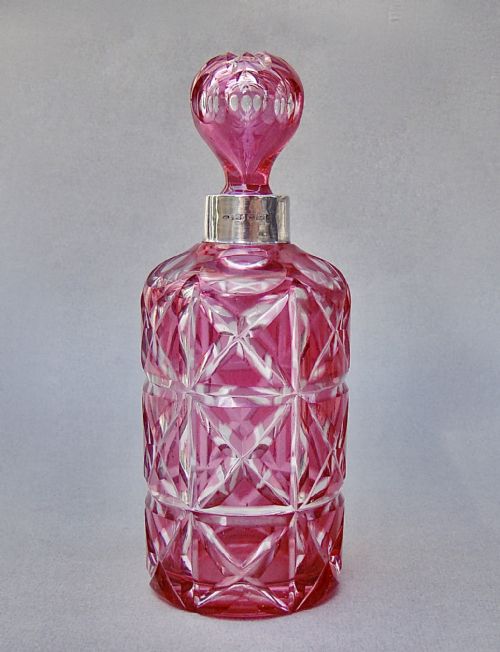
The selection here encompasses forms spanning the Victorian era through the Art Deco period. Buyers will encounter clear cut crystal alongside coloured glass variants, each fitted with metalwork ranging from simple sterling silver lids to elaborate enamel collars.
How they were made
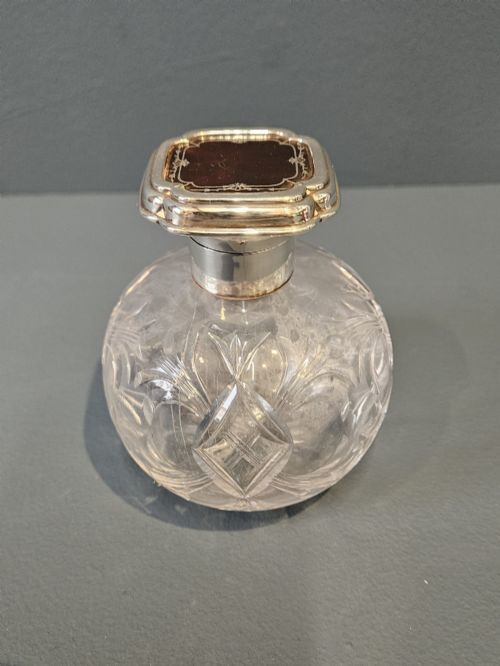
The construction of these flasks relies on heavy glass cutting or moulding techniques paired with metal smithing. Artisans shaped crystal bodies through wheel-cutting or press-moulding to create faceted or patterned surfaces that caught the light.
Silver mounts, hinged lids and collars were fabricated separately and secured to the glass neck. Skilled hands often applied guilloche enamel, tortoiseshell panels or coloured glass overlays to enrich the exterior decoration.
Some Edwardian travellers carried miniature crystal flasks equipped with locking silver caps to prevent expensive scents escaping mid-journey.
What varies in quality
Quality in these flasks rests upon the clarity and weight of the crystal body and the precision of the metal mounts. Heavier cut glass with deep, sharp facets distinguishes superior examples from simpler moulded glass counterparts.
The refinement of the decorative elements dictates the upper tier of the range. Intricate guilloche enamel work, undamaged tortoiseshell inlays and fully hallmarked silver closures elevate a piece far beyond standard utilitarian production.
Harold Bushell & Co·Karl Palda·Rene Lalique·Barnsley & Co·S. Morden & Co
The Vintage Crystal Perfume Flask Glossary
- Guilloche enamel
- A decorative technique where a geometric pattern is engraved beneath a translucent layer of coloured enamel. This method creates a shimmering effect frequently seen on Edwardian and Art Deco pieces.
- Cut crystal
- Glass containing lead oxide that is hand-cut and polished to maximise brilliance and light refraction. The resulting deep facets define many luxury scent bottles from the Victorian period onwards.
- Overlay glass
- A method where a layer of coloured glass is fused over a clear or contrasting base layer before sections are cut away. This process reveals the contrasting underlayer in complex patterns.
- Tortoiseshell
- The mottled brown and amber shell of certain turtle species used historically for decorative inlays and lids. It provides a warm, organic contrast to polished silver and clear glass.
Vintage Crystal Perfume Flask: Frequently Asked Questions
How do I clean an old perfume bottle?
Resist submerging pieces with tortoiseshell or enamel in water, as moisture can damage organic inlays and weaken historical adhesives.
Use a damp cotton bud to gently wipe interior residue, keeping liquids well away from any fitted metal collars.
Are these flasks safe for modern perfume?
Most historical stoppers and cork seals degrade over time and may not form an airtight closure for liquid storage.
Enjoy them primarily as decorative vanity objects rather than reliable daily scent dispensers.
How do I date a silver mounted flask?
Examine the metal mounts for British hallmarks, which typically include assay office marks, date letters and maker's initials.
Comparing the glass silhouette and decorative motifs against known Art Deco or Victorian styles also helps narrow the production window.
What caused the coloured staining on some Lalique glass?
Makers like Rene Lalique often applied dark patination or enamel stains into the recessed details of moulded designs.
This technique created contrast and depth, making the low-relief motifs stand out against frosted crystal backgrounds.