


Vintage Crystal Drops Lamp
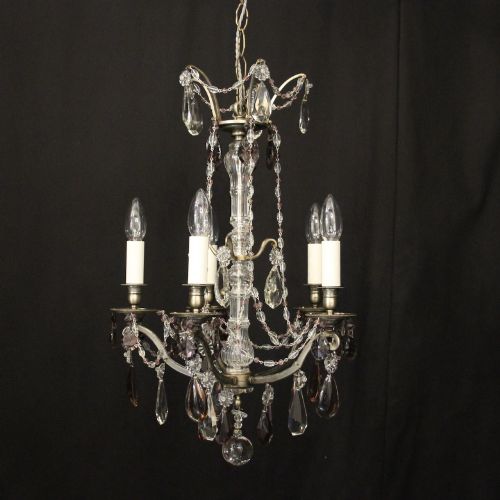
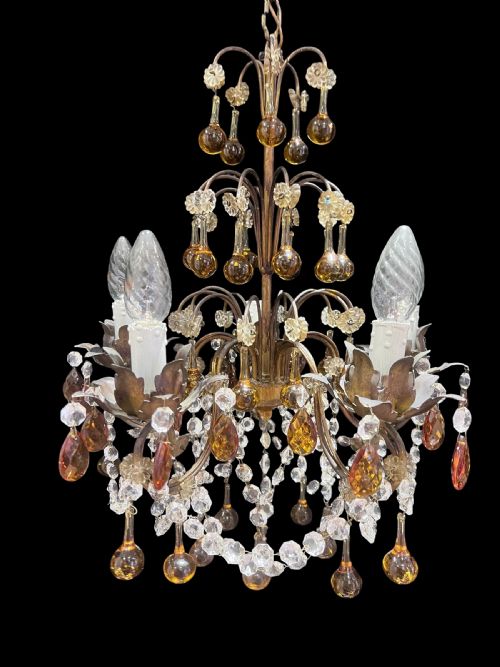
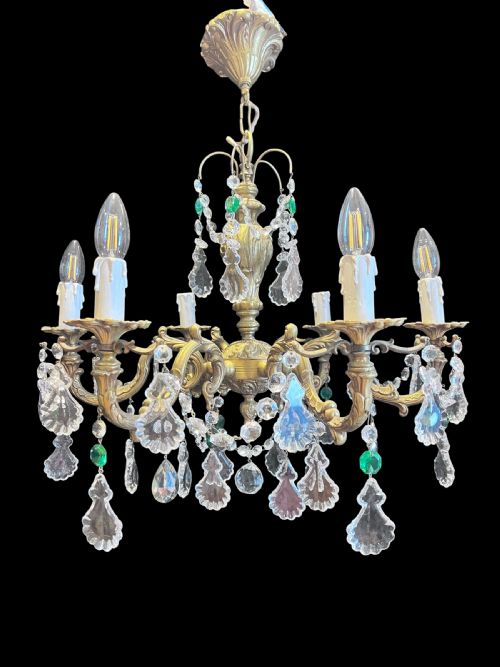
These vintage crystal drops lamp options bring period sparkle and distinct light projection to a room, combining brass or gilt metal frames with cut glass.
Vintage Crystal Drops Lamp
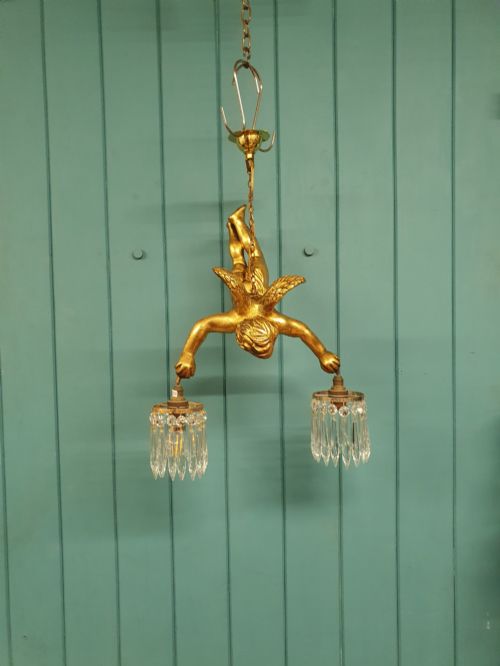
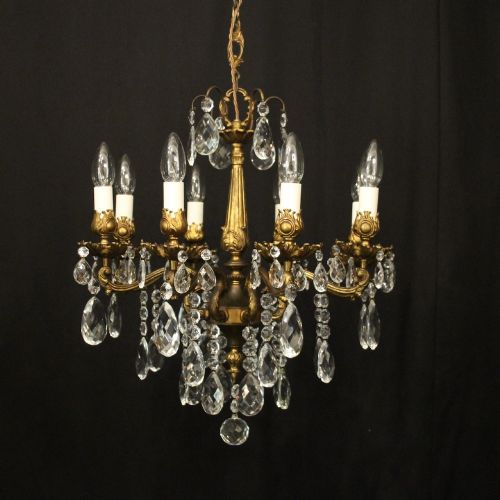
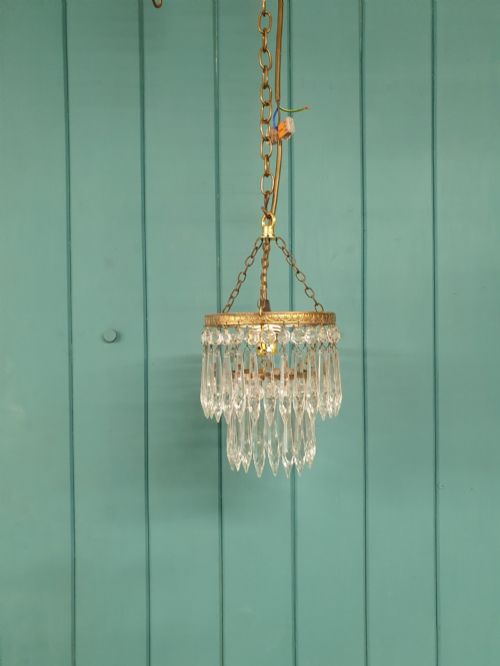
When you search for a vintage crystal drops lamp, you are looking at illumination fixtures that use glass and crystal pendants to refract and scatter light around a space. The pieces available here span the late nineteenth century through to the nineteen-thirties, covering Victorian, Edwardian, and Art Deco periods alongside French Empire and Rococo styles.
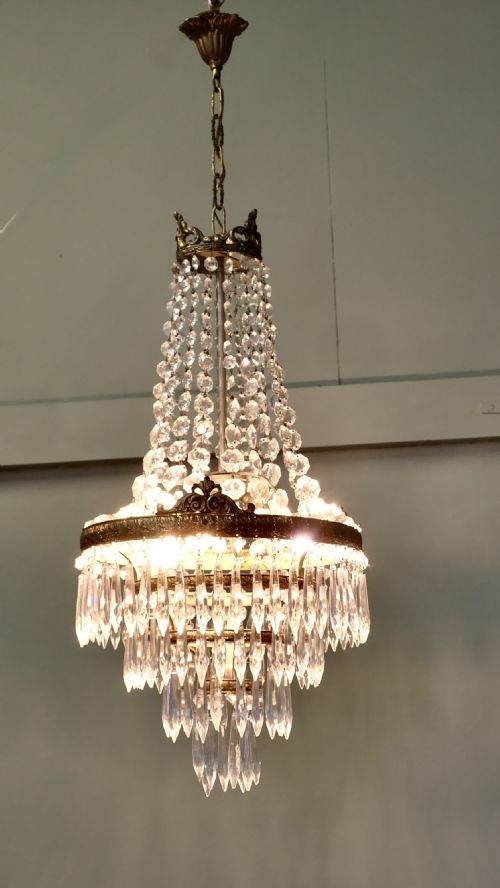
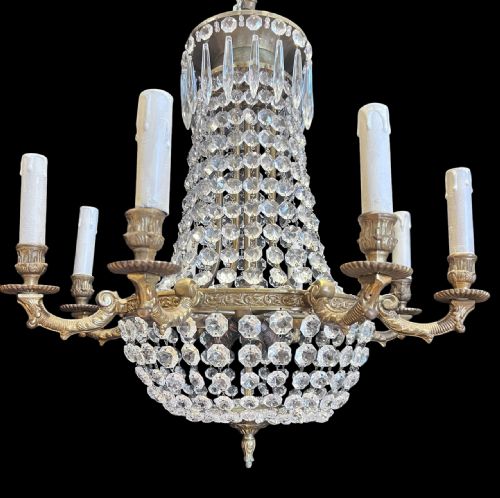
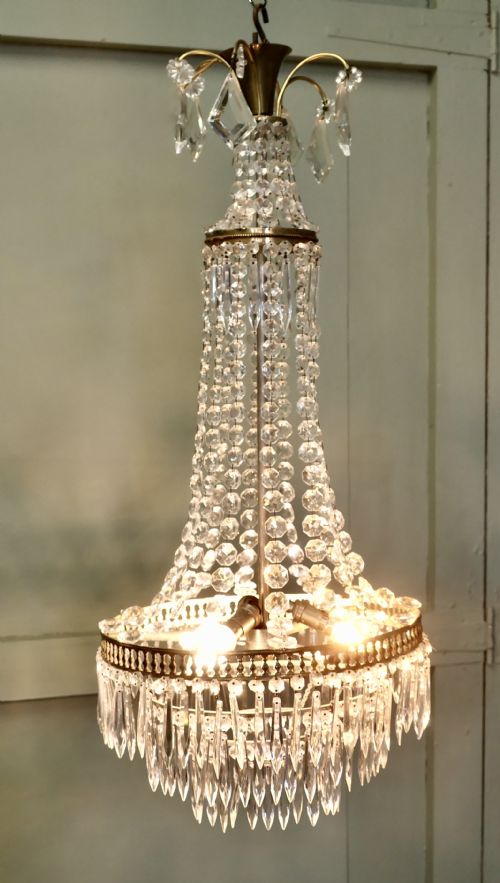
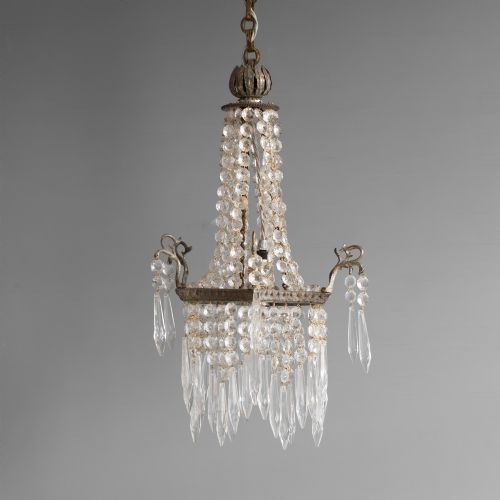
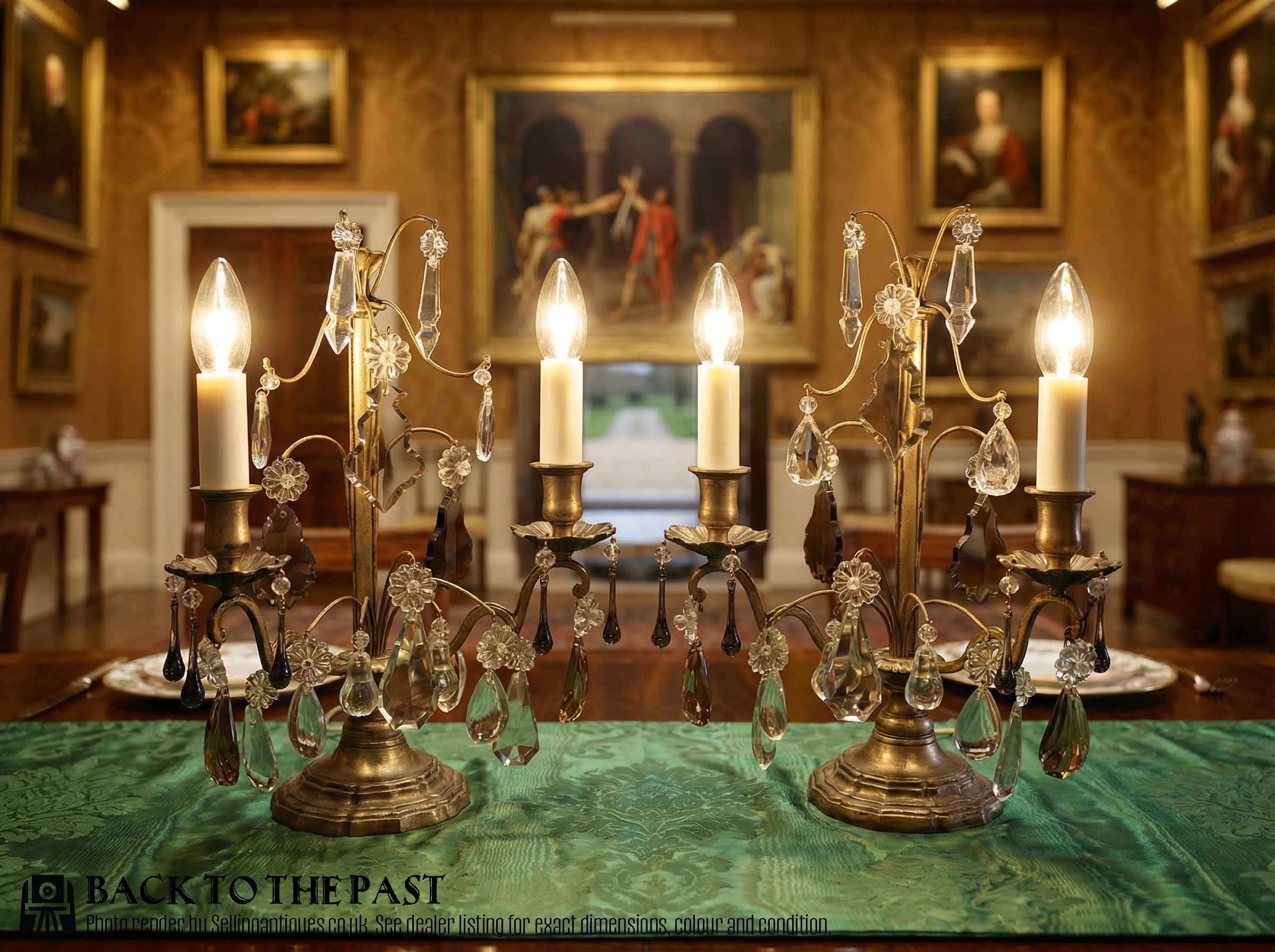
Chandeliers, ceiling lights, and pendant lights dominate the selections, alongside smaller wall lights, table lamps, and table lustres. French designs strongly influence the inventory, featuring tent and waterfall configurations, basket forms, and gilt bronze or brass mounts.
How they were made
Maker workshops built the structural frames of these pieces using cast brass, gilt metal, bronze, iron, and chrome, often shaping the metal into arms, rings, and wall brackets. These metal skeletons support wired or pinned arrangements of glass and crystal components.
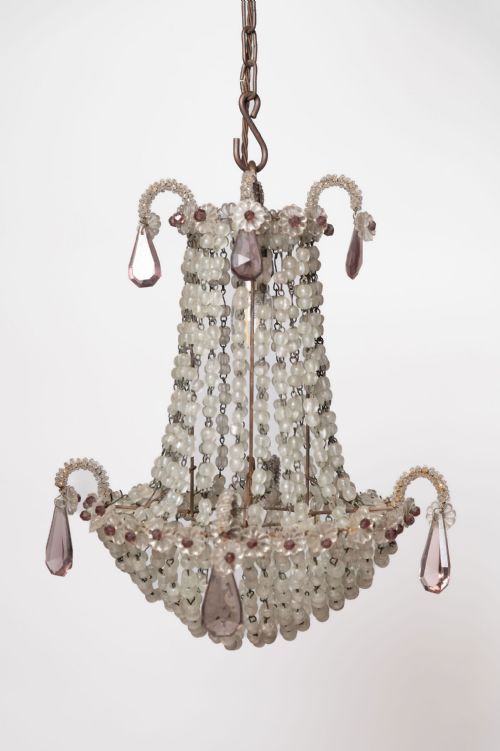
Artisans formed the hanging elements from cut glass and crystal, shaping spikes, prisms, beads, and teardrop drops that catch the illumination. Many examples incorporate specialised elements such as coloured crystals, beaded arms, and wired floral motifs.
Listings span from eighteen-eighty to nineteen-thirty, with French Empire and Edwardian styles appearing frequently alongside Art Deco forms.
What varies in quality
The density and precision of the glass cutting dictate much of the visual character, with sharper facets producing a cleaner dispersion of light through the room. Higher grade mountings utilise heavier cast bronze or gilt brass rather than lighter pressed metals.
Proportion and scale also define the piece, as intricately layered multi-tier structures and well-balanced tent and waterfall assemblies demand greater skill from the original metalworker and glass cutter.
The Vintage Crystal Drops Lamp Glossary
- Crystal drops
- Small pendants of cut glass suspended from a chandelier or lamp to refract light.
- Tent and waterfall
- A chandelier configuration where strings of beads form a conical tent shape above a cascading array of drops.
- Lustre
- A decorative tabletop ornament or lamp featuring hanging glass prisms that scatter light.
- Spelter
- A zinc alloy frequently used as a base metal for gilt figures and mounts on antique lighting.
- Prisms
- Triangular or multi-faceted glass elements designed to split light into spectral colours.
Vintage Crystal Drops Lamp: Frequently Asked Questions
How do I clean a crystal drop lamp?
Remove loose dust gently with a soft feather duster before applying a mild solution of warm water and methylated spirits. Wipe each crystal piece individually by hand while supporting it from beneath.
Allow all components to dry completely before turning the power back on to protect the electrical fittings and metal mounts.
Were these lamps originally wired for electricity?
Many examples from the Edwardian and Art Deco periods were manufactured during the transition to electric lighting or adapted soon after. Earlier pieces often began as candle or oil fixtures and underwent conversion later.
Modern listings frequently note if a fitting has been professionally rewired to meet current safety standards.
What rooms suit a waterfall chandelier?
The cascading design of a waterfall chandelier works well in spaces with high ceilings, such as formal hallways or living rooms. Their concentrated downward light projection creates a strong focal point in the centre of the room.
Smaller iterations fit comfortably above dining tables or within bedrooms where lower ceiling clearances require compact dimensions.
How do I identify French Empire style?
French Empire style lighting relies on formal symmetry, classical architectural motifs, and refined gilt bronze or brass mounts. These pieces frequently incorporate tent and waterfall configurations with extensive crystal drops.
They reflect the neoclassical tastes popular during the nineteenth and early twentieth centuries, prioritising ordered grandeur over asymmetrical curves.