


Vintage Crystal Bottles
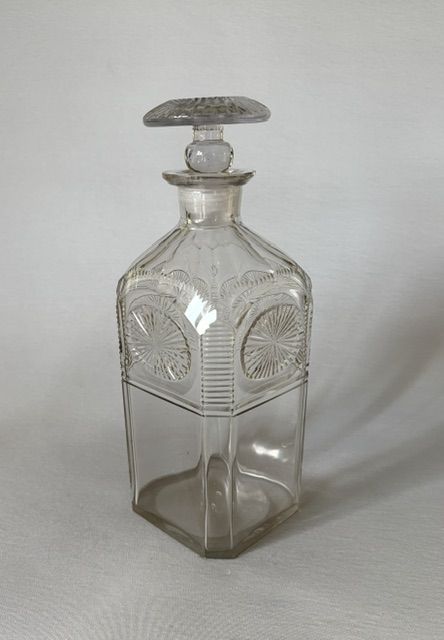
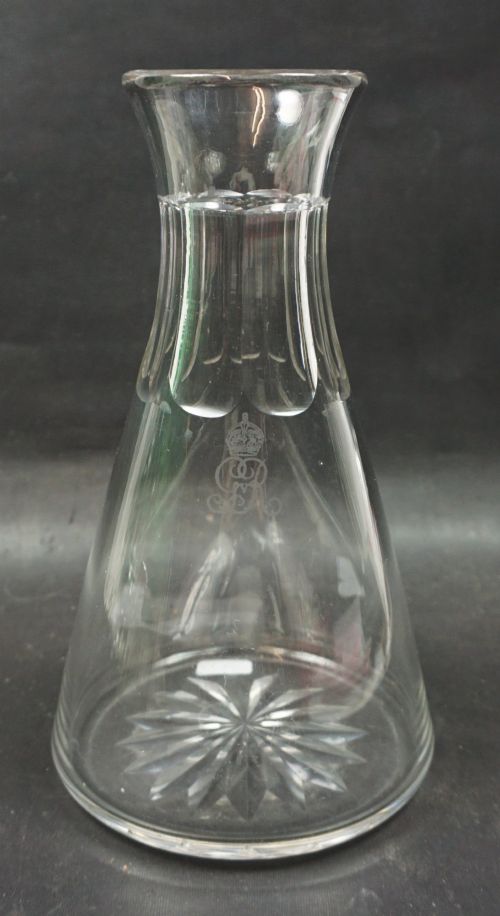
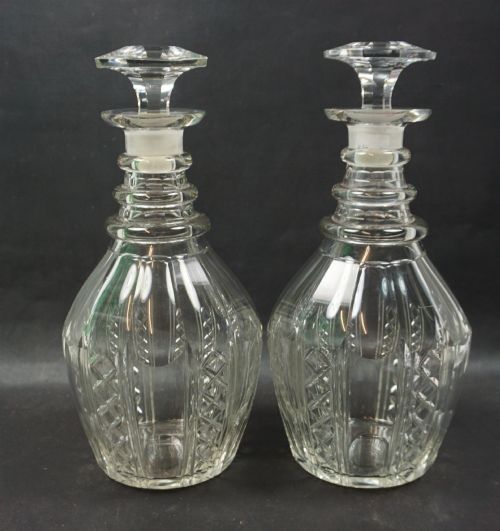
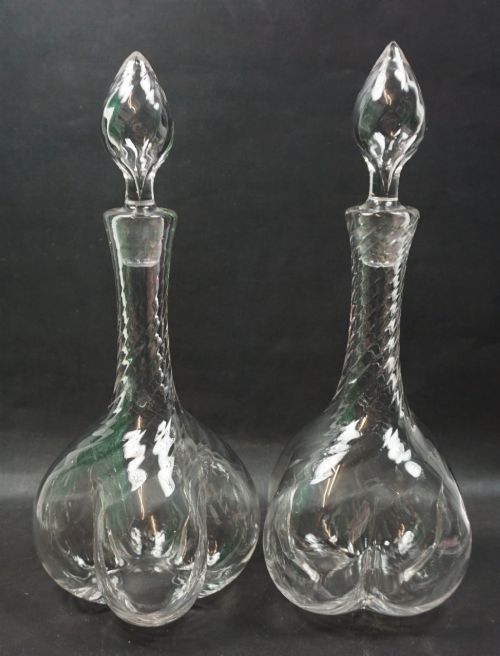
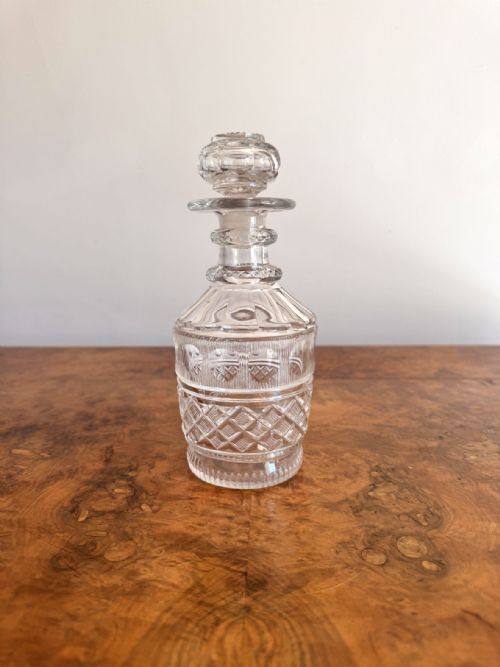
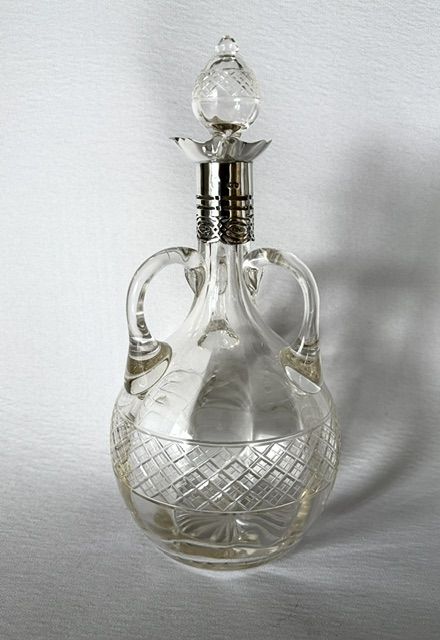
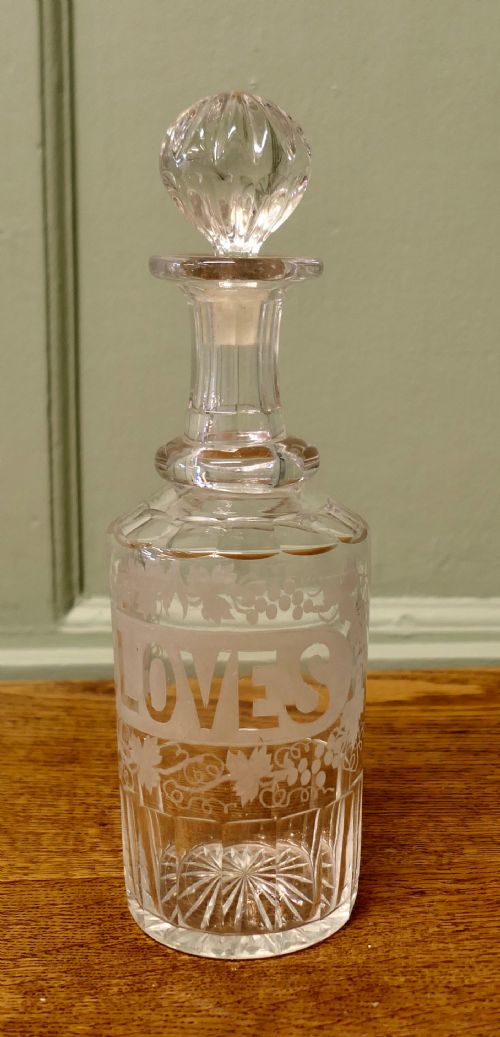
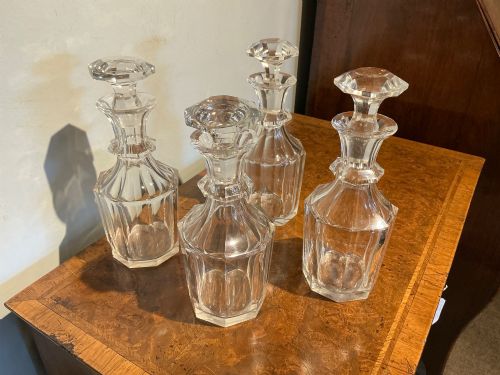
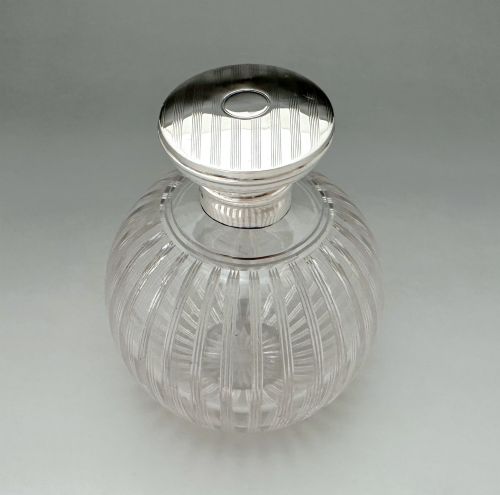
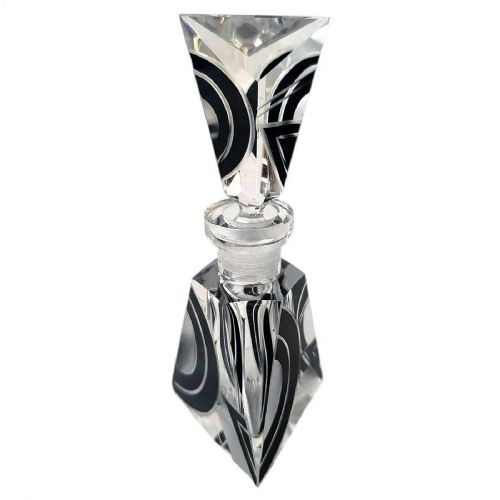
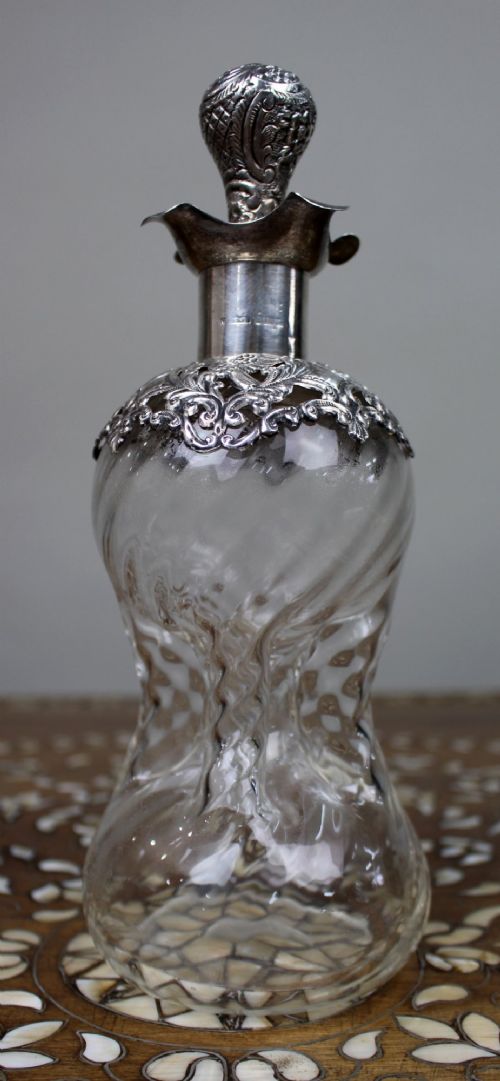
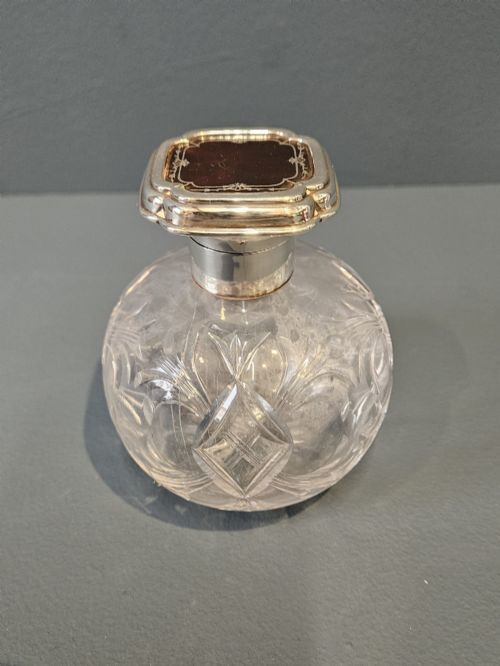
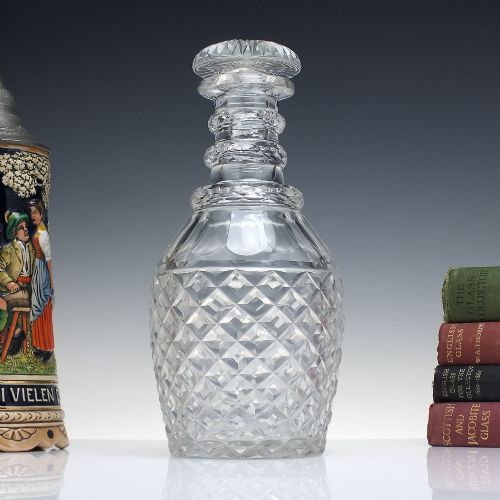
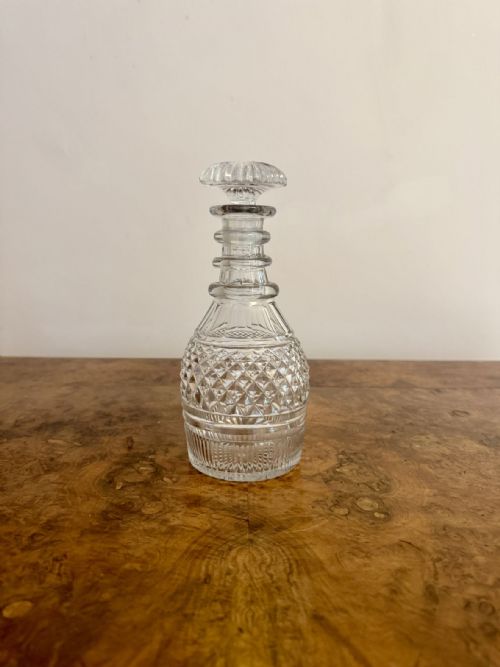
These vintage crystal bottles combine heavy faceted glass with gleaming silver and enamel mounts.
Vintage Crystal Bottles
Vintage crystal bottles encompass a variety of functional vessels designed for practical service and dressing table display. Buyers exploring this category encounter everything from heavy wine decanters to delicate perfume flasks and fitted cruet sets. The pieces span from the Victorian and Edwardian eras through to the geometric lines of the Art Deco period. Decanters and scent bottles dominate the selection, often featuring metal collars or stoppers.
Edwardian and Victorian examples appear most frequently, alongside distinctive Art Deco pieces from makers such as Karl Palda. Forms range from bell-shaped decanters to tall wine carafes and miniature scent bottles. Materials include clear cut crystal, coloured glass, and mounted silver elements.
Materials and construction
The manufacture of these pieces relies on heavy lead crystal and glass, shaped through cutting, etching, and moulding. Artisans applied deep geometric facets to refract light and enhance the weight of the vessels. Coloured variations, including cranberry and cobalt hues, demonstrate specialised glass colouring techniques.
Metal mounts in sterling silver, silver plate, and brass provide structural collars and hinged lids. Craftspeople frequently combined glass with organic materials such as tortoiseshell and enamel, securing them with precise silversmithing methods.
Vintage Crystal Bottles Retail Price Guide 2026
Typical asking prices for vintage crystal bottles among the pieces listed under this phrase on Sellingantiques today, from the lower quarter to the upper quarter. They describe what is for sale here now, not the wider market.
Assessing the craftsmanship
Quality in these items rests on the crispness of the glass cutting and the weight of the material. Superior pieces exhibit deep, clean facets that remain sharp to the touch, alongside well-proportioned stoppers original to the vessel. Lesser examples feature softer moulding lines and lighter, thinner glass walls.
The standard of metalwork further distinguishes the tier of a piece. Hallmarked sterling silver mounts and intricate guilloché enamel work elevate the craftsmanship, whereas plated alternatives represent more utilitarian production.
Betjemann·Harold Bushell and Co·Karl Palda
The Vintage Crystal Bottles Glossary
- Cut Glass
- Glass shaped and patterned by holding it against a rotating abrasive wheel. This technique creates sharp facets that catch and scatter light across the surface of the vessel.
- Tantalus
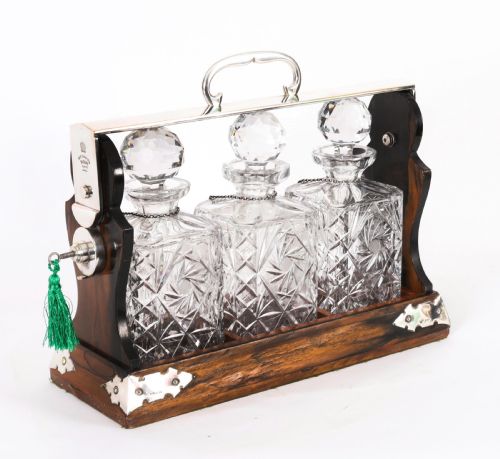
- A locking wooden frame designed to secure decanters while allowing their contents to be seen. It prevents unauthorized access to the liquor inside by locking the stoppers in place.
- Guilloché Enamel
- A decorative technique where a precise geometric pattern is engraved beneath a translucent layer of enamel. It frequently appears on the lids of dressing table bottles from the early twentieth century.
- Cruet Set
- A matched collection of small bottles or jars held in a stand for condiments and oils at the dining table. These sets often combine cut crystal vessels with silver-plated or metal frames.
Vintage Crystal Bottles: Frequently Asked Questions
How do I date a crystal decanter?
Dating relies on the shape of the vessel, the style of the glass cutting, and any associated metal hallmarks. Victorian and Edwardian pieces often display deep hand-cutting and heavy lead content, while later Art Deco items show geometric profiles.
Silver mounts stamped with assay office marks provide exact year markers. Examining the base for pontil marks also helps determine the period of manufacture.
Are scent bottle stoppers interchangeable?
Original stoppers are custom-ground to fit the specific neck of each bottle during production. Because of this hand-fitting process, stoppers rarely interchange successfully between different antique bottles.
When collecting, matching the original stopper adds significantly to the completeness of the piece. Look for corresponding numbering etched on both the base and the stopper.
How should I clean antique glass?
Cleaning requires lukewarm water and mild detergent, avoiding sudden temperature changes that can crack old glass. A soft bottle brush helps reach interior residue without scratching the delicate surfaces.
Silver mounts should be polished carefully with a specialist cloth, keeping cleaning chemicals away from the glass and enamel sections.
What is a Tantalus used for?
A Tantalus held spirits securely in wealthy Edwardian and Victorian dining rooms. The locking mechanism kept expensive drinks out of reach of domestic staff while displaying them proudly.
Owners kept the key separate, ensuring the decanters remained locked inside their oak or coromandel frames until required for entertaining.