



Vintage Crystal Barware Set
A vintage crystal barware set brings period craftsmanship and functional elegance to entertaining, spanning decanters, tantalus frames and matching glasses.
Vintage Crystal Barware Set
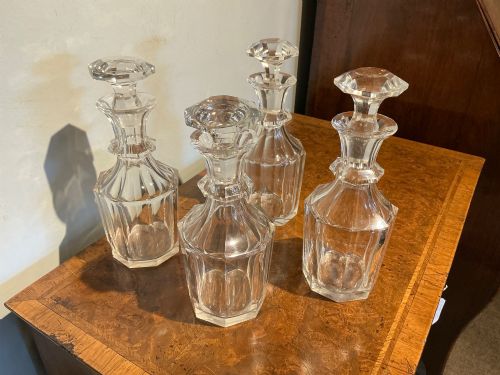
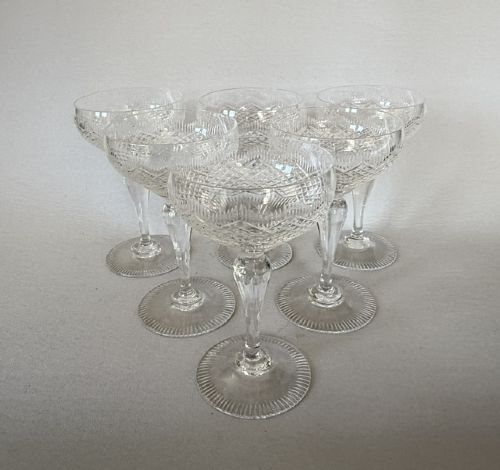
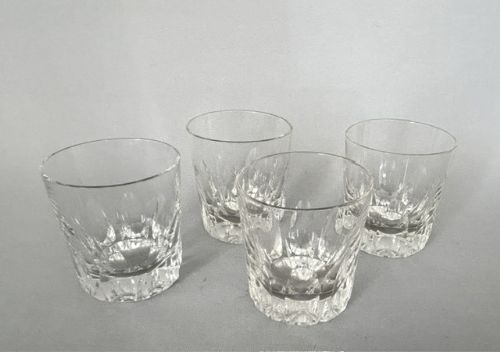
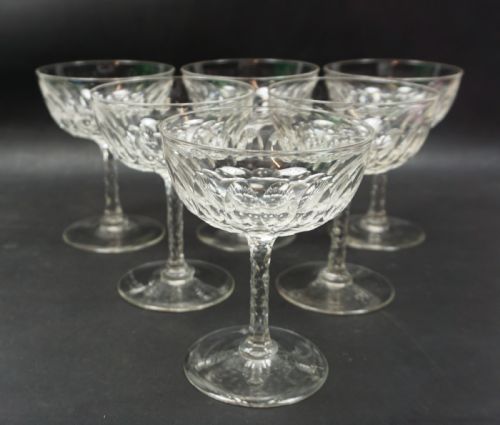
When you search for a vintage crystal barware set, you encounter matched collections designed for serving spirits and wine, ranging from compact liqueur services to elaborate drinking cabinets and tantalus frames. These groupings frequently incorporate matching glasses, such as champagne coupes, cordial glasses and whisky tumblers alongside the central vessels.
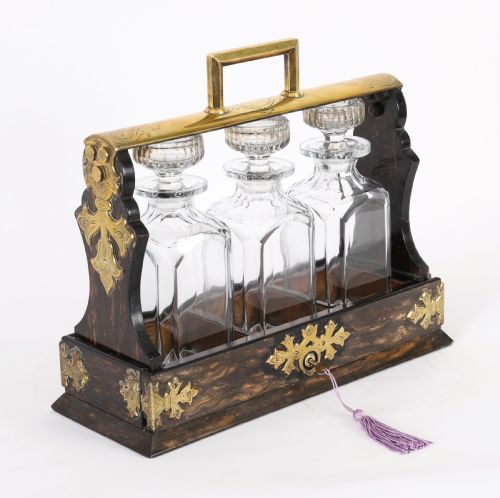
The selections available span periods from the Victorian era and Edwardian years through to Art Deco designs of the 1930s. Victorian and Edwardian examples often feature heavy cut crystal housed in fitted oak or coromandel frames, while 1930s sets lean towards modernist lines and enamelled or frosted lead crystal.
Materials and technique
Makers utilised high-lead crystal and standard glass, applying techniques such as deep facet cutting, optical blowing, hand enamelling and etching to decorate the surfaces. The vessels are frequently paired with metalwork mounts, frames and locking mechanisms formed from silver plate, brass, chrome and solid silver.
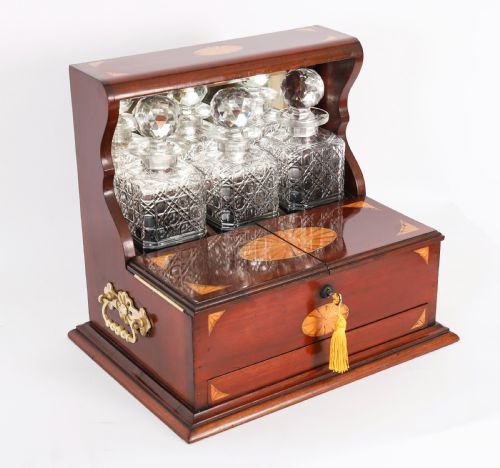
Enclosure boxes and tantalus frames incorporate cabinet woods including oak, satinwood, coromandel and mahogany, often enhanced with inlay work or silver-plated handles and lock plates. Barrel dispensers and ice buckets combine frosted crystal bodies with talon tongs and spigots.
Object forms span complete liqueur sets, champagne coupes, ice buckets with talon tongs and locking tantalus frames.
Variations in quality
Differentiation across the range depends upon the depth and crispness of the glass cutting, the clarity of the crystal and the integrity of any fitted housing. Sets featuring fully matching glassware alongside the primary decanter command greater cohesion than assembled groupings.
The execution of the metal mounts, whether silver plate, brass or chrome, and the presence of functioning lock and key mechanisms on tantalus frames indicate the original tier of production. Maker attribution to notable glasshouses or silversmiths further separates standard domestic wares from exceptional commissions.
Baccarat·Saint Louis·James Powell·Val Saint Lambert·Hukin and Heath·Karl Palda·Moser·Mappin and Webb
The Vintage Crystal Barware Set Glossary
- Tantalus
- A locking drink stand that holds decanters securely within a wooden or metal frame while displaying the contents. The mechanism prevents removal of the bottles until the locking bar is released by a key.
- Champagne coupe
- A shallow, broad-bowled stemmed glass designed for sparkling wine or cocktails. These pieces frequently feature facet-cut stems or etched decoration.
- Cave a liqueur
- A fitted box containing a set of matched liqueur decanters and small glasses, often lined with velvet or silk. These portable service chests date across the nineteenth century.
- Lead crystal
- Glass containing a significant percentage of lead oxide, which increases weight, brilliance and refractive index. This material permits sharper wheel-cutting and deeper engraving.
- Tot pail
- A small bucket or container included with vintage barware sets for holding ice or measures of spirits. They often accompany barrel dispensers and silver-plated trays.
Vintage Crystal Barware Set: Frequently Asked Questions
What is a tantalus?
A tantalus is a locked wooden or metal frame designed to hold decanters of spirits securely in place. It prevents guests or servants from accessing the contents without a key while displaying the bottles.
Most examples hold two or three decanters and include silver-plated handles and locking bars. They became popular in the Victorian and Edwardian periods for the dining room or smoking room.
How do I date a vintage crystal barware set?
Dating relies upon stylistic markers, materials and manufacturing techniques visible in the glass and mounting hardware. Victorian and Edwardian sets typically use heavy cut crystal, oak frames and silver plate, while 1930s pieces often display Art Deco modernist lines or Czech enamelled designs.
Maker marks etched on the base of the crystal or stamped on metal mounts provide definitive chronological clues. Fitted boxes and hardware styles also shift noticeably between the nineteenth century and the mid-twentieth century.
Are the glasses always matching?
Sets vary between complete original groupings and assembled services that were matched together later. Art Deco decanter sets from the 1930s frequently survive with their exact count of six matching shot glasses or tumblers.
Earlier nineteenth-century groupings may show slight variations in individual glasses due to hand-blown production methods. Examining the uniformity of the cutting and glass tint helps determine if the service is original.
How should I clean vintage crystal?
Vintage crystal requires careful hand washing in lukewarm water with mild detergent to protect delicate cut facets and silver-plated mounts. Abrasive scrubbers and sudden temperature changes must be avoided to prevent thermal shock and scratching.
Decanters with internal residue benefit from specialised cleaning beads and bottle brushes rather than harsh chemical soaks. Metal mounts should be polished separately with appropriate silver or chrome care products.