


Vintage Cream Lamps
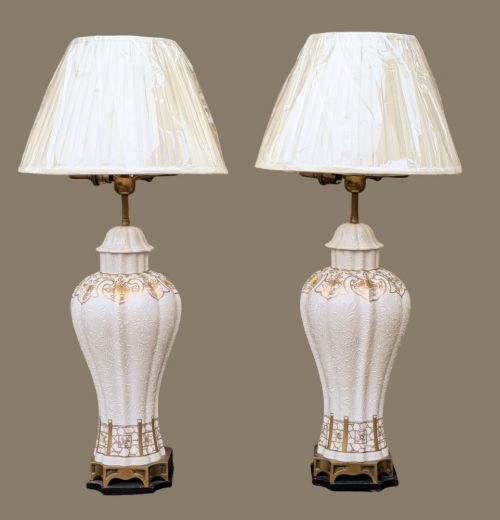
These vintage cream lamps bring warmth and character to a room, spanning delicate porcelain, carved alabaster and heavy brass from past centuries.
Vintage Cream Lamps
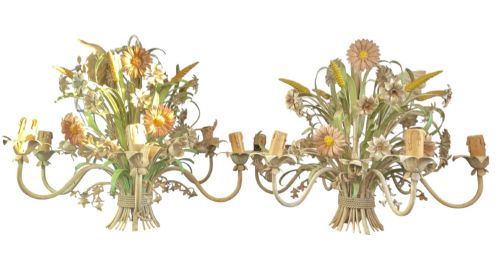
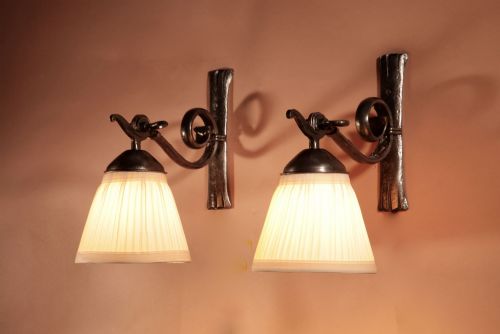
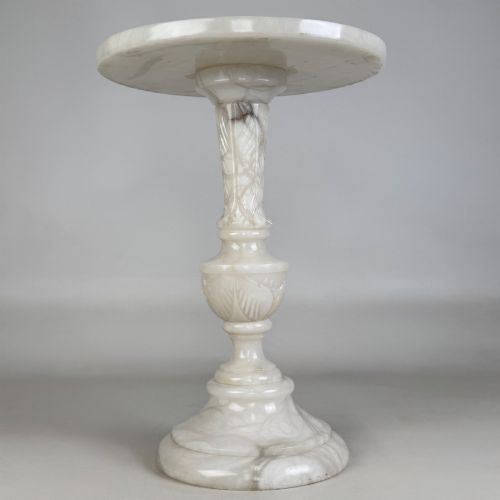
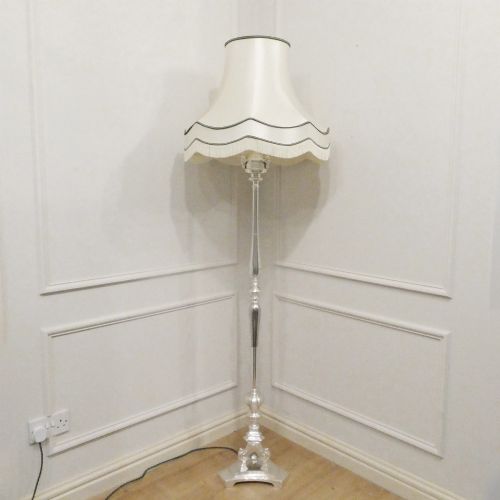
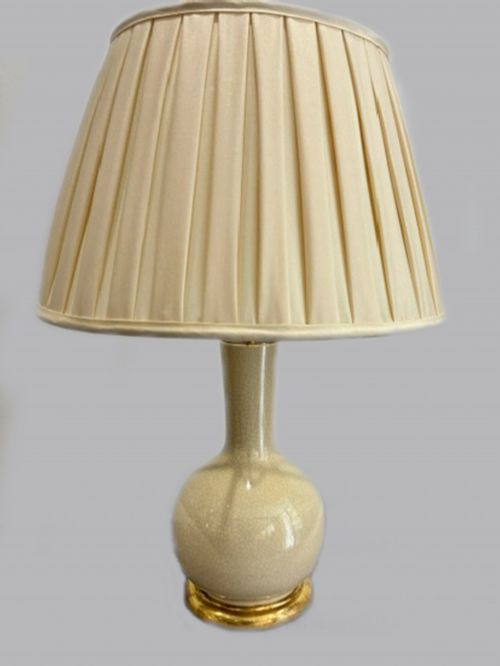
Vintage cream lamps encompass a range of lighting fixtures, including table lamps, standard lamps and wall lights originating from the nineteenth and twentieth centuries. Buyers searching for vintage cream lamps will encounter pieces rendered in pale ceramics, marble, alabaster and painted metals.
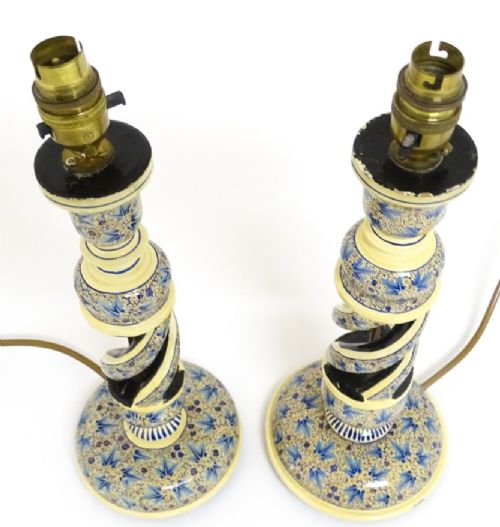
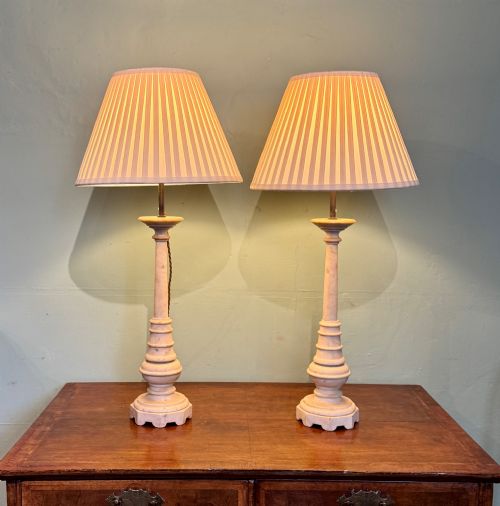
The selection includes conversions from earlier vases and oil lamps alongside purpose-built lighting from the Edwardian and Art Deco periods. Many items arrive in matched pairs, offering symmetry for interiors.
Origins span English, French, Italian and Japanese workshops, reflecting diverse regional aesthetics applied to domestic lighting over the decades.
How they were made
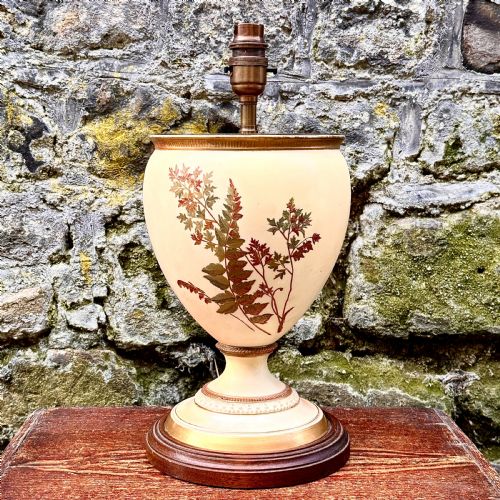
Materials such as alabaster, marble, porcelain and brass form the structural bodies of these lamps, often shaped by hand or turned on a lathe. Artisans applied hand-painted motifs, gilt bronze trim and intricate metalwork to embellish the ceramic and stone surfaces.
Vintage Cream Lamps Retail Price Guide 2026
Typical asking prices for vintage cream lamps among the pieces listed under this phrase on Sellingantiques today, from the lower quarter to the upper quarter. They describe what is for sale here now, not the wider market.
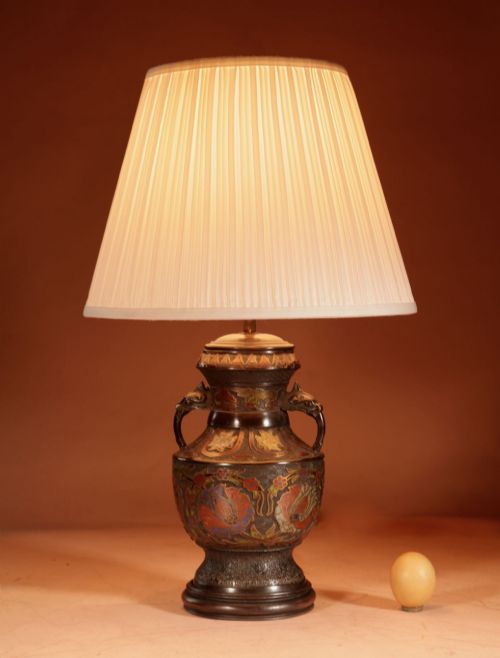
The inventory includes numerous converted pieces, transforming Japanese vases and Dutch Delft night lights into functional table lamps.
What varies in quality
The distinction between tiers rests on the fineness of the material carving, such as the translucency of the alabaster and the crispness of the marble moulding. Hand-painted details on porcelain and toleware display varying degrees of artistic precision and depth of colour.
Original mounts, gilt bronze trims and integrated hardware demonstrate superior metalworking skills compared to later replacements. The overall weight, stability and proportion of the lamp body dictate the physical presence of the piece in a room.
Royal Worcester
The Vintage Cream Lamps Glossary
- Alabaster
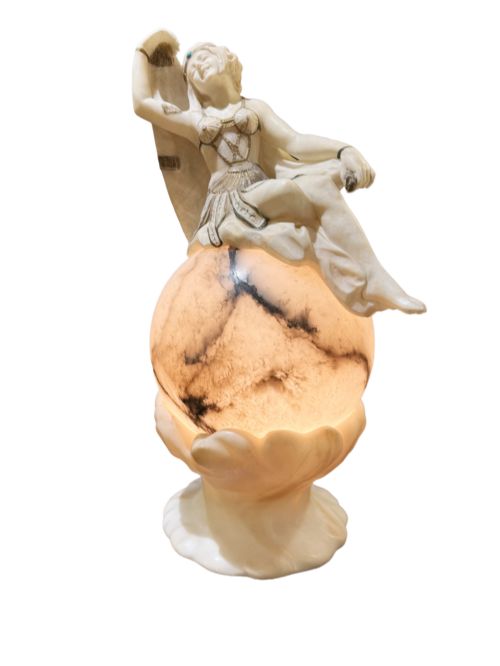
- A fine-grained, translucent stone used for carving lamp bodies and sculptures. It allows light to diffuse softly through the material when illuminated.
- Toleware
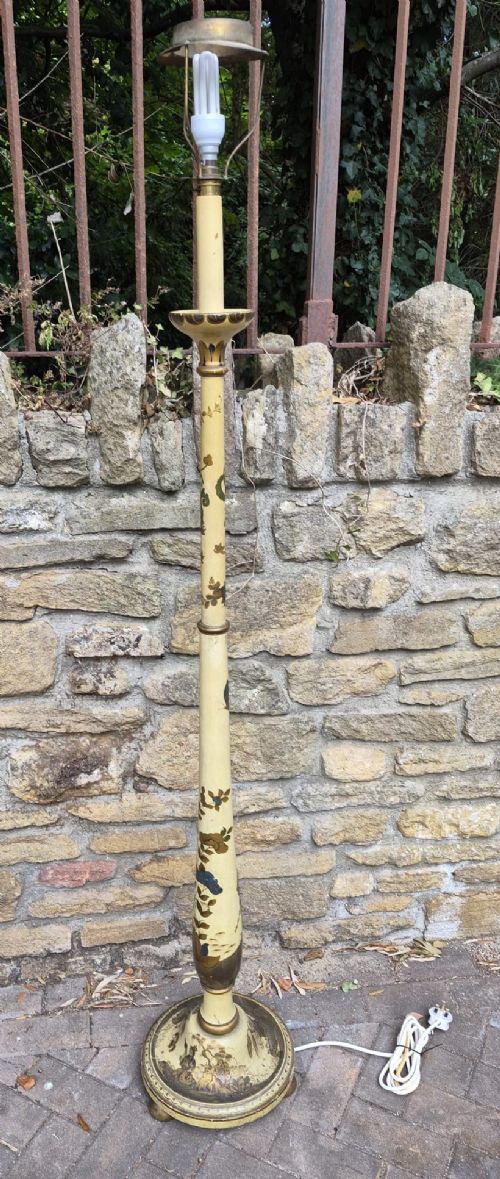
- Painted or lacquered metalware, often iron or tin, utilised for decorative lamp columns and shades. French examples frequently exhibit painted floral or neoclassical motifs.
- Cloisonné
- An ancient technique for decorating metal object surfaces with enamel compartments bounded by soldered wires. Japanese examples from the late nineteenth century frequently appear in lamp conversions.
- Chinoiserie
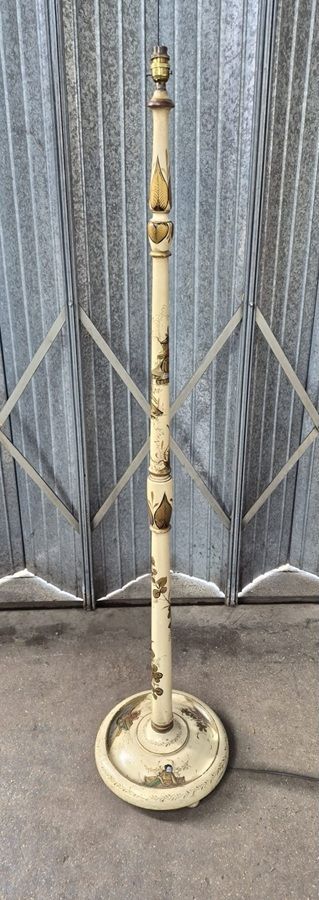
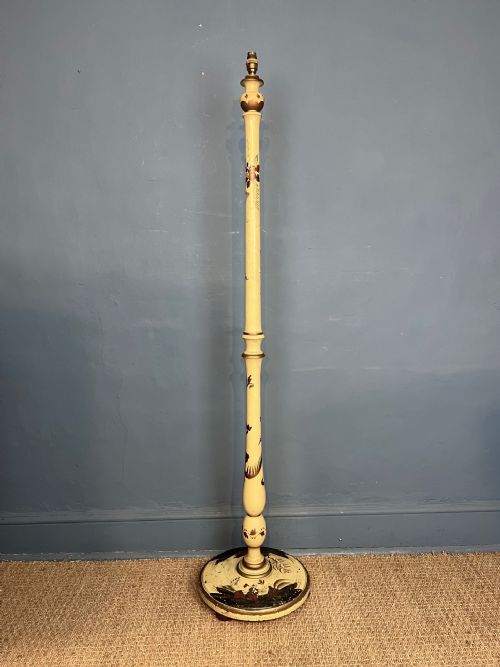
- A European style reflecting Chinese artistic influences, seen on Edwardian standard lamps and wooden furniture. It incorporates painted landscapes and decorative motifs.
- Standard Lamp
- A tall floor-standing lamp designed to illuminate a room from a corner or beside seating furniture. These frequently date from the Edwardian and Art Deco eras.
Vintage Cream Lamps: Frequently Asked Questions
How do I clean alabaster lamps?
Dust alabaster gently with a dry, soft cloth to protect the porous stone surface. Avoid using water or chemical cleaners, which can stain or dissolve the material.
For stubborn marks, consult a professional restorer rather than applying domestic solvents. Gentle care preserves the natural translucency of the stone.
Are converted oil lamps safe to use?
Many vintage lamps started life as oil lamps, vases or candelabra before receiving modern electrical wiring. A qualified electrician should inspect the internal components and rewiring before regular use.
Check that the lamp holder matches contemporary safety standards while retaining the original exterior body. Proper installation ensures safe daily operation in the home.
How do I date an antique lamp?
Examine the materials, manufacturing techniques and electrical components to establish a period of origin. Styles such as Art Deco, Edwardian design and Victorian brasswork offer distinct chronological markers.
Maker marks on porcelain bases or stylistic clues in metal mounts help narrow the decade of production. Comparing construction methods with documented pieces confirms the era.
Where should I place a standard lamp?
Standard lamps provide ambient or reading illumination when positioned beside armchairs or sofas in living spaces. Tall wooden or brass models anchor dark corners and add vertical proportion to a room.
Ensure the heavy base rests on a stable surface away from heavy foot traffic. Pairing matching standard lamps can create balanced lighting across larger interiors.