




Vintage Counter Top Display
These vintage counter top display pieces bring practical commercial heritage into modern rooms, offering glazed visibility and sturdy timber frames for cherished collections.
Vintage Counter Top Display
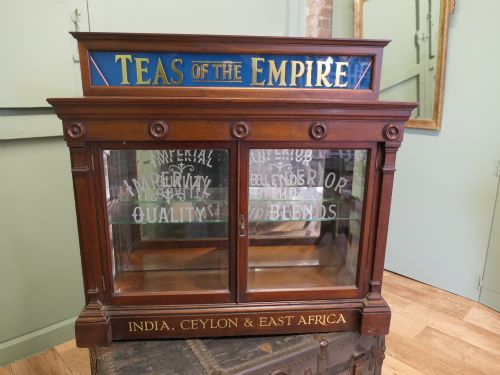
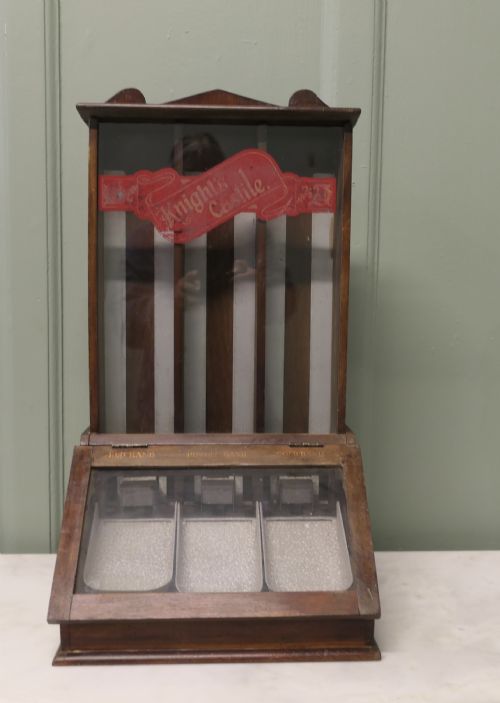
A vintage counter top display serves as a compact commercial showcase, originally designed to present retail goods upon shop counters and mercantile tables. Buyers searching this phrase typically encounter glazed timber cabinets, table top display cases, and specialised dispensing units from the nineteenth and early twentieth centuries.
The selection ranges from Victorian oak and mahogany countertop cabinets to Edwardian chocolate display cases and brass-framed nineteen-thirties counters. Forms include bow-end shop counters, apothecary jars, drapers counters, and tiered jewellery shelves intended for close customer inspection.
Commercial origins dictate the utilitarian yet handsome construction of these pieces, which frequently bear the original signage or branding of historic chemists, confectioners, and tobacconists. Oak and mahogany predominate as structural timbers, housing glass viewing panes designed to protect delicate merchandise while maintaining total visibility.
Construction and Materials
Makers utilised dense hardwoods such as mahogany and oak to construct the sturdy framing required for daily mercantile use. Glazed panels of transparent glass form the viewing surfaces, held securely within rebated timber grooves or metal frames.
Internal linings often incorporate velvet or felt to cushion displayed goods, while brass hinges, catches, and framing elements provide functional durability and neat structural detailing. Cabinet construction relies on traditional joinery techniques suited to commercial environments subjected to frequent opening and closing.
Vintage Counter Top Display Retail Price Guide 2026
Typical asking prices for vintage counter top display among the pieces listed under this phrase on Sellingantiques today, from the lower quarter to the upper quarter. They describe what is for sale here now, not the wider market.
The available selection spans distinct commercial eras, running from nineteenth-century apothecary jars up to nineteen-thirties Art Deco mannequins and dispensing units.
Judging Quality
Quality reveals itself in the integration of timber and glass, where tight joinery and well-fitted doors distinguish superior commercial joinery from simpler utility boxes. The presence of original hardware, intact branded signage, and specialised mechanics such as internal dispensing drawers elevates the standing of a piece.
Proportion and wood figure dictate visual appeal, with rich mahogany grains and well-figured oak providing a more commanding presence on a modern surface. Pieces retaining their original interior velvet or felt linings and unblemished glass panels represent the finest survivals of commercial craftsmanship.
Saml. Elliott & Sons·Quincy Showcase Works
The Vintage Counter Top Display Glossary
- Apothecary jar
- A glass vessel with a matching cover, historically used in pharmacies to store medicinal herbs, liquids, or dry chemicals. These jars often feature blown glass characteristics and period labels.
- Bow-end
- A curved cabinet end designed to soften hard right angles and improve visibility from multiple viewing angles. This architectural flourish appears frequently on shop counters from the Edwardian period.
- Chinoiserie
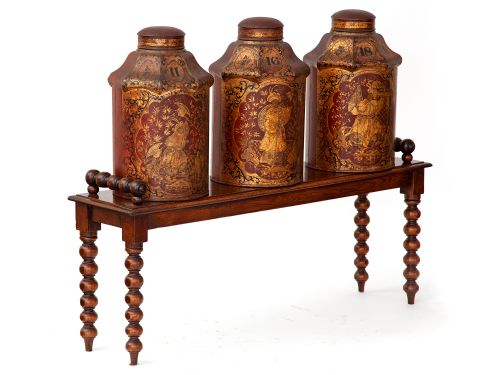
- A decorative style reflecting European interpretations of Chinese artistic motifs, occasionally seen on decorative tea canisters. The style utilises pagoda silhouettes and traditional ornamentation.
- Mechanical dispensing cabinet
- A specialised retail case incorporating internal levers or springs to deliver small goods directly to the customer. These units were heavily utilised for soaps and confectionery.
- Sign written
- Hand-painted commercial lettering applied directly to glass or timber surfaces to advertise specific brands. This technique provides authentic provenance linking the cabinet to its original retail context.
Vintage Counter Top Display: Frequently Asked Questions
What were counter display cabinets originally used for?
Merchants placed these glazed cabinets upon shop counters to showcase high-value or delicate items such as chocolate, soap, writing instruments, and pharmaceuticals. The glass kept goods clean while allowing customers to inspect merchandise clearly before making a purchase.
They also protected smaller stock from handling and dust in busy high street shops. This dual purpose of storage and advertising made them essential fixtures in late nineteenth and early twentieth century retail spaces.
How do I style a counter top display at home?
Place a vintage cabinet on a sideboard, console table, or deep desktop where natural light can pass through the glass panes. Use the interior shelves to curate small collections of ceramics, glassware, or natural curiosities.
Ensure the surrounding surface is deep enough to support the footprint of the cabinet safely. The enclosed space keeps delicate objects free from dust while turning everyday items into an organised display.
How can I tell Victorian cabinets from Edwardian ones?
Victorian examples tend to employ heavier timbers like dark oak with robust, straightforward joinery and minimal decorative carving. They reflect a period of solid, utilitarian retail construction focused on durability.
Edwardian and later pieces often introduce lighter mahogany tones, curved bow ends, and more refined brass framing. The aesthetic shifts toward maximising glass viewing areas and incorporating sophisticated commercial branding.
Are the brand names on these cabinets original?
Many cabinets retain their original hand-painted sign writing or applied paper branding from confectioners, chemists, and stationers. This historic lettering was executed to promote specific goods directly at the point of sale.
Some pieces received later sign writing to suit subsequent retail uses, which remains a normal part of their commercial history. Examining the paint adherence and wear helps confirm whether the lettering dates from the manufacturing period.