



Vintage Corner Seat
A vintage corner seat turns an awkward room angle into a useful place to sit, bringing period character to neglected corners.
Vintage Corner Seat
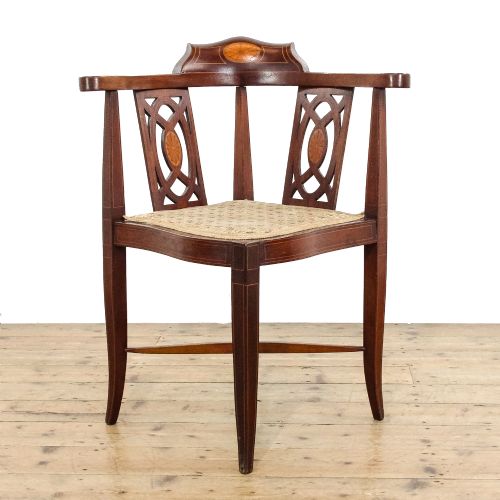
A vintage corner seat encompasses a range of forms designed to fit snugly into the intersection of two walls, making clever use of dead space. When searching for this phrase, buyers encounter everything from sturdy oak armchairs to inlaid mahogany elbow seats and occasional low stools.
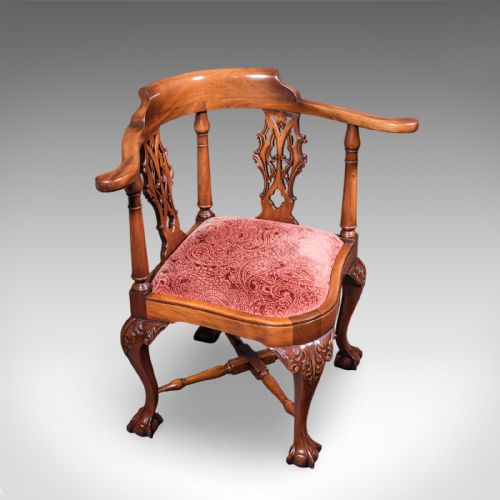
The most common examples on this page date from the Victorian and Edwardian eras, often framed in dark hardwoods with shaped backs and upholstered drop-in pads. Makers engineered these pieces specifically to occupy angles that standard rectangular furniture leaves empty.
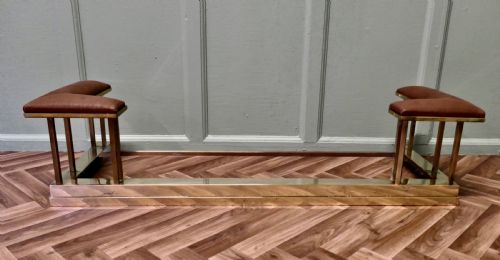
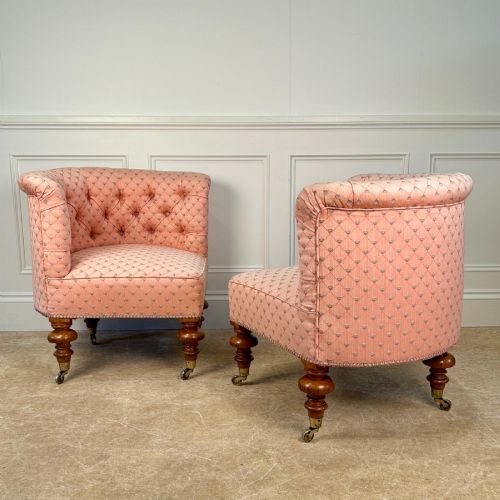
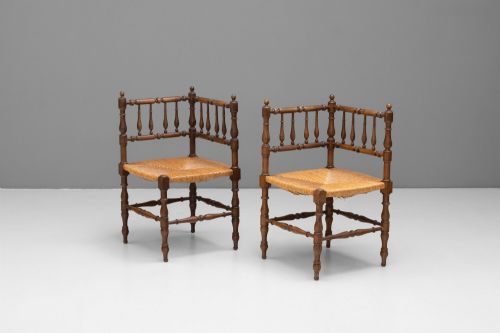
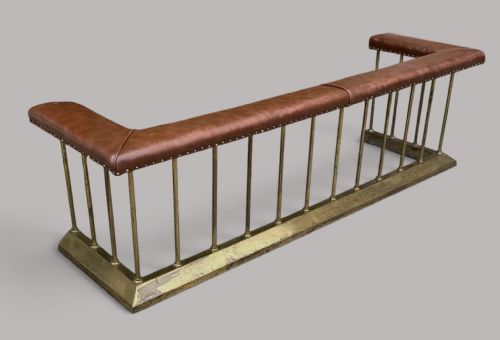
Alongside traditional corner armchairs, listings include French corner sofas, club fenders, and turned spindle designs, reflecting how diverse domestic seating became across the nineteenth and early twentieth centuries. Each style brings a distinct architectural silhouette to a room layout.
Materials and construction methods
Cabinetmakers relied heavily on dense hardwoods like mahogany and oak to provide the structural integrity required for angular seating frames. These timbers frequently feature carved details, turned spindles, or delicate boxwood and satinwood marquetry inlay.
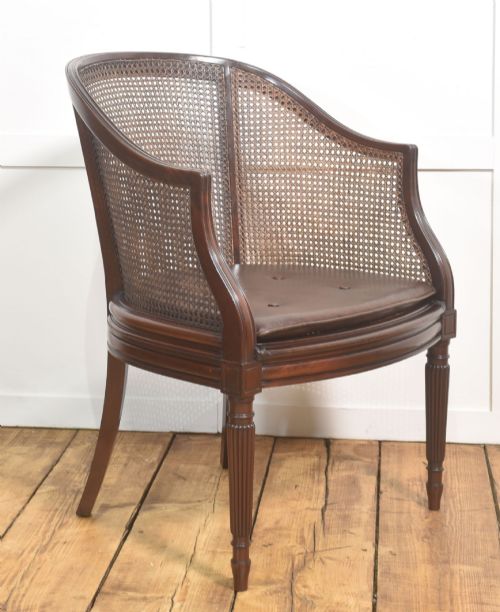
Seating surfaces vary according to the period and form, utilising woven rush, cane panels, or plush fabric and mature leather pads. Brass hardware often reinforces joints or frames club fenders, adding a contrasting metallic gleam to the woodwork.
Periods represented range from eighteenth-century Georgian items to early twentieth-century Art Deco and Arts and Crafts designs.
Judging the standard of workmanship
Quality in these seats rests on the rigidity of the corner joints and the crispness of any hand-carved ornamentation. Superior examples maintain tight, stable framing despite the structural stresses inherent in diagonal designs.
Finer pieces display thoughtful selection of timber grain, particularly in mahogany or walnut veneers, alongside expert execution of inlay and turning. The handling of secondary materials, such as neatly woven cane or durable leather, separates standard workshop output from exceptional cabinetwork.
Miles and Edward's
The Vintage Corner Seat Glossary
- Corner chair
- A seating form featuring a diagonal layout designed to fit into room angles, typically possessing a rounded backrest supported by three or four legs.
- Marquetry
- Decorative woodwork where thin slices of various coloured timbers are fitted together to form intricate geometric or floral patterns.
- Turner's chair
- A heavy wooden armchair constructed primarily from turned spindles and posts, often associated with traditional vernacular forms.
- Club fender
- A low, U-shaped hearth seat featuring cushioned leather tops supported by a brass frame, designed to wrap around a fireplace opening.
- Squab seat
- A loose, removable upholstered cushion designed to fit directly onto the wooden base of a chair or stool.
Vintage Corner Seat: Frequently Asked Questions
Where do you place a vintage corner seat?
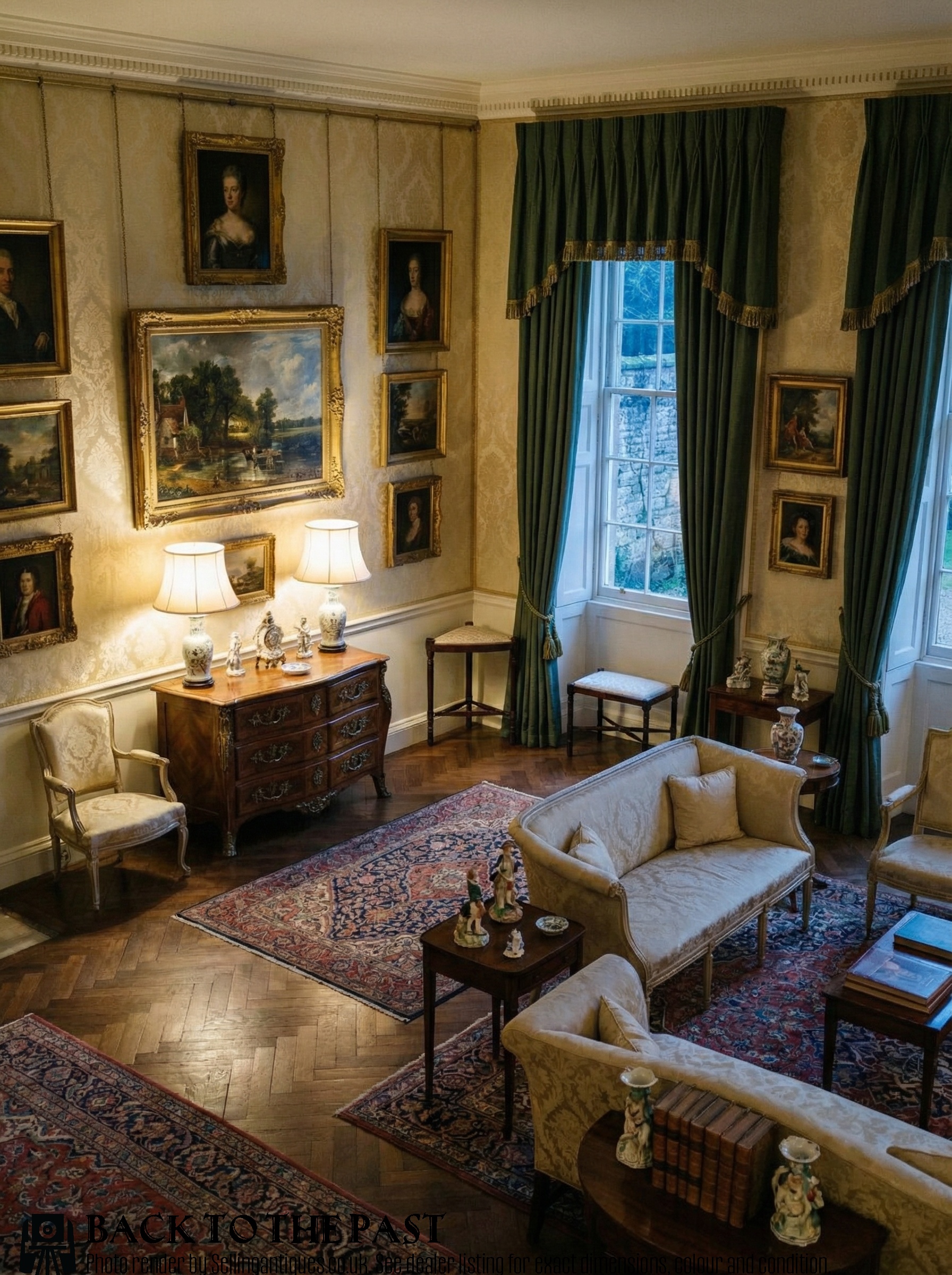
These seats suit awkward room angles, dead hallway turns, or empty bedroom corners where standard rectangular chairs fail to fit. They utilise overlooked architectural space while adding a distinct period focal point.
Positioning one near a light source or bookshelf also creates a comfortable reading nook without obstructing main pathways through the room.
How do I identify a Victorian corner chair?
Victorian examples generally feature dense oak or mahogany frames with heavy carving, turned spindle supports, and dark polished finishes. You often find heavier proportions and lower, more enclosed backrests compared to lighter Edwardian versions.
Many incorporate rush or upholstered squab seats, reflecting the period's preference for tactile, textured materials.
What is the difference between a corner chair and a tub armchair?
A corner chair utilises a diagonal plan specifically engineered to fit into room intersections, usually featuring a continuous curved backrest wrapping around two adjacent sides. A tub armchair has a rounded, semi-circular back enclosing the sitter regardless of wall placement.
While both offer cozy support, only the corner chair is structurally designed for right-angled spaces.
Can I use a club fender as regular seating?
Club fenders were originally built to sit around open fireplaces, providing low padded seating close to the hearth. Their brass frameworks and leather tops make them sturdy enough for everyday living room use.
Today they function equally well as standalone benches beneath windows or in large hallways.