

Vintage Copper Lighting
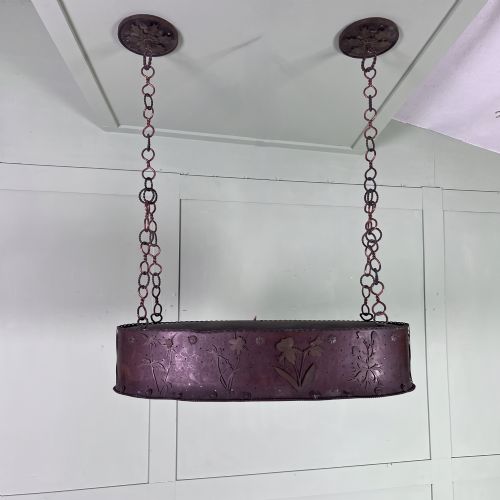
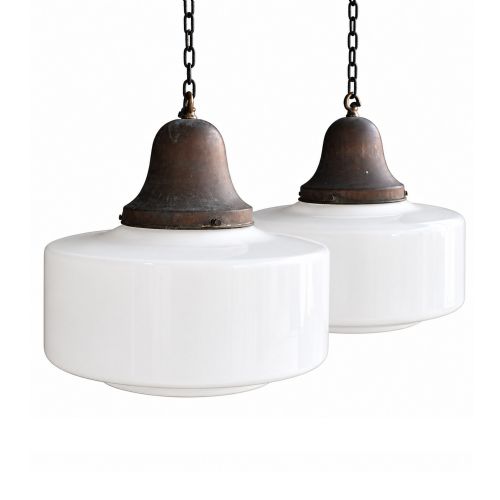
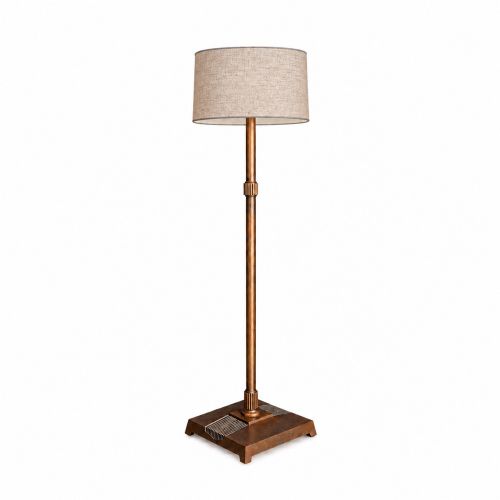
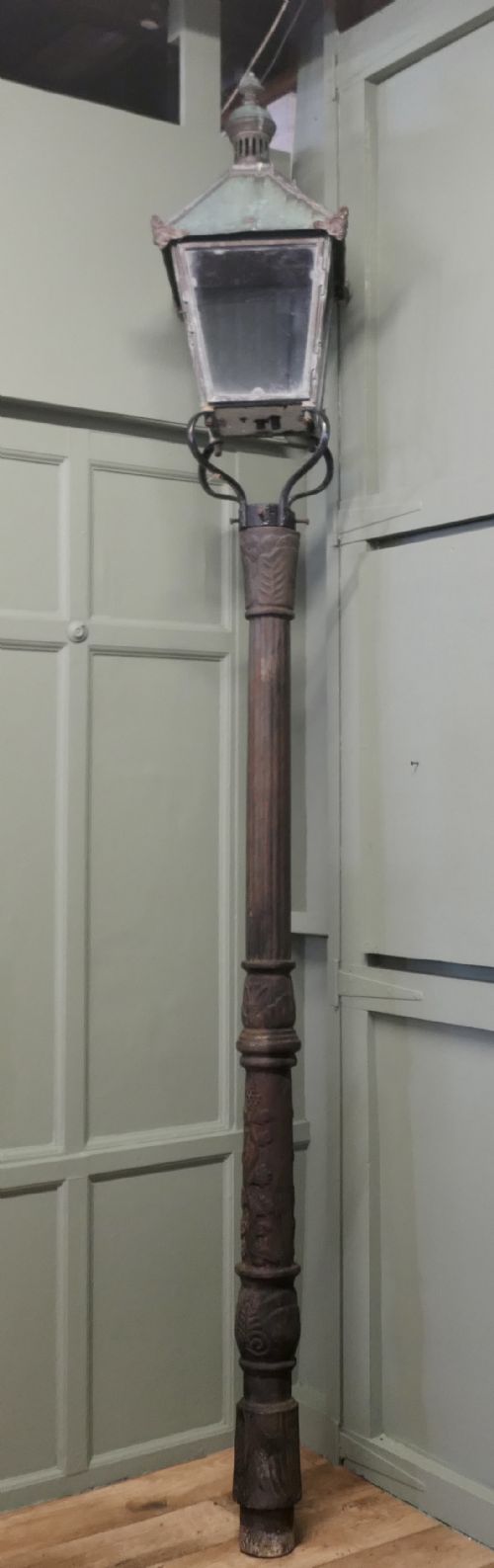
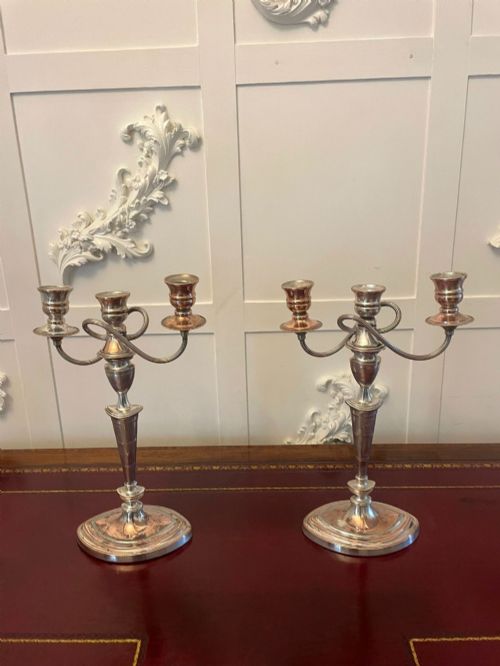
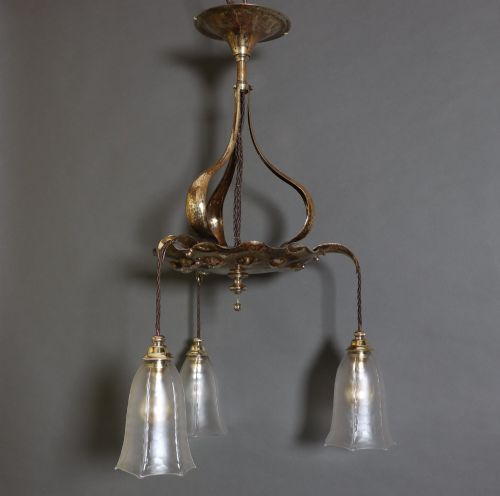
Vintage copper lighting brings architectural weight and warm metallic tones into a room through lanterns, pendants, and standard lamps spanning the nineteenth and twentieth centuries.
How they were made
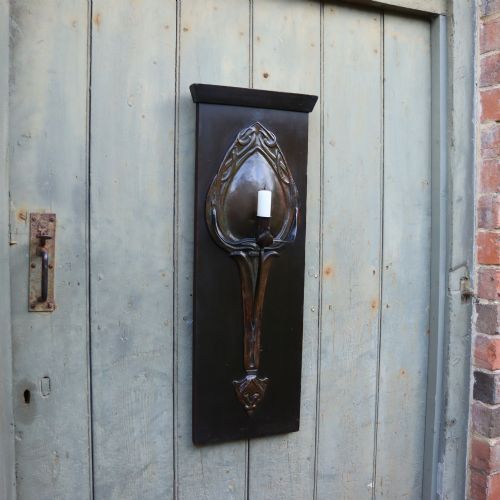
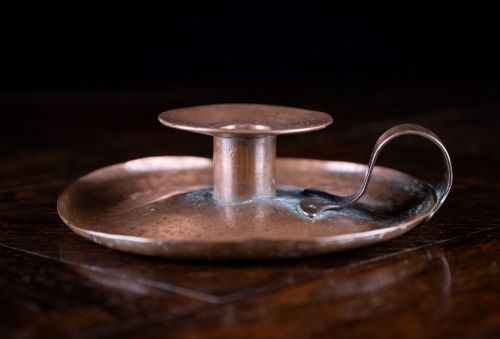
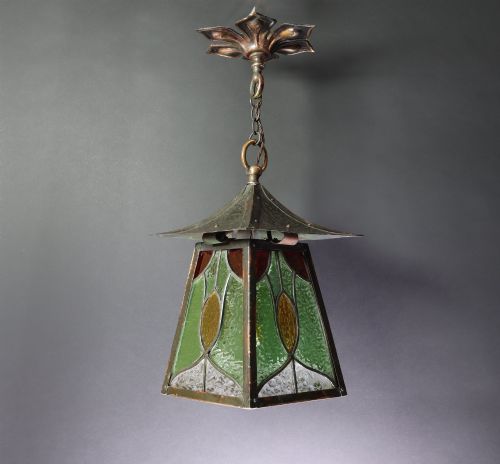
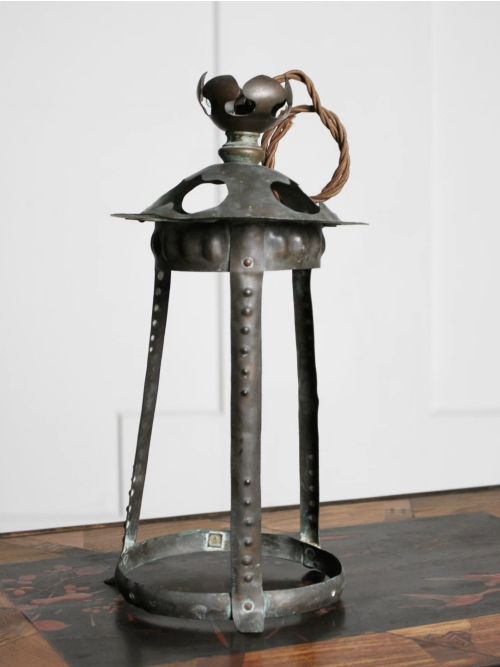
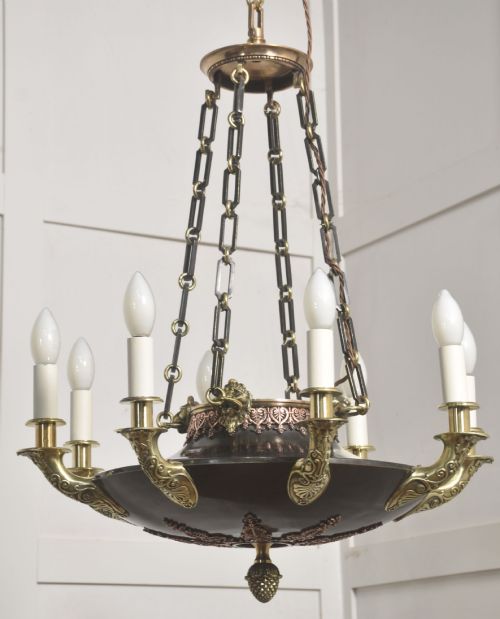
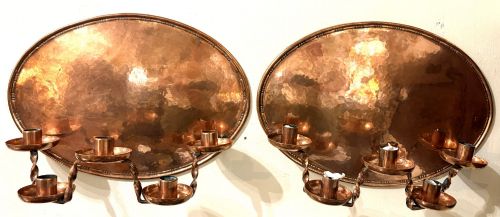
Makers construct these fixtures primarily from sheet copper, often combining it with cast brass, wrought iron, and structural glass panes. Riveted, soldered, and beaten metal techniques define the construction, particularly in Arts and Crafts and Amsterdam School pieces where hand-worked surfaces remain visible.
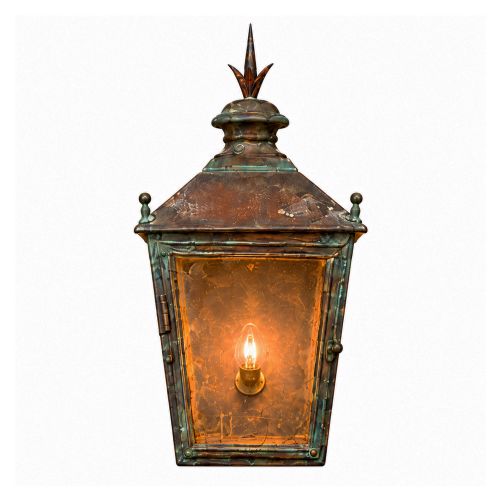
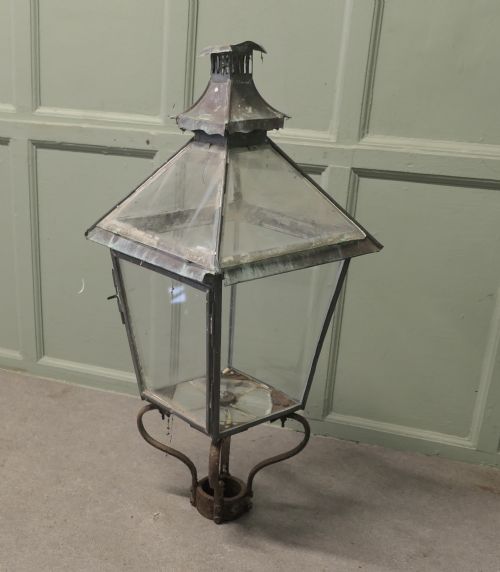
Surface treatments vary from polished finishes to natural verdigris patina acquired over decades of exposure. Street and railway lanterns utilise robust frames to house oil or gas burners safely before later conversion to electricity.
What varies in quality
Quality rests upon the structural gauge of the metal and the integrity of the original construction rather than surface shine alone. Heavier copper gauges and substantial brass castings separate utilitarian municipal pieces from standard domestic production.
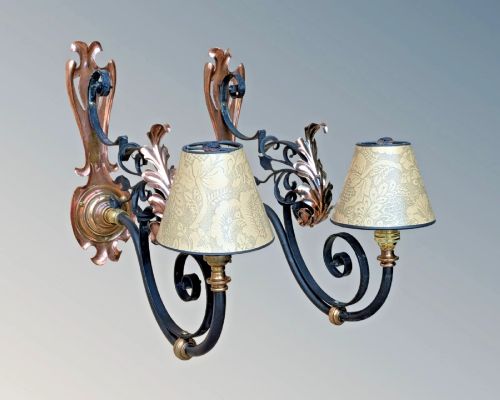
The sophistication of decorative metalwork, such as pierced brass detailing, hand-beaten texture, and complex bracket designs, distinguishes finer workshop output. Original glass panels, whether clear, smoked, or opaline, add considerable integrity to hanging and wall-mounted lanterns.
Vintage Copper Lighting Retail Price Guide 2026
Typical asking prices for vintage copper lighting among the pieces listed under this phrase on Sellingantiques today, from the lower quarter to the upper quarter. They describe what is for sale here now, not the wider market.
Listings span the Victorian and Edwardian eras, through the 1920s and 1930s, featuring copper, brass, iron, and glass across lighting forms.
REVO Leicester·Maison Jansen·Andre Arbus·Gustave Serrurier Bovy
The Vintage Copper Lighting Glossary
- Verdigris
- A green patina formed naturally on copper and brass through atmospheric oxidation over many years. This weathered layer protects the underlying metal and provides historical depth.
- Opaline glass
- A milky, translucent glass often used for lamp shades to diffuse light softly. It appears frequently on twentieth-century table and desk lamps.
- Amsterdam School
- An architectural and design style from the early twentieth century characterised by expressionist forms and expressive brickwork or metalwork. Pieces from this movement often display patinated copper combined with brass.
- Pricket candlestick
- A candle holder featuring a central spike that pushes into the base of the candle to secure it. Large examples appear in ecclesiastical and secular metalwork.
- Post lantern
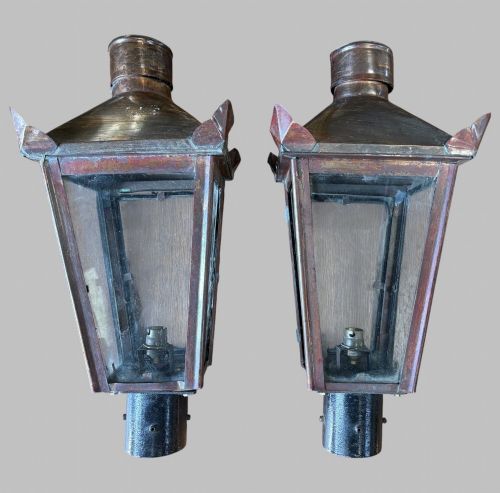
- An outdoor lighting fixture designed to mount atop a gate post, pier, or wall bracket. These fixtures typically feature multi-panel glass housing to withstand exterior conditions.
Vintage Copper Lighting: Frequently Asked Questions
How do I convert an old oil lantern for electricity?
Conversion involves running modern electrical wiring through the existing burner cavity or base while preserving the original structural components. Many fixtures retain their historical form with minor internal adaptations for standard bulb fittings.
Professional rewiring ensures the piece meets safety standards without altering the exterior appearance or damaging the vintage metalwork.
Can exterior copper lanterns stay outdoors?
Exterior street and post lanterns are built from robust copper and brass to withstand weather exposure. Over time, the metal develops a protective verdigris patina when left in the elements.
Periodic cleaning of glass panels and checking mounting brackets maintains their stability and appearance in garden or porch locations.
What is the difference between Arts and Crafts and Art Deco lighting?
Arts and Crafts copper lighting emphasises hand-beaten textures, visible rivets, and forms inspired by nature and medieval craftsmanship. The aesthetic values honest construction and artisanal skill above smooth commercial finishes.
Art Deco lighting favours geometric lines, stylised motifs, and sleek combinations of copper, brass, and glass reflecting interwar modernity.
How do I clean patinated copper?
Cleaning depends on whether you want to preserve the aged surface or restore a bright metallic shine. Most collectors prefer to leave the natural verdigris and darkened patina intact as evidence of age.
Gentle dusting with a soft cloth removes surface grime without stripping the historical skin from the metal.