


Vintage Copper Container
These vintage copper container pieces bring heavy metal warmth to a fireside or room, offering robust vessels shaped for coal, logs, and plants.

Vintage Copper Container
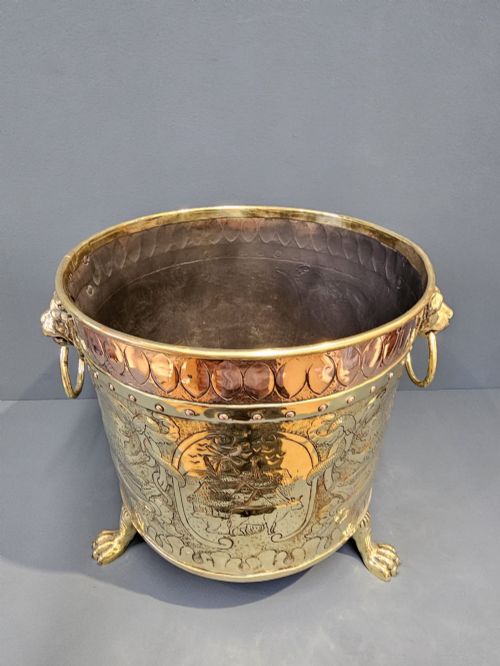
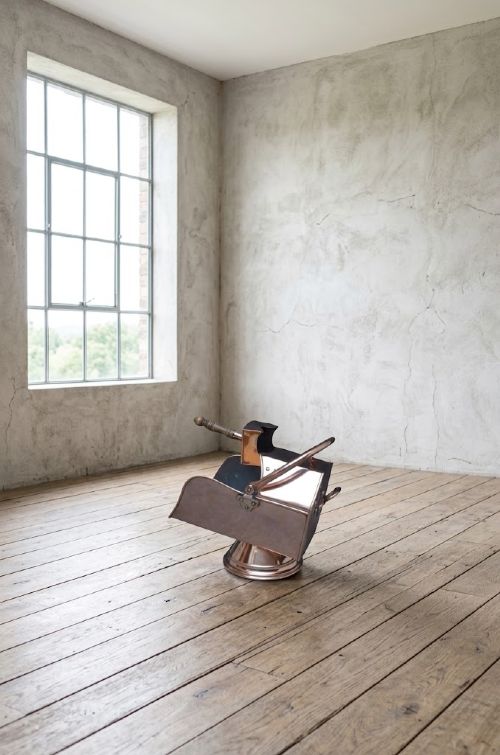
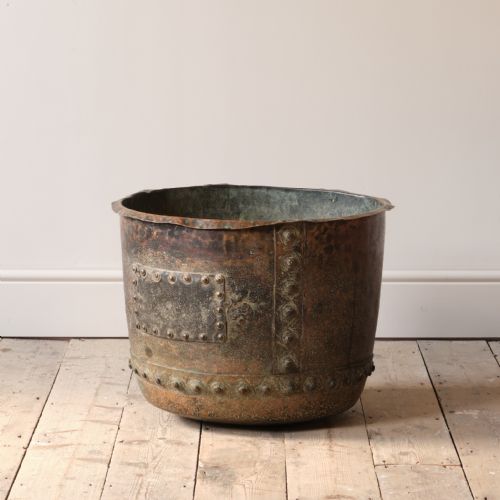
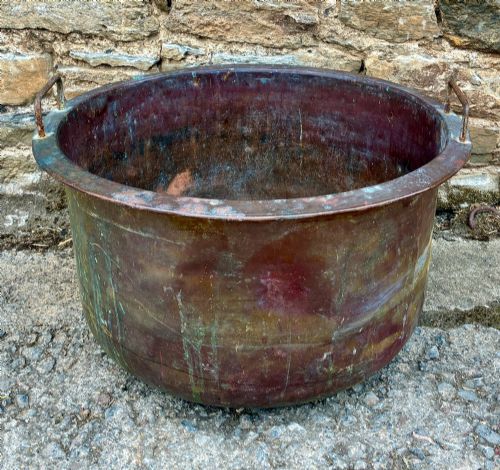
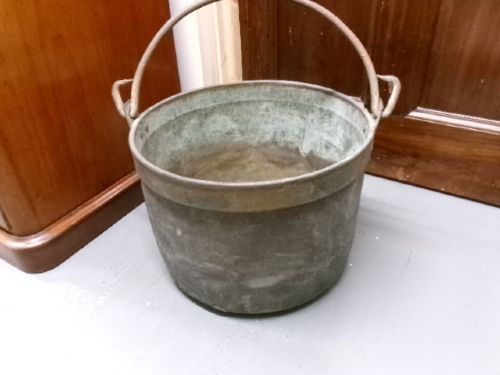
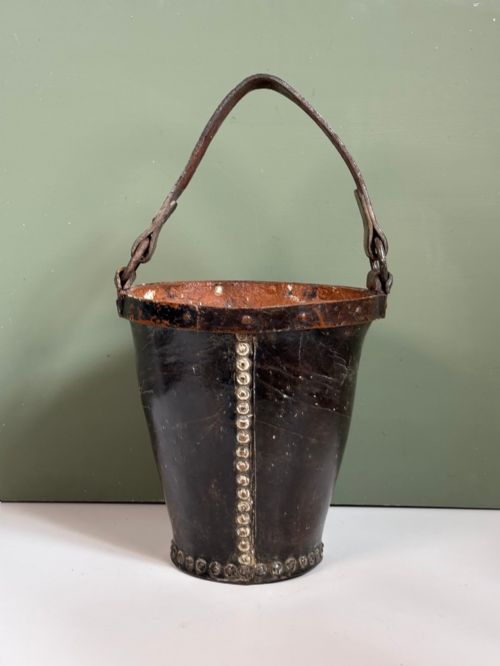
When you search for a vintage copper container, you encounter heavy utilitarian vessels designed for domestic service across the eighteenth, nineteenth, and early twentieth centuries. These items predominantly take the form of log bins, coal buckets, scuttles, and planters shaped for hearth or garden use.
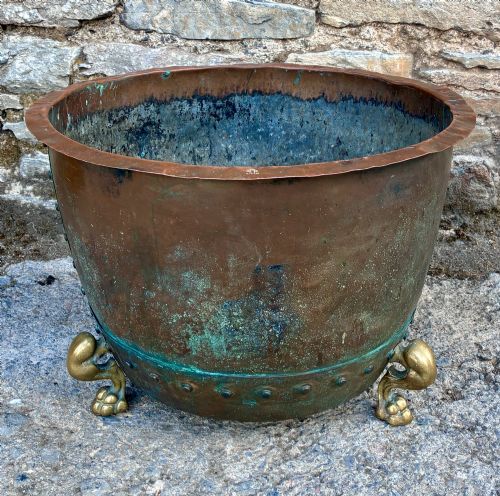
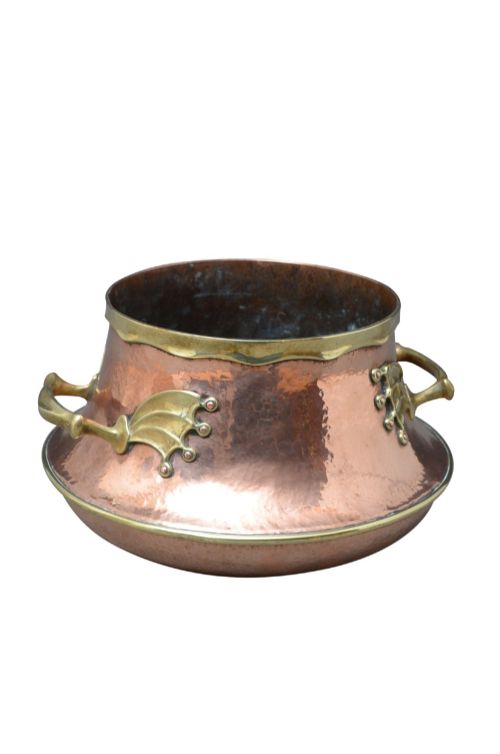
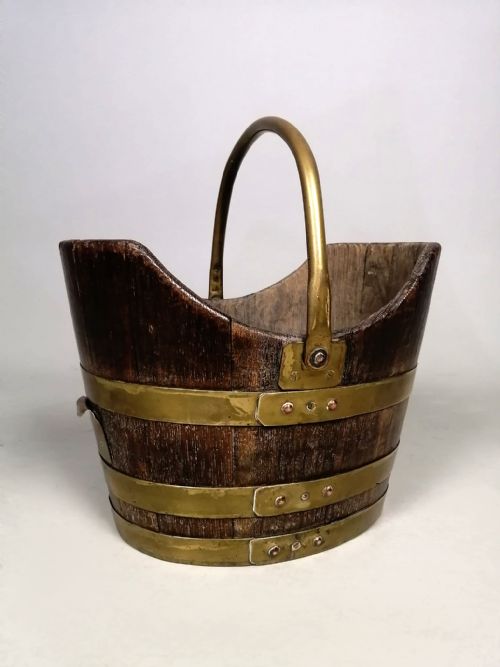
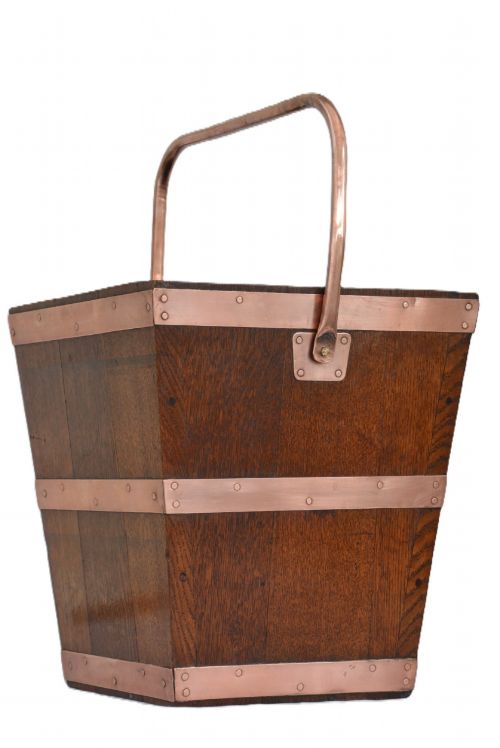
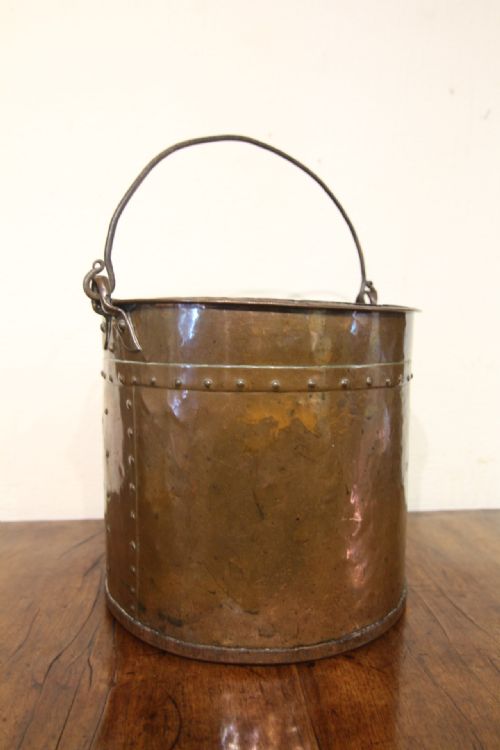
Victorian and Arts and Crafts examples dominate this selection, ranging from plain riveted coal boilers to embossed jardinières. You will frequently find pieces combining copper bodies with contrasting brass handles, iron swing bails, or oak bands.
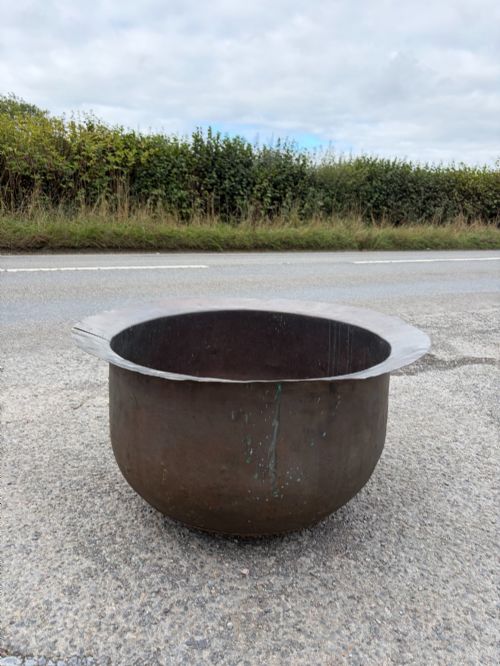
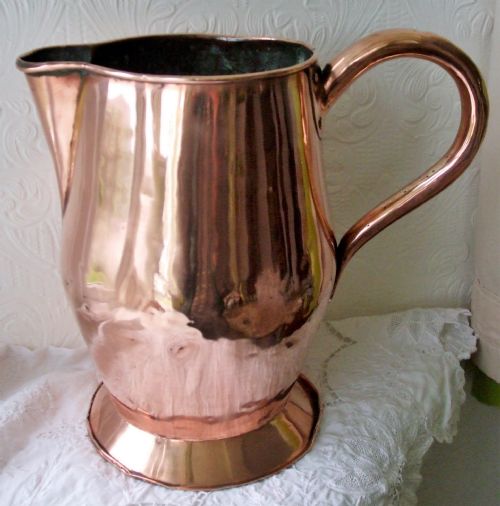
Larger vessels serve as indoor plant pots and umbrella stands, while smaller domestic items include jugs and cauldrons. The origins span Georgian domestic metalwork through to early twentieth-century Arts and Crafts design.
How they were made
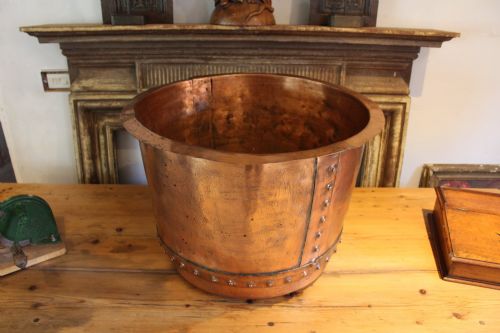
Maker construction relies on heavy sheet copper joined by visible hand-beaten rivets or seams, designed to withstand the physical demands of holding coal, water, and logs. Workshops added structural rigidity through wrought iron frames, brass bands, and swing handles.
Surface finish varies from plain polished metal to embossed plant motifs typical of Arts and Crafts and Art Nouveau items. Handles and feet often incorporate brass castings or turned oak and wood elements riveted directly to the copper body.
Vintage Copper Container Retail Price Guide 2026
Typical asking prices for vintage copper container among the pieces listed under this phrase on Sellingantiques today, from the lower quarter to the upper quarter. They describe what is for sale here now, not the wider market.
Listings span the eighteenth, nineteenth, and early twentieth centuries, featuring materials such as copper, brass, wrought iron, and oak.
What varies in quality
Quality rests upon the gauge of the metal, the weight of the supporting brass or iron work, and the crispness of any hand-beaten detailing. Thicker copper sheets resist denting and hold a straighter rim under the strain of heavy loads of logs or coal.
The integrity of construction separates standard utilitarian items from finer decorative pieces, particularly in the strength of the riveted joints and the original attachment of swing handles. Subtle hand-hammered texturing and integrated brass bands elevate decorative items above plain industrial tubs.
The Vintage Copper Container Glossary
- Jardiniere
- An ornamental pot or stand for holding plants or flowers. These items appear in copper and brass across Victorian and Arts and Crafts designs.
- Coal Scuttle
- A bucket or box specifically designed for holding coal by a fireplace. They frequently feature hinged lids or helmet shapes with swing handles.
- Riveted
- Joined together using metal pins hammered flat at the ends. This technique secures overlapping copper sheets on heavy buckets and boilers.
- Cauldron
- A large round pot or kettle, typically with a swing handle for suspension or carrying. Examples in this metalwork category pair copper bodies with brass fittings.
- Embossed
- Decorated with a design raised in relief from the surface. This technique appears on nineteenth-century brass bands and copper bodies.
Vintage Copper Container: Frequently Asked Questions
How do I clean a copper container?
Wash the surface gently with warm soapy water and a soft cloth to remove everyday dust and grime. Avoid abrasive scouring pads that scratch the metal or strip away the natural historic patina.
Dry the vessel thoroughly with a soft towel to prevent water spots. Many collectors prefer leaving the dark oxidized tones untouched rather than polishing the metal to a bright shine.
Can I use these containers for plants?
Many of these vessels function well as indoor planters or jardinières, provided you place a waterproof saucer or liner inside. Direct contact with wet soil and standing water can accelerate internal corrosion.
Check the base of older riveted pieces for historical leaks before filling them with damp compost. Placing a plastic pot inside preserves the dry interior of the metalwork.
What is the difference between a log bin and a coal bucket?
Log bins are typically wider, straighter-sided vessels designed to hold firewood logs beside an open hearth. They often feature reinforced iron frames or oak bands for extra strength.
Coal buckets and scuttles generally feature narrower spouts or hinged lids designed for carrying small fuel cleanly. Helmet-shaped scuttles slope downward to direct loose coal onto the fire.
How do I date an antique copper piece?
Examine the construction methods, such as the size and regularity of the rivets and the style of the handle attachments. Hand-beaten seams and wrought iron fittings point toward nineteenth-century manufacture.
Stylistic cues also help narrow the period, with floral embossed patterns indicating Arts and Crafts or Art Nouveau influence. Georgian examples display simpler, heavier brass banding and plain riveted construction.