





Vintage Coopered Vessel
A vintage coopered vessel brings robust timber and gleaming metal bands together, offering tactile history and practical presence for any room.
Vintage Coopered Vessel
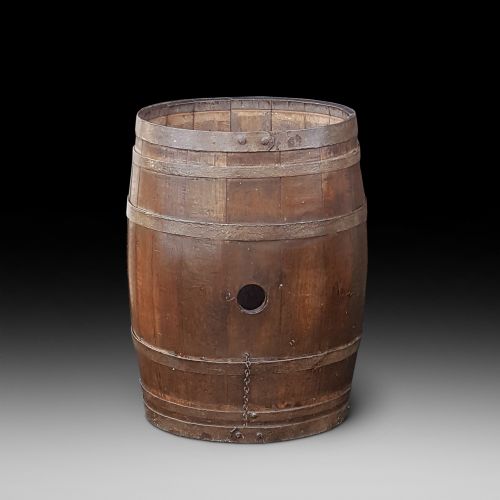
A vintage coopered vessel is a stout container formed of tight wooden staves bound with metal hoops, created through traditional barrel-making techniques. When you search for a vintage coopered vessel, you are looking at sturdy containers originally built for holding liquids, coal, peat, or naval rations.
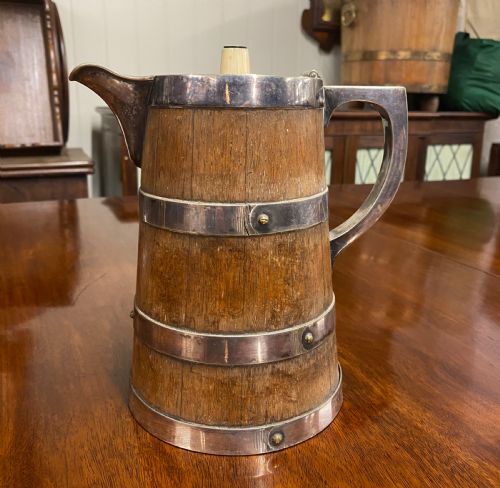
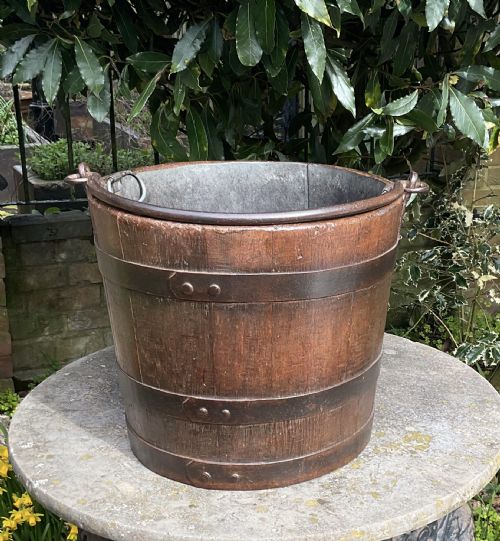
The selections available here span several distinct periods including the Georgian era, Victorian times, and the Edwardian period. You will encounter familiar domestic forms such as oak jugs, umbrella stands, log bins, and well buckets alongside specialised Scottish peat buckets.
Most pieces date from the nineteenth and early twentieth centuries, reflecting the enduring utility of coopered construction in daily life. Oak remains the predominant timber, frequently secured with brass or iron bands to ensure lasting strength.
Materials and construction
Makers fashioned these vessels primarily from solid oak and occasionally mahogany, selected for grain density and resistance to moisture. Individual staves were skillfully tapered to form watertight cylinders or tapering sides without relying on modern adhesives.
Metal components such as brass and iron were forged into heavy bands or hoops, then driven tightly over the timber staves to hold the entire structure under constant tension. Handles, liners, and swing Bales in brass or wrought iron completed the functional assembly.
Vintage Coopered Vessel Retail Price Guide 2026
Typical asking prices for vintage coopered vessel among the pieces listed under this phrase on Sellingantiques today, from the lower quarter to the upper quarter. They describe what is for sale here now, not the wider market.
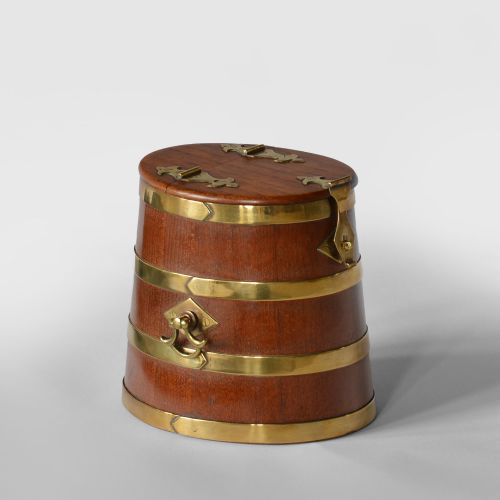
Miniature naval rum barrels remind us that even the daily spirit ration deserved proper cooperage.
Judging quality and proportion
Quality rests upon the tightness of the stave joints, the integrity of the timber, and the weight of the metal banding. Superior examples display precise hand-shaping where staves meet seamlessly without heavy filler or makeshift repairs.
The presence of original metal liners, authentic handles, and well-preserved patination on both wood and brass distinguishes finer specimens. Proportion and balance also matter, as better pieces maintain harmonious lines whether shaped as a tall umbrella stand or a miniature rum barrel.
The Vintage Coopered Vessel Glossary
- Coopered vessel
- A container built from curved wooden staves joined edge to edge and bound with hoops, following traditional barrel-making methods. This method creates strong hollow forms capable of holding dry goods or liquids.
- Stave
- One of the narrow, shaped wooden pieces that form the sides of a barrel or bucket. Each stave is bevelled on the edges so they fit tightly together when bound.
- Hoop
- A metal band encircling the wooden staves to hold them firmly in place. Hoops are traditionally driven down tightly over the tapered body of the vessel.
- Peat bucket
- A specialised low container traditionally used in Scottish homes for holding turf fuel by the fireplace. These often feature distinctive brass handles and reinforced staves.
- Patina
- The surface sheen and colour developed by wood and metal through age and handling. A natural patina shows genuine use over decades.
Vintage Coopered Vessel: Frequently Asked Questions
What were coopered vessels used for?
These vessels served demanding practical roles in homes, ships, and farms for carrying water, holding coal, storing rum, or containing umbrellas.
Over time, their sturdy construction made them reliable utilities before transitioning into decorative household storage.
How do I care for an oak coopered bucket?
Keep the timber away from direct heat sources and sudden temperature shifts to prevent the wood from shrinking and loosening the metal hoops.
An occasional application of appropriate wax will nourish the dry oak and maintain the finish of the brass bands.
How can I tell a Victorian vessel from an Edwardian one?
Victorian pieces frequently display heavier brass work and darker oak patination reflecting nineteenth-century domestic habits.
Edwardian examples often show slightly cleaner lines and lighter timber finishes characteristic of early twentieth-century interiors.
Can these containers still hold water?
While many retain their original tight stave construction, dry indoor environments often cause the wood to contract slightly.
It is best to test them gently before use or rely on them for dry storage such as logs, umbrellas, or dried flowers.