





Vintage Convertible High Chair
A vintage convertible high chair is a clever piece of child's furniture that adapts for dining or play.
Vintage Convertible High Chair
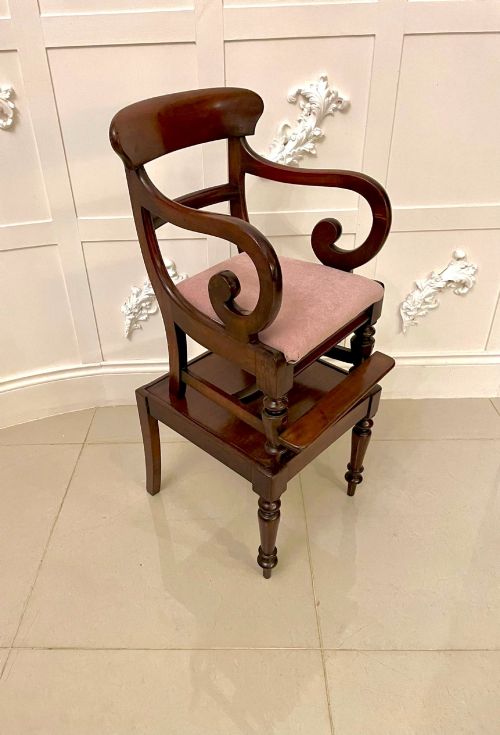
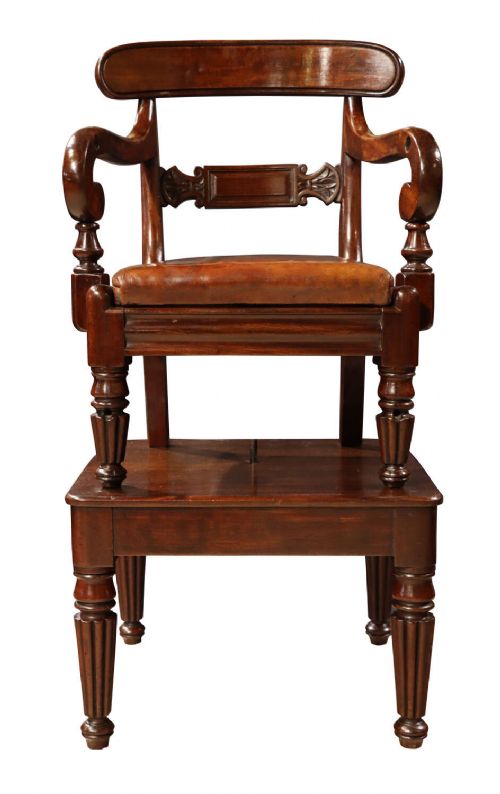
A vintage convertible high chair encompasses metamorphic forms and chairs on separate stands designed for children across several historic periods.
The selections here most commonly feature mahogany timber, with examples spanning the Georgian, Regency, William IV, and Victorian eras.
These pieces function as both standard low seating and elevated high chairs, often utilising a detachable stand or a folding mechanism.
Materials and construction
Cabinetmakers utilised dense timbers such as mahogany and beech to construct robust frames capable of supporting active children.
Seating areas frequently incorporated woven cane or upholstered pads finished with leather, fabric, iron, and brass fixings.
Joinery methods included turned supports, panelled backs, and secure locking mechanisms for the metamorphic stands.
Vintage Convertible High Chair Retail Price Guide 2026
Typical asking prices for vintage convertible high chair among the pieces listed under this phrase on Sellingantiques today, from the lower quarter to the upper quarter. They describe what is for sale here now, not the wider market.
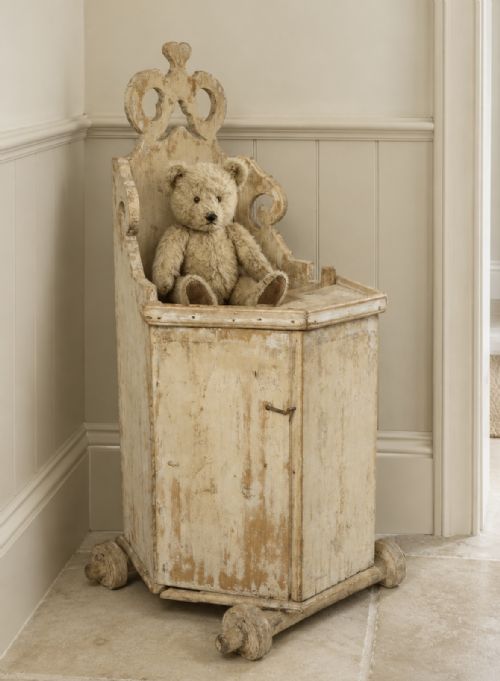
The listings span the eighteenth and nineteenth centuries, featuring Georgian, Regency, William IV, and Victorian eras alongside Scandinavian country pieces.
Judging quality and merit
Quality rests upon the ingenuity of the metamorphic mechanism and the integrity of the original timber frame rather than surface decoration alone.
Superior examples display sophisticated turning, well-preserved caning, and complete stands that retain their original functional hardware without intrusive alterations.
The Vintage Convertible High Chair Glossary
- Metamorphic
- Furniture designed to transform from one distinct form into another, such as a low chair mounted onto a separate wooden stand to create a high chair. This ingenious engineering allowed nursery furniture to serve multiple domestic purposes.
- Caning
- A seating technique involving woven rattan or split cane stretched across a wooden frame. It provides a flexible yet durable surface common in historic child seating.
- Stand
- A raised wooden base or chassis designed to receive a smaller chair, elevating it to table height. These frames often feature integrated footrests for the child.
- Tub chair
- A seating form characterised by a continuous curved back and arms enclosing the sitter. In children's furniture, this shape offered added security during meals.
Vintage Convertible High Chair: Frequently Asked Questions
How do metamorphic high chairs work?
These designs typically feature a detachable lower base frame or a pivoting mechanism that converts a low nursery chair into an elevated dining seat.
Owners simply unlatch or lift the upper chair component from its supporting stand to change the overall height.
What woods were commonly used?
Cabinetmakers relied heavily on durable hardwoods like mahogany and beech to withstand daily nursery use.
Secondary woods and painted pine also appear in regional pieces, alongside cane and leather details.
How do I date these chairs?
Dating relies on stylistic markers such as Regency curves, Georgian proportions, and Victorian turnings.
Construction methods and joinery details further help place a piece within the eighteenth or nineteenth century.
Are these chairs safe for children?
While built with sturdy hardwood frames, these historic items served domestic and nursery functions in earlier centuries.
Modern buyers generally treat them as decorative display pieces or collectable furniture rather than functional daily seating for infants.