


Vintage Concealed Sword Stick
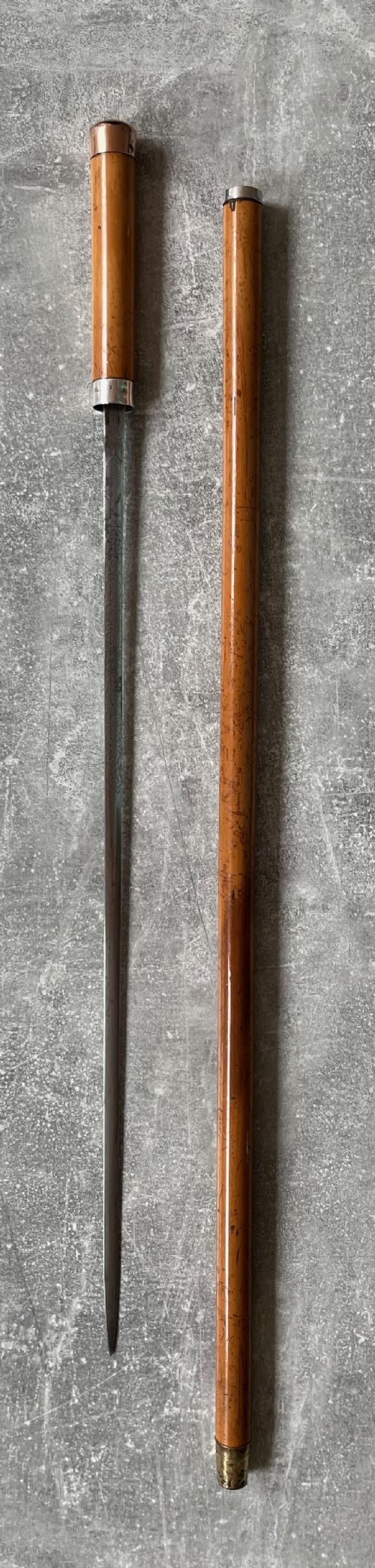
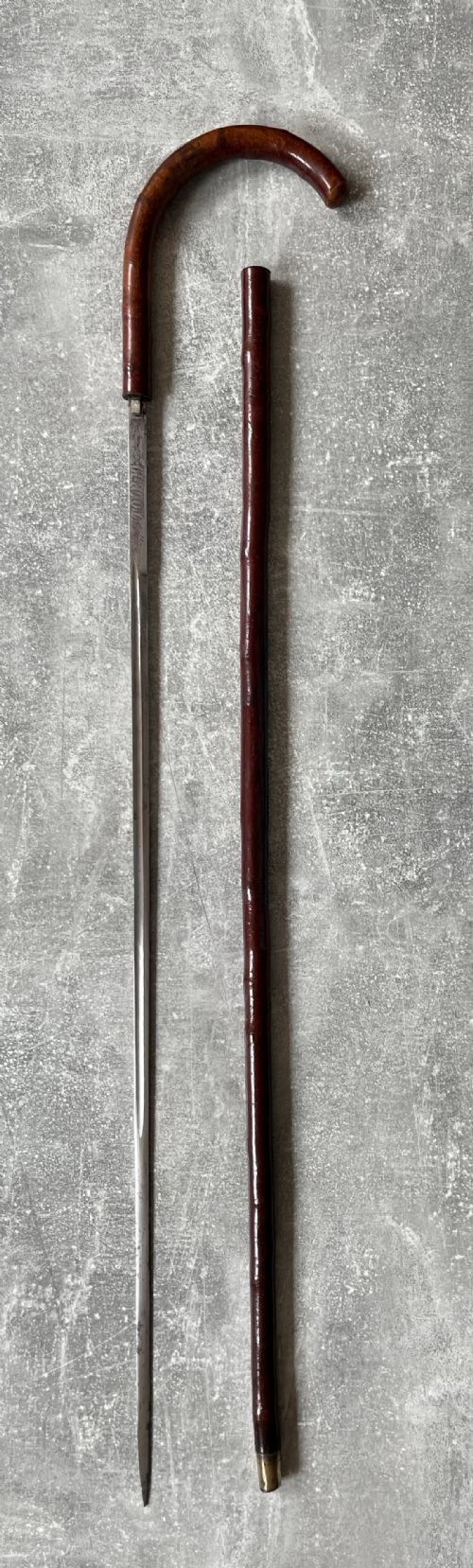
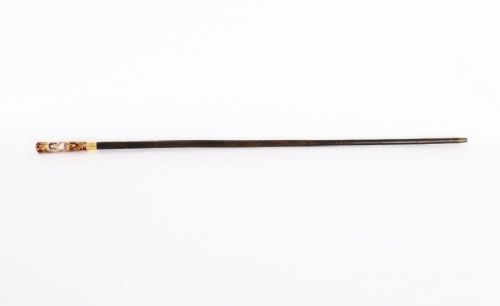
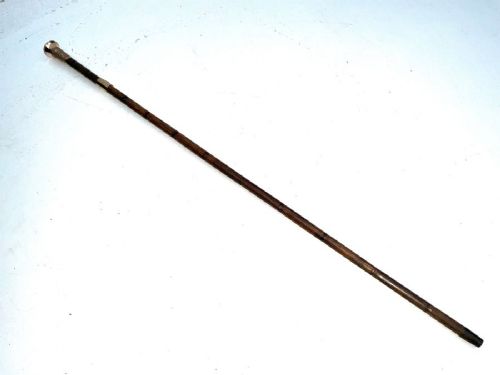
A vintage concealed sword stick balances gentlemanly discretion with hidden steel, offering a fascinating glimpse into late nineteenth and early twentieth century self-defense.
Vintage Concealed Sword Stick
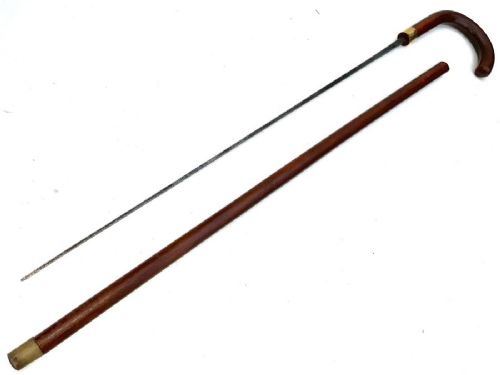
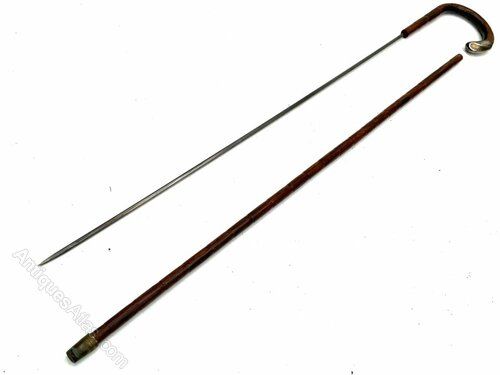
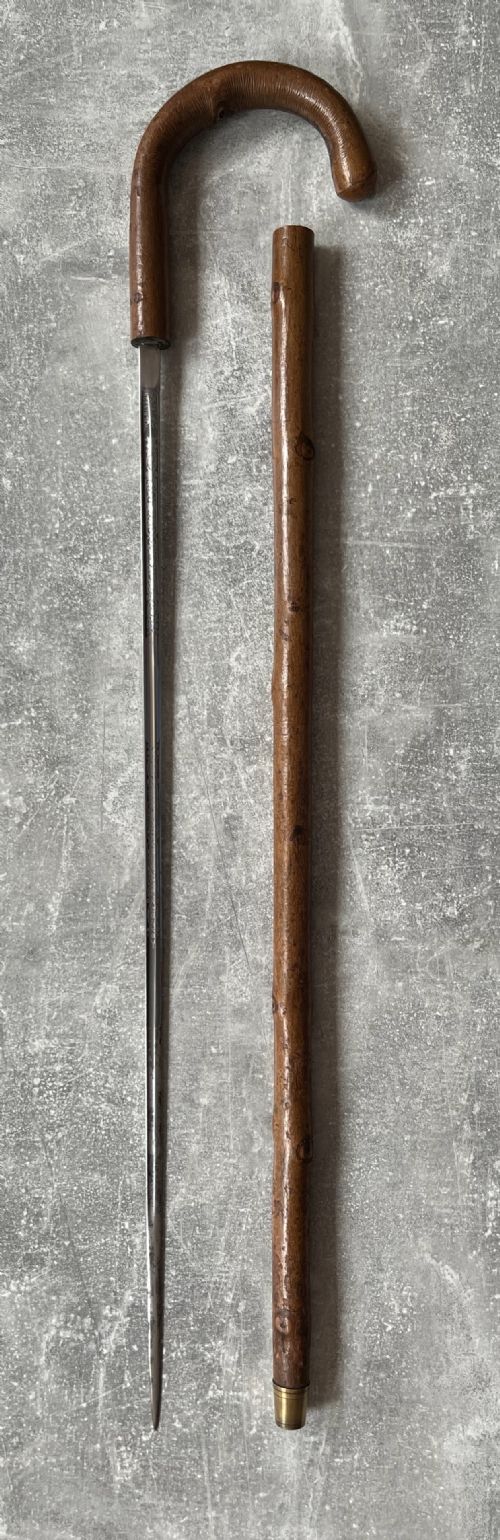
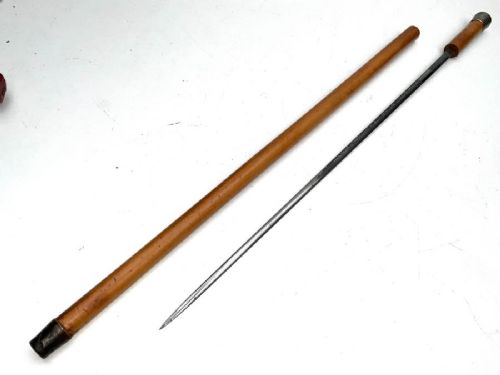
When you search for a vintage concealed sword stick, you are looking at sophisticated walking aids housing hidden blades beneath traditional handles. The most common examples on this page date from the Victorian and Edwardian eras, spanning the late nineteenth and early twentieth centuries.
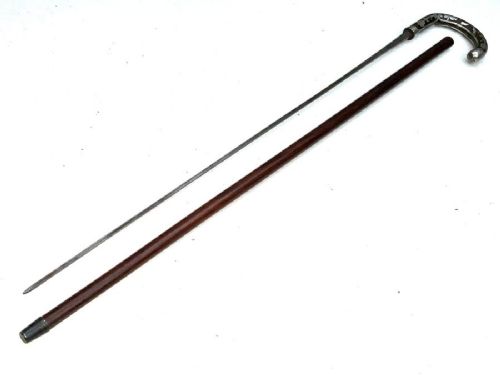
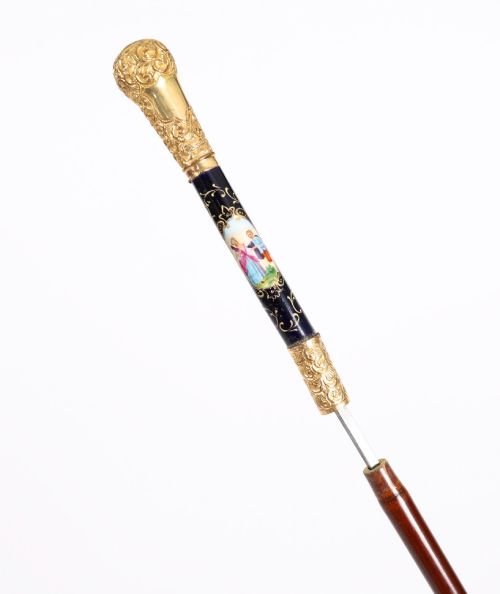
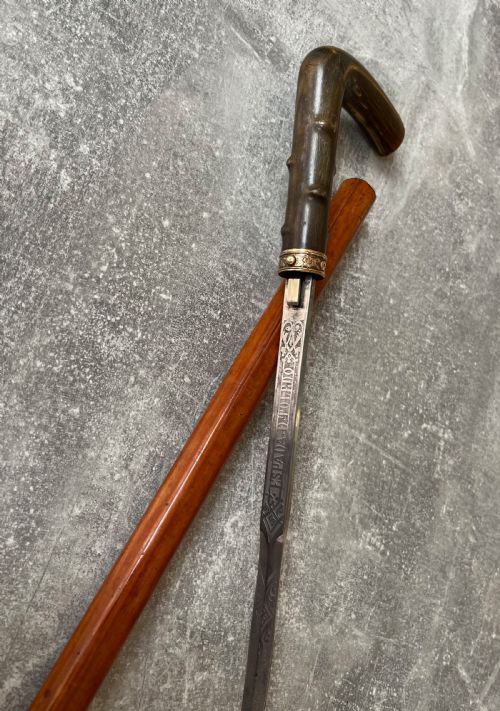
Variations include crook handles, horn grips, hammer head grips, and ornate silver or gold mounts. French examples occasionally incorporate Sevres porcelain, while military or Masonic variations reflect specific organizational ties of the period.
How They Were Made
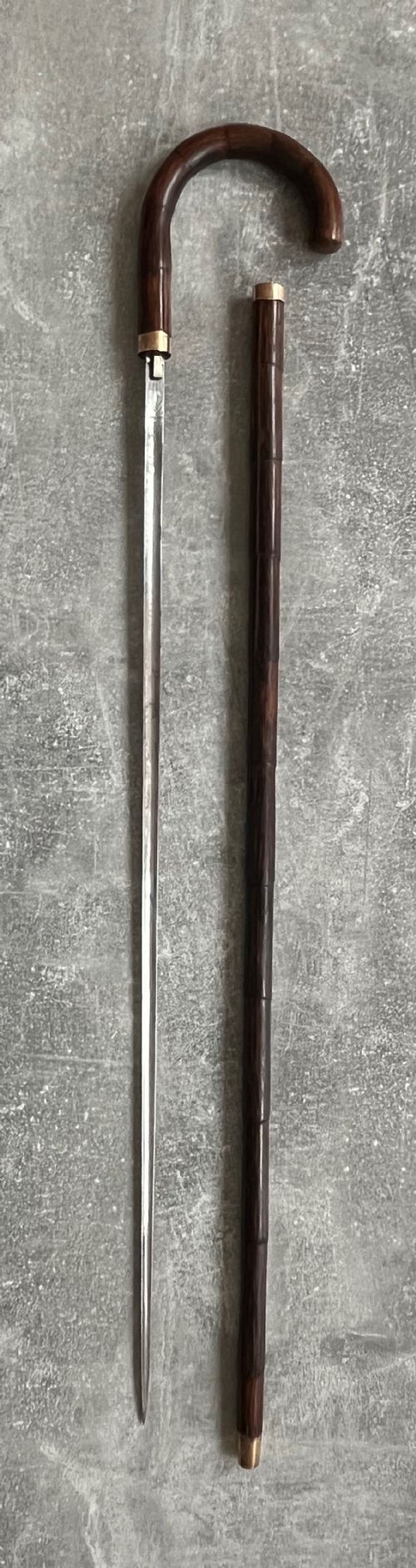
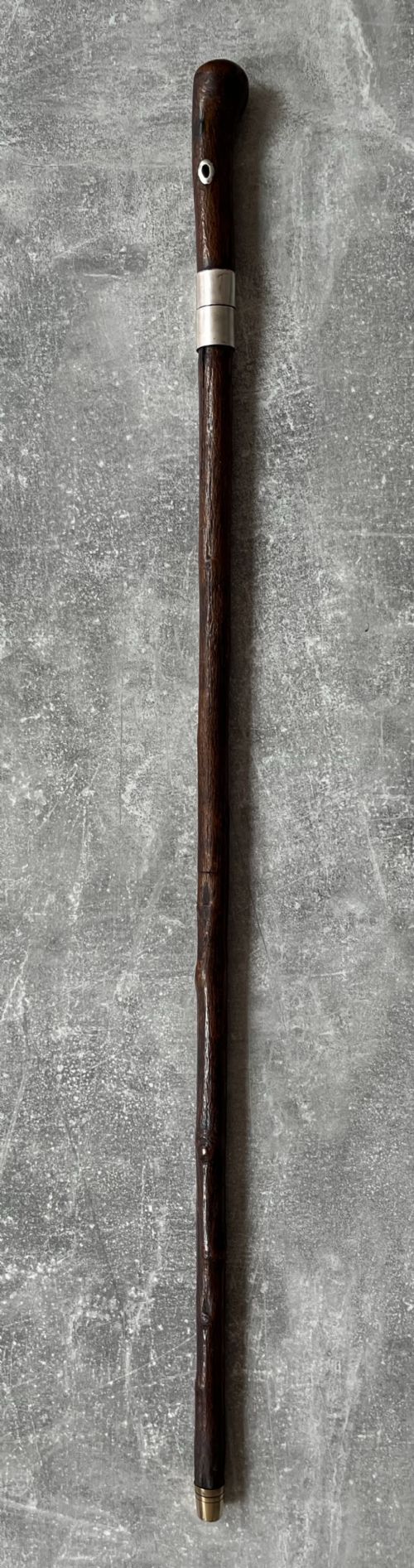
The construction of a vintage concealed sword stick relies upon the careful pairing of natural woods or canes with high-grade steel blades. Shafts are formed from materials such as malacca, bamboo, partridge wood, ebony, and hazel, often fitted with a button release mechanism to secure the blade safely within.
Metalwork plays a crucial structural and decorative role, utilising brass, silver collars, gold plate, and leather coverings. Blades themselves often originate from renowned workshops, notably Toledo or Wilkinson, and frequently display intricate etched decoration along the steel.
Listings span the nineteenth and twentieth centuries, incorporating Victorian and Edwardian periods alongside French regional examples.
What Varies in Quality
The distinction between ordinary and exceptional examples rests upon the pedigree of the blade and the craftsmanship of the mounts. Blades bearing signatures from makers like Wilkinson or Toledo represent a superior grade of steel manufacture.
Execution of detail defines the upper tier, seen in solid silver or gold mounts, hand-carved horn or root-ended handles, and precise button release mechanisms that ensure a flush, seamless fit when closed.
Brigg·Wilkinson
The Vintage Concealed Sword Stick Glossary
- Swagger stick
- A short walking stick traditionally carried by military officers as a symbol of authority. These often concealed slim blades suited for ceremonial or personal defence.
- Malacca cane
- A premium variety of rattan featuring characteristic brownish-mottled skin and high tensile strength. It remains a preferred material for flexible and durable walking sticks.
- Toledo blade
- A piece of steel originating from a Spanish city renowned globally for sword-making traditions. These blades denote high metallurgical quality and flexibility.
- Knop
- A rounded knob or ornamental handle at the top of a stick. They appear in bone, silver, porcelain, or horn.
- Button release
- A concealed spring-loaded mechanism built into the collar or shaft. It secures the blade firmly inside the cane until pressed.
Vintage Concealed Sword Stick: Frequently Asked Questions
Who carried vintage sword sticks?
These combination pieces were commonly carried by gentlemen, travellers, and military officers during the nineteenth and early twentieth centuries. They served as dual-purpose accessories providing walking support and personal protection in urban environments.
Specialist variants were also produced for fraternal groups such as Masonic lodges, reflecting the social affiliations of the owner.
How do you date a sword stick?
Dating relies upon examining the style of the handle, the materials used, and any hallmarked silver or gold mounts. Victorian and Edwardian examples often feature specific wood choices like malacca or partridge wood alongside distinctive blade etchings.
Assay office marks on silver collars provide precise years of manufacture for pieces produced in London and other British cities.
What wood is best for a cane?
Traditional hardwoods such as partridge wood, hazel, cherrywood, and ebony offer exceptional rigidity and impact resistance for daily walking use. Malacca cane and bamboo provide a lighter, fibrous alternative with natural flexibility.
The choice often depends upon whether the stick was intended for rigorous outdoor trekking or formal urban carriage.