

Vintage Commode Drawers
Vintage commode drawers offer practical bedside or hallway storage through pieces shaped in mahogany, oak, and walnut across Georgian, Victorian, and later periods.
Vintage Commode Drawers
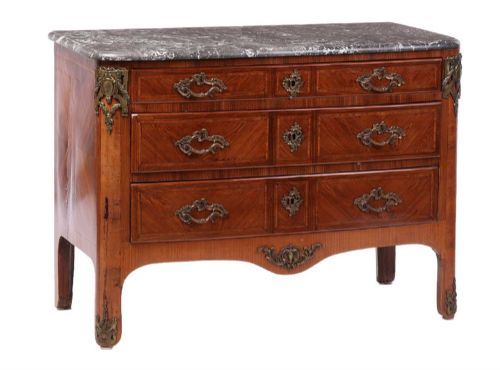
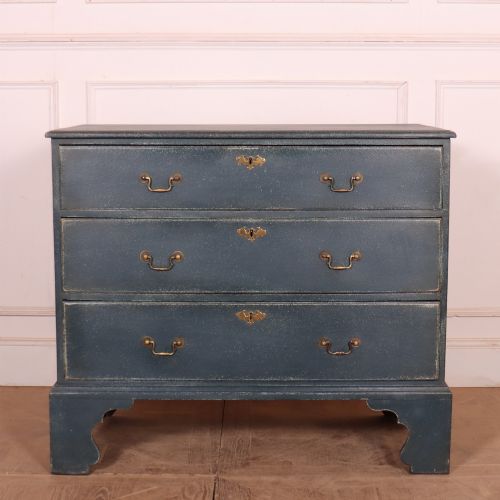
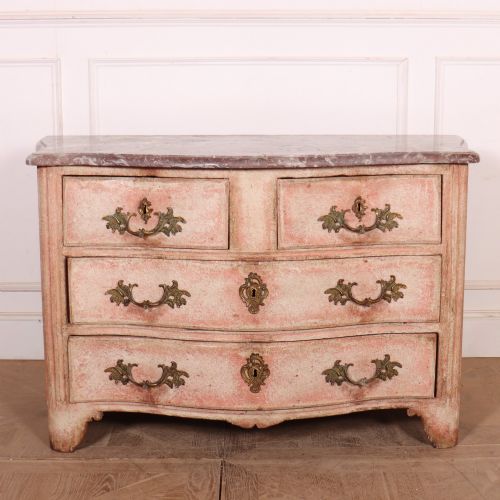
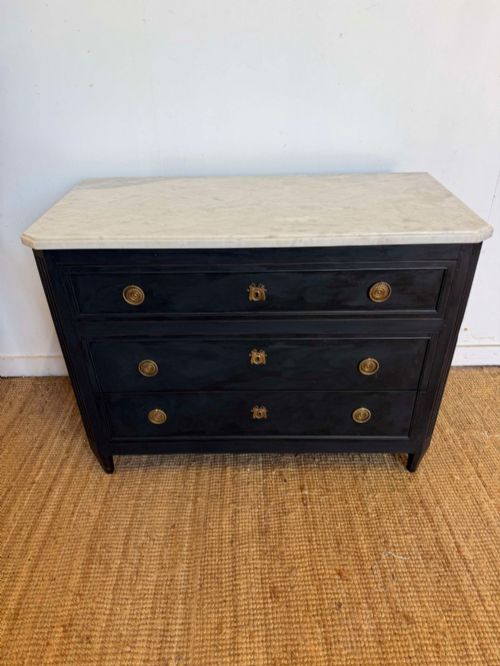
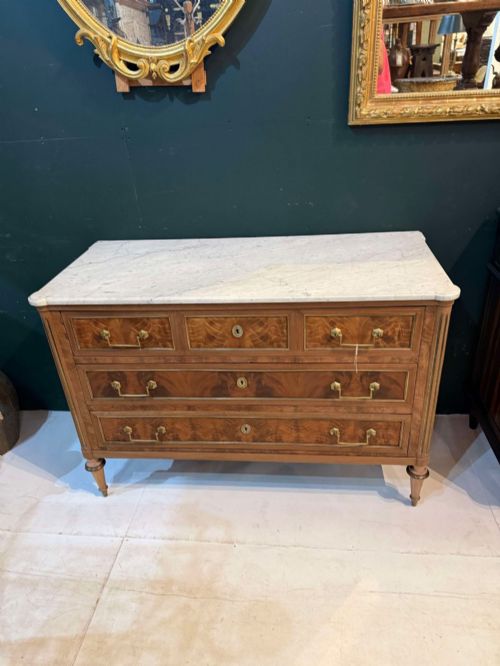
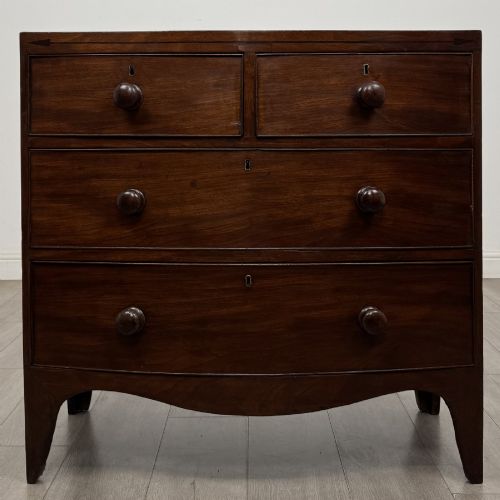
Vintage commode drawers represent a diverse group of storage furniture spanning several centuries, including early oak examples and later mahogany models. Buyers searching for vintage commode drawers encounter various regional styles, ranging from English bow fronts to French marble top commodes.
The selection on this page relies heavily on nineteenth-century and twentieth-century interpretations, alongside earlier Georgian and Regency specimens. Cabinets, chests of drawers, and small cupboards form the primary object types available to collectors.
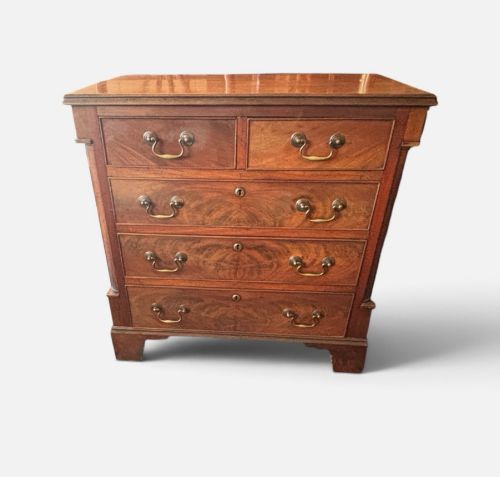
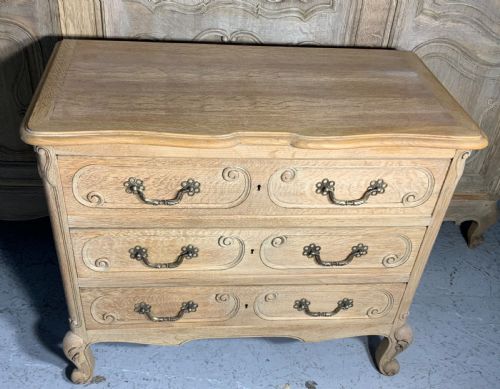
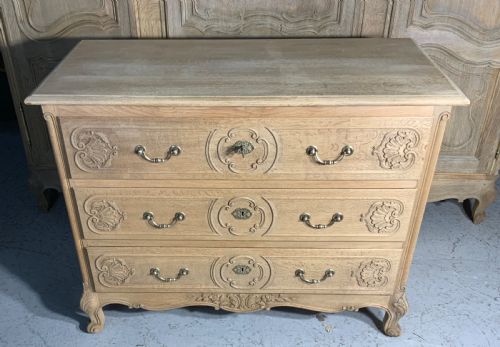
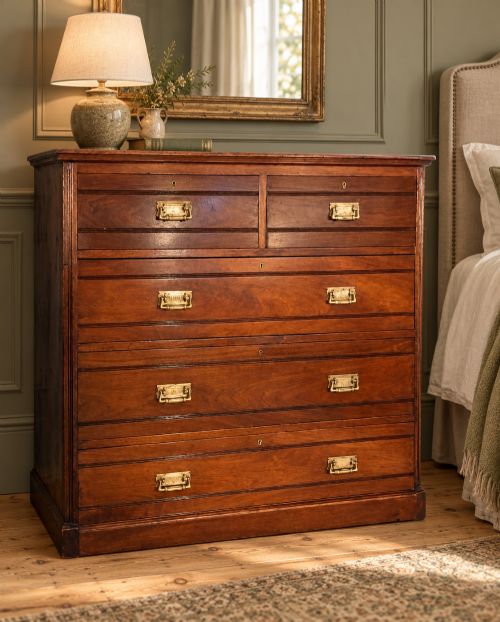
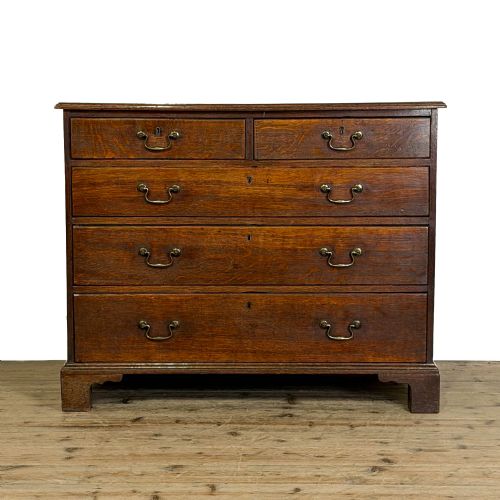
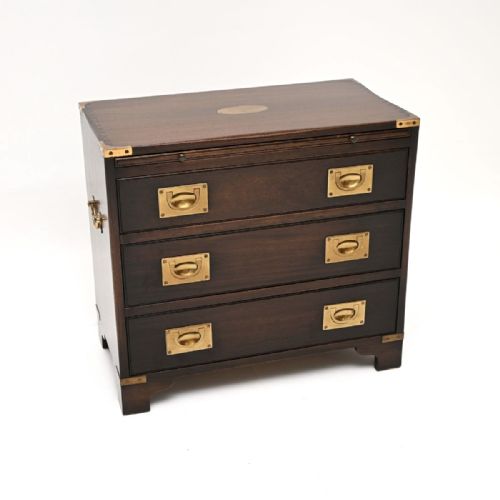
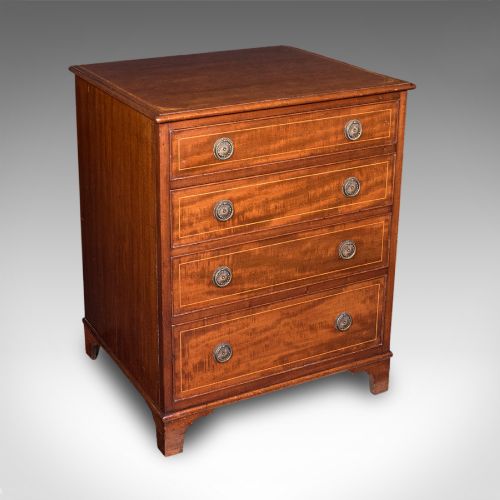
Mahogany and oak dominate the timber choices, frequently paired with brass handles, bracket feet, or raised galleries. Pieces range from formal Georgian proportions to country pine and ash constructions.
How they were made
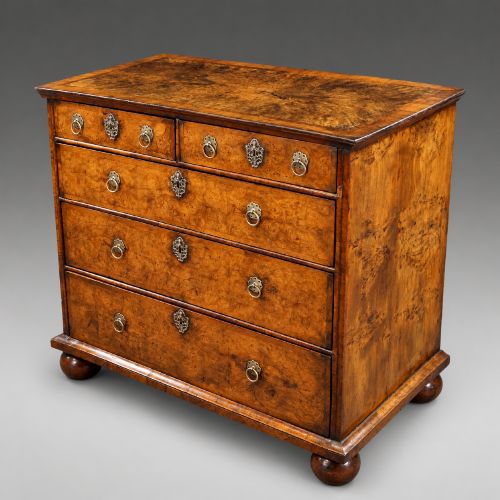
Cabinet makers constructed these pieces using solid timbers like oak, mahogany, and walnut, often applying burr walnut veneers to prominent drawer fronts. Dovetail joints secured the drawer construction, ensuring durability over centuries of daily opening and closing.
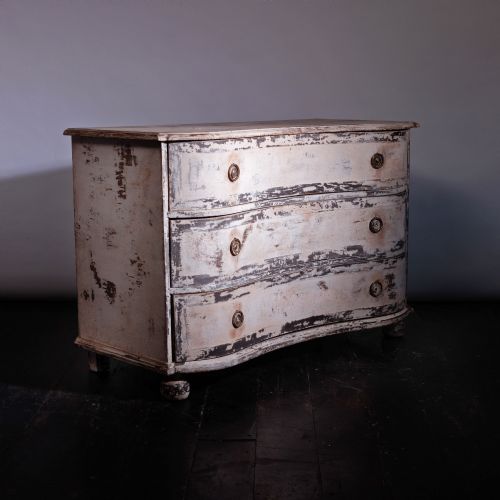
Surface finishes included traditional wax polishing, modern paint treatments, and polished marble tops imported for continental commode styles. Brass hardware, from simple drop handles to decorative cup handles, completed the assembly of each cabinet.
Vintage Commode Drawers Retail Price Guide 2026
Typical asking prices for vintage commode drawers among the pieces listed under this phrase on Sellingantiques today, from the lower quarter to the upper quarter. They describe what is for sale here now, not the wider market.
One determined cabinet hides its drawers behind mirrored panels, proving that even storage chests enjoy a bit of reflection.
What varies in quality
Quality in these chests rests upon the selection of timber figure, the crispness of inlaid details, and the integrity of the original feet and handles. Superior examples display carefully matched grain patterns across drawer tiers and retain their structural stability without modern timber replacements.
The finesse of the drawer construction and the weight of the applied marble tops differentiate standard utility storage from finer cabinet work. Original brass hardware and undamaged bracket feet or bun feet elevate the standing of any individual piece.
The Vintage Commode Drawers Glossary
- Bow front
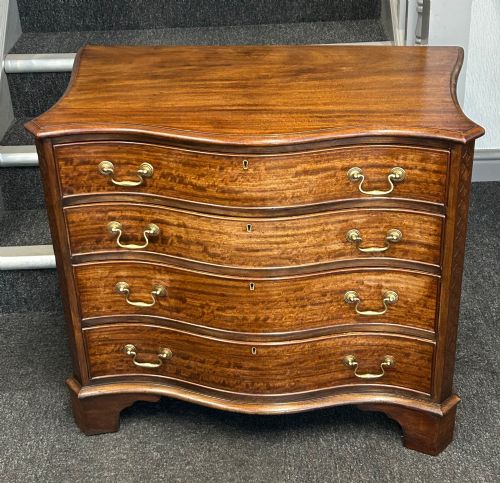
- A cabinet front that curves outward in a convex shape. This configuration became particularly popular during the Georgian and Regency periods for mahogany chests.
- Bracket foot
- A furniture foot shaped like a bracket, often mitred at the corner. These feet support many Georgian and Victorian case pieces.
- Gallery
- A raised border running along the top edge of a chest or cabinet. This feature prevents items from sliding off the surface.
- Commode
- A low chest of drawers or cabinet. The term frequently applies to continental European designs featuring marble tops.
- Dovetail
- A joint formed by interlocking wedge-shaped fingers. It serves as the primary method for joining drawer sides to drawer fronts.
Vintage Commode Drawers: Frequently Asked Questions
What is a commode chest?
A commode chest is a low piece of storage furniture featuring multiple drawers or cupboards. These items function well as bedside tables or hallway storage.
Originally designed for personal items, they now serve general storage needs while adding period character to a room.
How do I identify Georgian furniture?
Georgian furniture is recognised by its balanced proportions, use of solid mahogany or oak, and restrained decorative carving. Pieces often feature bracket feet and brass drop handles.
Construction details like hand-cut dovetails help confirm the age of these eighteenth-century items.
Are marble top commodes fragile?
Marble top commodes require careful handling due to the weight and potential brittleness of the stone insert. The marble sits unattached or pinned within a wooden frame.
Lifting the stone separately makes moving these heavy French and Victorian cabinets much safer.
How should I clean antique wood?
Antique wood surfaces benefit from gentle dusting with a dry cloth and occasional applications of beeswax. Avoid silicone-based sprays that damage historic finishes.
Keeping timber away from direct heat sources prevents the wood from drying out and splitting.