


Vintage Colonial Trunk
A vintage colonial trunk brings travel-worn character and rich timber grains into a room, offering sturdy storage with a distinct history.
Vintage Colonial Trunk
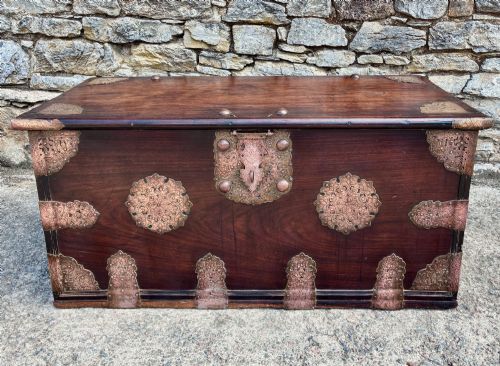
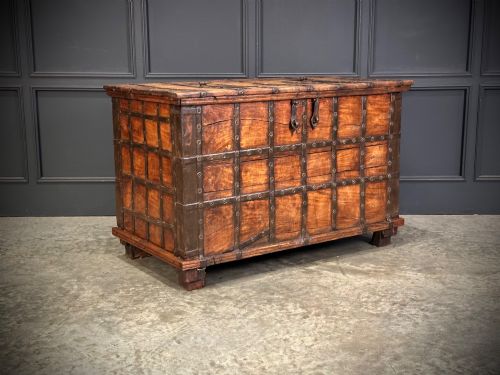
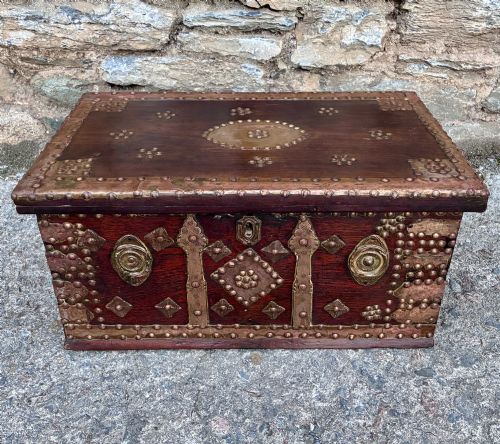
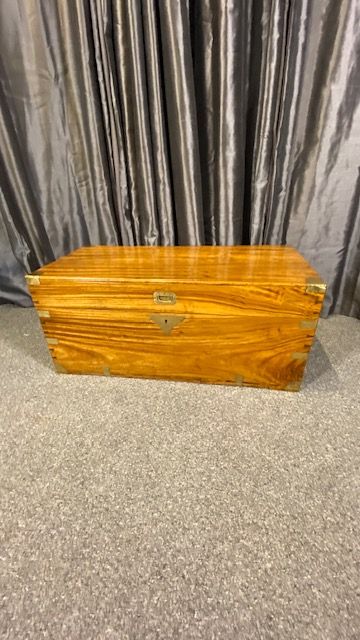
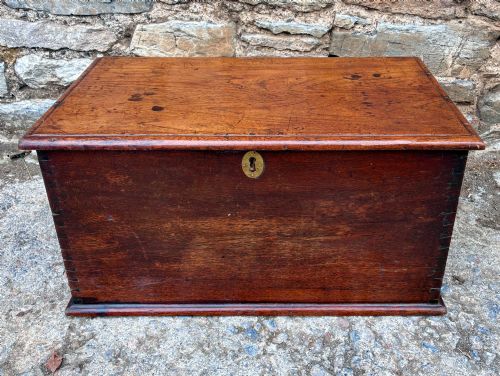
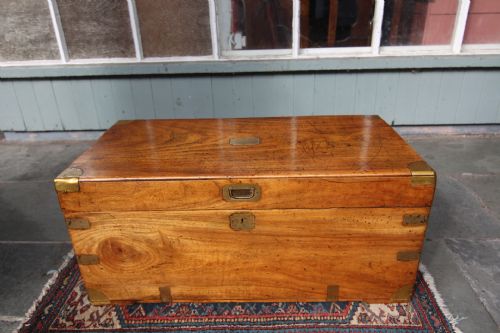
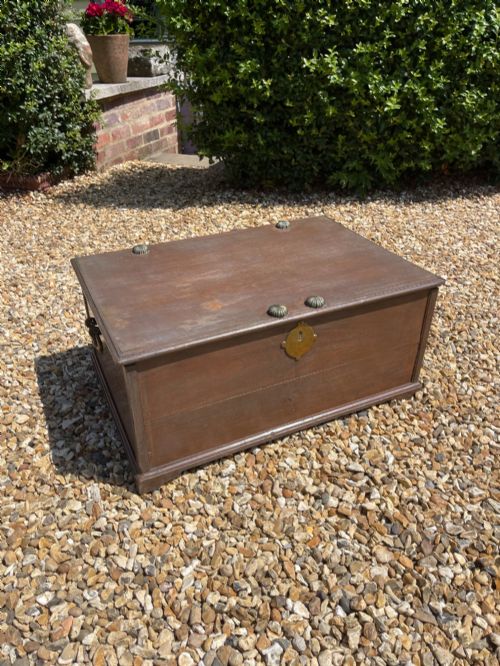
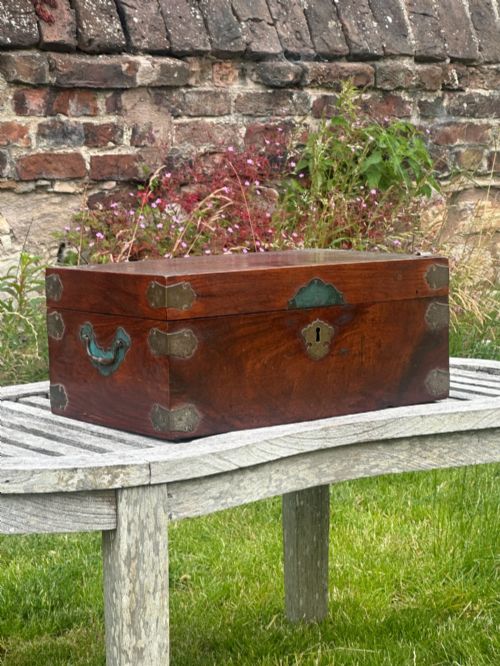
A vintage colonial trunk serves as a practical storage chest while carrying the aesthetic of distant travels and nineteenth-century expeditionary life. These pieces encompass campaign chests, blanket boxes, and Zanzibar chests designed for endurance and mobility.
Most examples found on this page date from the nineteenth century, constructed from dense Asian and tropical hardwoods intended to withstand humid climates and rough transit.
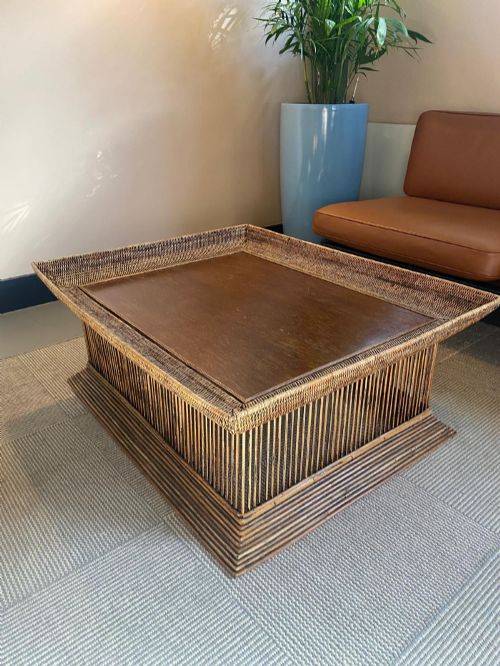
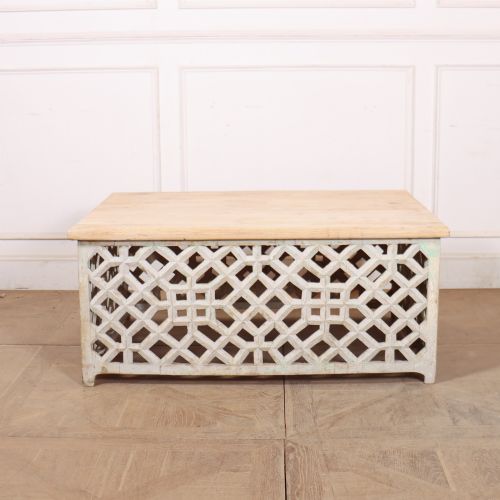
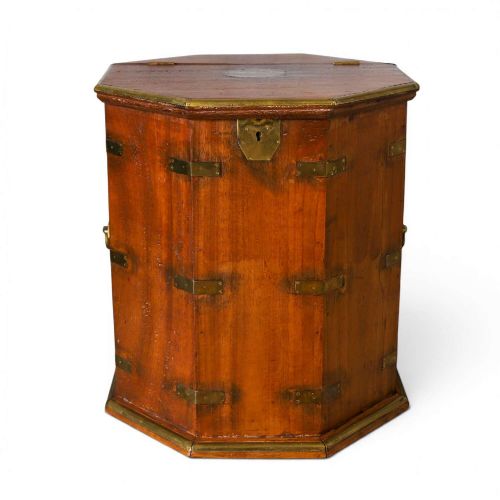
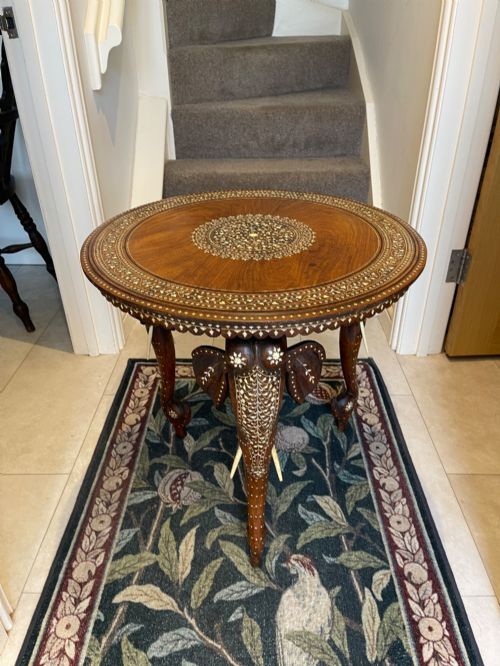
Forms range from simple brass-bound camphor boxes to compartmented two-part military chests and occasional tables adapted from regional woodwork.
Materials and construction methods
Cabinetmakers utilised durable tropical timbers such as teak, camphor wood, and padouk, which resisted insects and warping during long sea voyages.
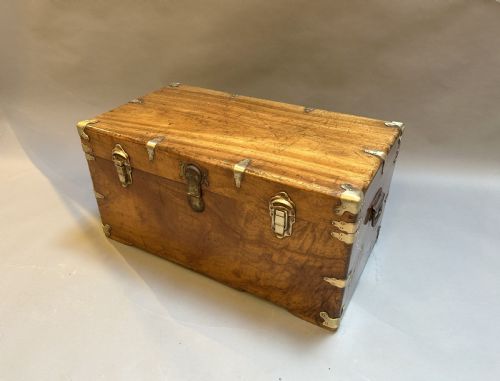
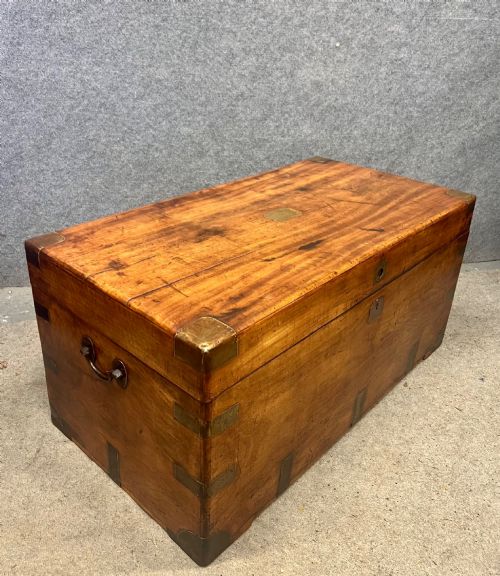
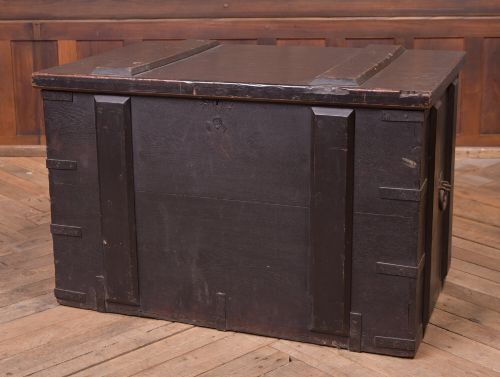
To reinforce the corners and edges against heavy handling, makers applied heavy brass binding, recessed handles, and robust iron straps secured with numerous metal studs.
Many trunks feature sectional construction, allowing officers and merchants to dismantle and transport their belongings with relative ease.
Vintage Colonial Trunk Retail Price Guide 2026
Typical asking prices for vintage colonial trunk among the pieces listed under this phrase on Sellingantiques today, from the lower quarter to the upper quarter. They describe what is for sale here now, not the wider market.
The listings span the seventeenth through the early twentieth centuries, featuring woods like camphor, teak, and padouk alongside iron and leather.
Judging the quality of a trunk
Quality rests on the selection of timber and the integrity of the original brass hardware rather than surface polish alone. Solid camphor or padouk boards with tight, unblemished grain command higher regard.
The precision of the dovetail joints and the retention of original interior fittings, such as small tills and secret drawers, separate standard utility pieces from finer examples made for commanding officers.
Hardware placement matters significantly; flush-mounted brass handles and strapwork that follow the structural lines indicate superior craftsmanship.
The Vintage Colonial Trunk Glossary
- Campaign chest
- A portable set of drawers or a trunk built in sections with recessed brass handles for military transport.
- Zanzibar chest
- A heavy storage box featuring ornate brass studding, strapwork, and a domed or flat lid, associated with East African trade routes.
- Camphor wood
- An aromatic timber prized for its insect-repellent properties, commonly used for clothing trunks.
- Padouk
- A heavy, durable reddish-brown tropical hardwood favoured for campaign furniture.
- Till
- A small internal lidded compartment fitted inside a chest for storing valuables or small items.
Vintage Colonial Trunk: Frequently Asked Questions
What is a vintage colonial trunk?
A vintage colonial trunk is a sturdy storage chest built during the nineteenth century or earlier for travel, trade, or military campaigns across the British Empire.
These pieces typically utilise dense tropical woods like teak or camphor and feature protective brass corners to survive long sea and land journeys.
How were these trunks used originally?
Officers, merchants, and administrators used them to pack uniforms, documents, and personal belongings securely while moving between postings.
The sectional design allowed large chests to be split into manageable parts for loading onto pack animals or ships.
How do I care for camphor wood?
Camphor wood requires minimal maintenance, needing only an occasional dusting with a soft, dry cloth to preserve its natural finish.
Avoid placing the trunk in direct sunlight or near intense heat sources, which can dry out the dense timber and cause splitting.
How do I identify a campaign trunk?
Look for recessed brass carrying handles on the sides, reinforced brass corners, and often a two-part stacked construction designed for easy dismantling.
These functional elements distinguish military travel furniture from standard domestic chests of the same period.