



Vintage Colonial Art
Vintage colonial art brings together centuries of global movement, local craft and distant encounters through paintings, carved wood and early maps.
Vintage Colonial Art
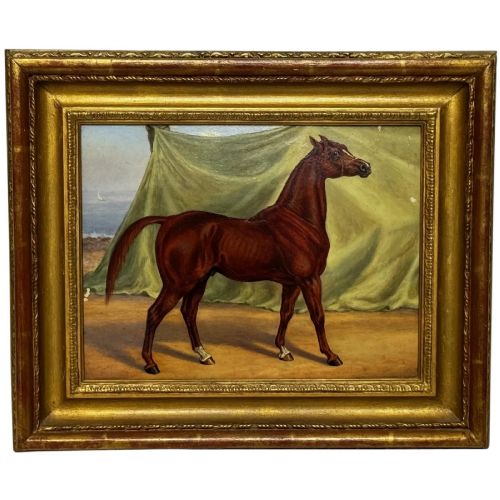
Vintage colonial art encompasses a wide geographic and cultural reach, spanning regions influenced by British, Spanish and Anglo-Indian histories. When searching for vintage colonial art, collectors encounter oil paintings, watercolours, framed prints, carved wood sculptures and decorative vessels originating from diverse global outposts. The selection here ranges from nineteenth century equestrian portraits and Indian religious figures to twentieth century Latin American street scenes and African landscapes.
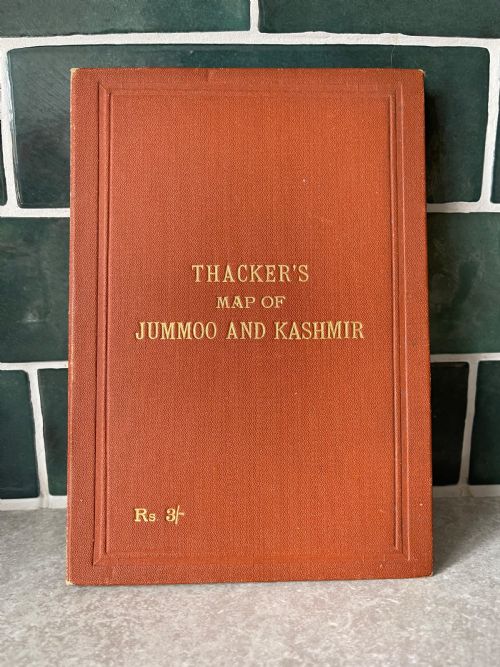
The objects take many forms, bridging fine art with functional furnishings and decorative items. Buyers find everything from large oil paintings and paper maps to specimen wood panels, brass water carriers and carved figures of deities. Pieces date from the seventeenth century through to the mid twentieth century, reflecting the shifting aesthetics and administrative hubs of various global territories over three hundred years.
How they were made
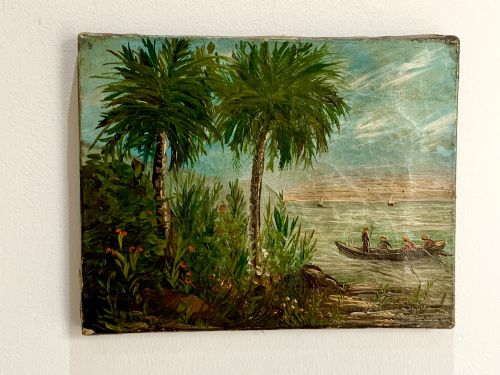
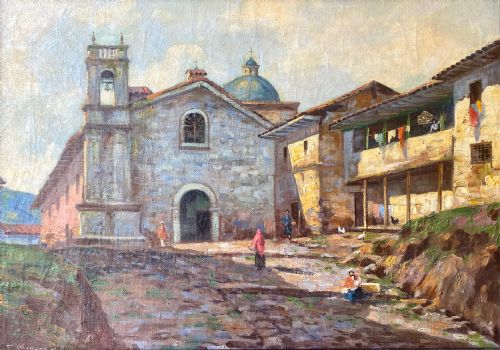
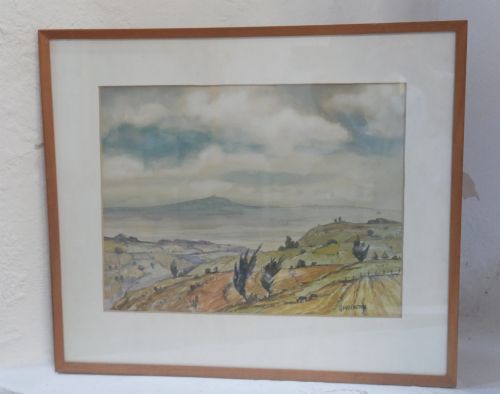
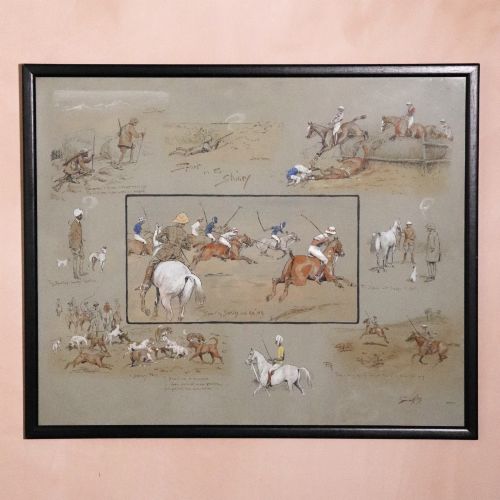
Makers utilised traditional artistic mediums suited to their specific localities, including oil on canvas, watercolour and ink on paper. Canvases capture light and subject matter in impressionist styles, while watercolours employ fluid wash techniques on paper to depict temples and landscapes. Drawings and maps demonstrate precise pen work executed on period paper.
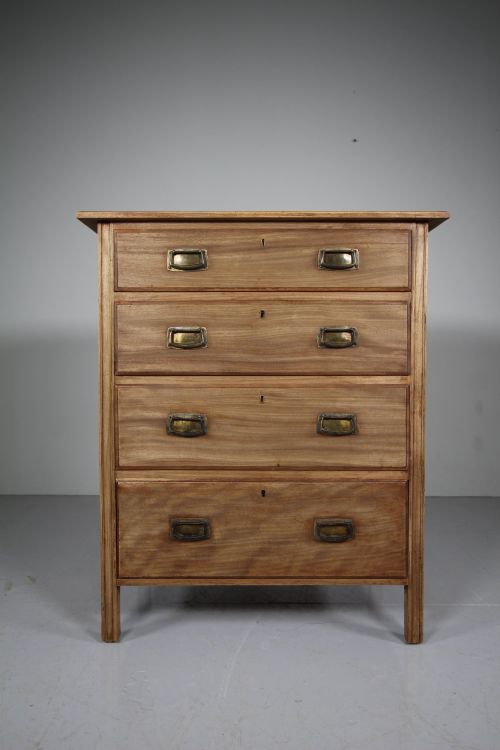
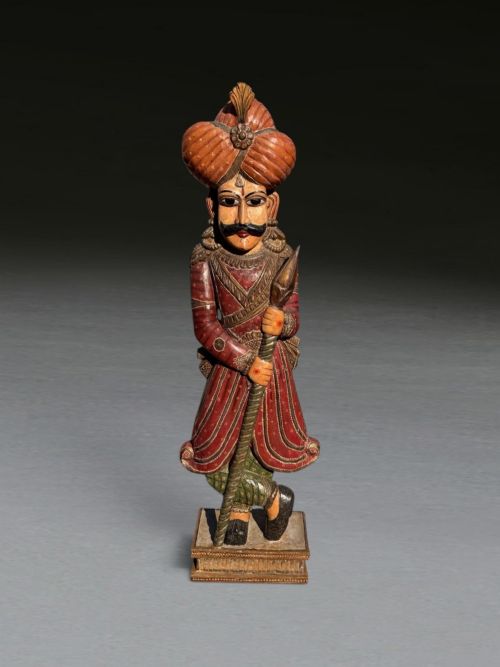
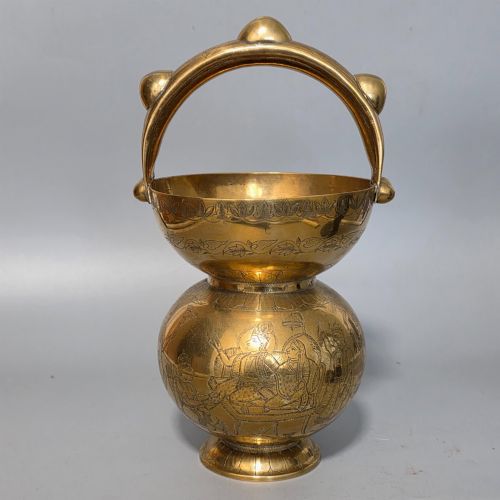
Three-dimensional pieces rely heavily on natural materials like carved wood, gesso, brass and willow. Artisans shaped solid timber into figures, architectural panels and chests of drawers using traditional joinery and carving tools. Metal objects such as brass water carriers involve intricate shaping and finishing typical of regional workshops like the Jeypore School of Art.
Vintage Colonial Art Retail Price Guide 2026
Typical asking prices for vintage colonial art among the pieces listed under this phrase on Sellingantiques today, from the lower quarter to the upper quarter. They describe what is for sale here now, not the wider market.
Keep an eye out for a brass holy water carrier that travelled all the way from the Jeypore School of Art.
What varies in quality
Quality in these pieces rests upon the execution of the hand and the preservation of the original medium. Fine oil paintings display confident brushwork and accurate proportion in human and animal subjects, whereas lesser examples show stiff handling. Carved wood figures and panels vary according to the depth of relief and the crispness of the detail left by the carver.
The integrity of the materials and documentation also distinguish exceptional pieces. Works bearing clear signatures, period framing or explicit historical provenance carry greater documentary value. Similarly, furniture and decorative objects retain more interest when they preserve their original surface finishes without heavy intervention.
Heals
The Vintage Colonial Art Glossary
- Anglo-Indian
- A style describing furniture, art and objects made in India under British influence, often combining local dense hardwoods with European forms. These pieces frequently feature intricate carved ornamentation.
- Spanish Colonial
- Art and craft produced in the territories of the Spanish Empire, particularly the Americas, often combining European religious iconography with indigenous artistic traditions. Subjects frequently include devotional figures and life-size sculptures.
- Wash technique
- A method in watercolour painting where diluted pigment is spread evenly across paper to create smooth backgrounds or atmospheric effects. It requires a steady hand and precise control of moisture.
- Specimen wood
- Decorative woodwork assembled from numerous distinct varieties of timber to showcase contrasting natural grains and colours. Panels utilise these varied tones to create geometric or pictorial patterns.
- Kamandal
- A traditional Indian water carrier typically fashioned from brass or copper, used by ascetics and in religious rituals. Examples often feature spherical bodies and carrying handles.
Vintage Colonial Art: Frequently Asked Questions
What defines colonial art?
Colonial art encompasses creative works produced in territories under the rule of an external empire, reflecting cultural exchange between the governing power and the local population. These items range from fine art paintings to carved religious figures and functional objects.
Such pieces often blend European academic techniques with indigenous materials and stylistic motifs. They serve as historical records of global trade, exploration and administration across centuries.
How do I date these pieces?
Dating relies upon examining the materials, framing, signatures and stylistic conventions present in the object. Historical subjects, period inscriptions and documented provenances also help narrow the timeframe of creation.
Artisans and painters often left clues in their choice of paper, canvas preparation or regional school attribution. Comparing comparable works from known periods assists in placing an item accurately.
Where were these items made?
Items originate from various administrative and cultural centres across former British, Spanish and European territories globally. Regions represented include India, Kenya, New Zealand, Latin America and North America.
Local workshops, mission stations, military outposts and regional art schools all contributed to the production of these objects. The specific origin often dictates the materials utilised, from tropical teak to local pigments.
How should I care for vintage art?
Preserving vintage paintings, works on paper and carved wood requires stable environmental conditions away from direct sunlight and excessive humidity. Protecting pieces from sudden temperature fluctuations prevents warping in timber and cracking in paint layers.
Framed works on paper benefit from UV-filtering glass to protect watercolours and inks from fading. Dusting carved wooden panels gently with a dry, soft cloth maintains the surface without introducing moisture.