

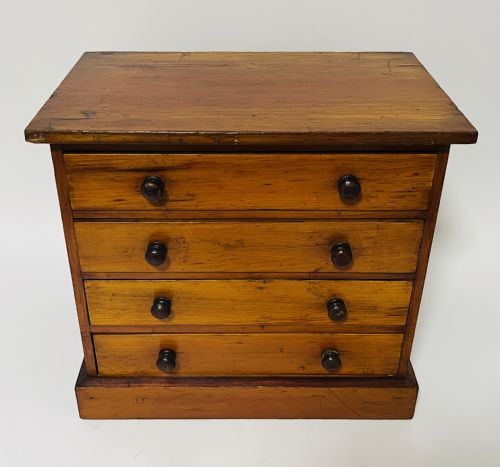
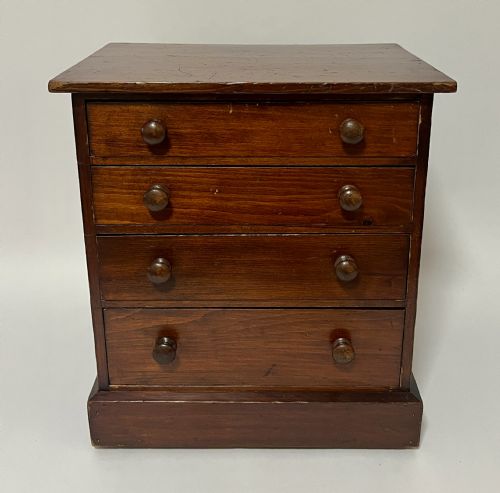
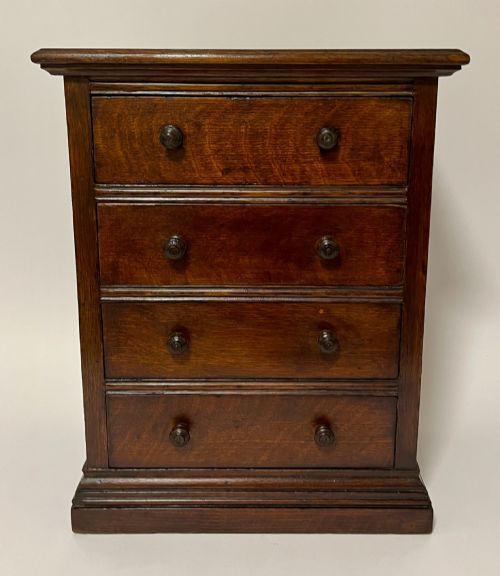
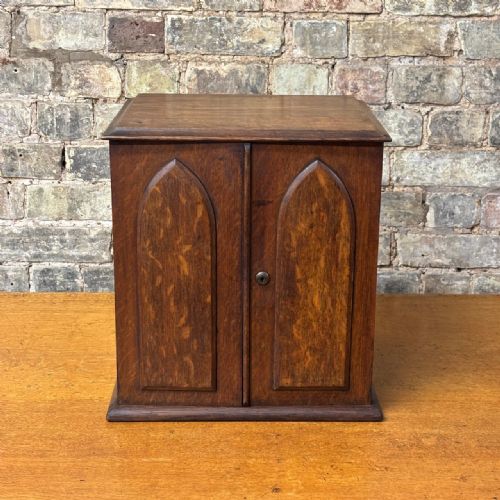
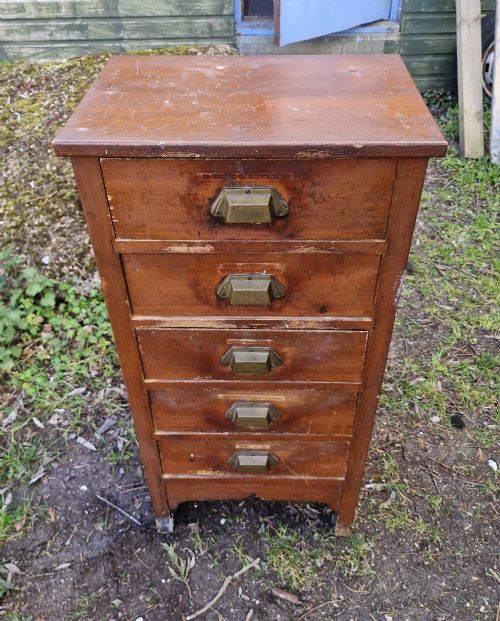


Vintage Collector Desk
A vintage collector desk gathers the compact cabinets, small chests, and desktop containers that keep small treasures sorted.
Vintage Collector Desk
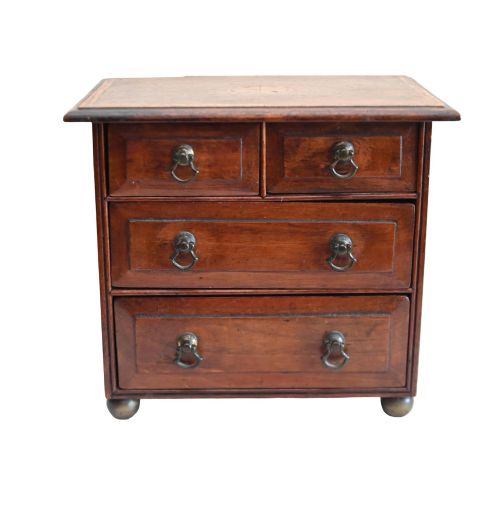
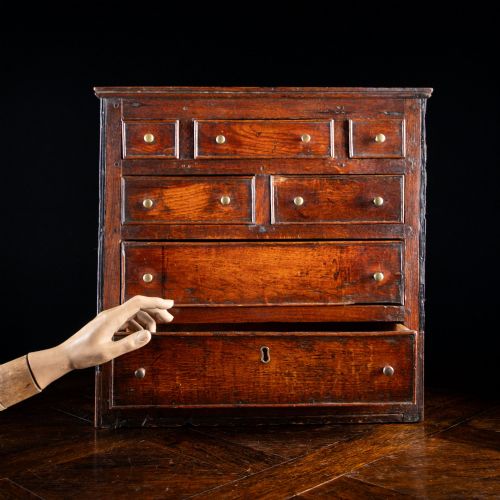
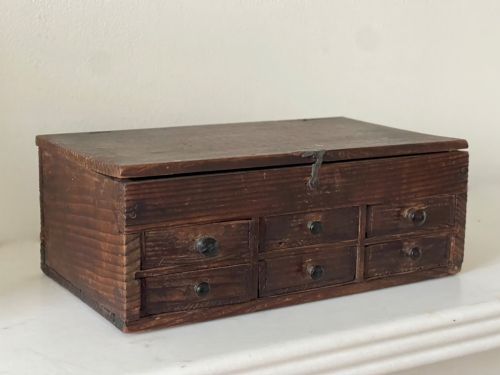
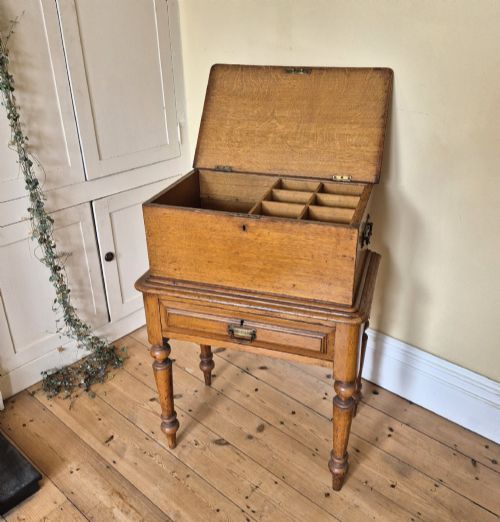
A vintage collector desk groups tabletop storage, miniature chests of drawers, watchmaker cabinets, and specimen cases rather than full-sized writing tables. Buyers seeking a vintage collector desk find smaller furniture forms meant for sorting stamps, coins, minerals, and desk accessories.
The selections span periods from the eighteenth century through the 1930s, taking shapes such as apprentice chests, miniature mahogany drawers, and oak table cabinets. Victorian, Edwardian, and Art Deco influences appear alongside industrial utility pieces and Georgian revival designs.
Most items originating from these groups are smaller tabletop pieces rather than floor-standing furniture, designed to sit upon an existing desk or surface. Oak, mahogany, pine, and walnut provide the primary wooden structures for these compact storage pieces.
Materials and construction
Cabinet makers utilised dense hardwoods such as mahogany, oak, and walnut, alongside stained pine for utilitarian office and workshop storage. Brass hardware, including drop handles and escutcheons, secures drawers and doors across many pieces.
Specialist items incorporate glass panels, bronze details, and specialised box constructions designed to house watches, tickets, seals, or specimens securely. Joinery methods range from eighteenth-century panel construction to twentieth-century industrial utility assembly.
Vintage Collector Desk Retail Price Guide 2026
Typical asking prices for vintage collector desk among the pieces listed under this phrase on Sellingantiques today, from the lower quarter to the upper quarter. They describe what is for sale here now, not the wider market.
Listings feature woods including oak, mahogany, walnut, and pine, alongside brass, glass, and bronze elements across multiple centuries.
Judging quality in compact storage
Quality rests in the precision of the drawer fit, the integrity of the timber, and the retention of original hardware such as brass handles and locks. Pieces featuring refined secondary woods and careful dovetailing stand apart from simpler stained pine utility boxes.
The balance between decorative elements, such as Gothic panel doors or black lacquer finishes, and practical internal layout determines the desirability of each cabinet or chest. Original surfaces and untouched patina elevate the standing of older pieces against later restorations.
P H Vogel & Co.·Druce & Co.
The Vintage Collector Desk Glossary
- Apprentice chest
- A small-scale chest of drawers traditionally created by a woodworker to demonstrate mastery of the craft. These miniatures mirror the proportions and joinery of full-sized furniture.
- Specimen cabinet
- A specialised storage unit featuring multiple shallow drawers designed for organising natural history samples, fossils, or small collections. The interiors often remain unadorned to protect delicate items.
- Wellington chest
- A tall, narrow chest of drawers secured by a hinged locking side bar that fastens over the drawer edges. This form originated in the nineteenth century for secure document and item storage.
- Watchmaker cabinet
- A small multi-drawer storage chest built to house delicate watch components, tools, and timepiece movements. The drawers are frequently partitioned into tiny compartments.
- Kodansu
- A traditional Japanese portable small cabinet featuring multiple internal drawers and decorative lacquer work. These pieces were utilised for storing personal documents, seals, and valuables.
Vintage Collector Desk: Frequently Asked Questions
What is a vintage collector desk?
A vintage collector desk encompasses miniature chests, tabletop cabinets, and specialised storage boxes designed to hold small objects and curiosities.
These pieces sit upon larger surfaces, providing organised compartments for items like coins, stamps, watch parts, and writing supplies.
How were apprentice chests used?
Apprentice chests served as physical portfolios for woodworkers proving their skills to a guild, demonstrating mastery over dovetails and proportions.
Later, households adopted these small chests as decorative tabletop storage for jewellery, letters, and personal trinkets.
What woods appear on these cabinets?
Makers constructed these storage pieces from durable hardwoods like mahogany, oak, and walnut, alongside utilitarian softwoods such as pine.
Finer examples utilise figured timbers and burl veneers, while utilitarian pieces rely on stained pine and simple brass fittings.
How do I date a specimen cabinet?
Dating relies on examining construction techniques, drawer dovetailing, timber choice, and the style of brass handles or hinges.
Eighteenth-century examples display hand-cut joinery and simpler hinges, whereas Victorian and Edwardian pieces often incorporate mass-produced hardware and varied revival styles.