


Vintage Cocktail Barware
Vintage cocktail barware brings the glamour of early twentieth-century entertaining into the modern home through functional serving pieces and novelty accessories.
Vintage Cocktail Barware
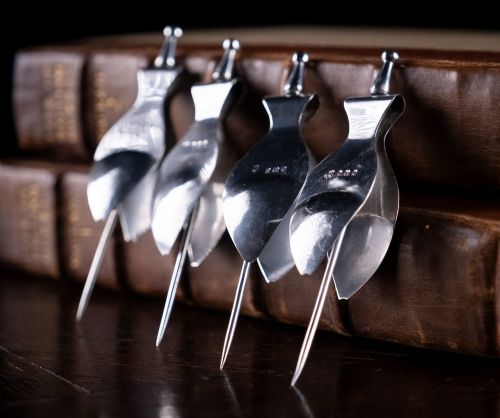
Vintage cocktail barware encompasses a diverse range of implements designed for preparing, serving, and enjoying mixed drinks. When searching for vintage cocktail barware, collectors frequently encounter items dating from the early decades of the twentieth century, particularly the 1920s and 1930s. These items range from essential mixing vessels to decorative serving trays and playful accessories.
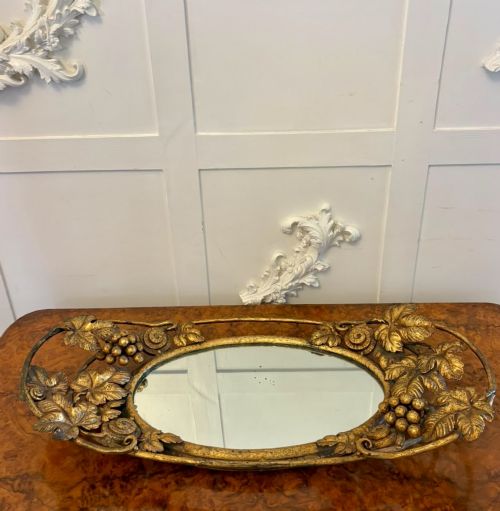
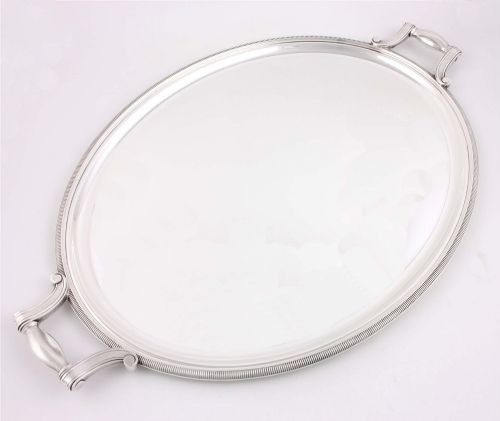
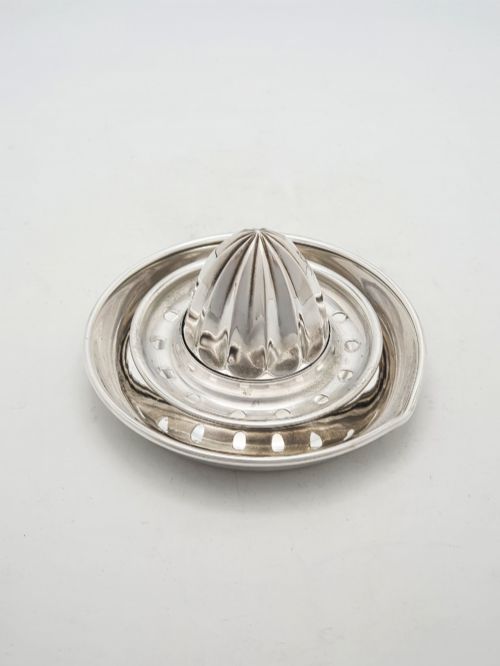
The assortment on this page reflects the dominant aesthetic movements of their respective eras, most notably Art Deco and Mid-Century Modern designs. Shakers, trays, and glassware form the core of the selection, accompanied by specialised implements like lemon squeezers and novelty cocktail stick sets. These survivals from past decades demonstrate the enduring appeal of period craftsmanship in contemporary social settings.
Materials and Construction
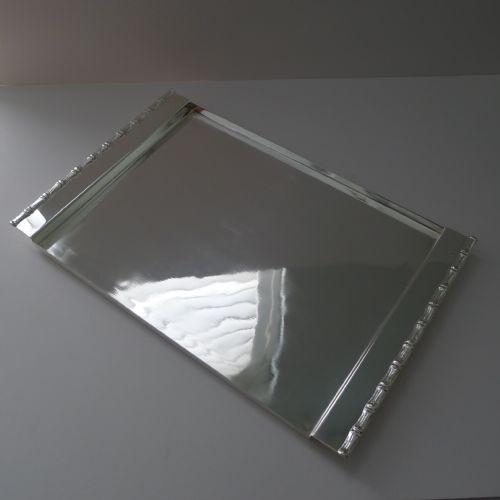
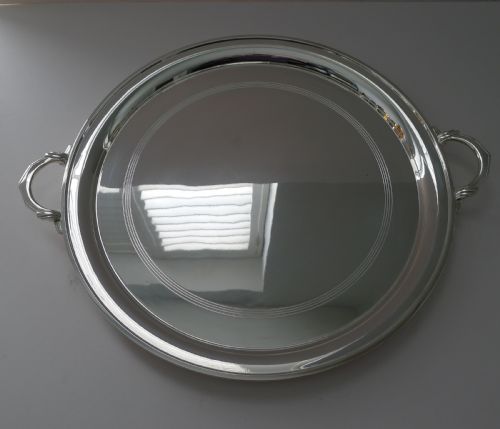
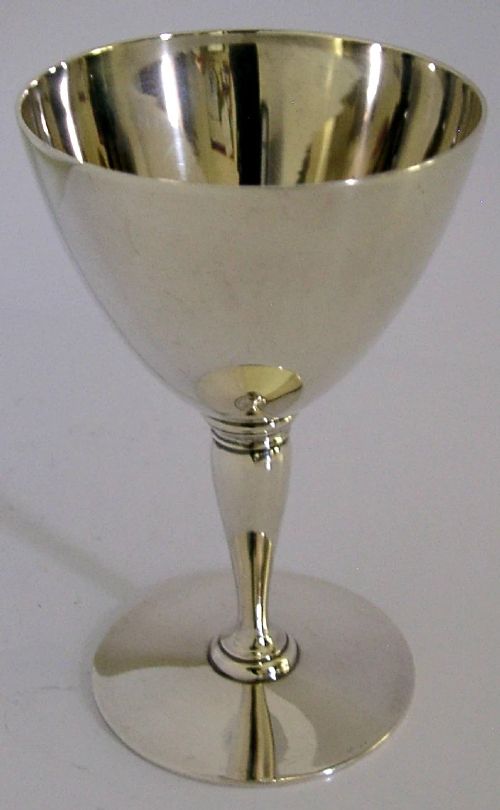
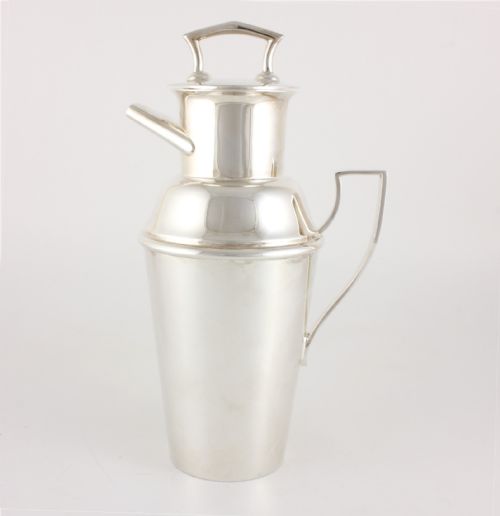
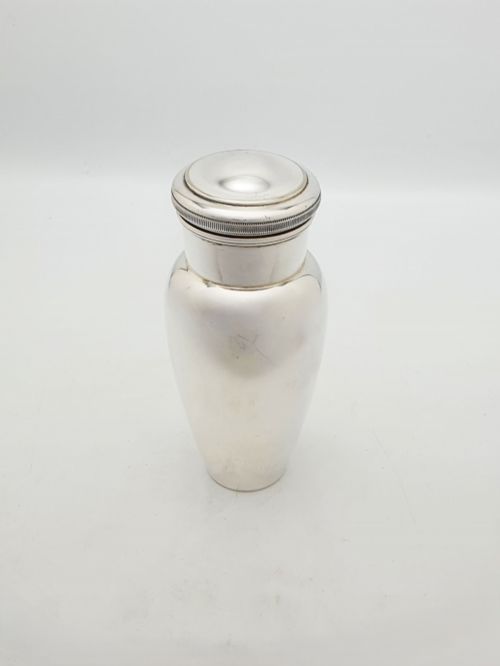
Makers utilised a combination of traditional metals and modern manufacturing techniques to produce durable and visually striking pieces. Silver plate and sterling silver provide the gleaming surfaces typical of Art Deco designs, often shaped into milk churn shakers or geometric serving trays. Glass and cut crystal are frequently integrated into decanter sets, champagne coupes, and ice bucket liners.
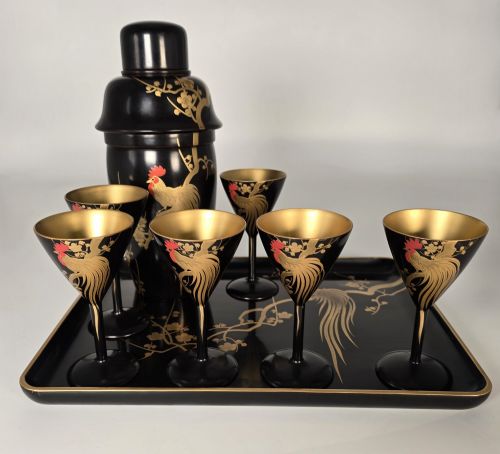
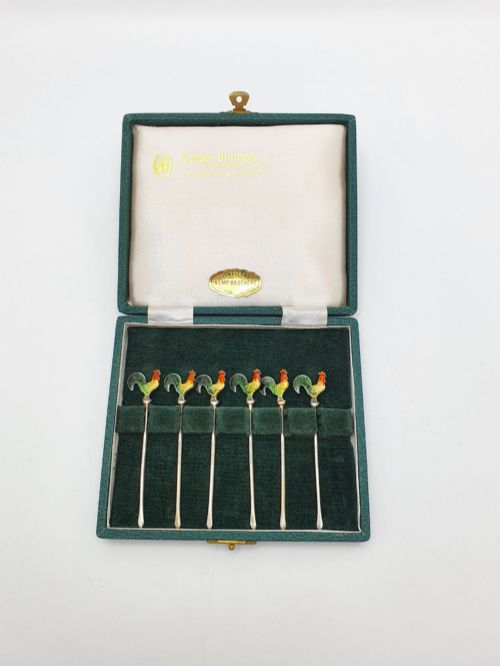
Specialised materials add distinctive character and functional contrast to metal frameworks. Enamel brings vibrant colour to decorative cocktail sticks, while Bakelite provides tactile handles on shakers and juicers. Lacquer and hand-painted finishes appear on Japanese and French imports, showcasing diverse global influences within the category.
Listings feature items spanning from the late Victorian and Edwardian eras through the height of the 1930s Art Deco movement.
Distinguishing Fine Examples
Quality in vintage barware is primarily determined by the reputation of the maker and the integrity of the design. Pieces bearing the marks of notable designers or established silversmiths demonstrate superior weight, balance, and finishing compared to anonymous mass-produced equivalents. The precision of geometric lines in Art Deco items and the crispness of cutting in crystal elements clearly distinguish finer items.
The survival of original components and matched sets heavily influences desirability. Complete sets of novelty cocktail sticks housed in their original holders or decanter sets with all matching glasses retain greater coherence than assembled groups. Furthermore, the complexity of manufacturing techniques, such as detailed hand-painting on lacquerware or multi-part mechanical recipe shakers, marks the upper tier of production.
Keith Murray·Mappin & Webb·Sudre·Richard Comyns·Christofle·Asprey & Co·Hukin & Heath·J. B. Chatterley & Sons·Dawson
The Vintage Cocktail Barware Glossary
- Art Deco
- A design style prevalent in the 1920s and 1930s characterised by sleek geometric shapes, stylised motifs, and streamlined forms. It remains the defining aesthetic for much of the period barware available.
- Silver Plate
- A manufacturing process where a thin layer of silver is bonded to a base metal such as copper or nickel brass. This technique allowed makers to produce luxurious serving trays and shakers at a lower cost than solid silver.
- Champagne Coupe
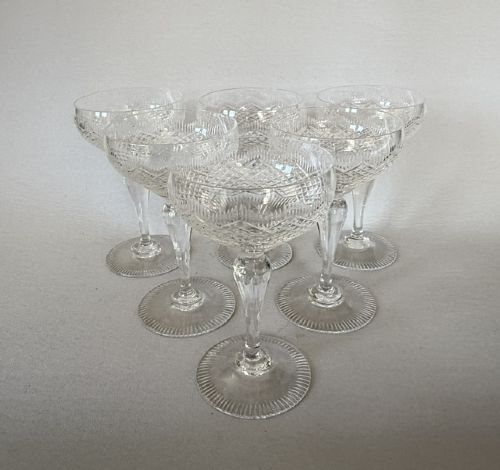
- A shallow, broad-bowled stemmed glass traditionally used for sparkling wines. Period examples often feature delicate facet cutting on the stems or bowls.
- Bachelor Shaker
- A smaller scale cocktail shaker designed for single servings or intimate gatherings. These compact vessels were particularly popular during the 1920s.
- Cocktail Stick Set
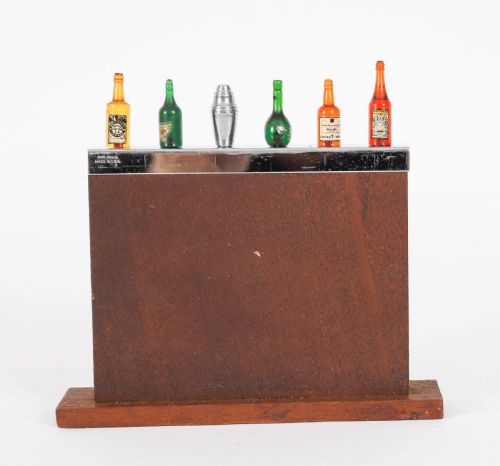
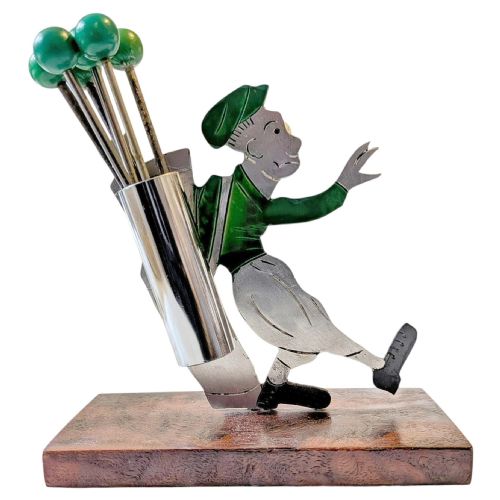
- A collection of small decorative picks used for olives or fruit garnishes, often supplied with a dedicated stand or holder. Many feature whimsical figural tops created by French makers.
Vintage Cocktail Barware: Frequently Asked Questions
How do I identify an Art Deco cocktail shaker?
Art Deco shakers typically feature streamlined geometric silhouettes, stepped details, or cylindrical forms reminiscent of modern architecture. They often utilise silver-plated metal combined with contrasting elements like Bakelite handles or glass bodies.
These pieces reflect the machine-age optimism of the 1920s and 1930s, prioritising clean lines and functional elegance over ornate Victorian revival styles.
Were novelty cocktail sticks common in the period?
Novelty cocktail sticks were exceptionally popular during the interwar years, particularly among French designers who produced whimsical figural motifs. Sets often depicted comical figures, animals, or sports themes mounted in small holders.
They added a touch of playful sophistication to cocktail parties and remain highly collectible today for their intricate detailing and imaginative designs.
What is the difference between a champagne coupe and a flute?
Champagne coupes feature a broad, shallow bowl on a slender stem, designed for relaxed sipping rather than preserving effervescence. Flutes are tall and narrow, created to concentrate bubbles and aromas.
Period barware sets frequently include cut glass or crystal coupes for serving sparkling cocktails and champagne during vintage gatherings.
How should I clean silver-plated barware?
Silver-plated items require gentle cleaning with a mild, non-abrasive silver polish and a soft cloth to preserve the underlying metal plating. Avoid harsh scrubbing or soaking items with organic components like wooden handles or enamel work.
Regular, careful maintenance keeps the reflective surfaces bright while protecting the delicate mechanisms or decorative details of vintage shakers and trays.