

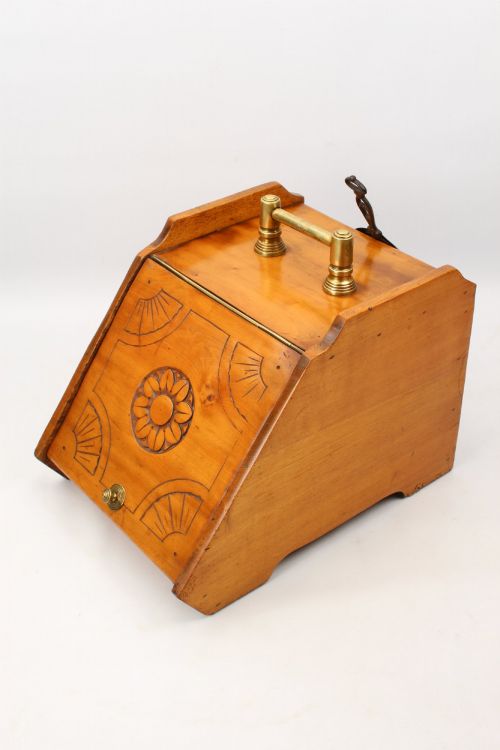


Vintage Coal Shovel
These vintage coal shovel items are utilitarian fireplace accessories designed to move solid fuel cleanly, bringing period metalwork and hearth furniture into domestic settings.
Vintage Coal Shovel
A vintage coal shovel typically appears either as an individual hand tool or as part of a larger companion set intended for domestic hearths. The selection on this page largely spans the nineteenth century, including Victorian, Edwardian, and earlier George III examples.
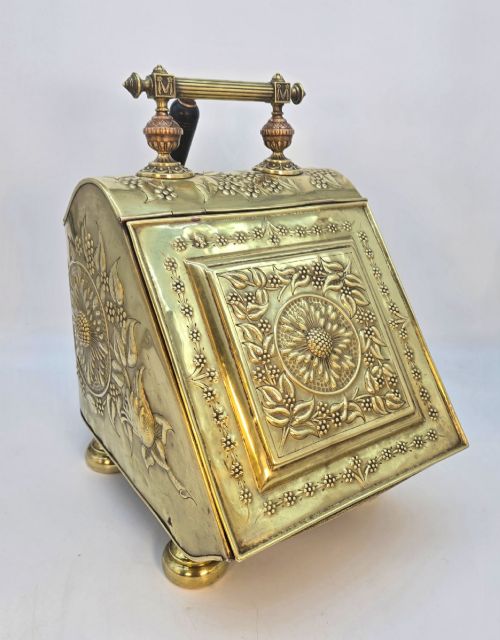
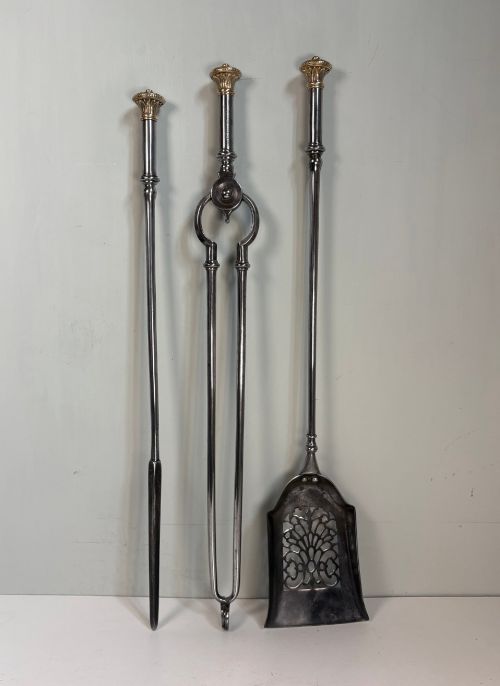
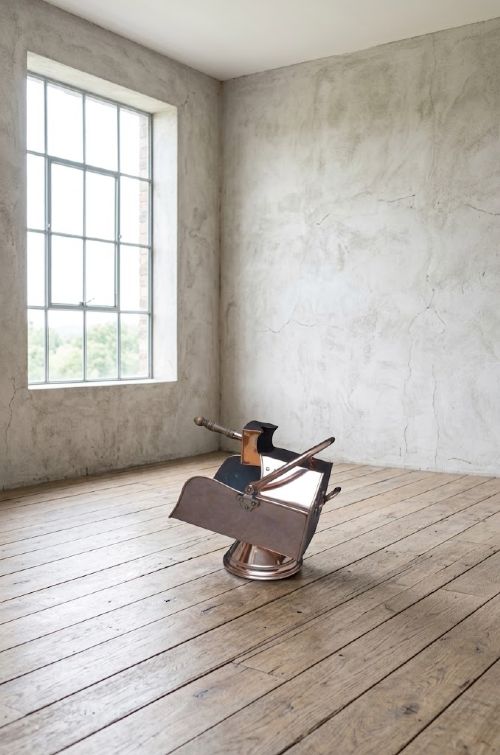
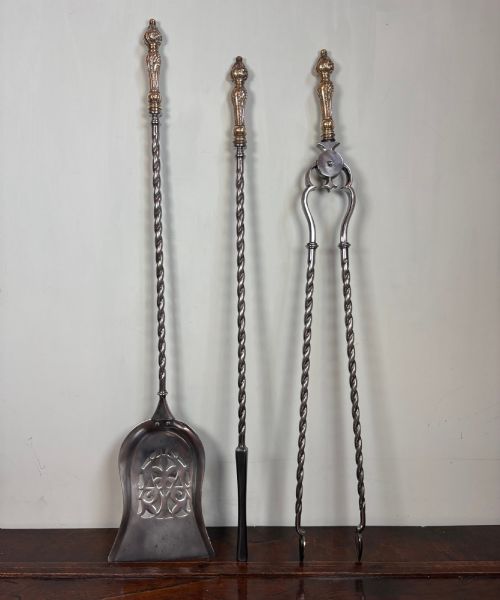
Many individual shovels accompany coal scuttles, helmets, or purdoniums, whilst others form part of three-piece fire iron sets alongside pokers and tongs. Materials range from polished steel and wrought iron to brass and copper, sometimes combined with wooden handles in oak or mahogany.
Materials and construction methods of the period
Makers utilised durable metals such as brass, copper, iron, and steel to withstand the heat and heavy weight of solid fuel. Brass and copper pieces often display decorative surface work like repoussé patterning, while steel and wrought iron provide rigid strength for daily use.
Wooden elements such as oak or mahogany appear on companion boxes and purdoniums, joined to metal shovels and liners. These materials reflect both the ornamental standards of Victorian and Arts and Crafts design and the practical requirements of coal handling.
Vintage Coal Shovel Retail Price Guide 2026
Typical asking prices for vintage coal shovel among the pieces listed under this phrase on Sellingantiques today, from the lower quarter to the upper quarter. They describe what is for sale here now, not the wider market.
Listings span from the 18th century to the Edwardian period, featuring brass, copper, iron, steel, oak, and mahogany.
What separates standard pieces from finer examples
The distinction between standard items and superior examples lies in the weight of the metal and the crispness of any applied decoration. Repoussé work with deep, deliberate hand-hammered detailing sits above plain, machine-pressed alternatives.
Completeness also defines the higher end of the range, particularly when an original shovel remains paired with its matching coal scuttle, liner, or full companion set rather than being a later assembled group.
The Vintage Coal Shovel Glossary
- Coal scuttle
- A container designed to hold household coal near the fireplace, often paired with a dedicated shovel.
- Purdonium
- A specific type of coal box, typically featuring a hinged front lid and a lined interior to keep fuel contained.
- Repoussé
- A metalworking technique where the metal is hammered from the reverse side to form a raised design on the front.
- Companion set
- A matched group of fireside tools, usually including a shovel, poker, and tongs, presented together for hearth maintenance.
- Helmet scuttle
- A coal container shaped with a flared, spout-like rim reminiscent of a traditional helmet, common in brass and copper.
Vintage Coal Shovel: Frequently Asked Questions
How were these coal shovels originally used?
These shovels transferred solid fuel from a coal scuttle or bucket directly into the domestic grate or fireplace. They were kept close to the hearth alongside pokers and tongs for daily fire tending.
Their metal construction handled the abrasive weight of coal without wearing away quickly during regular use.
What periods do these pieces date from?
The pieces span from the eighteenth century through the Victorian and Edwardian eras up to the early twentieth century. Styles include Georgian, Regency, Adam, and Arts and Crafts.
Most items seen here cluster in the nineteenth century, reflecting the peak era of elaborate hearth furniture.
How do I identify a matched coal set?
A matched set typically shares identical metal finishes, decorative motifs, and manufacturing techniques across both the shovel and its container or companion tools. Look for consistent brass casting styles or matching repoussé patterns.
Original liners and shovels designed specifically for the scuttle indicate an intact period grouping.
Can these metal tools be used in modern fireplaces?
Most of these items are robust enough for functional use in an active fireplace, provided they are made from durable steel, iron, or thick brass. Copper and softer decorative brass pieces are often best reserved for display.
Checking the weight and thickness of the shovel blade helps determine its suitability for burning real coal or logs.