

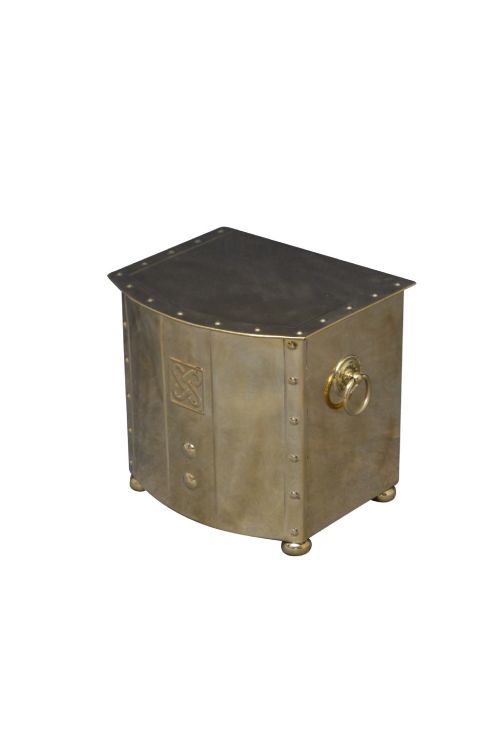


Vintage Coal Scuttle Box
A vintage coal scuttle box keeps fuel beside the hearth while adding solid period character to a fireside.
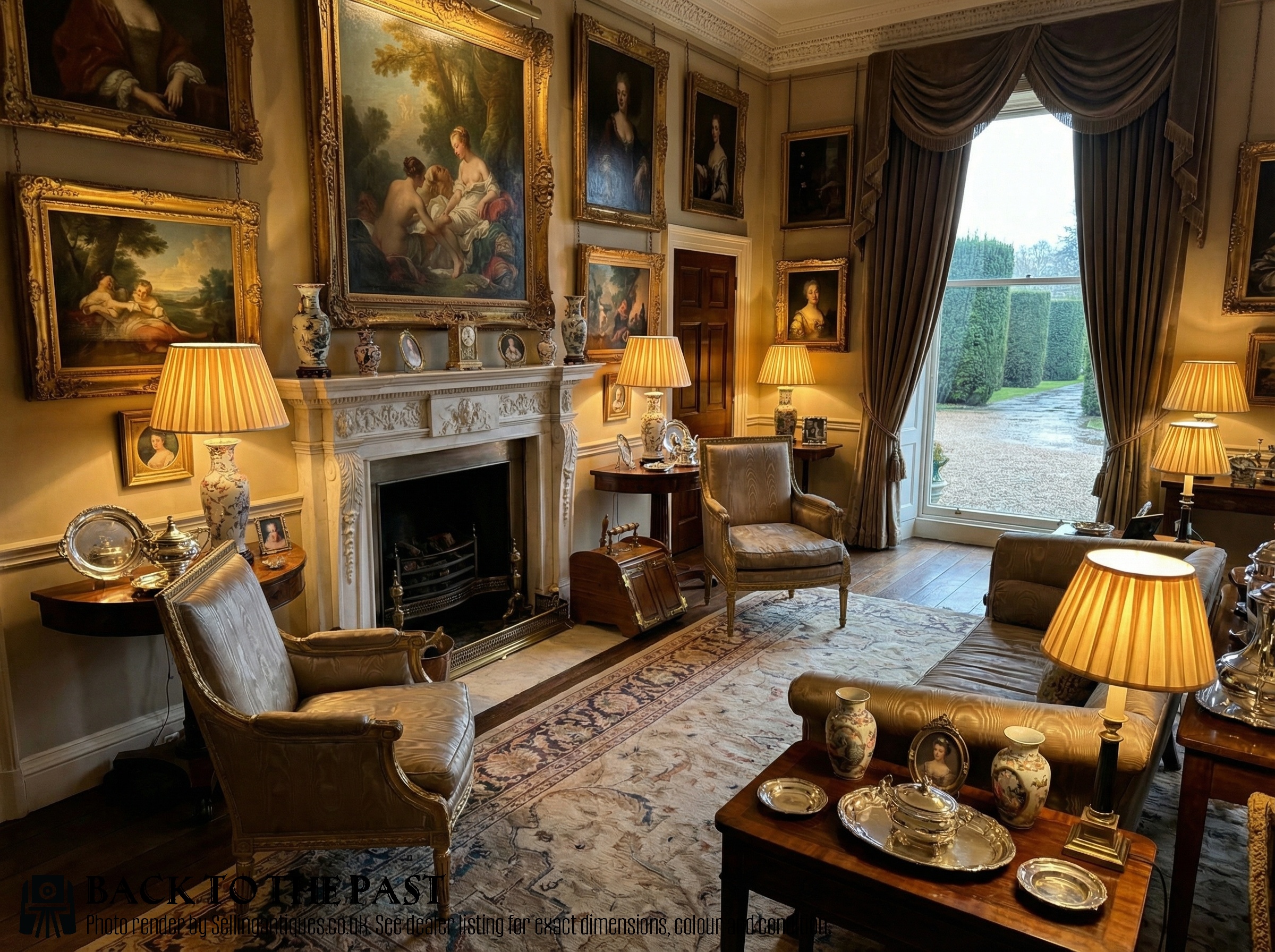
Vintage Coal Scuttle Box
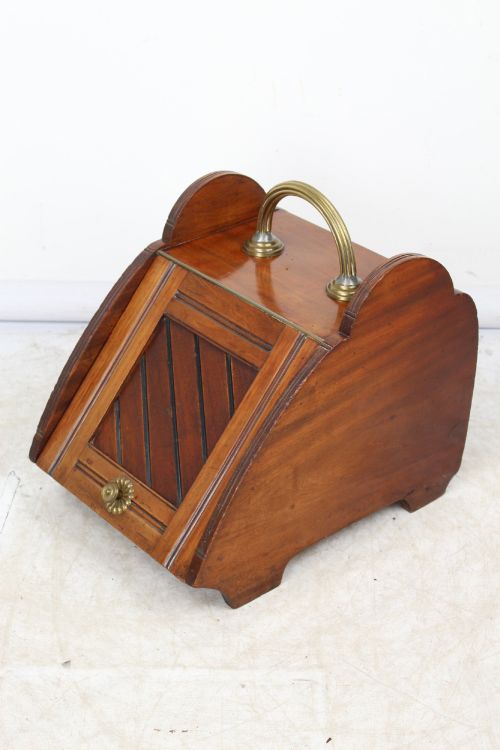
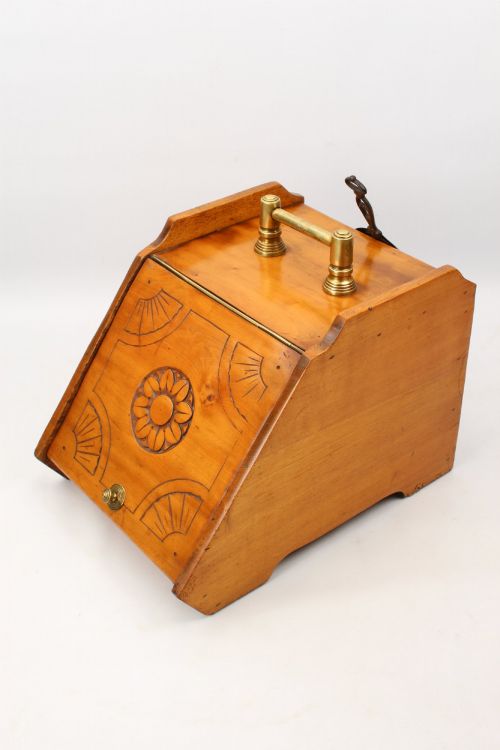
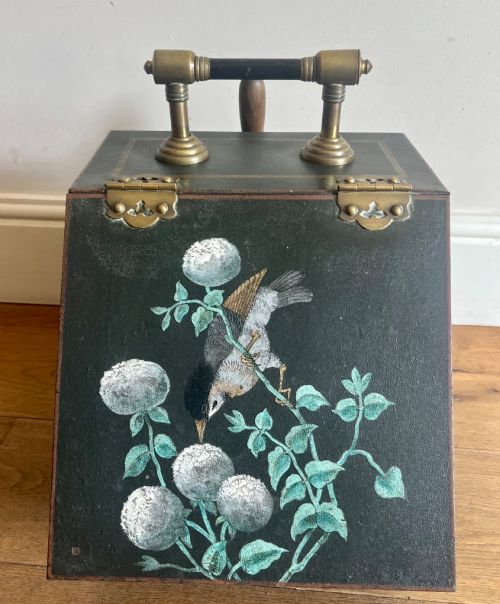
A vintage coal scuttle box is a functional fireside accessory designed to store coal, logs, or fuel near a fireplace. These containers appear primarily in forms such as coal boxes, purdoniums, scuttles, and bins dating from the Victorian and Edwardian periods.
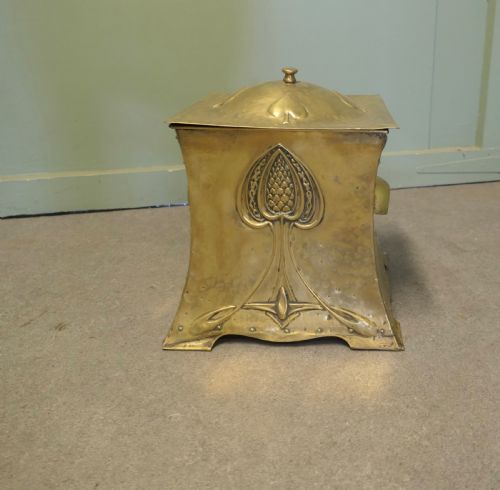
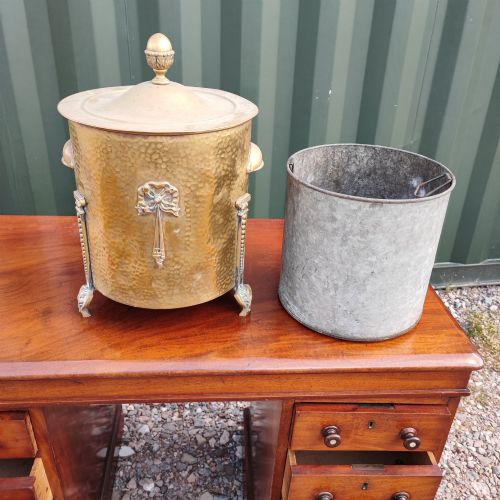
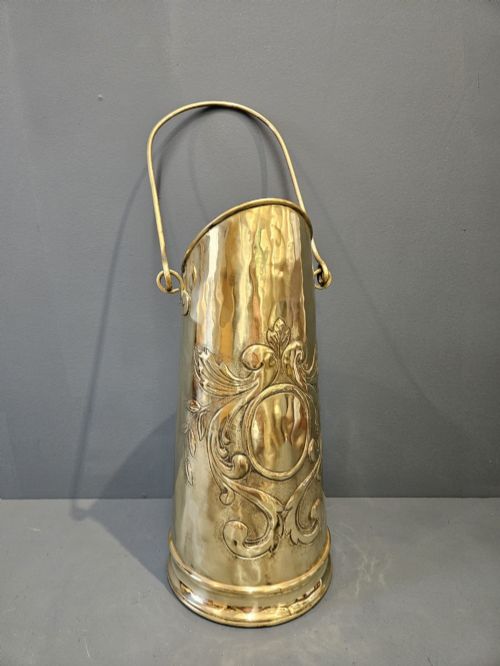
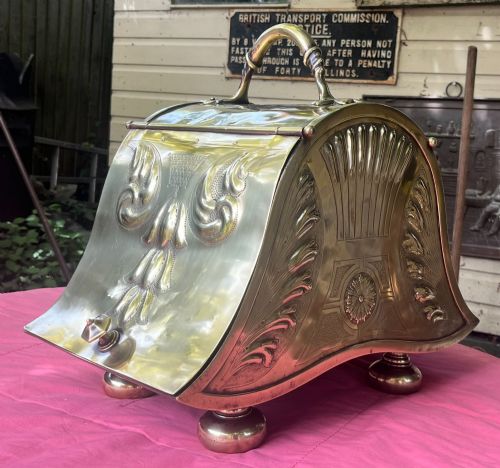
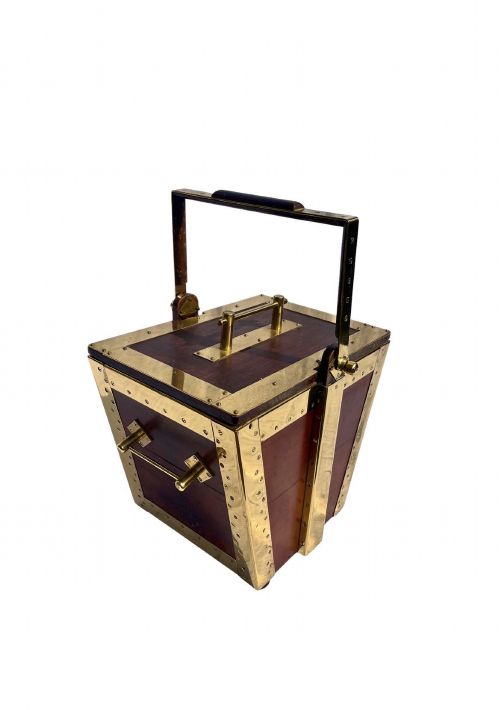
The most common examples on this page are Victorian and Edwardian wooden boxes and metal scuttles made from mahogany, oak, brass, and copper. Pieces range from lidded wooden cabinets with interior metal liners to cast iron and tole ware buckets.
These items served a domestic purpose in homes that relied on coal fires for heating before central heating became standard. Today, they function as practical fuel stores or decorative containers for logs and household storage.
How they were made
Carpenters and cabinetmakers constructed the wooden versions using traditional hardwoods like mahogany, oak, and walnut, frequently incorporating carved details, inlaid panels, and metal carrying handles. Many wooden purdoniums and boxes feature hinged lids or drop fronts designed to provide easy access to the fuel compartment inside.
Metal versions rely on sheet brass, copper, cast iron, and tole ware, often shaped into helmet forms, buckets, or cylindrical bins. Workshops employed techniques such as riveting, beating, and casting, sometimes pairing bright metals with wrought iron stands or ceramic details.
Surviving examples frequently retain internal metal liners meant to catch coal dust and prevent moisture from damaging the outer wooden or metal structure. Makers also added specialised shovels and coal scoops that fit into dedicated side brackets on the boxes.
What varies in quality
Quality depends upon the integrity of the materials, the weight of the metals used, and the standard of joinery in the wooden frames. Thicker gauge brass and solid hardwoods indicate sturdier construction designed to withstand daily hearth use.
Design complexity and decorative execution set finer examples apart from standard utilitarian boxes. Pieces featuring specialised Arts and Crafts repoussé work, aesthetic movement motifs, or maker stamps reflect greater artisan skill than plain utility models.
Benham and Froud·Henry Loveridge
The Vintage Coal Scuttle Box Glossary
- Purdonium
- A specialised coal cabinet featuring a sloping drop front designed to tip fuel forward for easy access. This enclosed furniture form kept coal tidy beside formal Victorian fireplaces.
- Coal Scuttle
- A deep bucket or pail with a swinging handle and a tilted opening used for carrying coal from a cellar to a fireplace. Metal versions often resemble a classical helmet shape.
- Tole Ware
- Lacquered or enamelled sheet metal painted with decorative designs. This technique provided a colourful, durable finish for utilitarian fireside items.
- Repoussé
- A metalworking technique where the artisan hammers a design from the reverse side to create a raised pattern in relief. This decorative method frequently appears on Arts and Crafts copper and brass coal boxes.
- Liner
- The removable metal insert housed inside a wooden coal box to contain dirt, dust, and moisture. Original liners add authenticity and protect the outer structure from deterioration.
Vintage Coal Scuttle Box: Frequently Asked Questions
What is a coal purdonium?
A coal purdonium is a specialised cabinet designed to hold household fuel next to a fireplace. These lidded wooden boxes usually include a drop-down front and an internal metal liner for everyday convenience.
Cabinetmakers built them to match contemporary furniture styles so that domestic fuel storage remained neat and hidden within a formal Victorian or Edwardian room.
How do I clean a brass coal box?
Metal fireside boxes benefit from gentle dusting with a soft cloth to remove soot and surface grime. Avoid abrasive cleaners that strip away the aged patina accumulated over decades of use.
If polishing is necessary, apply a mild metal cleaner carefully around decorative details, taking care to protect any surrounding wood or iron fittings.
Can I still use these for logs?
These containers make practical log holders beside modern fireplaces or wood-burning stoves. Ensure the interior metal liner is clean and dry before loading logs to protect the historic structure.
Smaller scuttles work well for kindling, while larger bins easily accommodate standard firewood lengths.
How do I date a coal box?
Dating relies on identifying the prevailing wood types, metal techniques, and stylistic movements present in the construction. Victorian examples often feature heavy mahogany or elaborate brass helmet designs, while Edwardian pieces frequently showcase inlaid oak.
Design motifs such as Arts and Crafts hammered copper or Aesthetic Movement decoration also help narrow down the period of manufacture.