

Vintage Claret Jug
A vintage claret jug brings table service to life, combining glass and metal for pouring wine with proper style.
Vintage Claret Jug
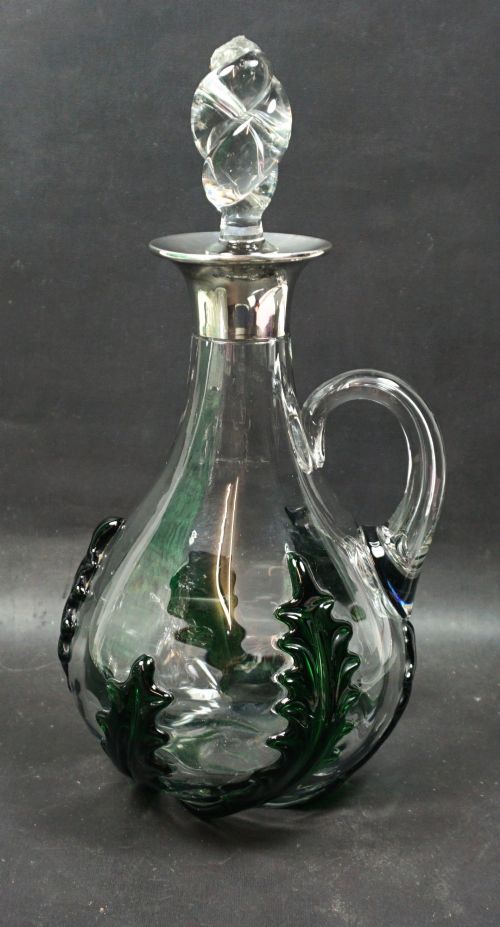
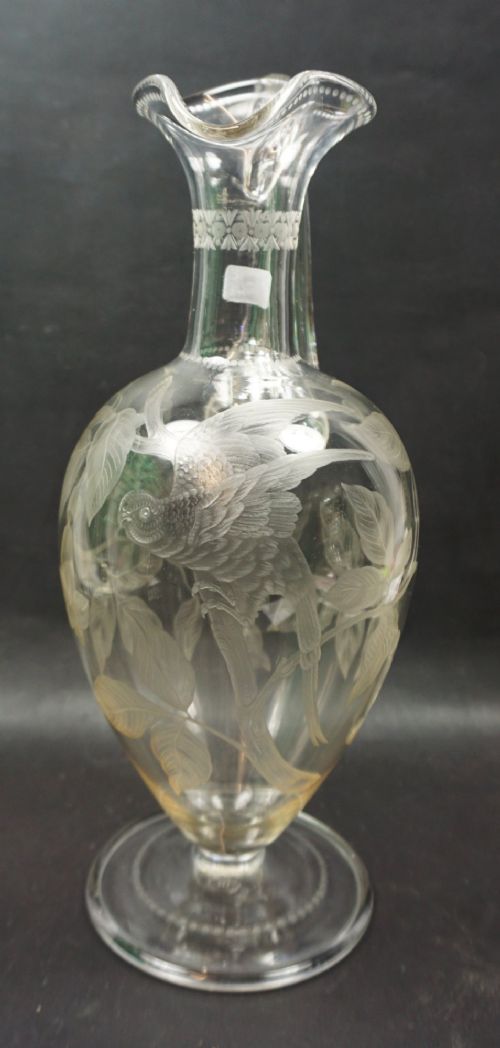
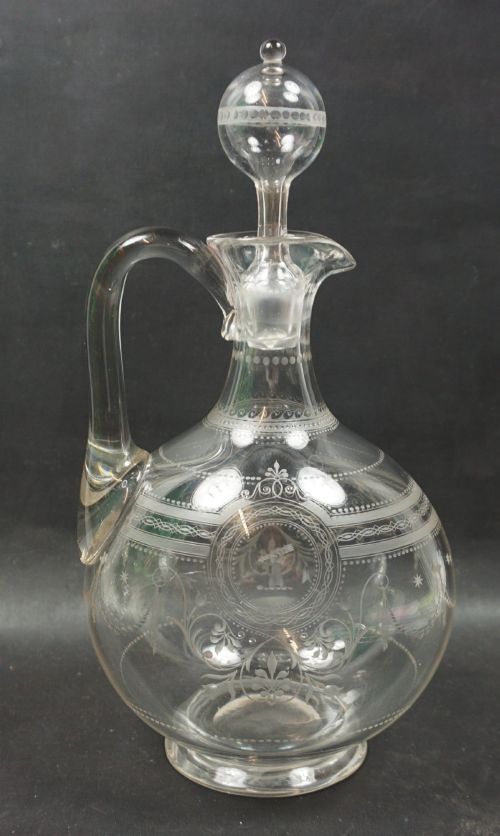
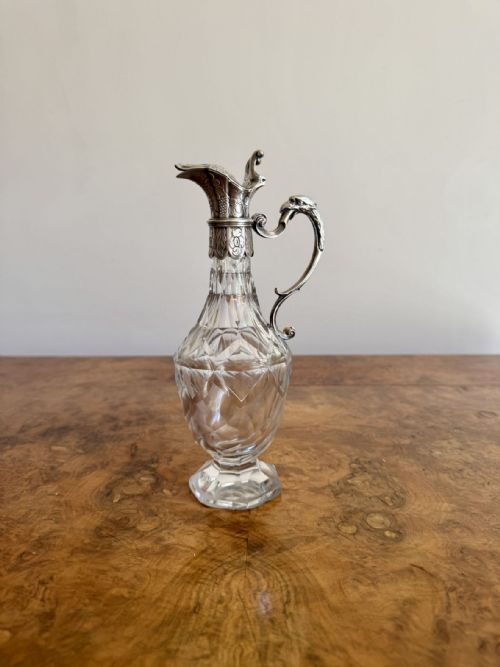
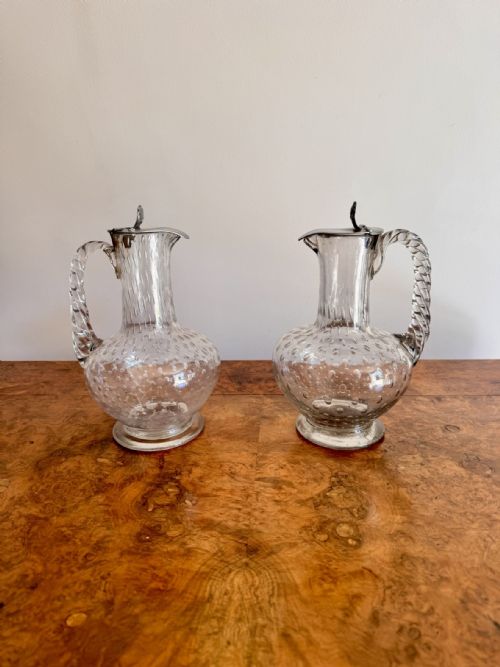
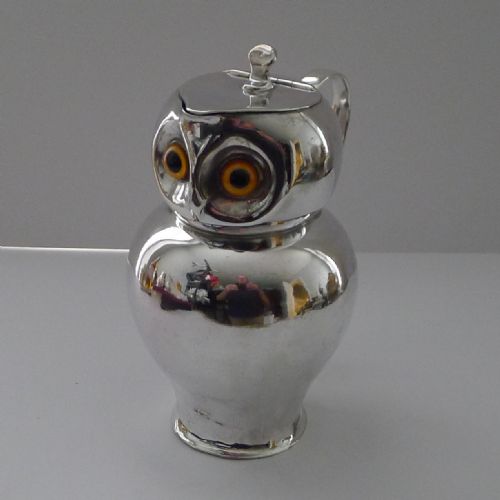
A vintage claret jug sits at the intersection of glassware and metalwork, designed specifically for serving table wine from a larger vessel or bottle. When searching for this phrase, collectors encounter vessels spanning from the Victorian period through the Edwardian era and into Art Deco production.
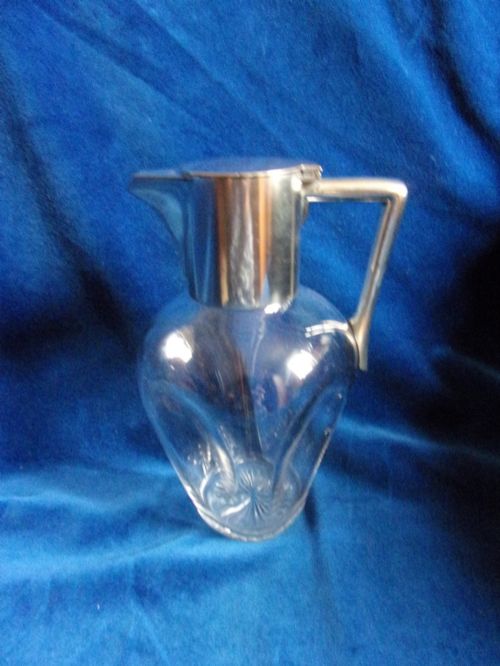
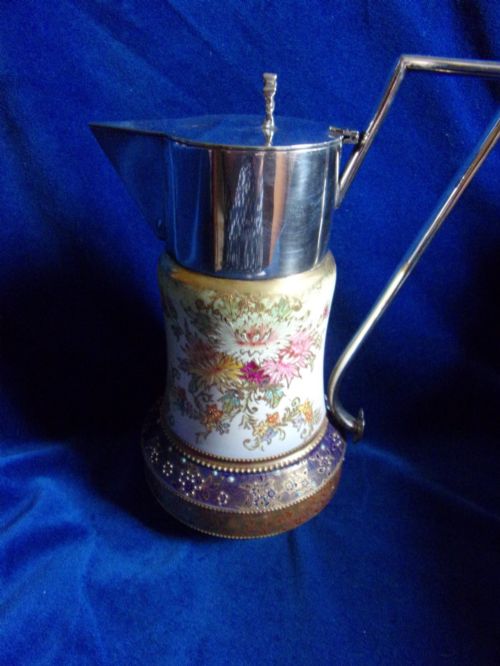
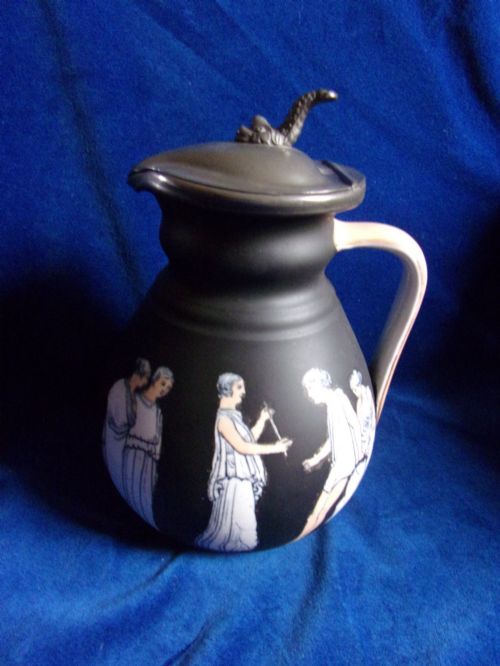
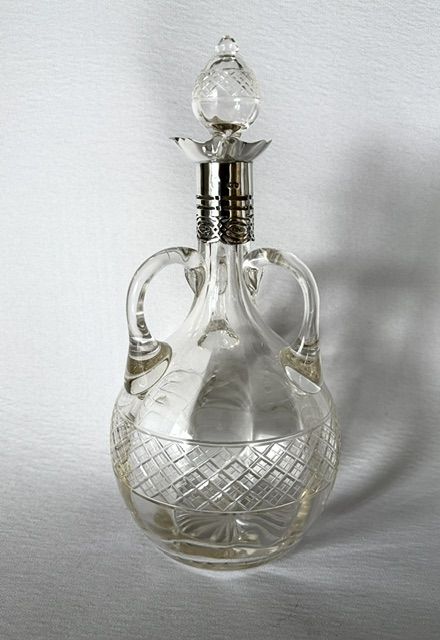
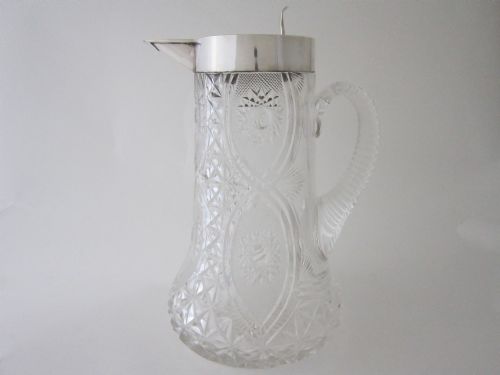
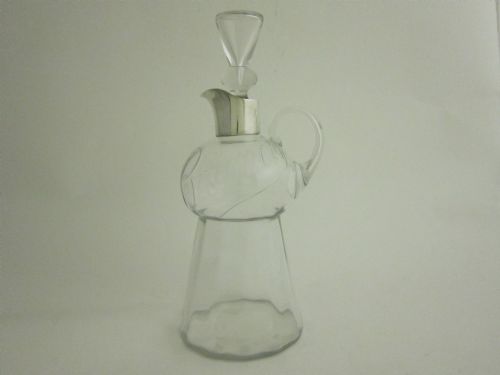
The most common examples on this page pair cut glass or crystal bodies with silver plated mounts, hinged lids, and substantial handles. Pieces range from straightforward Victorian neoclassical designs to whimsical novelties and robust Arts and Crafts pewter forms.
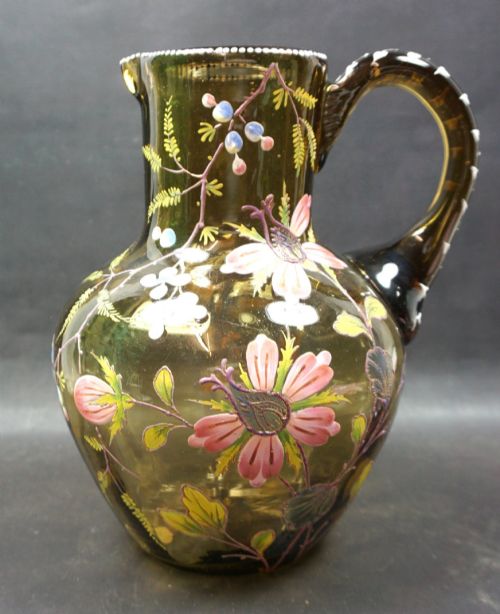
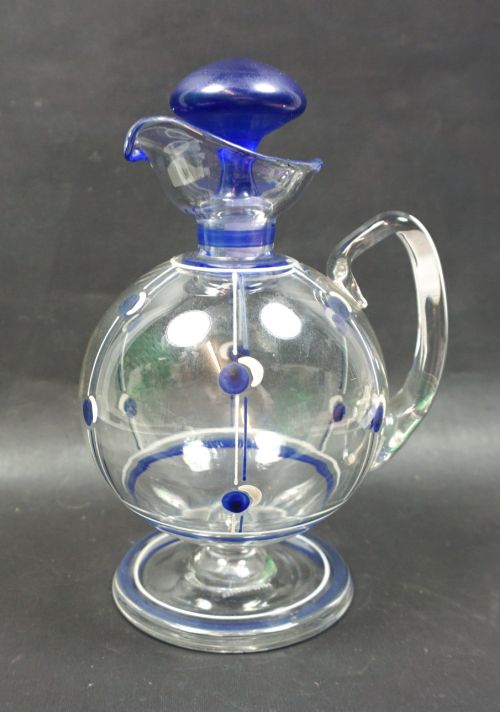
Origins stretch across English workshops and continental makers, incorporating coloured glass such as cranberry and amber alongside clear crystal. These vessels served formal dining rooms and drawing rooms throughout the nineteenth and early twentieth centuries.
What varies in quality
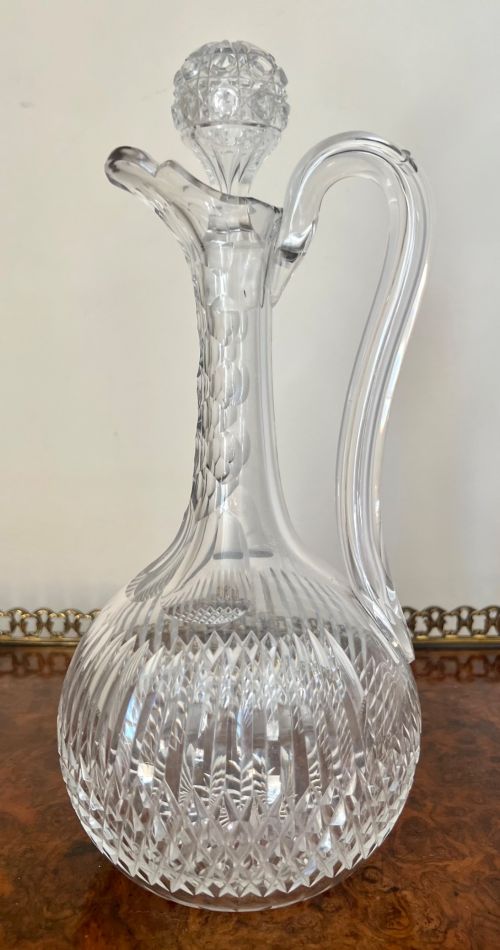
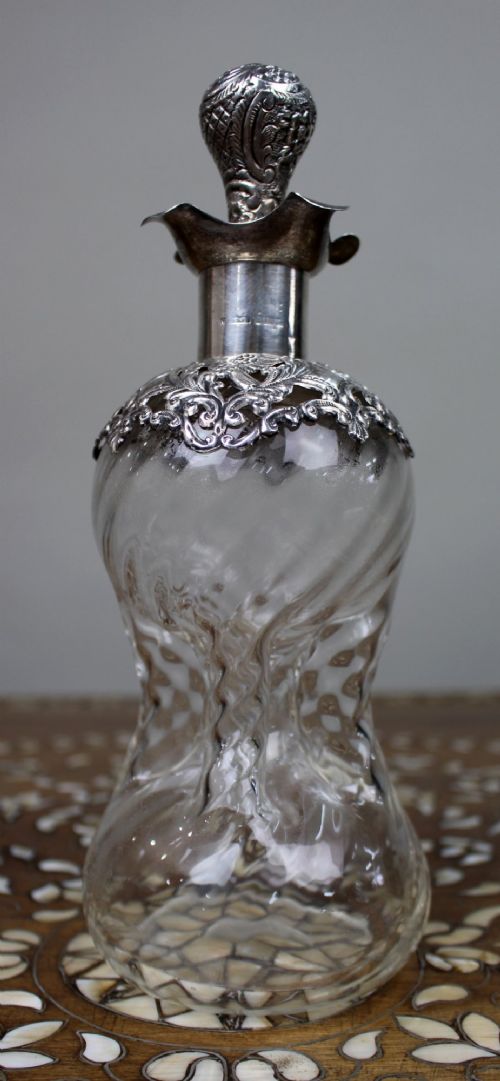
The depth and precision of the wheel cutting on the crystal body dictate much of the visual weight and refraction. Sharp, clean facets without softening indicate superior glasswork from skilled regional cutters.
Mount construction separates standard production from finer workshop pieces, particularly in the weight of the silver plate or sterling silver used for the handle and hinged lid. Smooth action in the thumbpiece and a snug fit against the glass collar demonstrate careful assembly by experienced silversmiths.
Vintage Claret Jug Retail Price Guide 2026
Typical asking prices for vintage claret jug among the pieces listed under this phrase on Sellingantiques today, from the lower quarter to the upper quarter. They describe what is for sale here now, not the wider market.
Listings feature vessels produced across the Victorian, Edwardian, and Art Deco periods, utilising silver plate, sterling silver, and pewter.
Carltonware·Mappin and Webb·Archibald Knox for Liberty and Co·Richardsons·Tiffany
The Vintage Claret Jug Glossary
- Claret jug
- A specialised pouring vessel designed for serving red wine, featuring a handle, a hinged lid, and a narrow pouring spout. These jugs combine glass bodies with metal mounts.
- Cut glass
- Glassware shaped and patterned by holding the surface against a rotating abrasive wheel. Deep incisions create brilliant light reflection across the facets.
- Silver plate
- A thin layer of silver fused or electroplated onto a base metal such as copper or nickel brass. This technique provided the appearance of solid silver at a lower production cost.
- Ewer
- A large pitcher with a wide spout and a curved handle, traditionally used for holding water or wine. Many antique examples share forms with standard claret jugs.
- Tudric pewter
- A proprietary brand of high-grade pewter utilised by Liberty and Co during the Arts and Crafts period. It often featured organic motifs and enamel cabochons.
Vintage Claret Jug: Frequently Asked Questions
How do I date an antique jug?
Dating relies on hallmarks stamped on the metal mounts, stylistic cues in the glass cutting, and the overall design period. Victorian pieces often feature heavy neoclassical details or deep geometric glass cutting.
Edwardian and Art Deco examples shift toward cleaner lines, lighter mounts, or coloured glass bodies such as cranberry and amber.
Can I use these for serving wine?
Many collectors use these jugs for serving wine, provided the interior is thoroughly cleaned and the metal mounts are secure. Glass bodies hold liquids safely, though older silver-plated interiors require gentle hand washing.
Checking the hinge and handle stability ensures the vessel can bear the weight of a full bottle of wine during pouring.
How do I care for silver plated mounts?
Silver plated mounts need occasional cleaning with a non-abrasive polish designed for plated metals. Keeping polish away from the glass and any enamel decoration preserves the surrounding materials.
Storing the jug in a stable environment away from extreme humidity prevents tarnish buildup and protects the metal components.