



Vintage Cider Flagon
A vintage cider flagon is a sturdy vessel meant for pouring and holding drink, carrying the weight of past taverns and country houses.
Vintage Cider Flagon
When you search for a vintage cider flagon, you meet substantial vessels formed of heavy metal or dense clay, designed for serving ale, beer, or cider in generous quantities. The selection spans the eighteenth and nineteenth centuries, taking the shape of pitchers, flagons, and lidded jugs.
Most examples you encounter date from the nineteenth century or the Georgian period, often showing utilitarian forms intended for practical use in taverns or domestic settings. These pieces range from modest one-quart vessels up to colossal multi-gallon flagons and tankards.
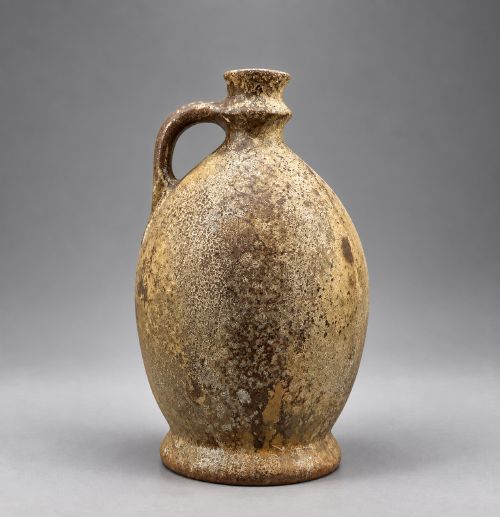
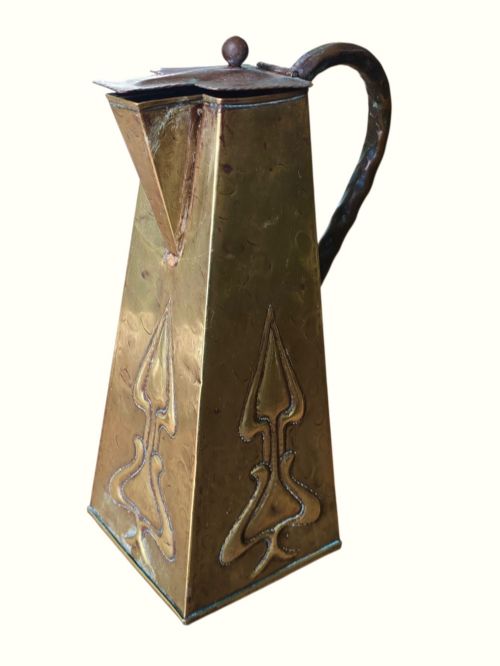
Originating primarily from English and Guernsey workshops, the forms include tall spire flagons, tavern jugs, and lidded beer tankards. The materials shift between gleaming copper, heavy pewter, and salt-glazed stoneware, reflecting the diverse demands of historical hospitality.
How they were made
Makers shaped copper and brass into large flagons and pitchers, utilising sheet metal joined with seams and reinforced rims to hold hefty volumes of liquid. Pewter pieces were cast in moulds to create substantial walls and fitted lids, such as the half-gallon and one-gallon ale jugs.
Potters formed stoneware and earthenware vessels on wheels or in moulds, applying salt glaze to achieve a durable, impermeable surface suited for storing liquids. Artisans finished metal surfaces with lids, hinges, and handles, occasionally adding brass lidded mounts to ceramic bodies.
Vintage Cider Flagon Retail Price Guide 2026
Typical asking prices for vintage cider flagon among the pieces listed under this phrase on Sellingantiques today, from the lower quarter to the upper quarter. They describe what is for sale here now, not the wider market.
Some colossal copper flagons are large enough to drown a small terrier, provided the terrier had very poor judgement.
What varies in quality
The distinction between standard utility items and finer pieces lies in the weight of the metal, the crispness of the casting, and the preservation of original lids and thumbpieces. Substantial wall thickness in copper and pewter indicates a higher grade of manufacture intended for heavy tavern service.
Surface character also shapes the piece, where natural patination, clear maker touchmarks, and intact Guernsey capacity stamps add historical depth. Well-balanced proportions and secure handle attachments distinguish superior vessels from ordinary utilitarian wares.
S Hancock
The Vintage Cider Flagon Glossary
- Salt Glaze
- A glossy, slightly textured finish created by throwing common salt into the kiln during high-temperature firing. This technique produces an impermeable surface characteristic of durable stoneware jugs.
- Spire Flagon
- A tall, tapered drinking vessel featuring a distinctive conical lid resembling a spire. These pewter pieces often held specific legal capacities for ale and cider.
- Patina
- The surface appearance acquired by materials through age, handling, and use. In copper and brass, this involves natural oxidation and mellowing of the metal tone.
- Tankard
- A large, heavy drinking cup, typically featuring a single handle and frequently fitted with a hinged lid. They were commonly produced in silver plate, pewter, and copper for beer and cider.
Vintage Cider Flagon: Frequently Asked Questions
What were vintage cider flagons used for?
These vessels served primarily for storing, measuring, and pouring fermented drinks like cider and ale in domestic households and bustling taverns.
Larger multi-gallon examples functioned as holding containers, while smaller quart and pint sizes went straight to the table for serving guests.
How do I clean a copper cider jug?
Maintenance depends entirely on whether you prefer a bright polished shine or the dark, undisturbed surface of a natural historical patina.
Most collectors choose to leave the aged skin untouched, gently dusting the surface rather than applying harsh metal cleaners that strip away history.
How can I tell a pewter flagon's age?
Age is typically indicated by the overall form, capacity stamps, and the construction methods used for handles and hinged lids.
Georgian and eighteenth-century examples often feature heavier casting and specific capacity marks like OEWS, distinguishing them from later Victorian pieces.
Are these old flagons still watertight?
While many metal and salt-glazed stoneware vessels remain structurally sound, centuries of use can affect seams, welds, and porous clay bodies.
It is wise to test them gently with cool water before using them to serve drinks at a modern table.