
Vintage Church Furniture
Vintage church furniture brings ecclesiastical dignity into domestic spaces, offering solid oak pews, pine benches and carved lecterns shaped by centuries of communal worship.
Vintage Church Furniture
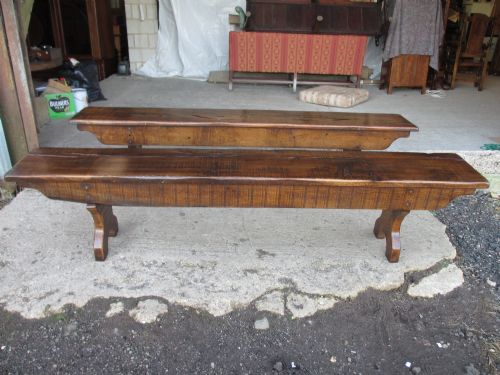
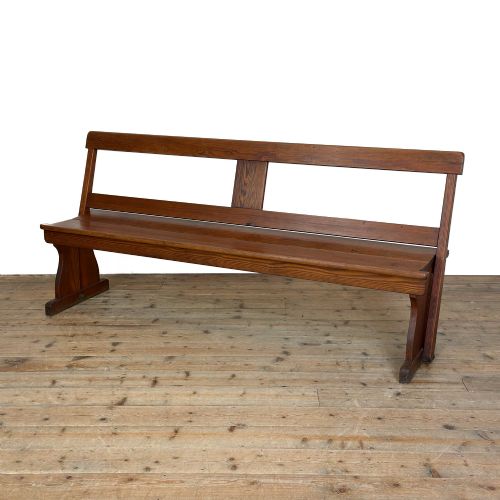
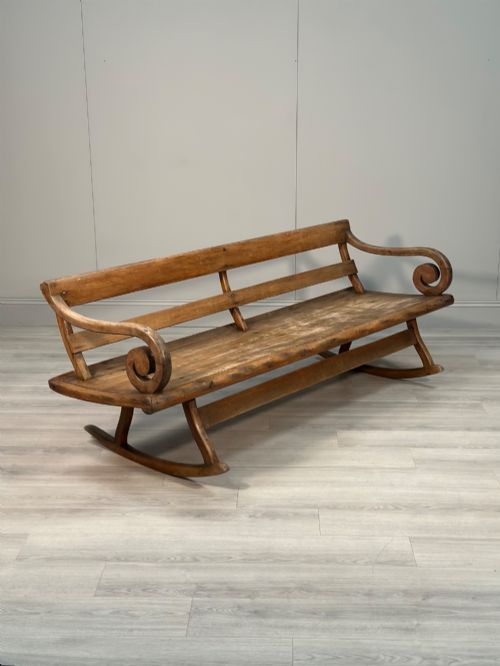
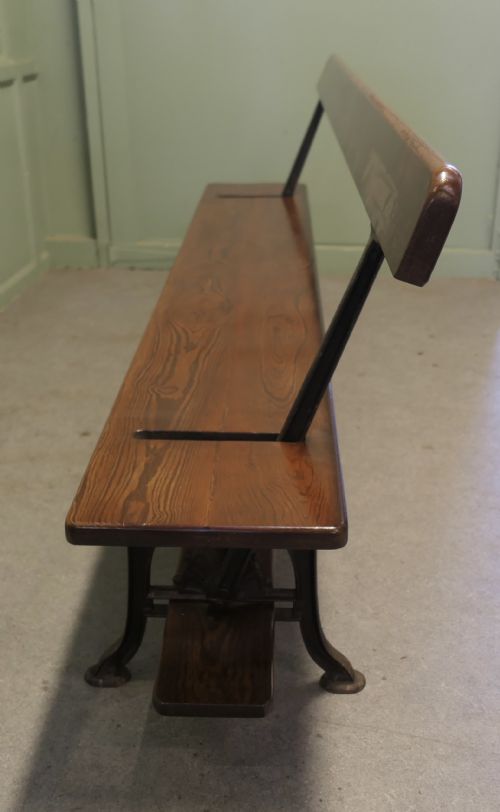
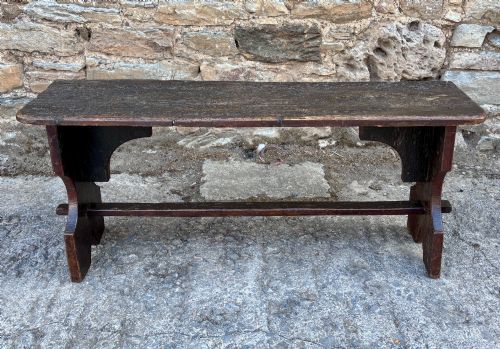
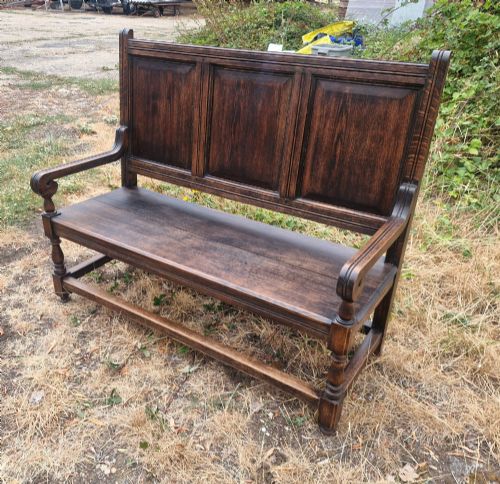
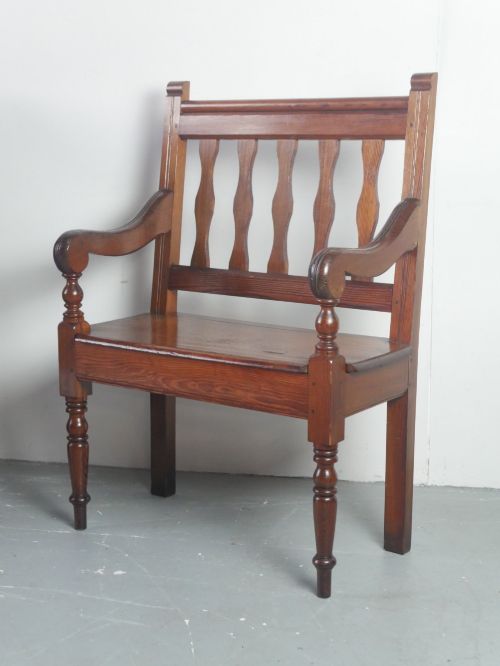
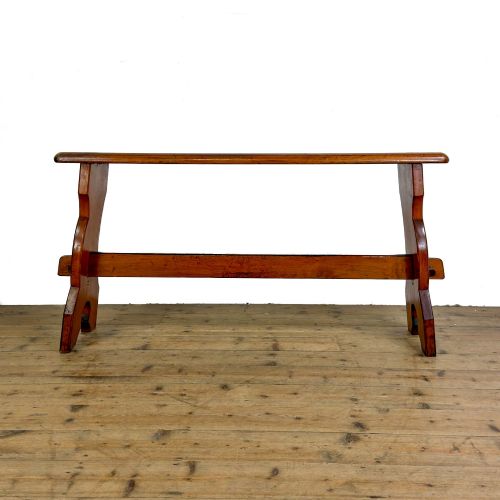
When searching for vintage church furniture, buyers encounter pieces originating from nineteenth-century Victorian foundations through to early twentieth-century Edwardian workshops. The selection centres primarily on robust pine and oak seating, including chapel pews, hall benches, settle benches and tavern forms.
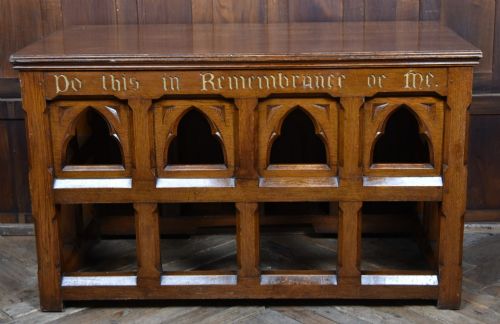
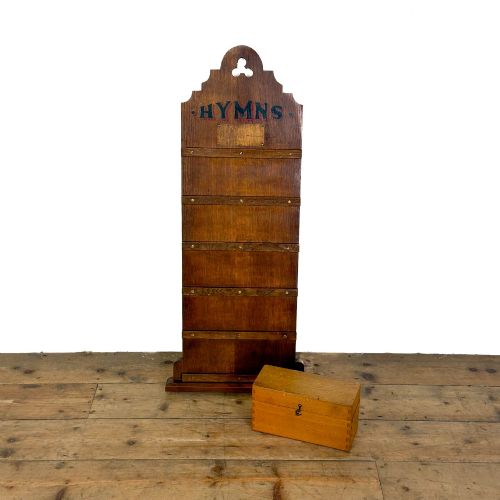
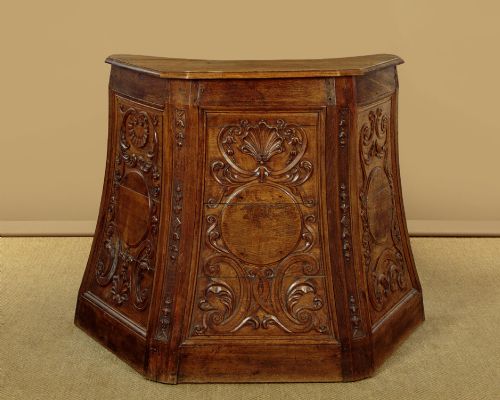
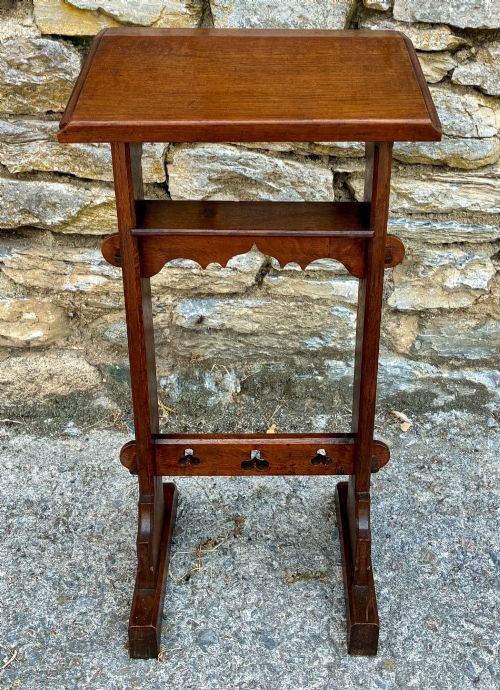
Beyond seating, the category encompasses ecclesiastical altars, reading desks, pulpit bars, hymn boards and carved brass pew end rails. These objects carry the distinct architectural character of Gothic Revival design and rustic country traditions into everyday interiors.
How they were made
Joinery relies heavily on solid native timbers such as oak, pitch pine and standard pine, alongside chestnut and occasionally painted finishes. Structural components frequently incorporate shaped trestle ends, trefoil carved supports and panelled construction built for heavy daily use.
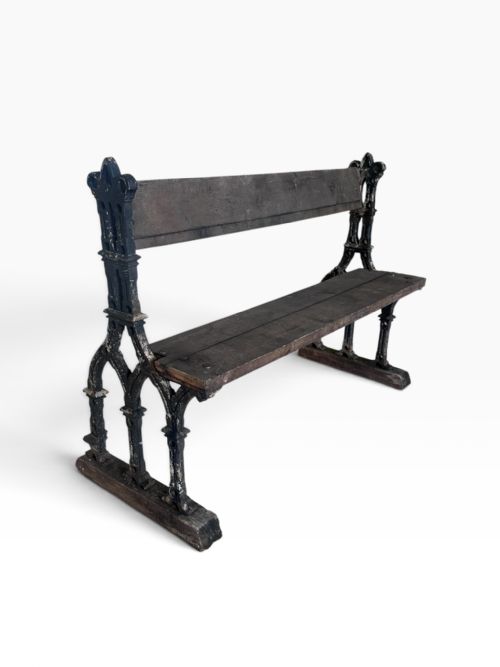
Metal elements appear in cast iron and brass, particularly within garden adaptations, pew end rails and decorative fittings. Surfaces often retain original patination, honey brown tones or historic blue paint layers applied directly to the timber.
Listings incorporate nineteenth-century Victorian periods, Edwardian eras, and materials spanning oak, pine, pitch pine, cast iron and brass.
What varies in quality
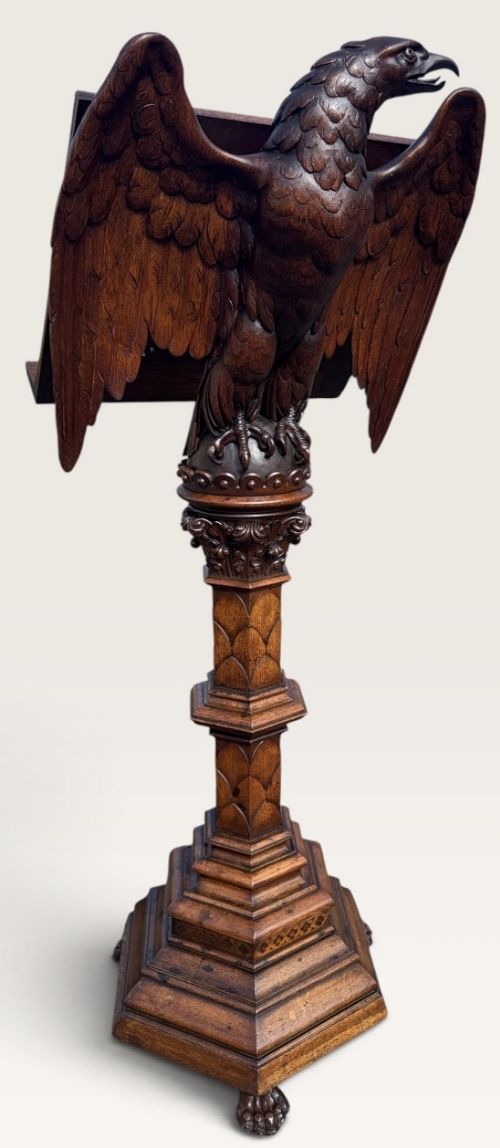
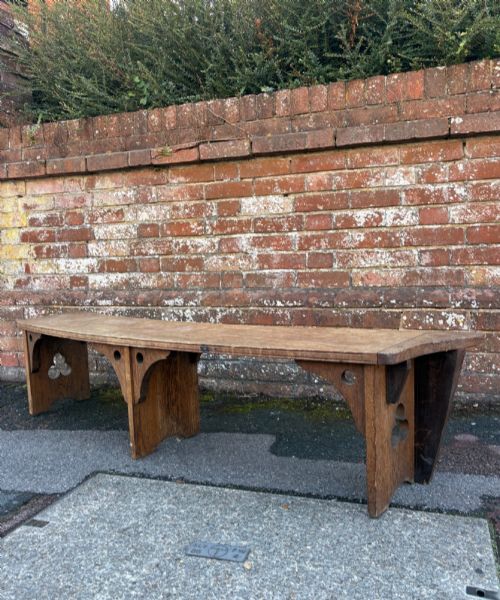
Quality differentiates through the integrity of the timber selection and the depth of architectural detailing, such as crisp hand-carved eagle motifs on lecterns or precise trefoil cutouts on bench supports. Pieces retaining original surface patination and uncompromised structural joints stand apart from heavily altered examples.
Proportion and scale dictate desirability, where neat hall benches or specific curved Pugin-style oak forms command greater architectural presence than standard utility seating. The consistency of period joinery and the survival of authentic ecclesiastical hardware define the upper tier of the range.
The Vintage Church Furniture Glossary
- Gothic Revival
- An architectural and decorative style drawing inspiration from medieval Gothic forms, heavily utilised in nineteenth-century ecclesiastical design. It typically incorporates pointed arches and vertical emphasis.
- Settle
- A wooden bench featuring a high back designed to block cold drafts, often equipped with solid armrests and storage beneath the seat. These versatile pieces served both domestic halls and tavern interiors.
- Pew
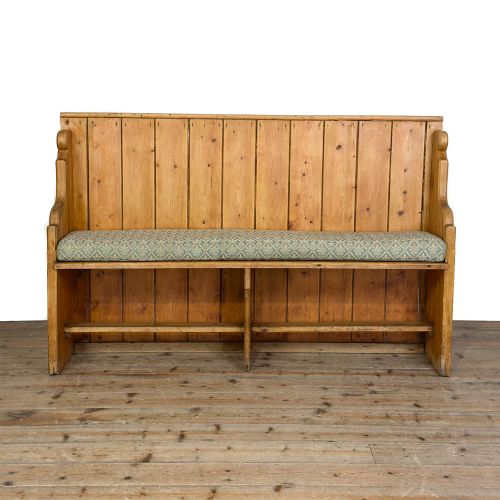
- A long wooden bench utilised for congregational seating within churches and chapels. They are predominantly constructed from solid pine or oak with panelled backs.
- Trefoil
- A graphic ornament composed of three overlapping rings or lobes, frequently pierced through wooden bench supports or carved into ecclesiastical furniture. The motif echoes traditional Gothic window tracery.
- Lecturn
- A tall desk with a slanted top designed to hold books for reading aloud during services. Examples often feature carved wooden supports or eagle pedestals.
Vintage Church Furniture: Frequently Asked Questions
How do I place a church pew at home?
Church pews suit hallways, dining tables or living rooms where linear seating and substantial timber presence are required. Their narrow depth allows them to sit flush against walls without dominating floor space.
Shorter chapel pews fit neatly into domestic entryways, while longer variants provide communal seating alongside refectory tables.
What is the difference between pine and oak church furniture?
Pine church furniture tends to offer a lighter aesthetic, often displaying rustic knots, honey brown patination or historic painted surfaces. Oak pieces generally provide denser structural weight and darker grain patterns associated with formal Gothic Revival commissions.
Both timbers were utilised extensively across nineteenth-century ecclesiastical workshops depending on the budget and purpose of the piece.
How do I identify a Gothic Revival piece?
Gothic Revival items feature architectural motifs borrowed from medieval buildings, including pointed arches, quatrefoils, trefoils and heavy carved panels. These stylistic choices reflect the nineteenth-century movement to restore traditional church aesthetics.
Such details appear frequently on bench supports, lecterns and altar tables from the Victorian period.
Can church benches be used outdoors?
Certain nineteenth-century variants, specifically those constructed with cast iron frames, were designed for garden use. Standard wooden pews and indoor benches require protection from damp conditions to preserve the timber and prevent rot.
Checking the material composition clarifies whether a piece is suited for sheltered outdoor placement.