






Vintage Chinese Stand
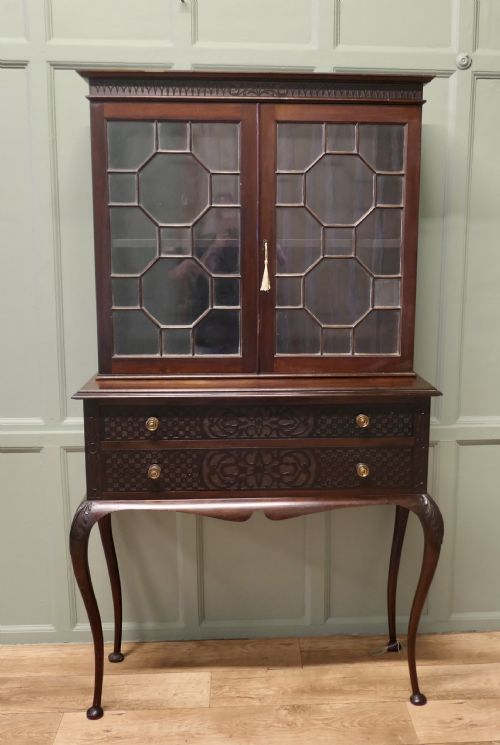
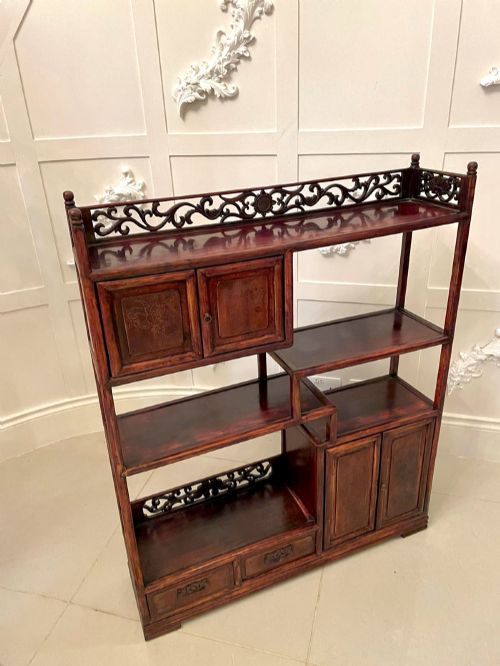
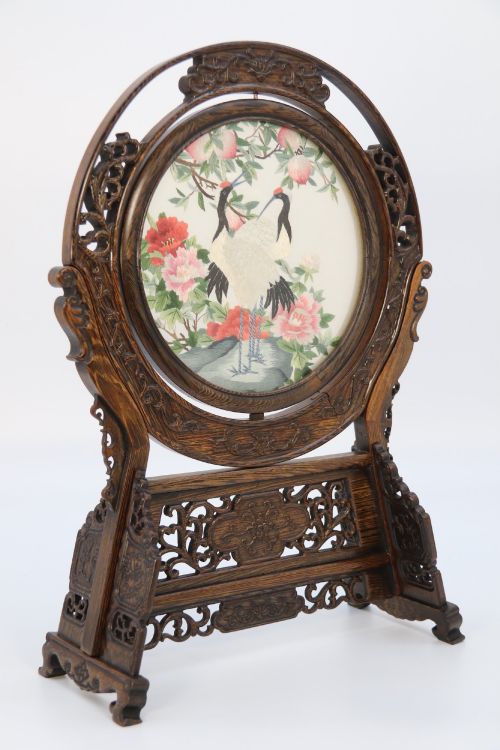
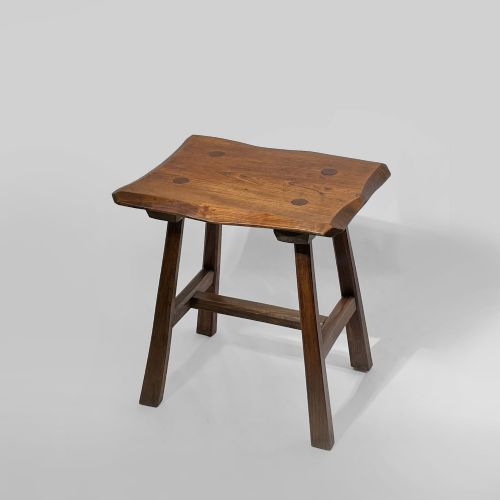
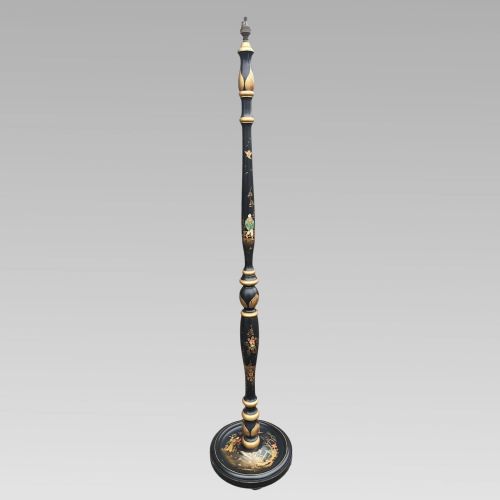
A vintage chinese stand brings architectural timber and carved detail into a room, holding plants, lamps or displays with steady poise.
Vintage Chinese Stand
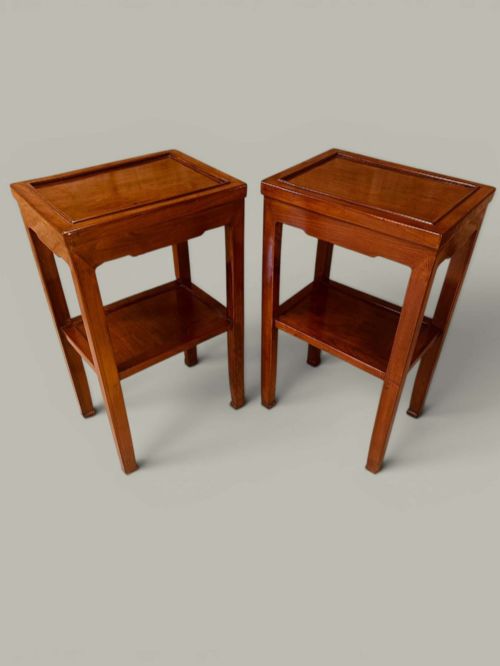
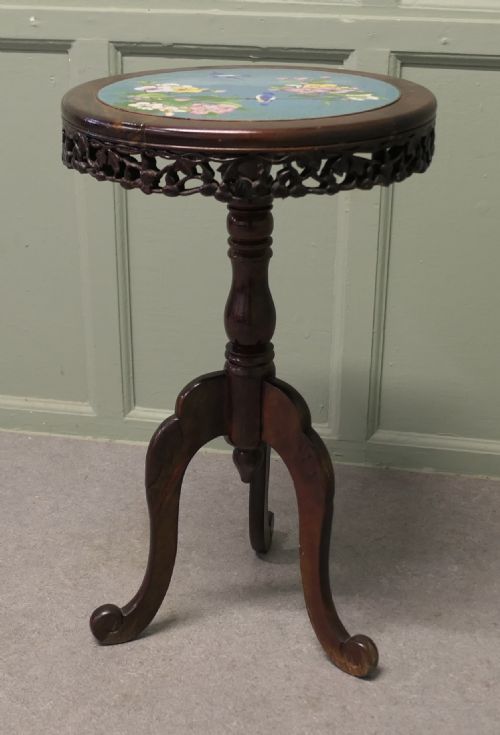
A vintage chinese stand encompasses low pedestals, tall plant tables, and fitted supports designed to elevate porcelain, jade carvings, or floral displays. The selection on this page leans heavily toward sturdy hardwood plant supports and marble-topped tables dating from the late nineteenth century through the 1930s.
Makers produced these pieces in forms ranging from simple rustic stools to elaborate pedestal tables with inset marble panels. Buyers frequently encounter rosewood and padauk frames featuring pierced carving or mother-of-pearl inlay, alongside lacquer finishes from the Chinoiserie and Chinese Republic periods.
How they were made
Workshops utilised dense exotic timbers like rosewood, padauk, and elm, often joined without metal fixings through traditional mortise and tenon construction. Surfaces received hand-rubbed lacquer or polish to highlight the deep grain of the timber.
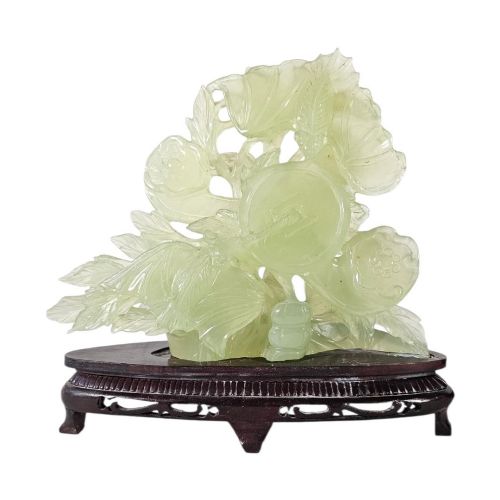
Insets of white marble or rouge marble were channelled directly into the wooden frames to provide a cool, stable surface for heavy porcelain bowls and jardinières. Carved hardstones, jade, and cloisonné components were mounted securely onto these custom wooden bases.
Vintage Chinese Stand Retail Price Guide 2026
Typical asking prices for vintage chinese stand among the pieces listed under this phrase on Sellingantiques today, from the lower quarter to the upper quarter. They describe what is for sale here now, not the wider market.
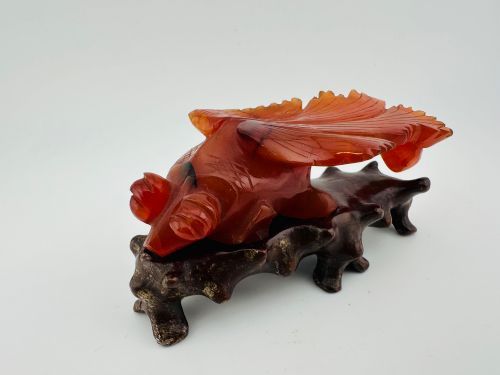
Several stands double as display platforms for carved jade goldfish and stone cockerels rather than potted greenery.
What varies in quality
The distinction between ordinary and superior examples lies in the depth and crispness of the hand-carved relief work on the skirt and legs. Sharply undercut foliage and clean joinery signify a higher standard of workshop production.
The selection of materials also dictates standing, with dense rosewood and well-fitted marble tops commanding greater presence than softer woods or painted substitutes. Preserved original lacquer finishes and intact fitted mounts retain their integrity far better than heavily restored surfaces.
The Vintage Chinese Stand Glossary
- Hardwood
- Dense, slow-growing timber such as rosewood or padauk used for structural stability and intricate carving. These heavy woods resist warping over decades of use.
- Jardiniere
- A decorative ceramic or metal pot designed to hold plants or flowers, often placed atop a dedicated pedestal. They form the primary functional pairing for tall stands.
- Chinoiserie
- European interpretation and adaptation of Chinese artistic traditions, prevalent in decorative arts and furniture design. This style often employs black lacquer and gilt painting.
- Cloisonne
- Enamelling technique where compartments are created on a metal base by soldering wires, then filled with coloured paste. It frequently decorates small tables and stands.
- Reticulated
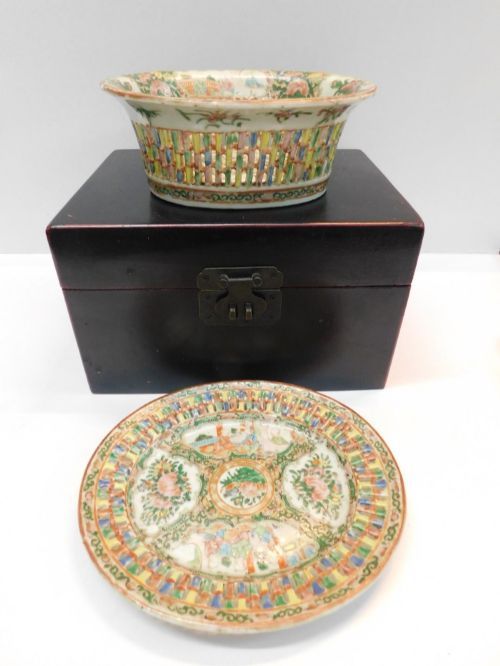
- Openwork pattern pierced entirely through the material, common in ceramic baskets and wooden panels. This technique lightens heavy compositions.
Vintage Chinese Stand: Frequently Asked Questions
What were plant stands used for?
These elevated tables held heavy ceramic jardinières, bronze vessels, and large floral arrangements away from damp floors. They also served to display prized ornaments at eye level within traditional rooms.
Over time, their roles expanded to support table lamps, tea trays, and desk accessories in both Eastern and Western interiors.
How do I identify rosewood?
Rosewood exhibits a heavy weight, tight grain, and deep reddish-brown coloration that darkens further with age. It often shows natural figuring without requiring heavy stain.
Under bright light, genuine antique pieces display a dense, oily lustre rather than a flat painted surface.
Are marble tops original?
Most marble inserts in these tables were custom-cut to fit the wooden frame during initial manufacture. They provide a heat-resistant and moisture-proof surface for plants and tea ceremonies.
A snug fit within the rebated wooden groove usually indicates the marble has not been replaced.
How do I clean timber frames?
Dust the carved crevices regularly with a soft brush and wipe the wood using a slightly damp cloth. Avoid harsh chemical polishes that can degrade aged lacquer and wax finishes.
Applying microcrystalline wax occasionally helps protect dry hardwood surfaces from atmospheric moisture changes.