




Vintage Chinese Silver
These vintage chinese silver pieces span late nineteenth and early twentieth century export production, offering intricate craftsmanship and distinctive Asian motifs.
Vintage Chinese Silver
Vintage chinese silver encompasses a diverse range of decorative and functional objects created primarily for export markets during the late nineteenth and early twentieth centuries. Pieces frequently bridge traditional Asian iconography with Western utility, reflecting the tastes of international clientele during the Qing Dynasty and Republic periods.
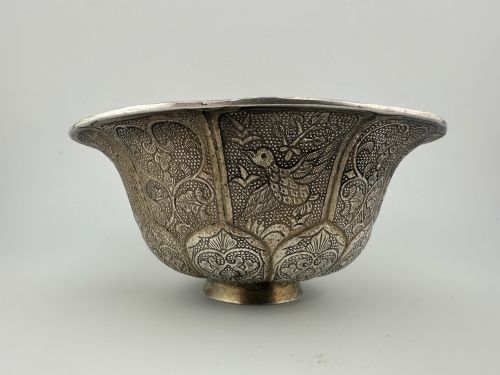
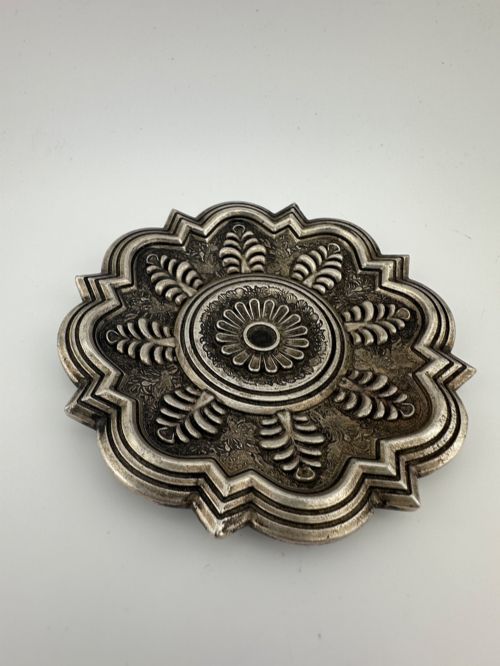
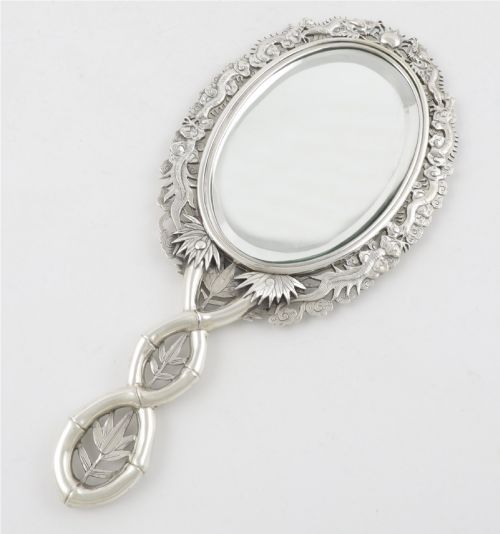
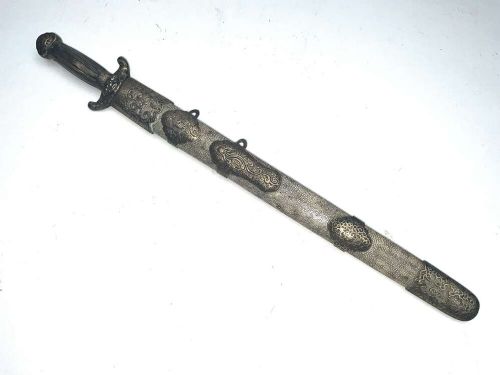
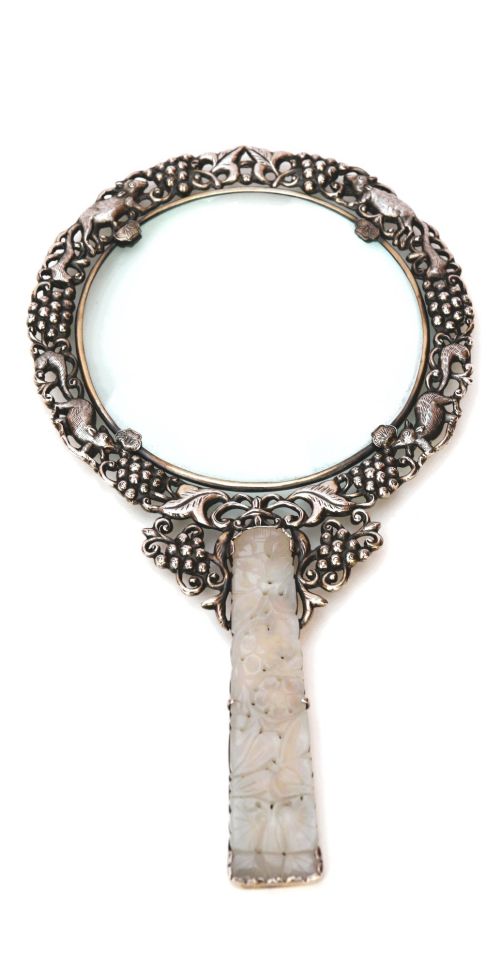
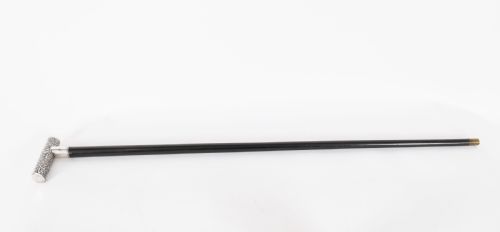
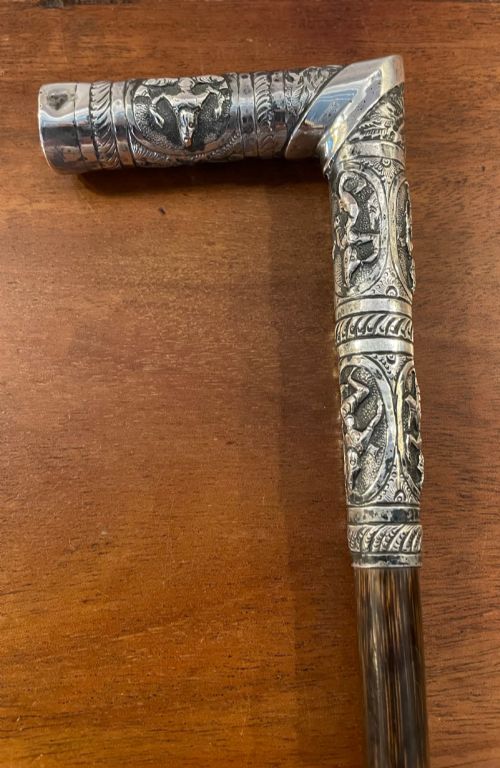
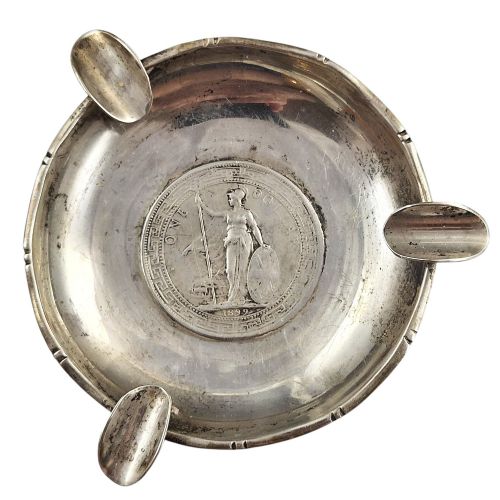
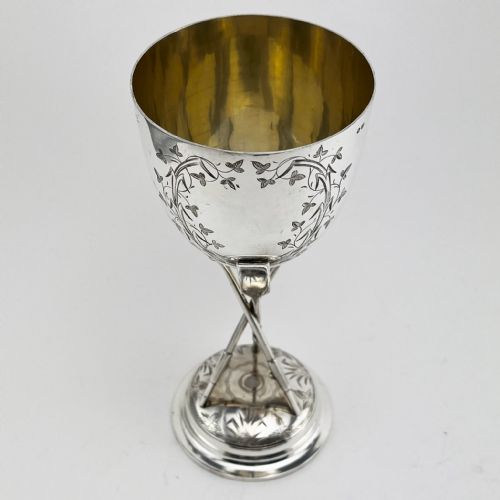
The selections available here range from personal accessories such as hand mirrors, compacts, and belt buckles to larger table articles including bowls, dishes, and trophies. Walking canes with detailed metal handles and decorative boxes also appear regularly among these listings.
Origins span standard export production as well as regional variations such as Straits Chinese and Indo Chinese work. Dating predominantly from the 1870s through the 1930s, these items showcase the stylistic transitions of the late Victorian and Edwardian eras alongside distinct Chinese aesthetic traditions.
Materials and construction
Makers utilised solid silver, sterling silver, and white metal alongside base metals like nickel silver and brass, often combining precious metal with organic elements such as jade, bamboo, and ebonised wood. Gilt finishes and enamel work occasionally accent these items, adding colour and textural contrast to the metal surfaces.
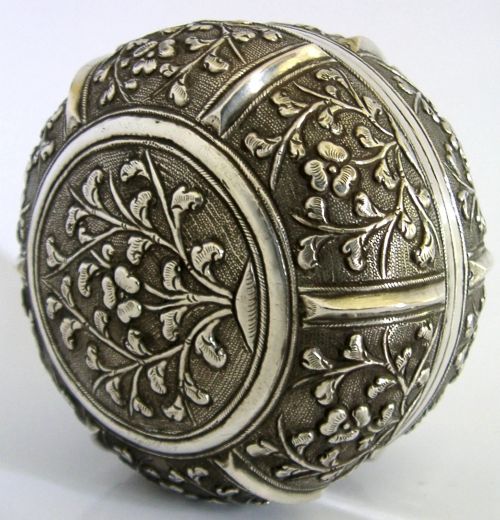
Techniques relied upon skilled manual fabrication, incorporating intricate filigree, repoussé, and engraved details that depict dragons, birds, floral motifs, and prunus blossoms. Many items integrate functional components like glass lenses, coinage inserts, or carved wooden handles to complete the construction.
Vintage Chinese Silver Retail Price Guide 2026
Typical asking prices for vintage chinese silver among the pieces listed under this phrase on Sellingantiques today, from the lower quarter to the upper quarter. They describe what is for sale here now, not the wider market.
Materials documented in current inventory include sterling silver, white metal, nickel silver, brass, glass, jade, and ebonised wood.
Assessing quality in vintage chinese silver
Quality varies according to the depth and precision of the decorative work, where master silversmiths achieved sharper relief and more articulate detailing in chasing and filigree. Heavier gauge metal and integrated maker marks or artisan signatures generally indicate higher workshop standards during the export period.
The incorporation of superior secondary materials, such as finely carved jade panels or well-preserved enamel accents, elevates certain pieces above standard utilitarian production. Condition and structural integrity also influence overall merit, particularly in items featuring delicate hinges, handles, or fitted wooden compartments.
Cum Shing·Lee Yee Hing·Wang Hing And Co
The Vintage Chinese Silver Glossary
- Chinese Export Silver
- Silverware manufactured in China specifically for Western and international markets from the late eighteenth century onwards. These objects typically combine traditional Chinese motifs with European forms.
- White Metal
- An alloy of various non-precious metals used in manufacturing decorative objects and boxes. It often provides a durable base or alternative to sterling silver in export pieces.
- Straits Chinese
- Items associated with the Peranakan Chinese communities of the Straits Settlements, known for distinct decorative styles and heavy gilt silver work. Belt buckles and ceremonial accessories frequently display these regional characteristics.
- Filigree
- Delicate jewellery and metalwork technique formed from fine twisted wires soldered together in intricate openwork patterns. It appears frequently on brooches and decorative boxes.
- Repoussé
- A metalworking method where the silver is hammered from the reverse side to form a raised design in relief on the front. This technique defines the detailed dragons and floral scenes on bowls and cigarette boxes.
Vintage Chinese Silver: Frequently Asked Questions
How do I clean vintage chinese silver?
Clean these items gently using a soft microfibre cloth to remove dust and surface tarnish without damaging delicate filigree or enamel work. Avoid harsh chemical dips, particularly on pieces containing jade, glass, or wooden elements.
Store items in a dry environment away from direct sunlight to preserve the finish of both the silver and any applied gilding.
What periods do these silver pieces represent?
The selections date primarily from the late nineteenth century through the 1930s, encompassing the late Qing Dynasty and the Republic Period. Victorian and Edwardian stylistic influences frequently blend with traditional Chinese export designs during these decades.
Dates are typically determined by associated hallmarks, maker marks, coin dates, or stylistic markers recorded in the specific item details.
Are these items marked with maker stamps?
Many export pieces feature artisan stamps, workshop signatures, or pseudo-hallmarks stamped directly into the metal. These marks can sometimes identify specific makers or retail houses active in treaty ports like Hong Kong and Canton.
Unmarked white metal items were also common in general export production, relying on stylistic attribution rather than a stamp.
How were these decorative boxes used?
Boxes, cigarette cases, and ashtrays were produced for domestic use in affluent Western and expatriate households during the late nineteenth and early twentieth centuries. They served both functional storage purposes and as decorative display items on desks and smoking tables.
Larger boxes often featured fitted interiors designed for specific personal accessories or tobacco products.