

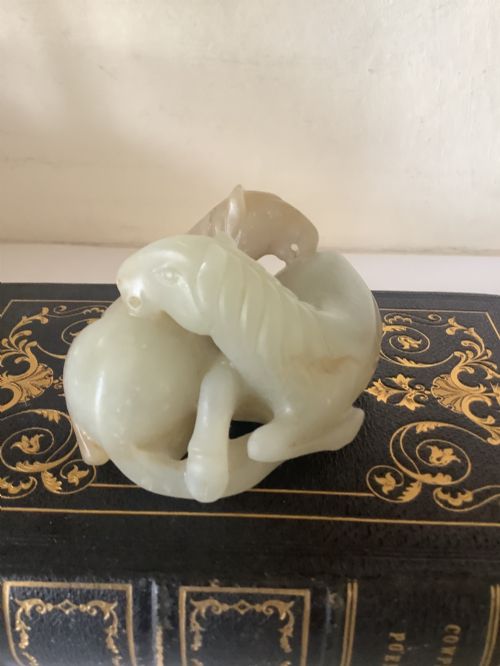
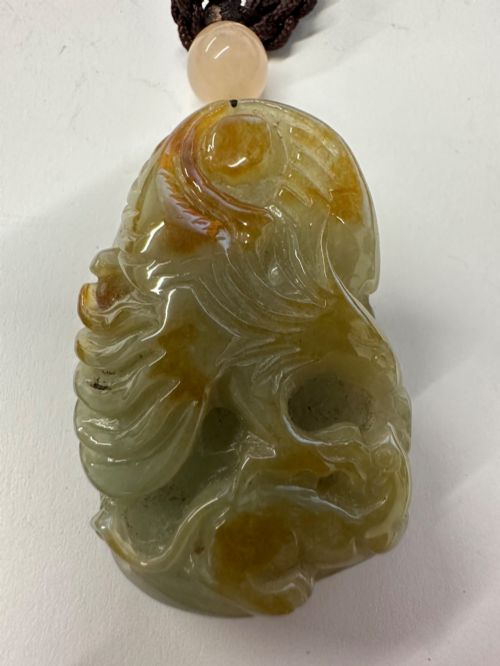
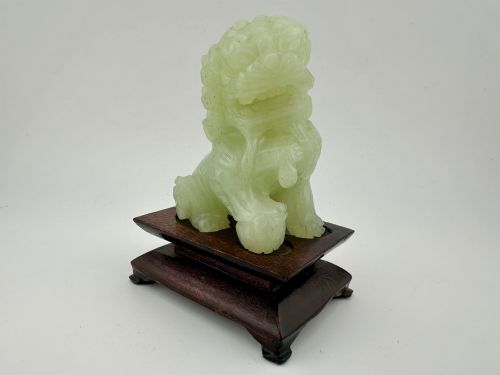
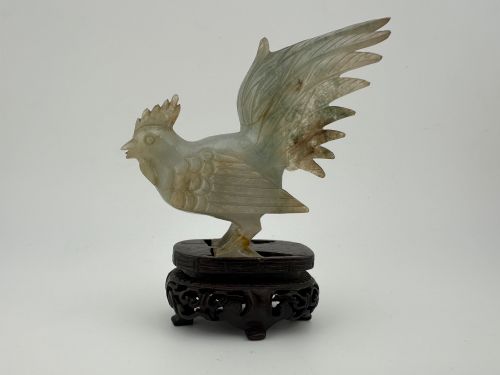

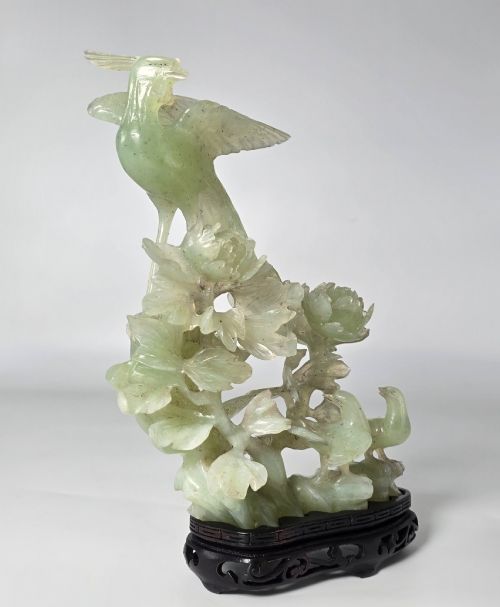


Vintage Chinese Jade Carving
These vintage chinese jade carving pieces bring traditional motifs and natural minerals together, offering a tangible link to historical craftsmanship.
Vintage Chinese Jade Carving
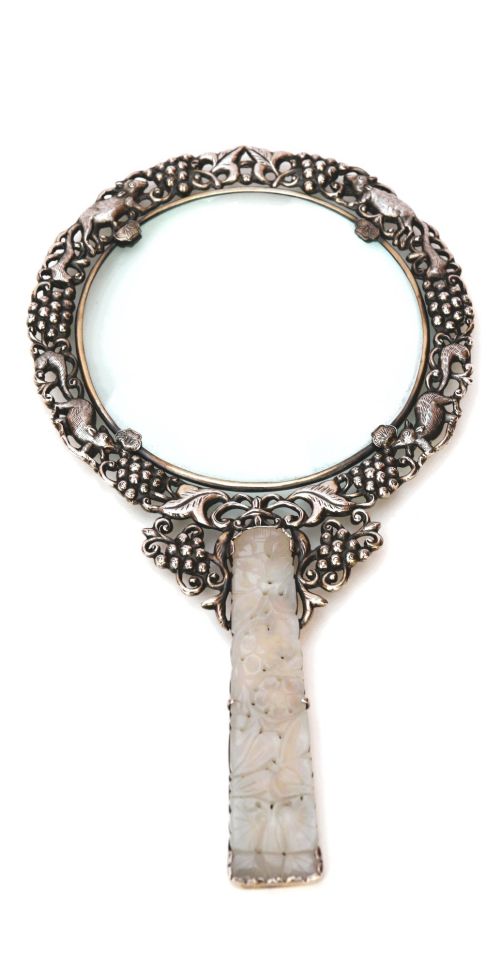
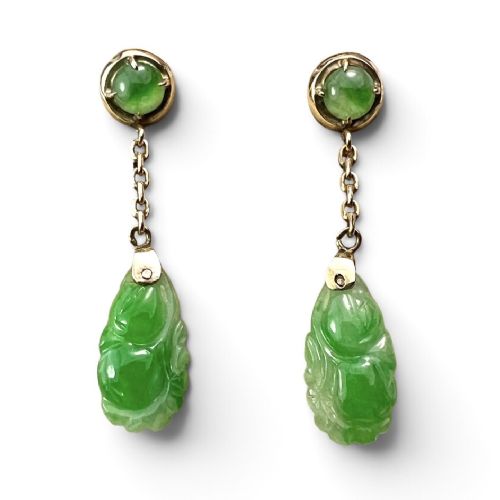
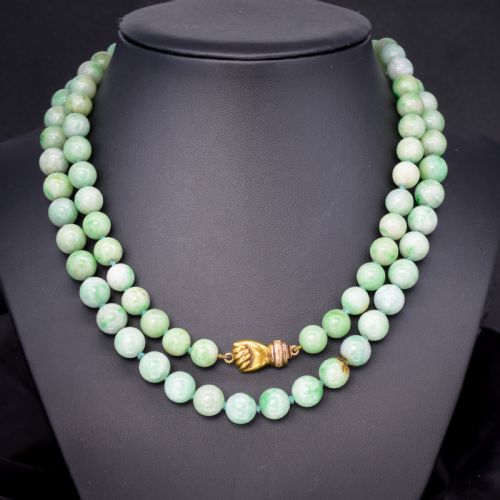
A vintage chinese jade carving encompasses a diverse selection of decorative items, jewellery, and sculptural forms originating from the nineteenth century through to the mid-twentieth century. Buyers searching this phrase encounter everything from intricate pendants and rings to larger desk seals, censers, and bonsai displays.
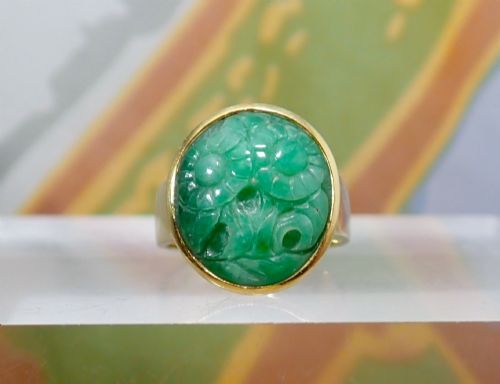
The objects span multiple stylistic movements, including Traditional Chinese, Chinese Republic Period, Art Deco, and Edwardian designs. Many pieces combine carved jade or jadeite with precious metals such as gold and silver, or mount them upon bespoke hardwood stands.
What varies in quality
Quality differences lie in the depth and precision of the carving, ranging from simple geometric forms to highly detailed sculptural groups depicting mythical creatures and landscapes. The clarity and natural colour variation of the jadeite or hardstone also dictate the overall standard of the piece.
The integration of precious mountings, such as high-carat gold or detailed silver and enamel work, elevates the sophistication of items like pendants and earrings. Superior examples maintain a harmonious balance between the mineral carving and its supporting frame or stand.
Vintage Chinese Jade Carving Retail Price Guide 2026
Typical asking prices for vintage chinese jade carving among the pieces listed under this phrase on Sellingantiques today, from the lower quarter to the upper quarter. They describe what is for sale here now, not the wider market.
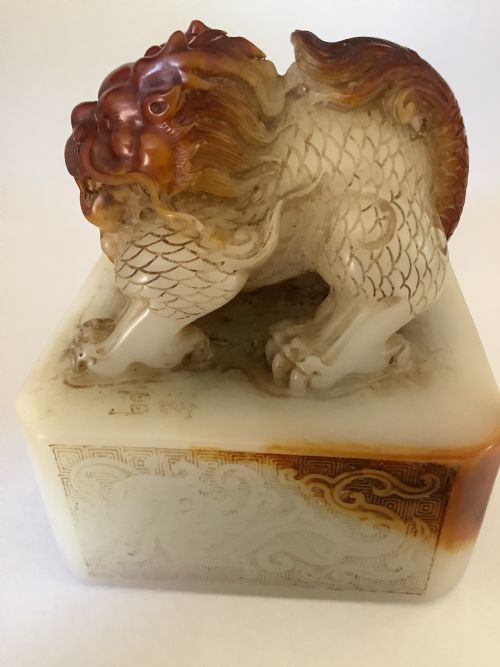
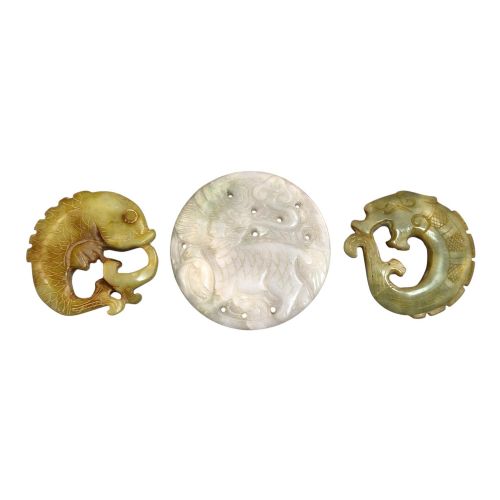
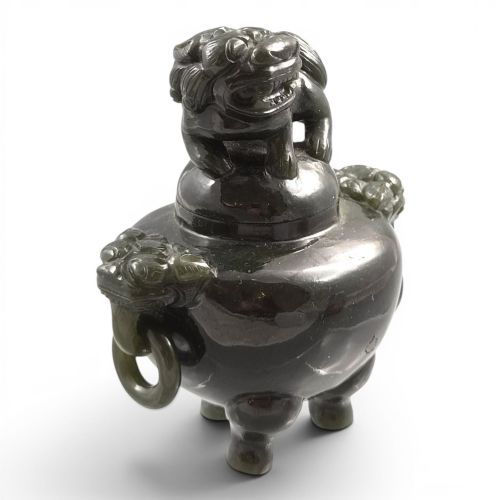
Several stone creatures keep watch over these collections, including protective foo dogs, mythical qilin, and swimming carp.
The Vintage Chinese Jade Carving Glossary
- Jadeite
- A pyroxene mineral that forms one of the two distinct mineral species recognised as jade, known for its vibrant green hues and translucent quality.
- Bi Disc
- A flat circular jade object with a circular hole in the centre, often associated with ancient ritual and traditional Chinese symbolism.
- Foo Dog
- A traditional guardian lion sculpture commonly depicted in pairs, frequently appearing on censers, seals, and bookends.
- Cloisonne Enamel
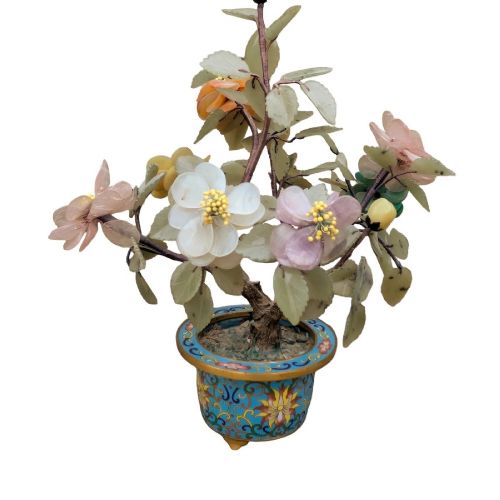
- A metalwork technique where compartments are created using soldered wire and filled with coloured enamel paste before firing.
Vintage Chinese Jade Carving: Frequently Asked Questions
How do I care for a vintage jade carving?
Clean your jade piece gently using a soft damp cloth, avoiding harsh chemical cleaners or ultrasonic baths that might damage softer mounted stones or metalwork.
Store the item in a dedicated lined box to prevent scratches from other jewellery or hard objects.
What periods do these carvings come from?
The available pieces span the late nineteenth century through the Edwardian era and the Chinese Republic Period, up to the mid-twentieth century.
Earlier examples often feature traditional motifs, while pieces from the nineteen-twenties and thirties sometimes incorporate Art Deco design elements.
Are all these items made of genuine jade?
The inventory includes items fashioned from true jade and jadeite, alongside related hardstones, quartz, and marble.
Listings specify the exact material used, distinguishing pure stone carvings from those combined with silver, gold, or cloisonne enamel.
How were larger jade sculptures displayed?
Larger decorative sculptures and mountain landscapes were traditionally mounted upon custom-carved hardwood stands to support their weight and enhance their visual presentation.
Smaller items like desk seals, ashtrays, and bonsai displays served functional or ornamental roles within a room.