



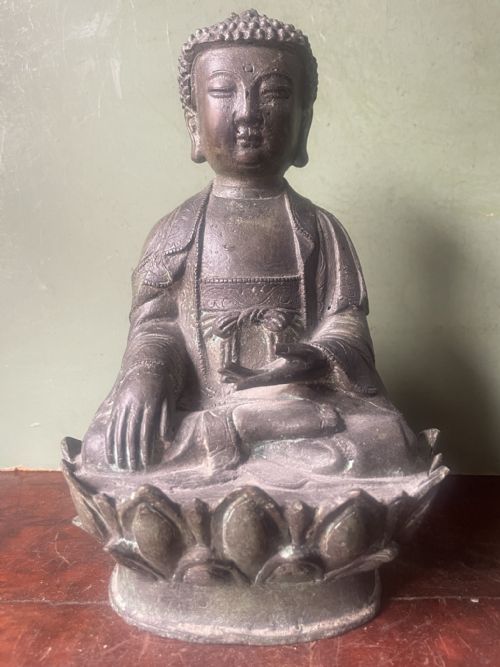


Vintage Chinese Bronze
Vintage Chinese bronze vessels and figures bring heavyweight presence and rich surface patination to a room.
Vintage Chinese Bronze
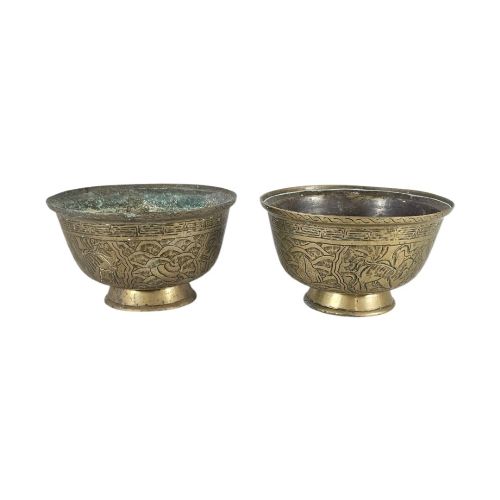
When you search for vintage chinese bronze, you find metalwork spanning incense burners, vases, bowls, and animal figures. The selection draws heavily on nineteenth century items alongside early twentieth century productions in traditional styles.
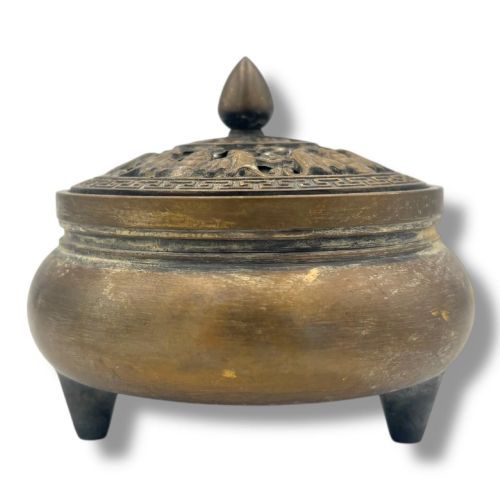
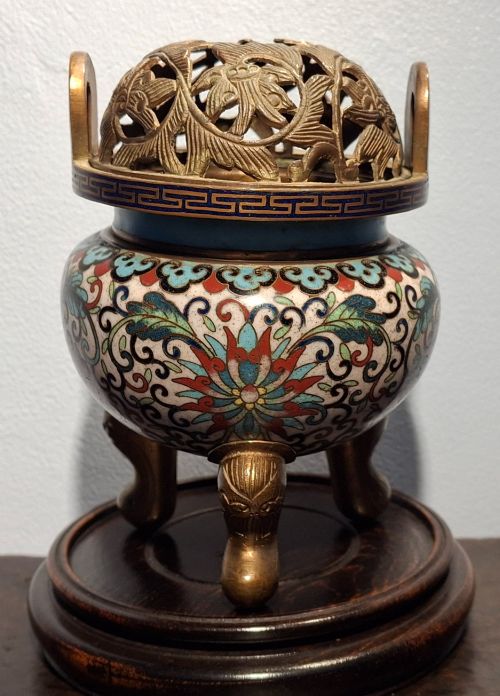
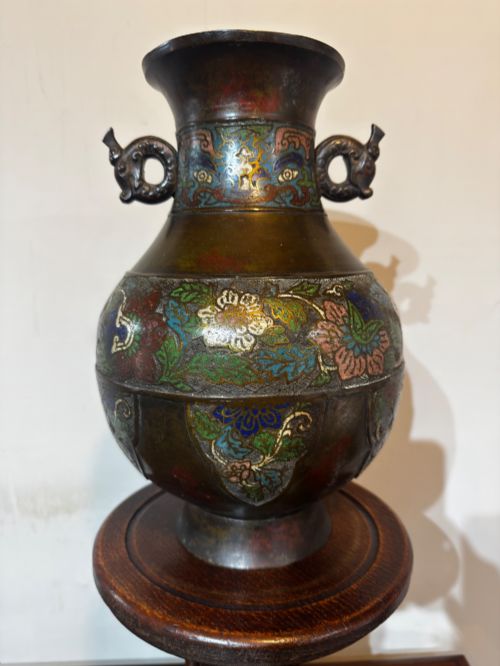
Vessels often incorporate applied enamel decoration, tripod feet, and cast handles shaped as mythical beasts or floral motifs. Functional pieces like jardinières and scholar objects sit alongside decorative sculptures of horses, pigs, and temple lions.
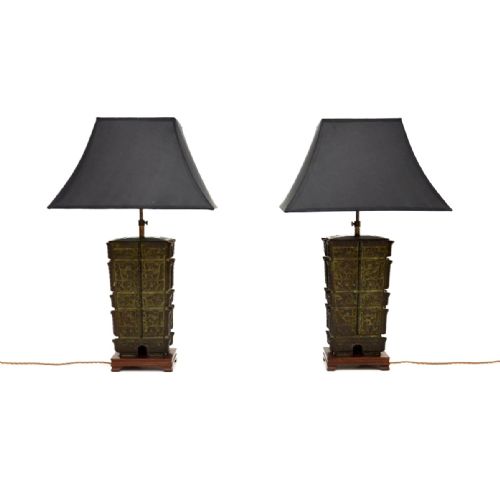
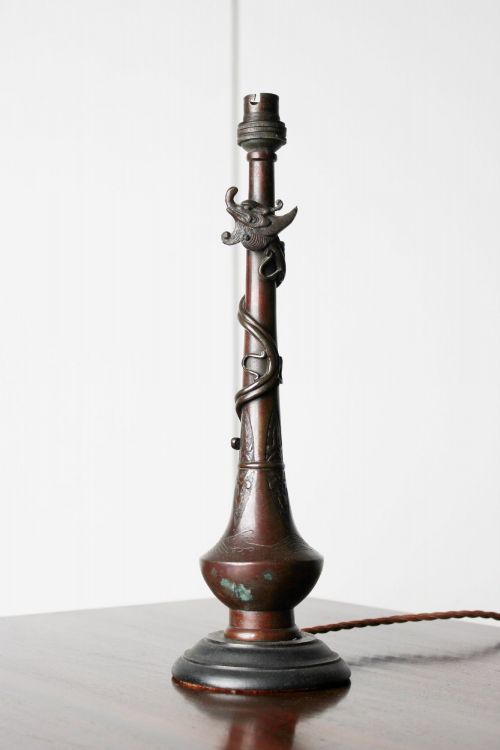
The aesthetic bridges Qing dynasty sensibilities and later export wares produced for Western interiors. Many surviving examples show the adaptation of ancient vessel forms into table lamps or decorative mantel items.
How they were made
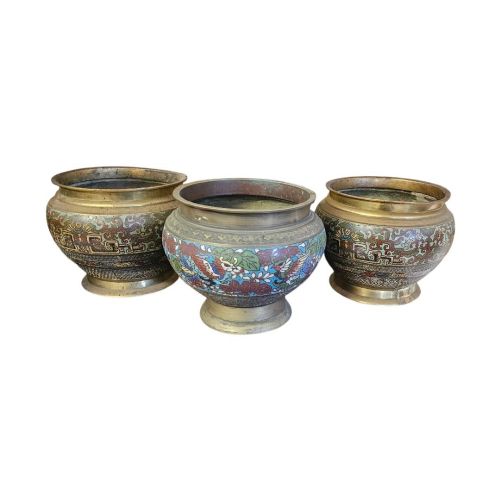
Foundry workers cast bronze and brass using traditional techniques, frequently finishing surfaces with applied gilt, champlevé, or cloisonné enamel work. These vitreous enamels fill recessed wire cells or carved troughs to create intricate patterns of lotus flowers and geometric borders.
Weight and wall thickness indicate the method of casting, with heavier scholar pieces showing dense, solid metal construction. Surfaces often receive patination treatments, ranging from dark natural oxidation to polished golden tones.
Vintage Chinese Bronze Retail Price Guide 2026
Typical asking prices for vintage chinese bronze among the pieces listed under this phrase on Sellingantiques today, from the lower quarter to the upper quarter. They describe what is for sale here now, not the wider market.
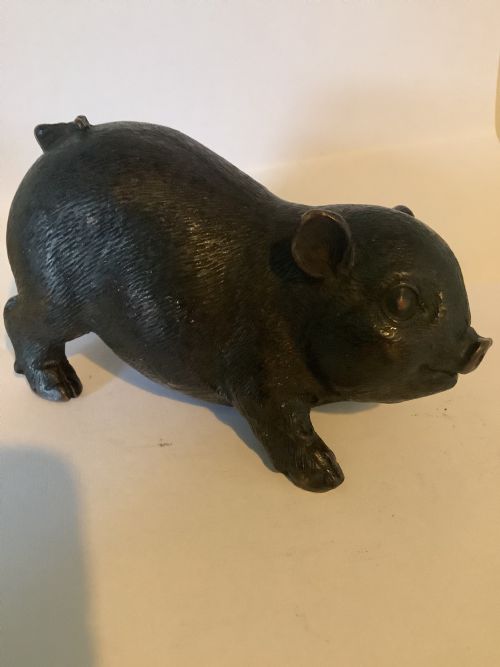
A cast bronze pig stands ready to remind visitors that utilitarian farm animals received the same loving, whiskered detail as mythical temple lions.
What varies in quality
The crispness of the casting defines the upper tier of these metalworks, where fine details on animal fur, facial expressions, and pierced lids remain sharp and unblurred. Lesser examples show soft, smoothed edges from worn moulds or hasty post-casting cleanup.
Enamel work introduces another distinction, as tight, uniform cell work with vibrant colour sits above loose, pitted fillings that lack precision. The presence of apocryphal marks, such as Xuande characters, indicates a historical reverence for earlier imperial standards rather than exact dating.
The Vintage Chinese Bronze Glossary
- Cloisonne
- A metalworking technique where thin wires are soldered to a metal base to create compartments filled with enamel paste before firing. This method produces colourful, patterned surfaces on vases and bowls.
- Champleve
- An enamelling process where troughs or cells are gouged directly into the thick bronze surface and filled with enamel. The surrounding exposed metal forms the dark outlines of the design.
- Tripod censer
- A traditional three-legged vessel originally used for burning incense in scholarly or ritual settings. These pieces usually feature a pierced lid to allow fragrant smoke to escape.
- Jardiniere
- A large ornamental pot or bowl designed to hold plants or floral arrangements. In bronze pieces, these often feature heavy handles and cast relief decoration.
- Patination
- The natural or chemical coloration that develops on the surface of bronze over decades of exposure to air and handling. Collectors value stable patinas that enhance the visual depth of the metal.
Vintage Chinese Bronze: Frequently Asked Questions
How do I date a bronze vessel?
Dating relies on stylistic cues, casting weight, and the complexity of the enamel work rather than stamped dates alone. Many pieces carry historical reign marks that reference earlier dynasties without denoting the actual year of manufacture.
Examinations of the interior metal surface and the wear patterns on the base help separate nineteenth-century production from later twentieth-century interpretations.
What is a scholar censer?
Scholar censers are heavy, understated bronze vessels created for the desks of literate elites in imperial China. They served as focal points for contemplation during writing and poetry composition.
These pieces prioritise dense metal composition and subtle patination over bright enamels, reflecting Confucian and Daoist ideals of refined simplicity.
Can these items be used as lamps?
Many antique bronze vases and urns have been converted into table lamps, particularly during the Edwardian period and the mid-twentieth century. These conversions often involve drilling the base or mounting the vessel on a wired plinth.
Such pieces combine traditional Oriental craftsmanship with functional lighting for contemporary domestic spaces.
How should I clean antique bronze?
Antique bronze requires minimal intervention to preserve its historical surface and stable oxidation. Dusting with a soft, dry cloth prevents the accumulation of grime without disturbing the patina.
Avoid chemical polishes, abrasive cloths, and water, as these treatments strip away centuries of natural ageing and can ruin enamel inlays.