





Vintage China Dishes
These vintage china dishes bring centuries of painted scenes, gilt borders and heavy platters straight to the dining table.
Vintage China Dishes
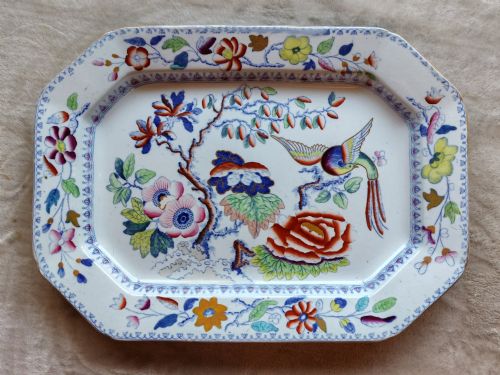
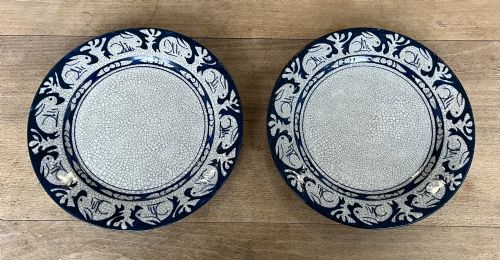
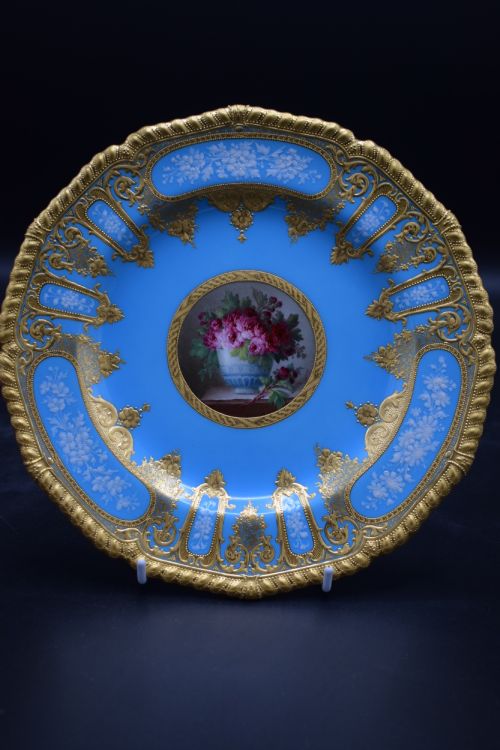
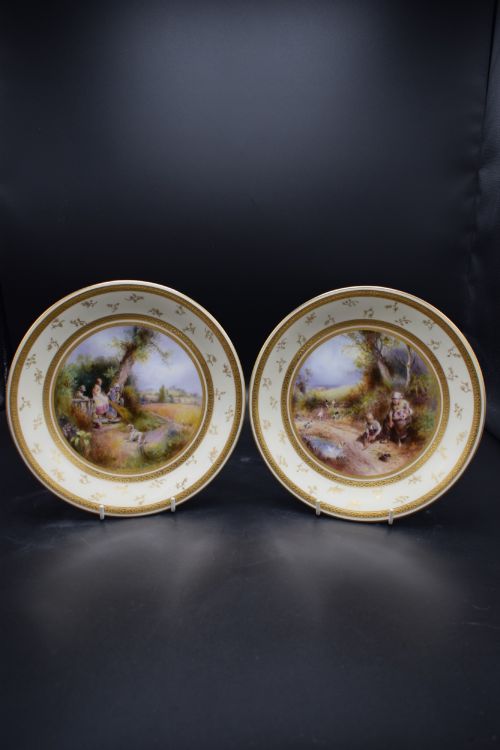
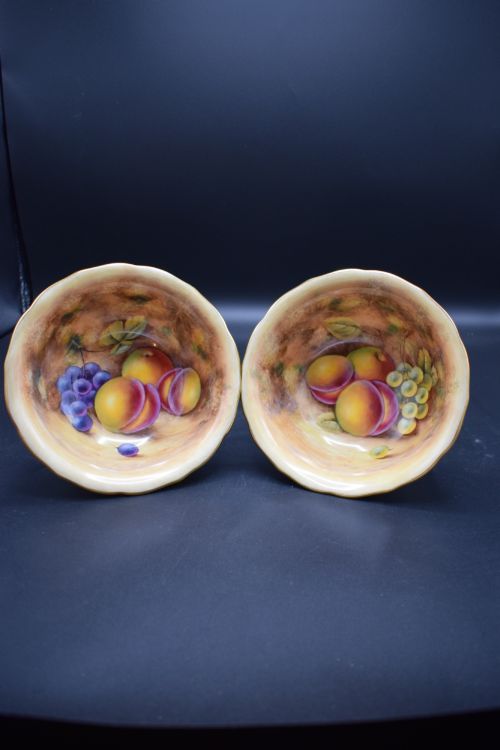
When searching for vintage china dishes, collectors encounter an array of utilitarian and decorative forms spanning multiple centuries. The selection ranges from robust nineteenth-century ironstone meat platters and Delft chargers to delicate twentieth-century Royal Worcester painted fruit cabinet plates.
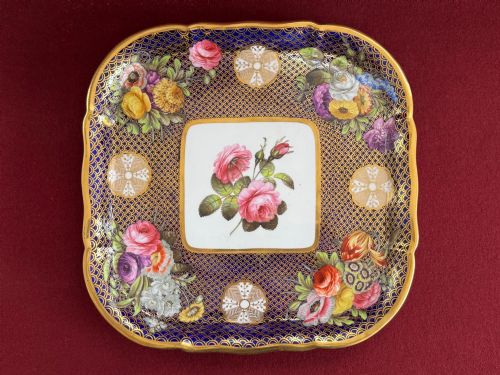
The objects take many shapes, including serving platters, tureens, scalloped bowls, dessert dishes and cabinet plates. Pieces originate from traditional English potteries, continental factories and Japanese export workshops, reflecting diverse aesthetic movements from Regency elegance to Art Deco boldness.
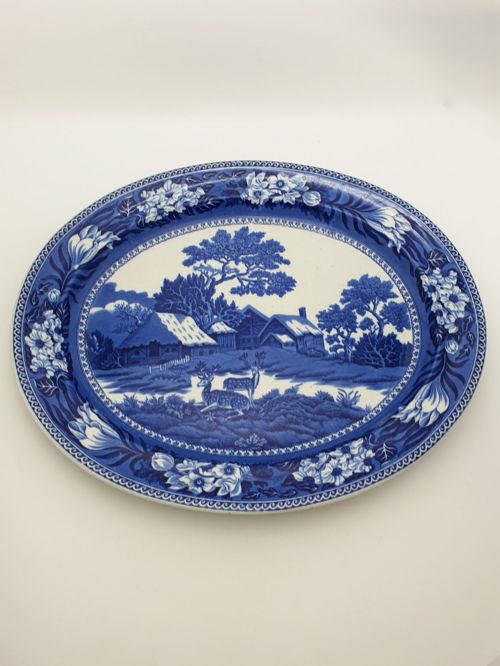
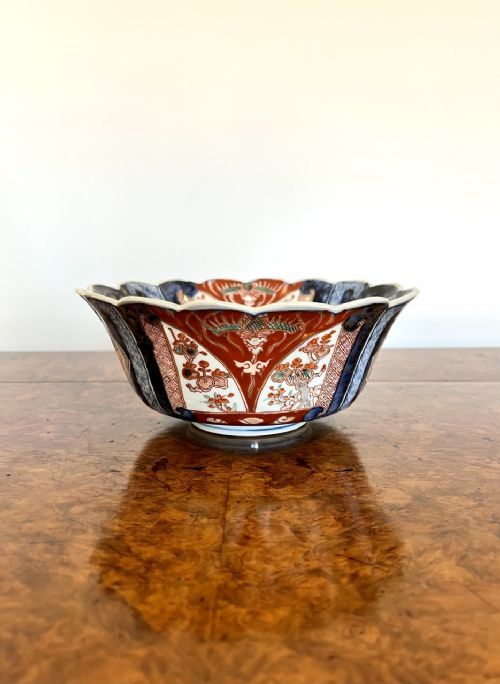
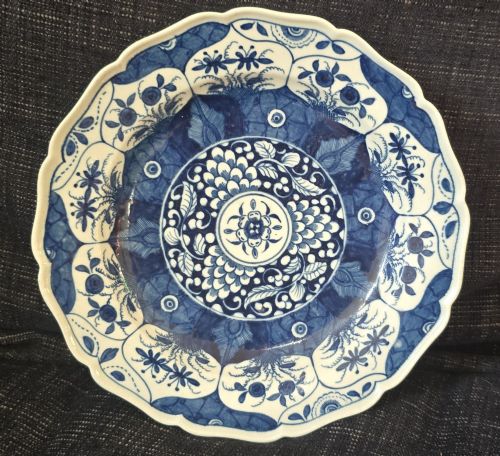
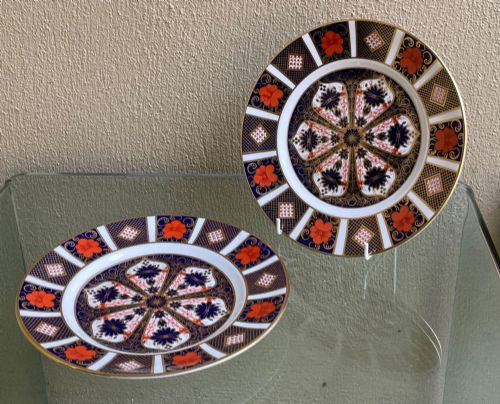
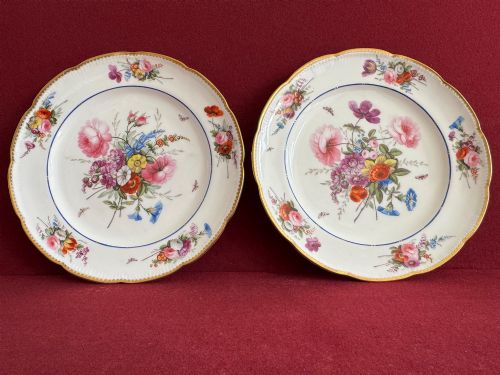
The most frequent items on this page are decorative plates, cabinet plates and serving dishes made of porcelain, bone china and ironstone. These items show styles like Japanese Imari, Victorian blue and white transfer printing, and Edwardian hand-painting.
How they were made
Makers shaped porcelain, bone china, earthenware and ironstone using moulds or the potter's wheel before applying intricate underglaze blue, enamel colours and gold leaf. Many pieces combine crisp body pastes with smooth lead or tin glazes, fired at high temperatures to achieve durability and bright surfaces.
Decoration relied heavily on manual skill, including hand-painting by named artists, transfer printing, and the application of gilt highlights and raised gold leaf. Factories like Royal Worcester and Spode employed skilled painters for fruit studies and botanical subjects, whilst ironstone pieces often utilised bold transfer-printed patterns.
Vintage China Dishes Retail Price Guide 2026
Typical asking prices for vintage china dishes among the pieces listed under this phrase on Sellingantiques today, from the lower quarter to the upper quarter. They describe what is for sale here now, not the wider market.
Listings feature periods from the eighteenth century through the twentieth century, with materials spanning porcelain, bone china, ironstone and earthenware.
What varies in quality
The upper tier of these pieces displays superior artistic execution, seen in the precision of hand-painted floral motifs and signed artist work on cabinet plates. Lesser examples rely on repetitive transfer printing without subsequent hand embellishment or show minor kiln imperfections in the glaze.
Material composition also dictates standing, with fine translucent bone china and early hard-paste porcelain sitting above standard earthenware bodies. The crispness of moulded details, the stability of gilt edges and the depth of cobalt blue underglaze separate standard tableware from superior display items.
Masons Ironstone·Spode·Royal Crown Derby·Royal Worcester·Royal Doulton·Minton·Wedgwood·Müller Volkstedt
The Vintage China Dishes Glossary
- Cabinet plate
- A decorative plate intended for display in a cabinet or on a wall rather than for daily dining use.
- Ironstone
- A durable heavy earthenware body patented in the nineteenth century to rival true porcelain.
- Imari
- A style of Japanese export porcelain featuring deep cobalt blue, iron red and gilt highlights.
- Transfer printing
- A mechanical method of applying complex ink designs to ceramic bodies using engraved copper plates and tissue paper.
- Gilding
- The application of gold leaf or powdered gold to ceramic surfaces, often fired to create a metallic sheen.
Vintage China Dishes: Frequently Asked Questions
How do I identify a cabinet plate?
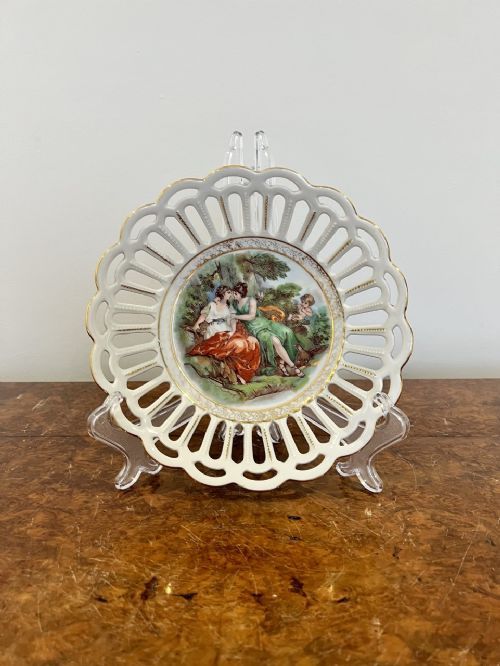
Cabinet plates generally feature intricate hand-painted central scenes, such as fruit or botanical studies, surrounded by rich gilding or pierced borders. They are meant for visual appreciation rather than functional serving.
Their backs often bear artist signatures and specific factory pattern numbers that distinguish them from standard dining ware.
Were ironstone dishes meant for daily use?
Ironstone was developed to provide a sturdy, heavy alternative to delicate porcelain, making it ideal for substantial serving platters, tureens and meat dishes. The dense ceramic body resisted chipping during heavy household service.
These pieces were built to withstand robust kitchen environments while maintaining decorative appeal on the dining table.
What is the difference between porcelain and earthenware?
Porcelain is fired at extremely high temperatures, resulting in a vitrified, non-porous and often translucent body that rings when struck. Earthenware is more porous and opaque, requiring a complete glaze seal to hold liquids.
Ironstone sits between these categories, offering the strength of earthenware with the refined appearance of porcelain.
How do I care for antique china?
Antique china dishes require gentle hand-washing in warm water using mild soap, avoiding modern dishwashers that can strip delicate enamels and gold leaf. Sudden temperature changes should be prevented to protect the historic glaze from cracking.
Storage should involve padded dividers between stacked plates to prevent surface scratching on the painted decoration.