


Vintage Childrens Seat
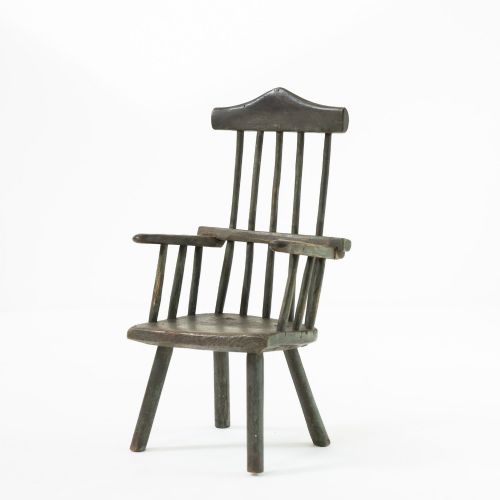
These vintage childrens seat designs are miniature domestic seating crafted for the young, uniting sturdy vernacular joinery with domestic utility.
Vintage Childrens Seat
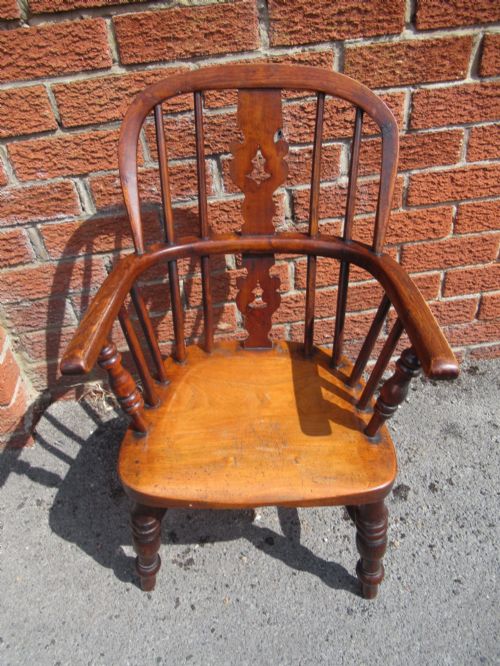
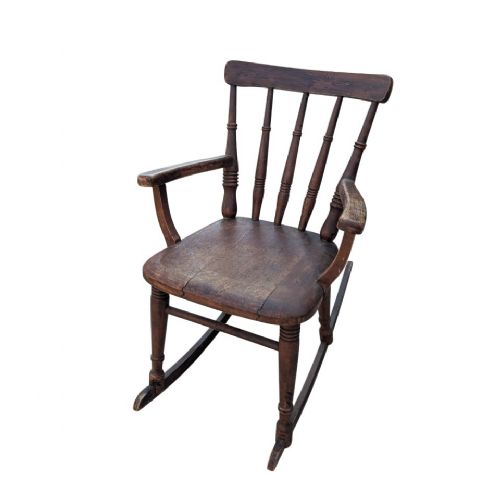
A vintage childrens seat encompasses a variety of miniature forms, ranging from stick-back armchairs and rocking chairs to high chairs and potty chairs. Buyers frequently encounter nineteenth-century vernacular pieces alongside Georgian and Victorian examples designed for domestic use.
The selection includes specific types such as Windsor chairs, ladderback high chairs with rush seats, and caned tub highchairs. These pieces reflect the domestic requirements of past centuries, scaled down for children while retaining the stylistic hallmarks of adult furniture of the same eras.
Origins span English country workshops as well as Scandinavian and wider European makers. The forms vary from rustic elm and ash stick-backs to more formal mahogany and walnut chairs executed in Georgian, Regency, or Arts and Crafts styles.
Materials and construction methods
Construction relies heavily on native timbers such as elm, oak, ash, yew, and mahogany, chosen for strength and grain pattern. Cabinetmakers and country joiners utilised traditional techniques like mortise and tenon joints, steam-bending, and spindle-turning.
Seating areas often incorporate woven cane, rush, or solid timber planks shaped for comfort. Surface finishes range from natural polished hardwoods to painted decoration, exemplified by European pieces featuring traditional regional motifs.
Listings feature timbers such as elm, oak, mahogany, ash, yew, and cane, spanning periods from the eighteenth century to the early twentieth century.
Distinctions in quality and execution
Quality separates primitive vernacular items from polished formal seating through the refinement of timber selection and joinery. Superior examples display carefully matched grain, balanced proportions, and original structural integrity without excessive replacement parts.
The Vintage Childrens Seat Glossary
- Stick back
- A chair construction method where turned spindles or sticks are inserted directly into a solid wooden seat. This vernacular technique provides lightweight strength.
- Windsor
- A chair type featuring a solid wooden seat into which the legs and back spindles are separately socketed. It remains a staple of English country furniture.
- Ladderback
- A chair back constructed from horizontal slats set between two vertical uprights. These often support woven rush seating.
- Bergere
- A type of upholstered armchair with exposed wooden framing and woven cane panels forming the back and sides. It appears frequently in formal Victorian high chairs.
- Potty chair
- A specialised enclosed chair fitted with a concealed aperture beneath the seat for chamber pot use. Georgian examples combine this function with domestic seating.
Vintage Childrens Seat: Frequently Asked Questions
How are antique high chairs dated?
Dating relies on examining the timber species, joinery techniques, and prevailing furniture styles of the period. Georgian pieces typically show different turning profiles and wood choices compared to later Victorian or Arts and Crafts examples.
Hardware, tool marks, and the presence of original surface patination also help establish the chronological context of each piece.
Were these seats meant for everyday use?
Most of these miniature seats were built for practical daily service in historical nurseries and domestic dining spaces. Their robust construction in woods like elm, ash, and oak ensured they could withstand the demands of children.
While many served functional roles such as feeding or rocking, others reflected the social status of prosperous families through finer materials like mahogany and walnut.
Can antique children's chairs be used today?
These pieces function well as decorative interior objects or as sturdy seats for gentle daily use, depending on structural condition. Collectors often place them in living spaces or hallways to display alongside larger antique furniture.
Checking the stability of joints and legs ensures the seating remains secure if utilised by young children.
What is vernacular country furniture?
Vernacular furniture refers to utilitarian pieces made by local craftspeople using regional materials, unconstrained by metropolitan stylistic dictates. These items prioritize practical function and sturdy construction over courtly fashion.
In this category, country armchairs and Windsor variants showcase regional woodworking traditions passed down through generations.