



Vintage Childrens Rocker
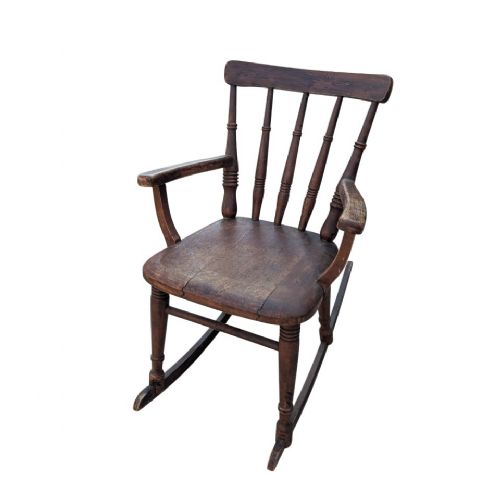
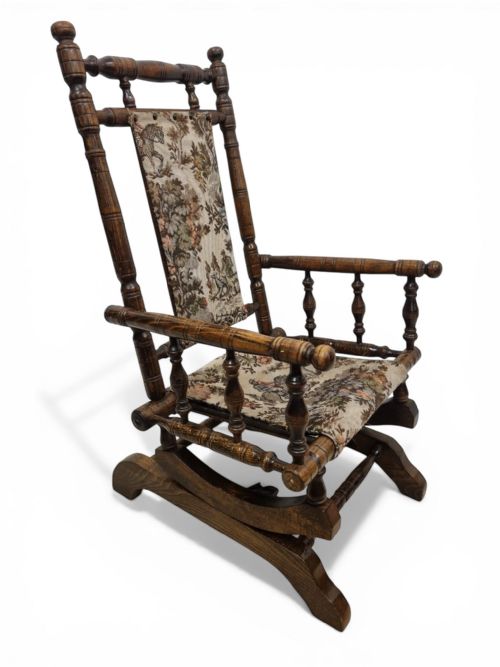
These vintage childrens rocker examples offer charming miniature seating crafted for domestic spaces across past centuries.
Vintage Childrens Rocker
A vintage childrens rocker provides scaled-down seating designed specifically for young children, appearing in various traditional forms. Buyers searching for a vintage childrens rocker frequently encounter examples originating from the nineteenth century.
The selection includes rustic country designs alongside formal Victorian interpretations and Scandinavian country variants. These rocking chairs serve both decorative and functional roles in historic home interiors.
Makers produced these smaller seats using robust timbers suitable for daily use by children. Surviving specimens demonstrate the domestic habits and craftsmanship of past eras.
How they were made
Craftsmen utilised solid timbers such as elm, oak, pine, beech, and birch to construct these miniature rocking chairs. Many pieces incorporate traditional Windsor framing techniques with spindle backs.
Certain examples feature rush seating or applied tapestry upholstery over solid wood foundations. Wood stain finishes frequently protect the structural timber surfaces.
Vintage Childrens Rocker Retail Price Guide 2026
Typical asking prices for vintage childrens rocker among the pieces listed under this phrase on Sellingantiques today, from the lower quarter to the upper quarter. They describe what is for sale here now, not the wider market.
Elm childs chairs occasionally reveal tiny tooth marks on the arms from restless occupants centuries ago.
What varies in quality
Construction methods determine the structural integrity of each rocking chair, separating vernacular utilitarian builds from refined workshop output. The choice of primary timber influences both weight and durability.
Original upholstery or untouched wooden surfaces preserve the historical authenticity of the piece. Subtle details in turning and spindle placement distinguish superior regional examples.
The Vintage Childrens Rocker Glossary
- Windsor
- A chair built with a solid wooden seat into which the legs and back spindles are bored directly. This method creates a sturdy frame suited to domestic seating.
- Spindle back
- A chair back constructed from vertical turned wooden rods. These rods provide lightweight support for the sitter.
- Fruitwood
- Timber derived from fruit-bearing trees such as pear or apple, chosen for dense grain and warm tone. Craftsmen utilised these woods for decorative furniture components.
- Rush
- Dried marsh grass twisted into cords and woven to form seat pads. This traditional material creates a flexible and resilient sitting surface.
Vintage Childrens Rocker: Frequently Asked Questions
How old is this rocking chair?
Dating relies on construction methods, timber choice, and stylistic markers consistent with documented periods. Most surviving examples originate from the nineteenth century or earlier.
Examination of tool marks and joinery reveals the likely manufacturing era. Comparing regional variations helps narrow down the specific decade of production.
Were these made for everyday use?
Historic workshops built these small chairs for children to use in domestic settings. The sturdy timber construction reflects practical requirements of the household.
Many retain signs of genuine childhood use across generations. This domestic history adds character to each individual rocking chair.
What woods were used?
Makers selected accessible regional timbers including elm, oak, pine, beech, and birch. Dense fruitwood also appears in specific vernacular pieces.
Each wood type offers distinct weight, grain pattern, and colour characteristics. Selection depended on local availability and workshop tradition.
How do I clean the wood?
Maintenance involves gentle dusting with a dry or slightly damp cloth to protect the historic surface. Avoid harsh chemical cleaners that might strip original finishes.
Preserving the patina ensures the long-term stability of the timber. Applying appropriate wax occasionally nourishes dry historic wood surfaces.