

Vintage Chiffonier
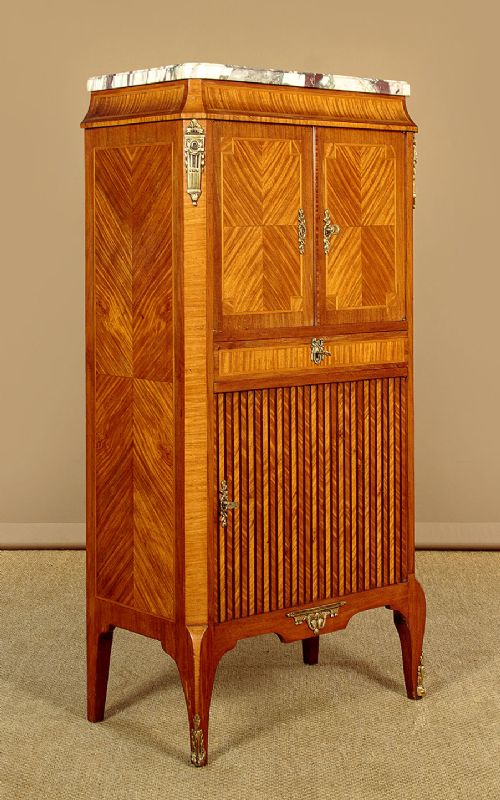
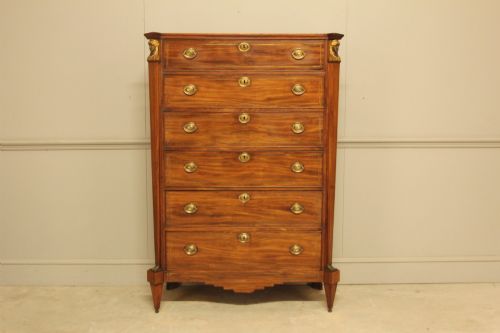
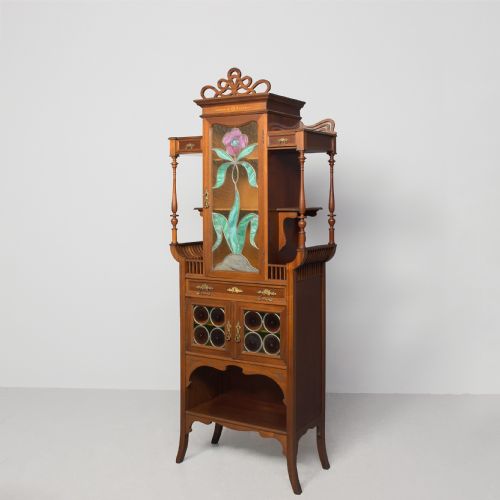
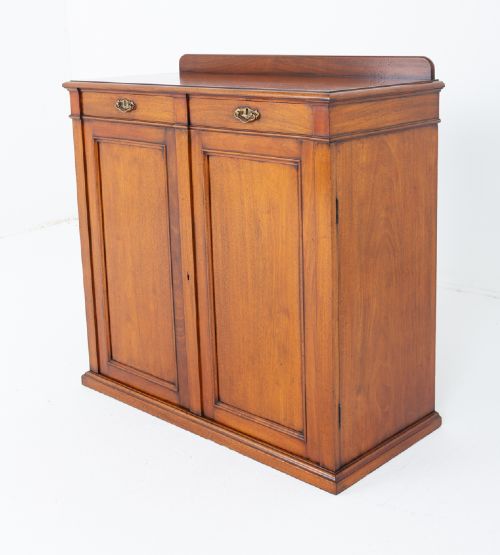
These vintage chiffonier selections bring traditional low storage and display surfaces into a room.
Vintage Chiffonier
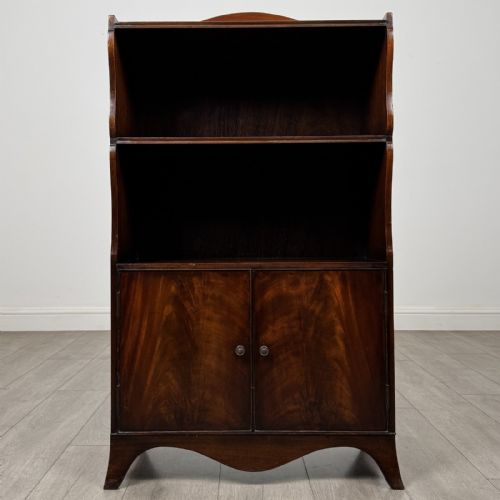
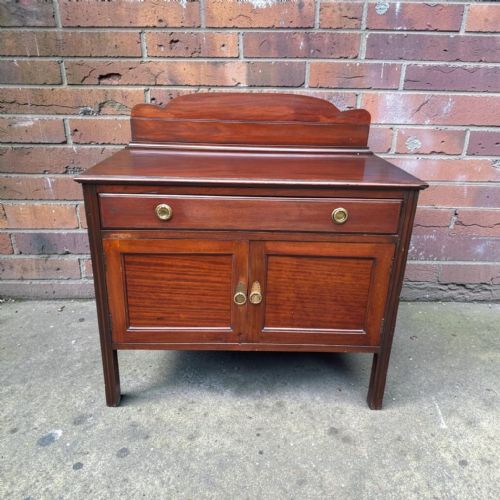
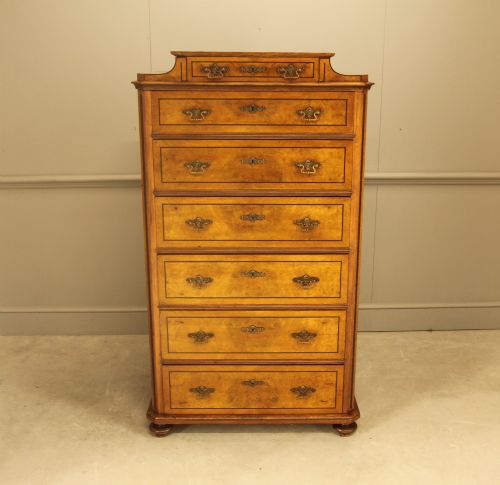
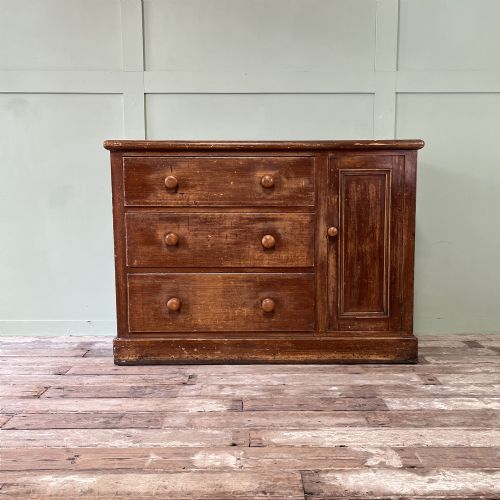
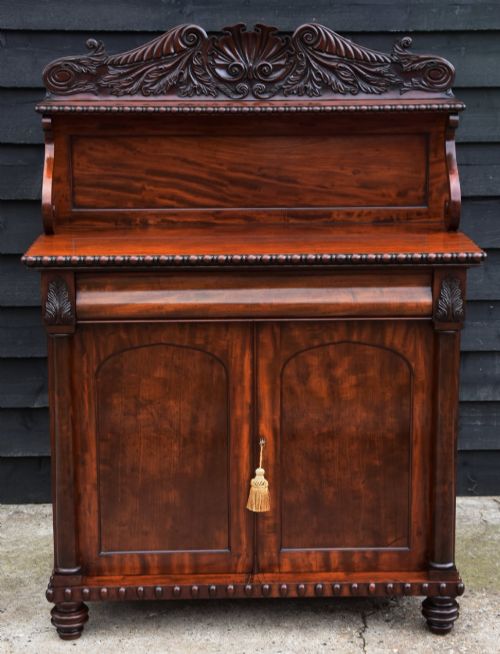
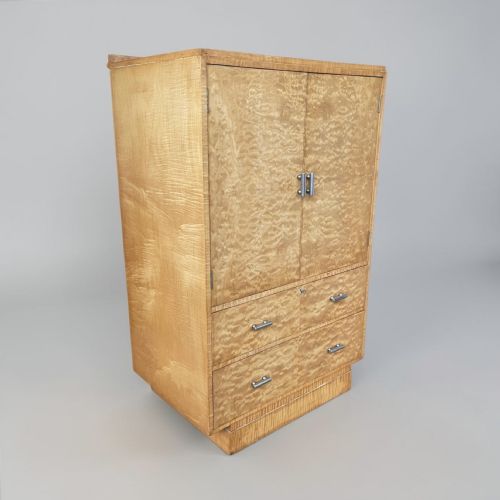
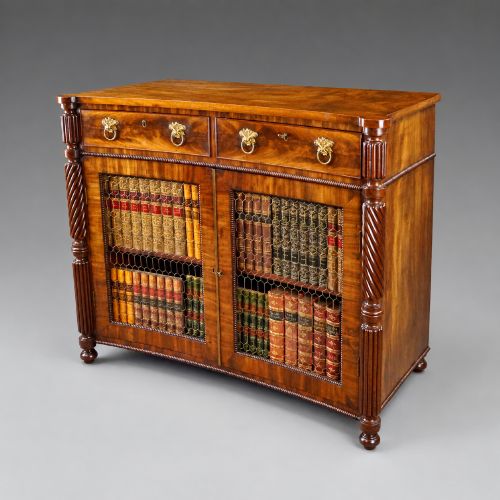
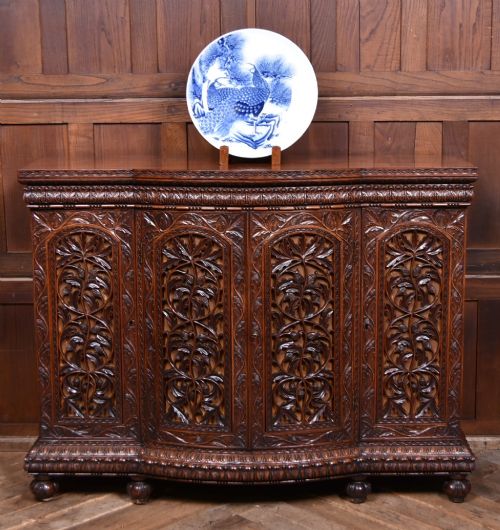
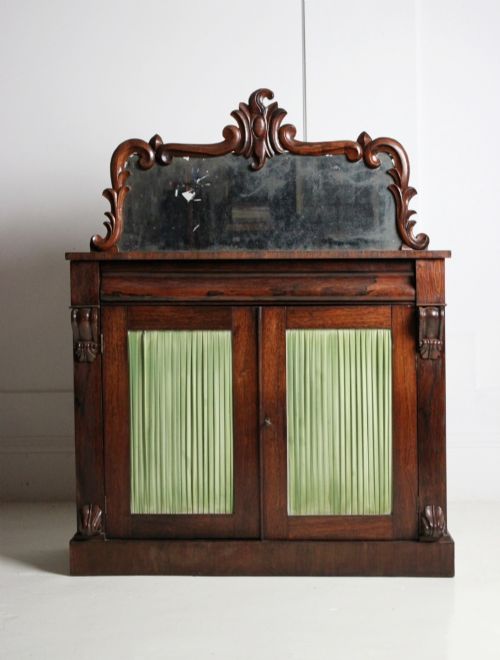
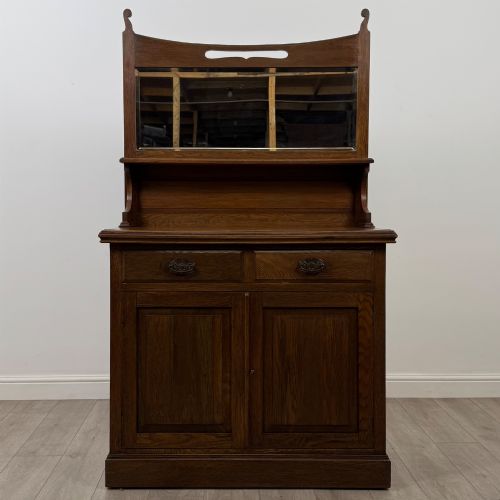
A vintage chiffonier provides a compact sideboard or low cabinet for dining rooms and living spaces, often combining lower cupboards with upper shelving or a raised back. Buyers searching for a vintage chiffonier typically encounter pieces from the nineteenth century onward, spanning periods from Regency to Edwardian times. These practical pieces serve to store glassware and linens while offering a surface for display.
Quality variations
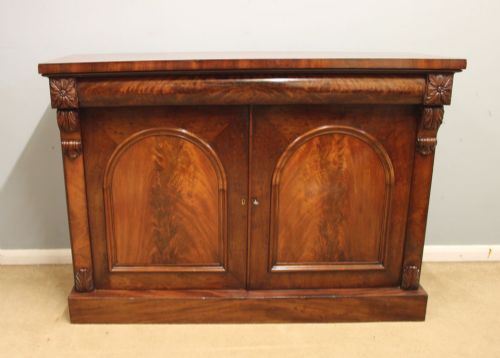
The standard of a vintage chiffonier depends on the selection of timber veneers and the crispness of carved details such as corbels, feet and mouldings. Superior examples demonstrate careful matching of grain patterns across doors and drawer fronts, maintaining structural integrity without recourse to heavy modern repairs.
Hardware originality and the finesse of internal shelving further distinguish better pieces from standard utility items. The integration of original brass castors, working locks with matching keys, and intact glass or silk panel inserts indicate higher original workshop standards.
Vintage Chiffonier Retail Price Guide 2026
Typical asking prices for vintage chiffonier among the pieces listed under this phrase on Sellingantiques today, from the lower quarter to the upper quarter. They describe what is for sale here now, not the wider market.
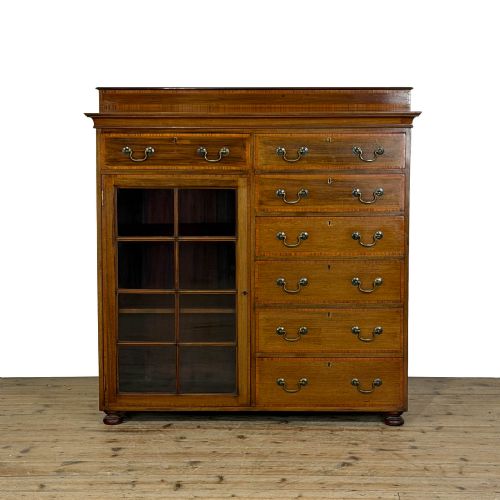
Current listings span the nineteenth and twentieth centuries, featuring woods such as mahogany, rosewood, oak and pine alongside brass and glass details.
Gillows
The Vintage Chiffonier Glossary
- Chiffonier
- A low sideboard or cabinet, typically featuring enclosed cupboards beneath a shelf or drawer, developed during the Regency period.
- Flame mahogany veneer
- A sliced timber finish displaying a distinctive flamelike pattern, prized for decorative drawer fronts and cabinet doors.
- Gallery
- A raised rail or border running along the top surface of a piece, designed to prevent items from sliding off.
- Astragal bar
- A narrow wooden moulding used to hold individual panes of glass within a cabinet door.
- Cornice
- The decorative moulding crowning the top of a tall cabinet or bookcase.
Vintage Chiffonier: Frequently Asked Questions
What is a chiffonier used for?
A chiffonier provides enclosed storage in a lower cabinet while offering an upper surface or shelf for display. Historically positioned in dining rooms or parlours, it held tableware, linens and decorative objects.
Today these pieces suit living rooms or hallways as compact storage units that fit beneath wall art or mirrors without dominating the floor space.
How do I date a chiffonier?
Dating relies on timber choices, construction methods and stylistic markers associated with specific design periods. Regency and William IV pieces often display rosewood or flame mahogany with brass inlay, while Victorian examples favour heavier carved mahogany and Edwardian versions introduce lighter oak and pine.
Examine the secondary timbers inside drawers and the type of fixings used, as machine-cut screws and plywood indicate later twentieth-century interventions.
Are chiffoniers and sideboards different?
A chiffonier is generally smaller and more enclosed than a traditional sideboard, often incorporating a raised back, shelf or bookcase top. Sideboards tend to be longer pieces designed primarily for dining room service.
Many nineteenth-century examples bridge this distinction, combining cupboard storage with open display tiers tailored for smaller drawing rooms.
How do I care for mahogany furniture?
Mahogany surfaces respond best to occasional application of traditional beeswax rather than modern silicone sprays, which build up residue over time. Keep the timber away from direct heat sources and strong sunlight to prevent the veneer from drying and lifting.
Dust regularly with a soft, dry cloth to maintain the natural lustre of the polished wood.