

Vintage Chesterfield
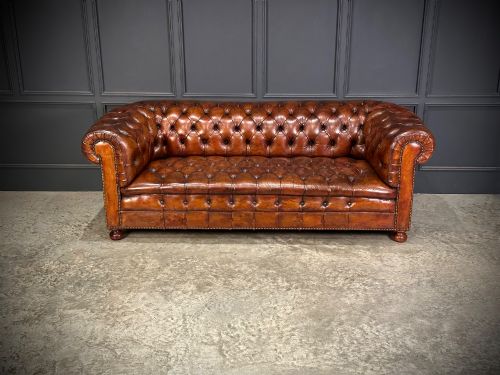
A vintage chesterfield brings deep buttoning and rolled arms to a room, offering enduring comfort and sturdy seating built to last.
Vintage Chesterfield
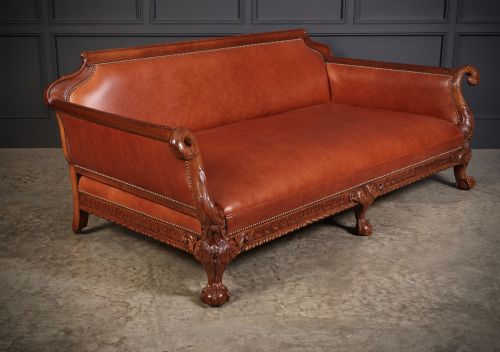
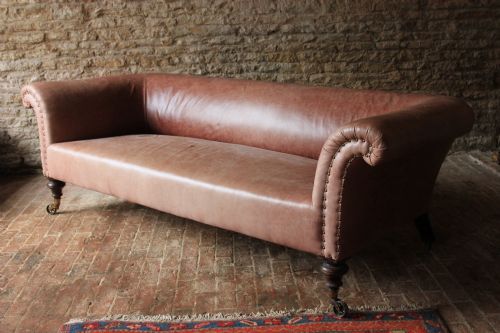
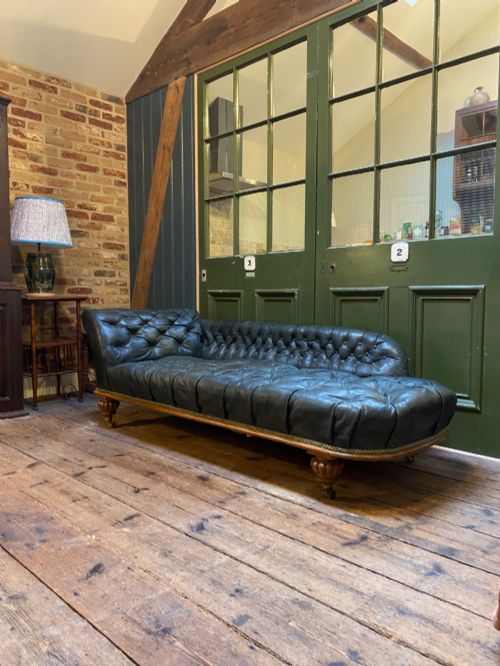
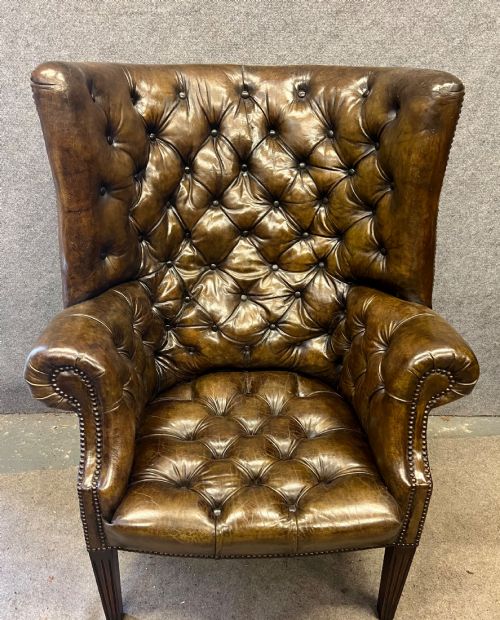
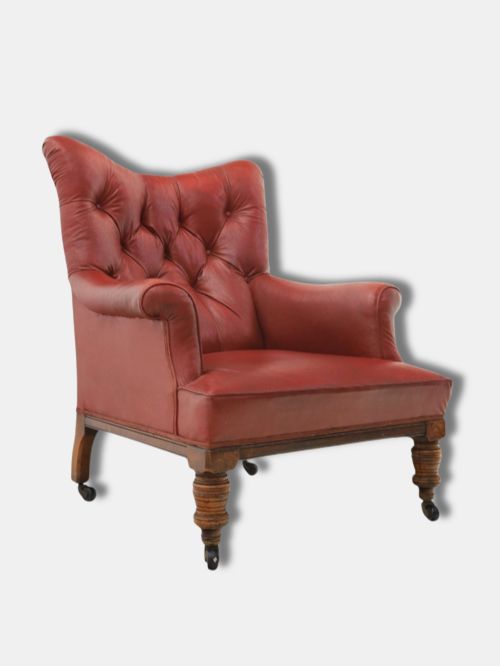
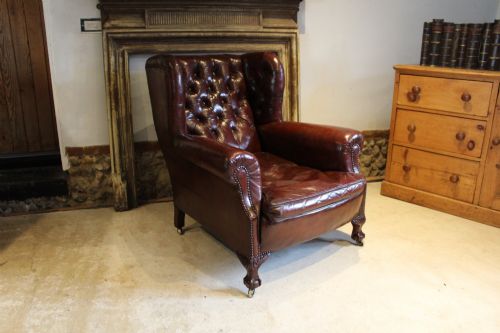
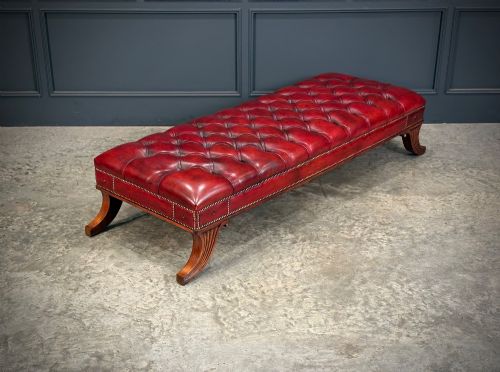
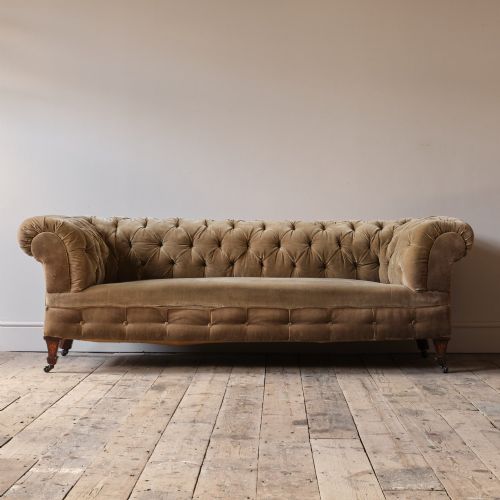
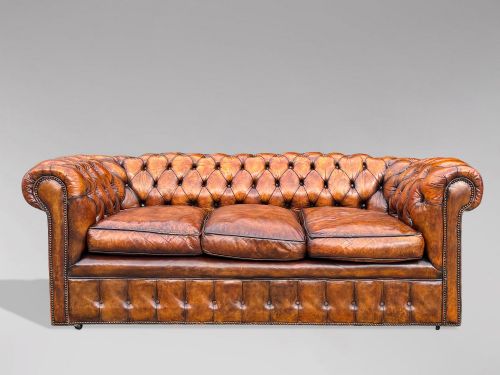
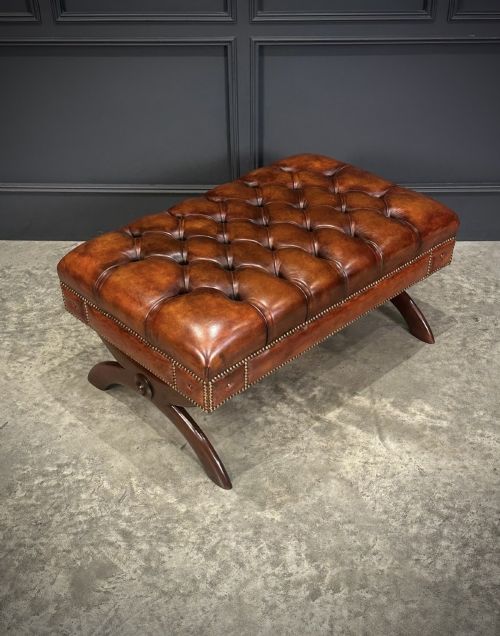
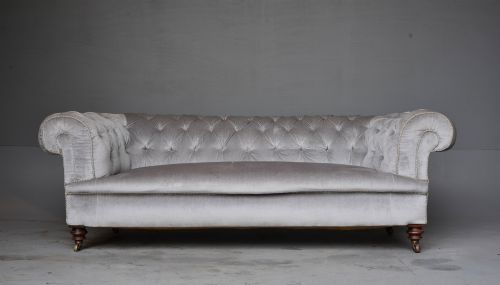
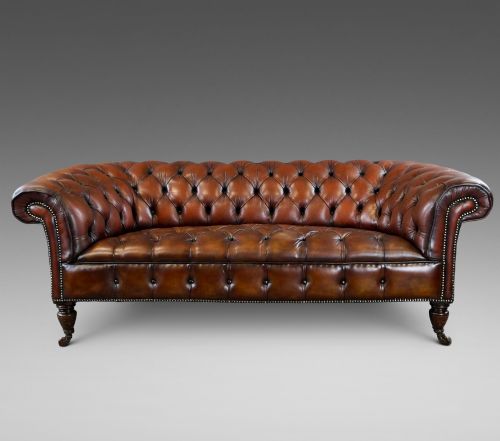
When a buyer starts searching for a vintage chesterfield, they encounter low-backed seating designed for upright dignity rather than slouching. The most common form on this page is the large sofa, accompanied by armchairs, ottomans, footstools, and chaise longues.
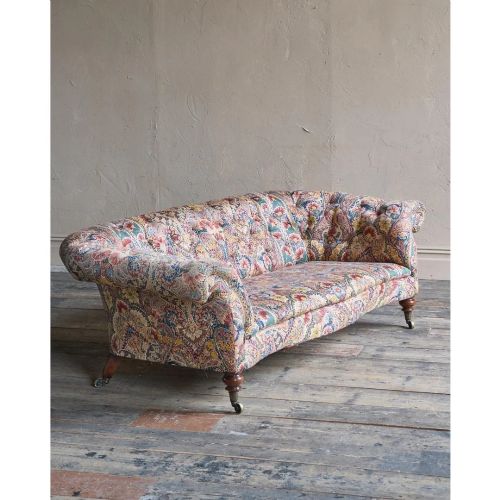
The materials span from nineteenth-century timber frames upholstered in leather, fabric, and velvet to later pieces utilising brass detailing. Historic periods represented range across the nineteenth and early twentieth centuries, including Victorian and Edwardian examples.
Originating within traditional English domestic settings, these pieces carry specific historical proportions. Buyers find sturdy hardwoods beneath buttoned hides and textiles, maintaining structural integrity across generations of daily use.
Materials and construction methods
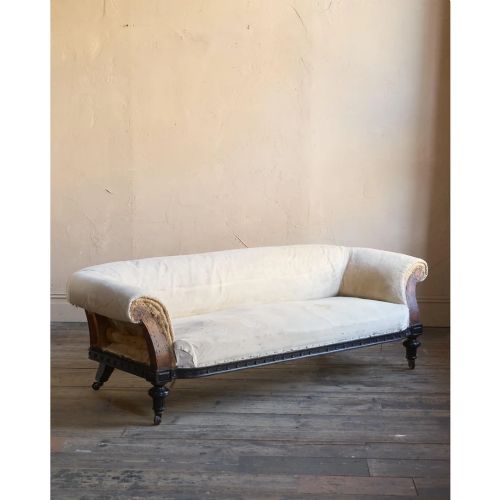
Makers constructed frames from robust hardwoods such as mahogany and general timber to withstand heavy daily use. Upholstery traditions employed horsehair stuffing alongside coil springing within the interior to support the deep buttoning.
Outer surfaces relied predominantly on leather, ranging from raw hides intended for hand-dyeing to finished tan, brown, red, and green leathers. Secondary surfaces incorporate velvet, fabric, and brass hardware for studs and castors.
Vintage Chesterfield Retail Price Guide 2026
Typical asking prices for vintage chesterfield among the pieces listed under this phrase on Sellingantiques today, from the lower quarter to the upper quarter. They describe what is for sale here now, not the wider market.
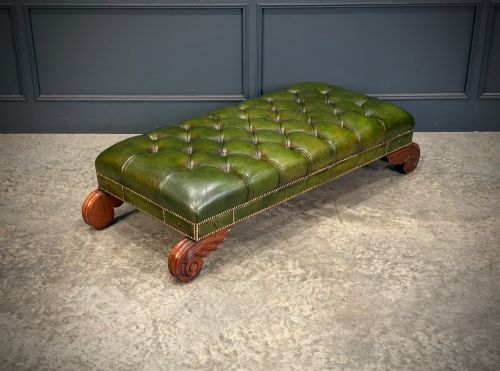
Several footstools hide within the collection, ready to support tired feet after a long day of hunting for antiques.
Distinctions in craftsmanship
Quality separates by the integrity of the internal stuffing and the tension of the coil springs beneath the leather. Superior pieces maintain firm, supportive seating platforms that resist sagging over decades of use.
The execution of the deep buttoning dictates the aesthetic standard of the finished upholstery. Tightly secured tufting aligned symmetrically across the hide demonstrates superior handwork compared to loose or uneven mounting.
Howard and Sons
The Vintage Chesterfield Glossary
- Chesterfield
- A traditional style of sofa or armchair characterised by low backs and rolled arms of equal height. Both arms and back typically feature deep button tufting.
- Buttoning
- An upholstery technique where indentations are formed in padding by pulling twine tightly through the material and securing it with buttons. This creates the signature diamond pattern.
- Rexine
- An artificial leather cloth utilised as an upholstery material on certain early twentieth-century armchairs. It offered a durable, wipeable alternative to natural hide.
- Chaise Longue
- An upholstered long chair designed for reclining, combining elements of a sofa and a footstool. These appear in period styles alongside standard seating.
Vintage Chesterfield: Frequently Asked Questions
How do I care for vintage leather?
Clean the surface gently using a dry cloth to remove dust and debris.
Apply a suitable leather conditioner periodically to prevent the hide from drying out and cracking.
What rooms suit a chesterfield sofa?
These pieces anchor a large living room, library, or study with traditional proportions.
Their robust timber frames and leather upholstery also suit commercial reception spaces.
How do I identify a Victorian piece?
Examine the timber framework beneath and the density of the internal horsehair stuffing.
Victorian examples often employ heavier mahogany frames and traditional hand-tied coil springing.
Are these sofas comfortable to sit on?
The interior construction utilises firm coil springs and dense padding to support upright posture.
Over time, the horsehair stuffing conforms to the mechanics of regular use while retaining structure.