
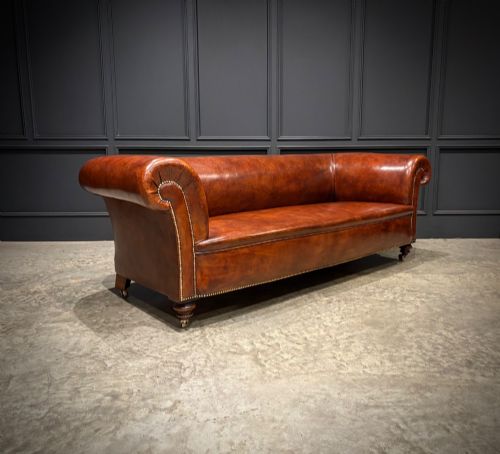


Vintage Chesterfield Settee
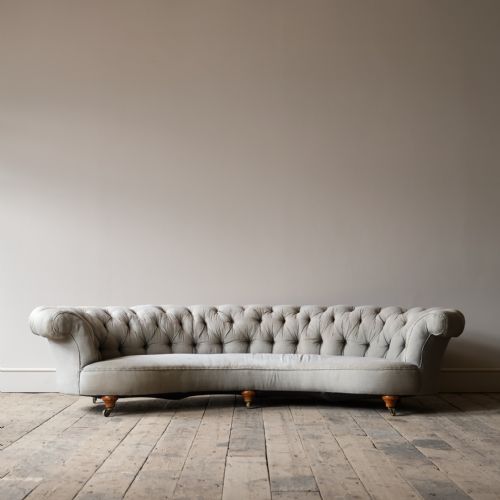
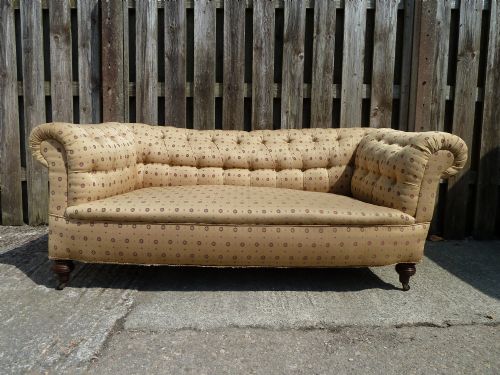
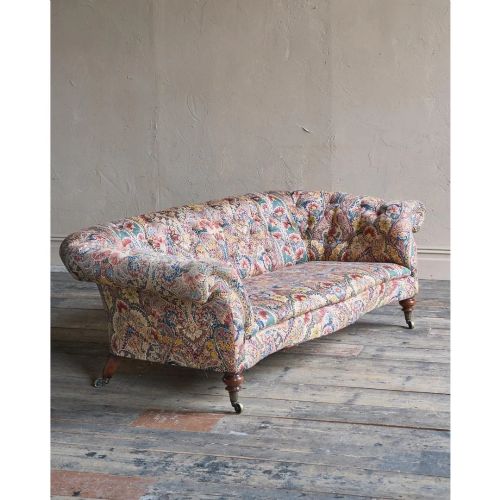
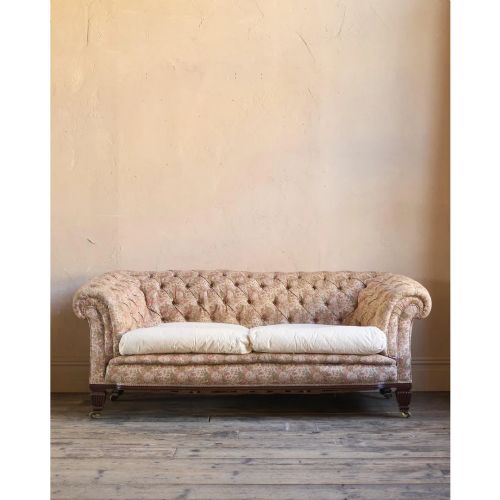
A vintage chesterfield settee brings deep buttoning and rolled arms to a room, offering a traditional seating choice built for comfort and presence.
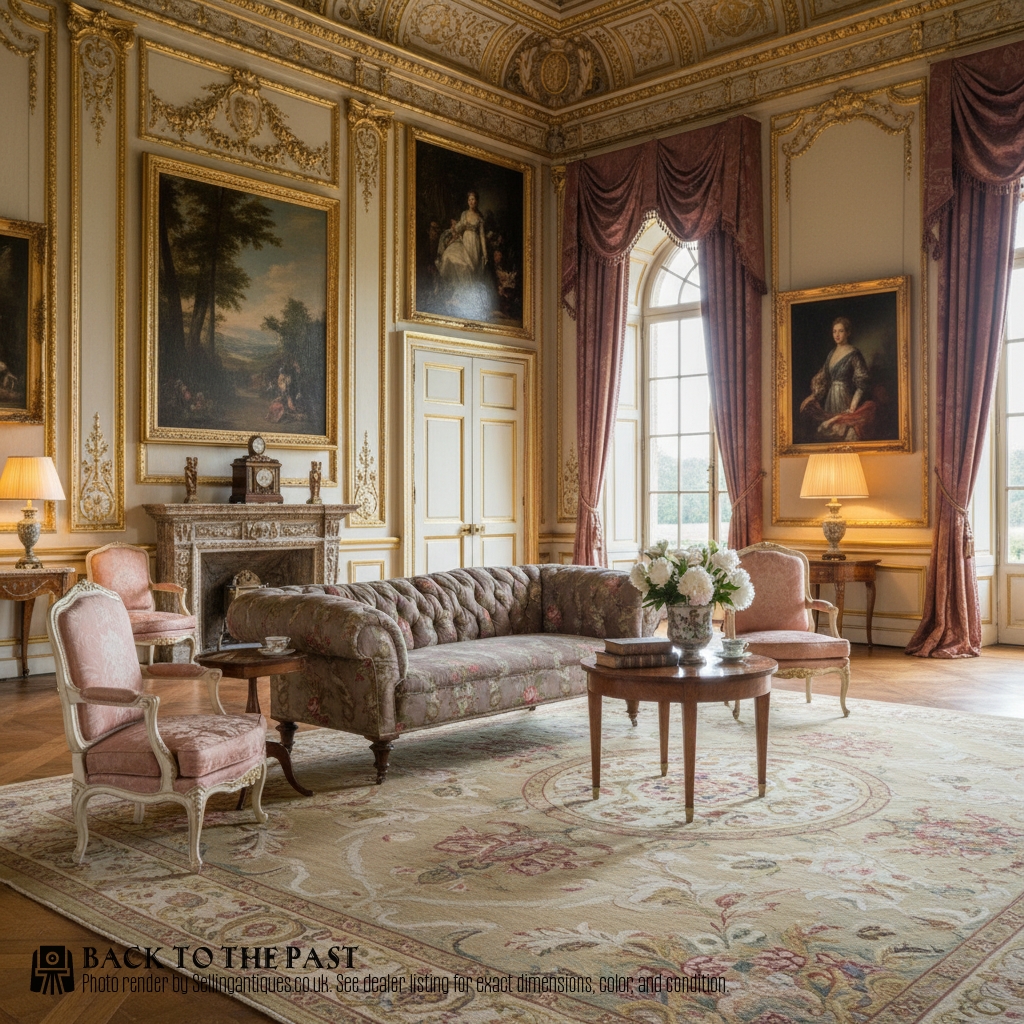
Materials and Construction
Frames rely on timber and hardwood, providing a sturdy skeleton beneath the upholstery. Metal and brass elements occasionally appear in structural or decorative fittings.
Traditional stuffing utilises horsehair packed tightly beneath the surface layers. Fully loose coil springing works in tandem with the horsehair stuffing to build the characteristic deep resilience.
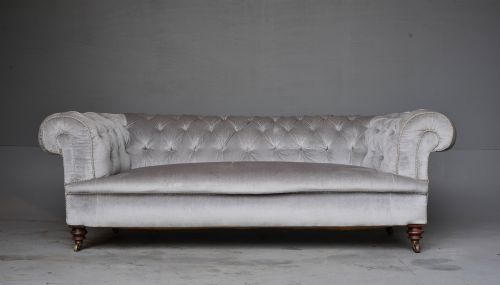
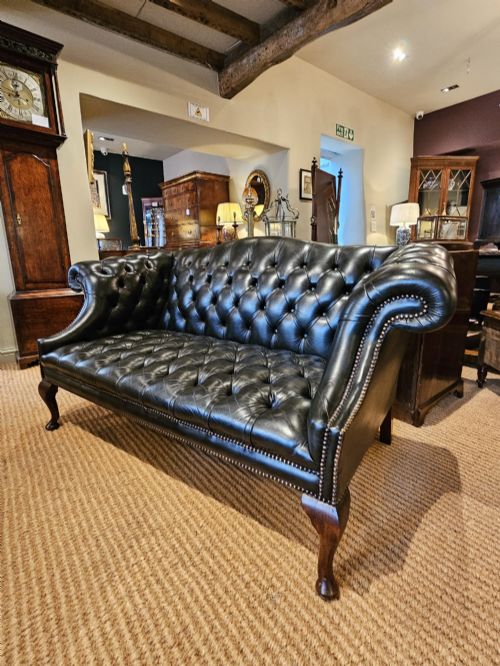
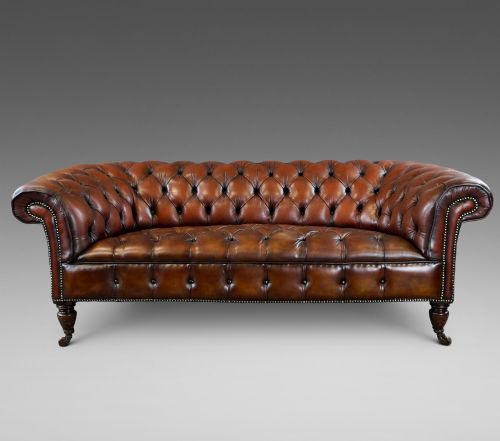
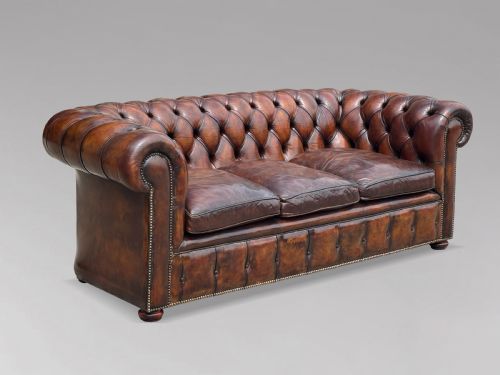
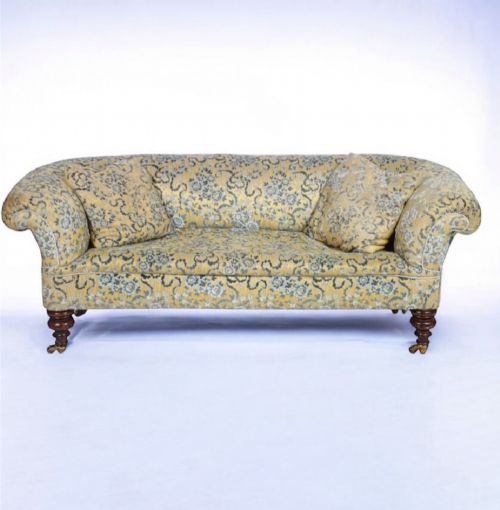
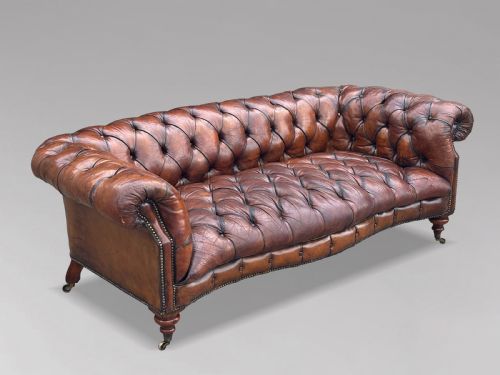
Upholstery relies on leather and fabric stretched over the frame and secured with deep buttoning. Hand-dyed leather finishes transform raw hides into coloured surfaces.
Judging Quality
The integrity of the internal wooden frame and the responsiveness of the coil springing dictate the underlying durability of a settee. Pieces by recorded makers carry distinct markers of workshop origin.
The treatment of the leather surface creates a visual distinction between restored finishes and raw hides prepared for custom dyeing. Deep buttoning depth and symmetry reveal the precision of the original upholsterer's hand.
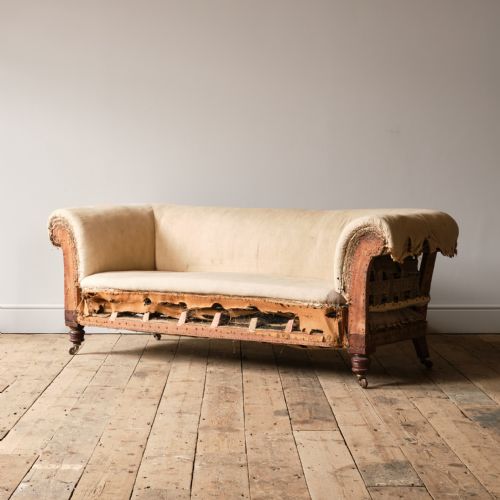
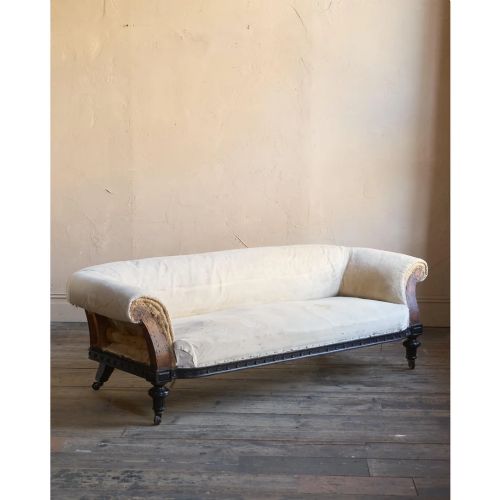
Some nineteenth-century examples arrive wrapped in raw leather, waiting patiently for a custom hand-dyed colour choice.
Howard and Sons·Jas Shoolbred·Hampton and Sons·Gillows
The Vintage Chesterfield Settee Glossary
- Chesterfield
- A traditional upholstered sofa featuring rolled arms and deep buttoning. The design dates back centuries in British interiors.
- Button-back
- An upholstery method where buttons are pulled deep into the padding to form a geometric grid. This technique secures the internal horsehair stuffing.
- Horsehair
- A traditional filling material harvested from horses, prized for its natural spring and breathability. It holds shape inside antique upholstery.
- Coil sprung
- A system of interconnected metal springs tied within the frame to distribute weight. It provides the bounce beneath the leather cover.
Vintage Chesterfield Settee: Frequently Asked Questions
How do I clean leather?
Apply a mild, pH-neutral leather cleaner using a soft cloth, working in gentle circular motions across the surface. Avoid soaking the leather or using harsh chemical detergents.
Follow up with a suitable leather conditioner to keep the hide supple and prevent cracking over time. Test any product on a hidden area first.
Are these comfortable to sit on?
The combination of coil springing and horsehair stuffing creates a supportive yet yielding seat. Deep buttoning keeps the padding firmly in place during daily use.
Settees vary in firmness depending on their age and restoration history. Original un-restored pieces may feel different from those with newly tied springs.
How do I date a piece?
Examine the materials and construction methods hidden beneath the upholstery, such as the type of wood in the frame and the style of the castors. Maker stamps or labels on the webbing offer direct chronological clues.
Stylistic shifts, such as Victorian proportions versus nineteen-thirties art deco lines, also help narrow down the period of manufacture.
Can I reupholster a settee?
Reupholstering is a viable option when the underlying timber frame remains sound and sturdy. Many listings specifically note pieces ready for new fabric or leather.
Skilled craftspeople can strip back worn outer layers while retaining the historic horsehair and coil springing inside. This preserves the original shape of the piece.