
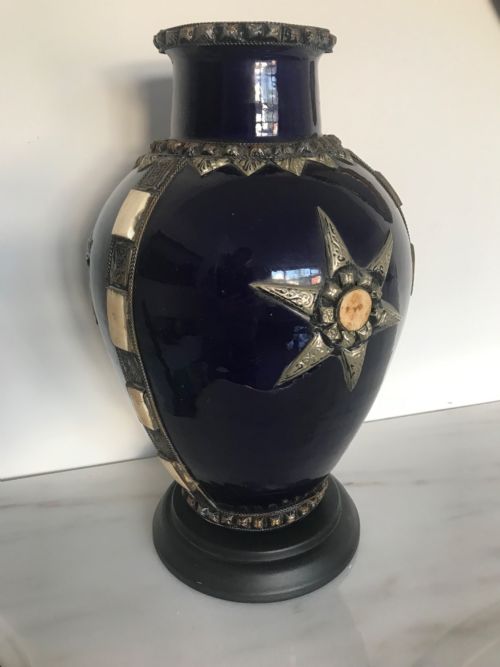
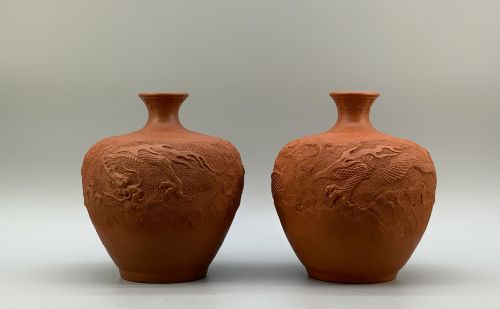
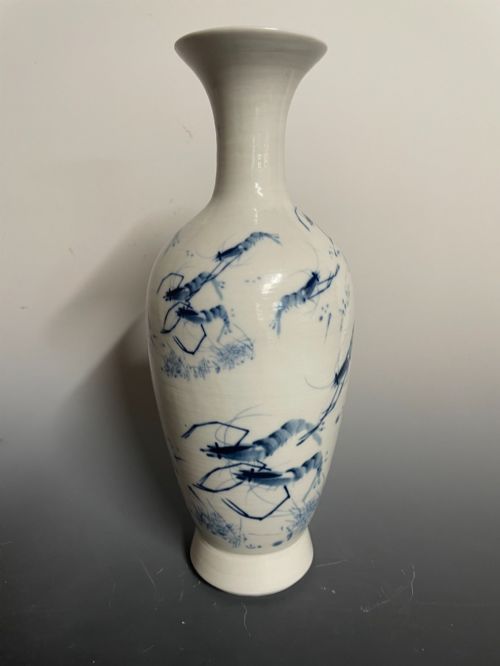
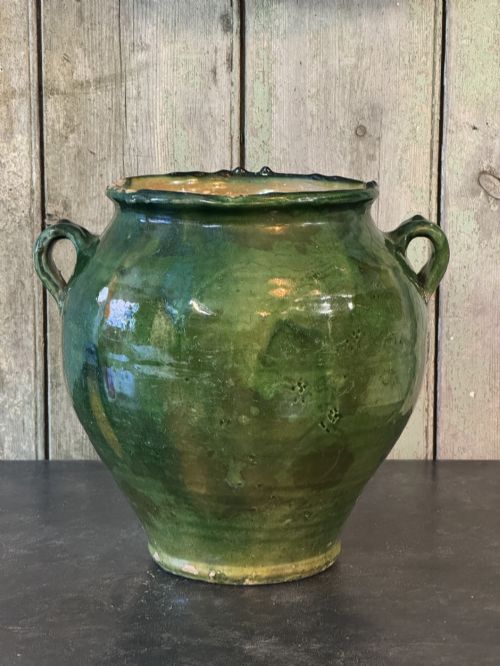
Vintage Ceramic Urn
These vintage ceramic urn pieces bring tactile substance and distinctive period form into a room.
What vintage ceramic urn pieces are
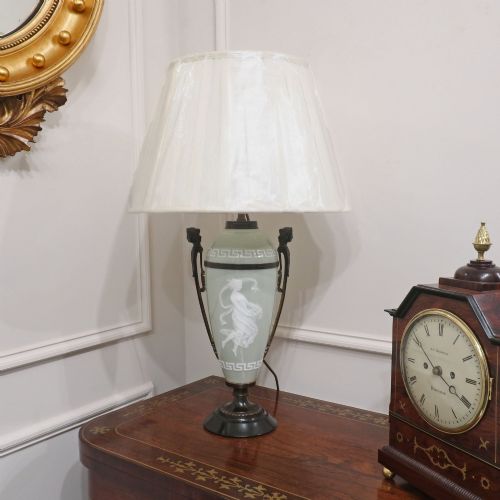
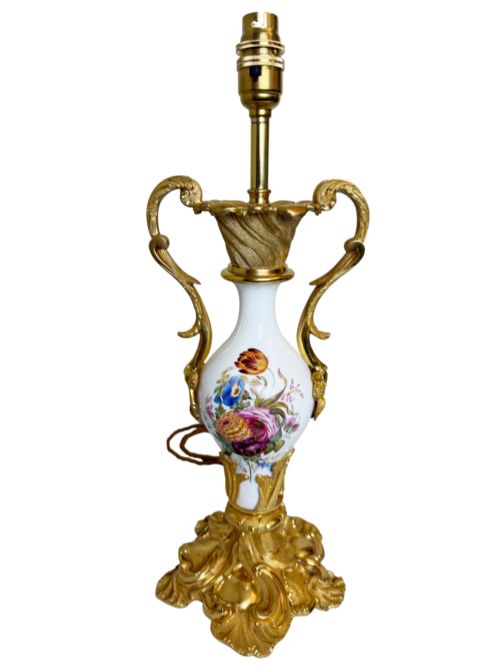
A vintage ceramic urn is a substantial vessel designed for display or planting, often taking the form of a vase, jardiniere, or planter. These pieces span from the nineteenth century through to the Art Deco period, incorporating diverse aesthetic movements.
The selection includes large jardiniere and planter forms alongside decorative vases. Examples range from Italian Renaissance Revival and Victorian Rustic styles to Arts and Crafts and Aesthetic Movement designs.
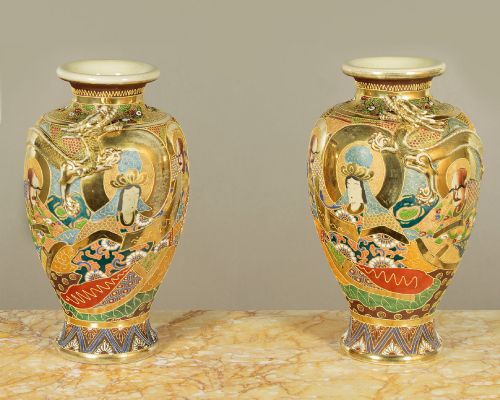
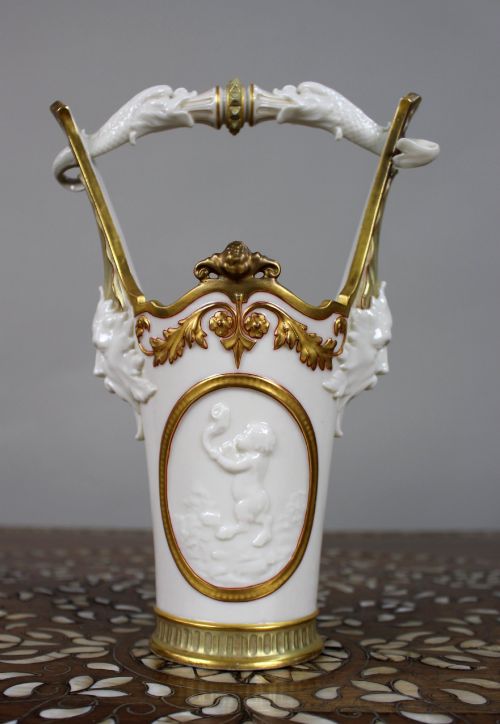
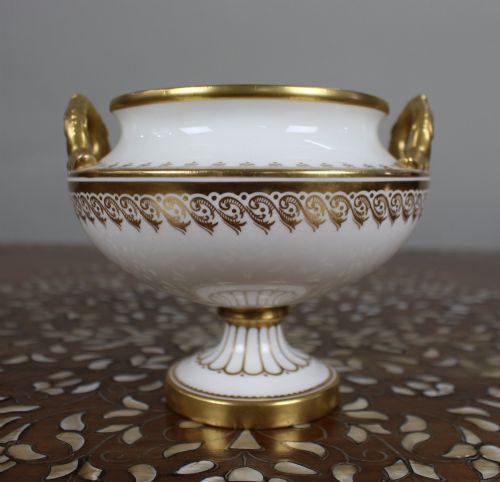
Buyers encountering this search phrase will find vessels fashioned from earthenware and glazed ceramic. Many incorporate decorative embellishments such as gold leaf, figural bases, and naturalistic plant motifs.
How they were made
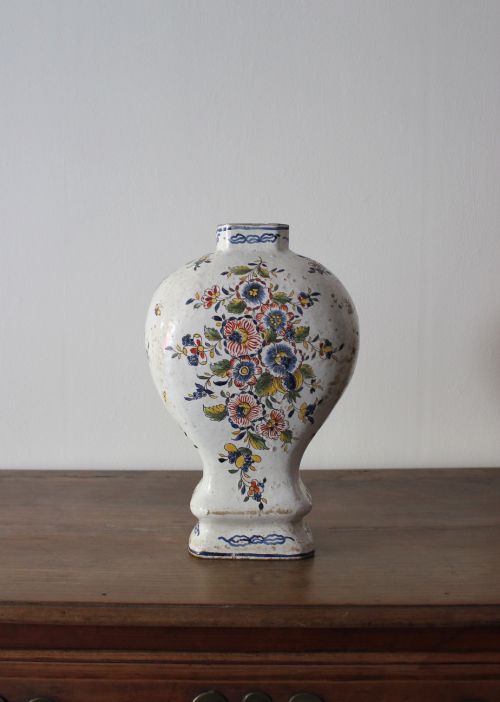
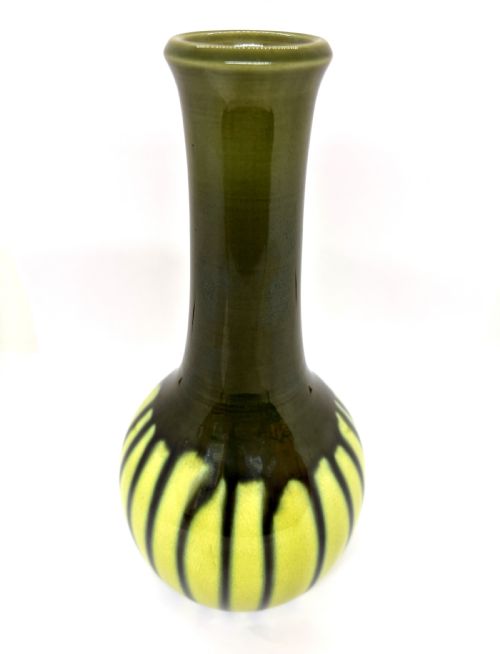
Makers utilised earthenware bodies shaped into substantial vases and planter forms. These structures were then finished with specialised glaze treatments to achieve colour and surface texture.
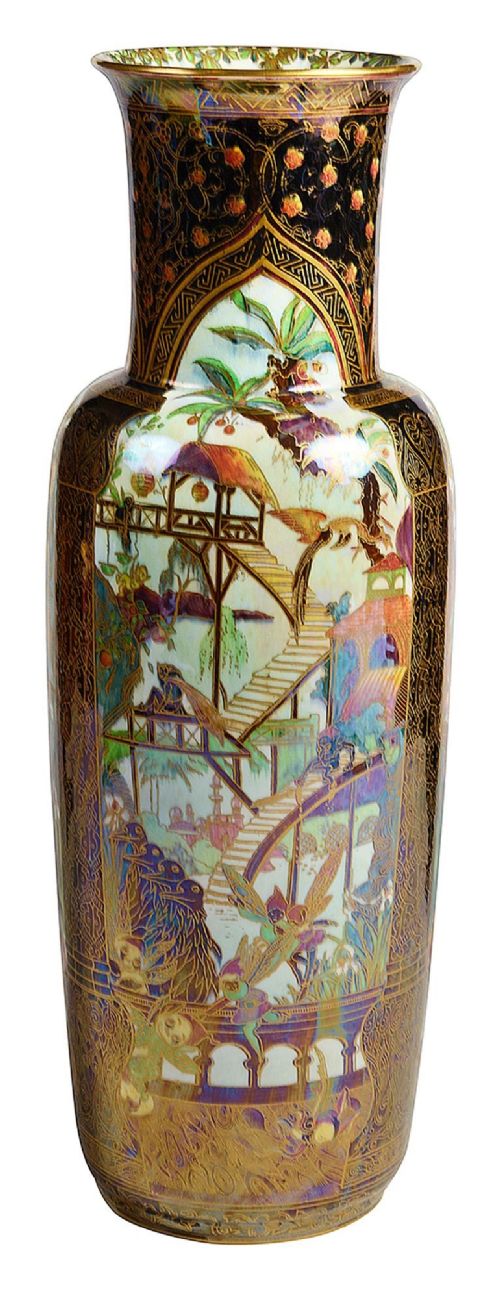
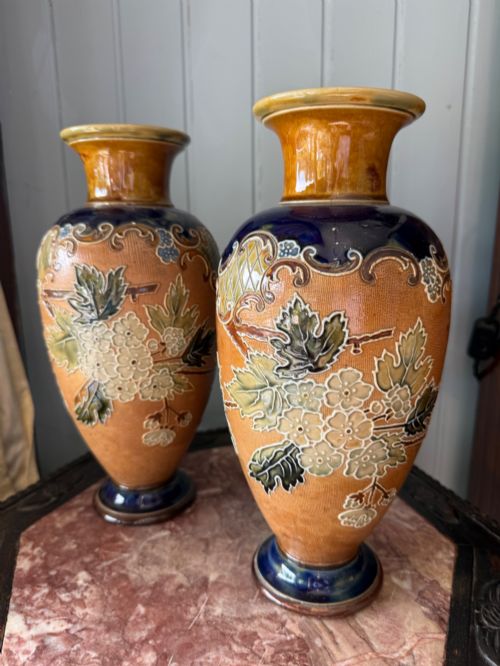
Surface ornamentation involved applied details, such as figural lion head decorations, alongside intricate painted patterns like the Thomas Allen designs. Some pieces were further enhanced with gold leaf application.
Retail Price Guide 2026
Typical UK retail prices for vintage ceramic urn, calculated from the Sellingantiques database of over a million retail prices indexed since 2003. This retail price guide relies exclusively on Sellingantiques data; no external sources or auction records are used, so the figures do not describe the wider market.
The listings span four distinct periods: the nineteenth century, 1900, 1920, and 1930.
What varies in quality
Quality in these ceramic vessels rests in the ambition of the design and the execution of the glaze. Complex forms involving figural bases and sculptural relief work demand greater technical skill than simple thrown shapes.
The distinction between standard production and superior work lies in the precision of the painted decoration and the richness of the glaze finish. Distinct artistic direction, such as specific Arts and Crafts or Aesthetic Movement design, elevates a piece.
Brannam art pottery·Wedgwood·Thomas Allen·Mougin
The Vintage Ceramic Urn Glossary
- Earthenware
- Porous pottery fired at relatively low temperatures. It requires a glaze to become impermeable to liquids.
- Jardiniere
- An ornamental pot or stand for holding plants or flowers. These are frequently large and designed to sit on a floor or pedestal.
- Majolica
- Tin-glazed earthenware popular during the nineteenth century. It is known for its brightly coloured lead glazes.
- Art Deco
- A design style characterised by sleek geometric shapes and streamlined forms. It emerged strongly in the twentieth century.
- Aesthetic Movement
- A nineteenth-century movement that emphasised aesthetic values over moral or narrative themes in art and design.
Frequently Asked Questions
What is a vintage ceramic urn used for?
These vessels primarily function as decorative interior objects, serving as standalone display vases or as planters and jardinieres for indoor greenery. Their substantial presence suits placement on tables, pedestals, or directly on the floor.
Historically, larger forms accommodated potted plants within domestic parlours and conservatories. Today, they remain valued for bringing period character and sculptural form to interior spaces.
How do I identify nineteenth-century pieces?
Nineteenth-century pieces often display characteristic period revivals, such as Italian Renaissance Revival, Victorian Rustic, or Aesthetic Movement styles. The use of earthenware and traditional glaze techniques provides clues to their period of origin.
Examining the underside for maker marks or design signatures helps confirm the era. Stylistic indicators like naturalistic planter designs are common hallmarks of this century.
What is the difference between an urn and a jardiniere?
An urn typically refers to a vase-like vessel with a base, often featuring handles or a pedestal form. A jardiniere is specifically an ornamental pot designed to hold plants.
While some pieces overlap in form, jardinieres tend to have wider openings suited for foliage. Both categories share similar decorative ceramic production techniques across the nineteenth and twentieth centuries.
How do I live with glazed ceramic vessels?
Glazed ceramic pieces require stable placement away from high-traffic areas where they might be knocked. Their weight and substantial size generally provide good stability when resting on flat surfaces.
When using planters or jardinieres for live plants, placing a protective liner inside prevents moisture from affecting the historic ceramic body. Regular dusting maintains the finish of the glaze and any applied gold leaf.
How do I distinguish Art Deco ceramic styles?
Art Deco ceramic pieces display influences from the 1930s, moving away from ornate nineteenth-century revivals toward cleaner lines. Makers from this era embraced modern stylistic shifts.
These later vessels often feature distinct glaze applications and simplified forms compared to earlier Victorian or Arts and Crafts counterparts. Studio attribution and stylistic hallmarks help date them accurately.