


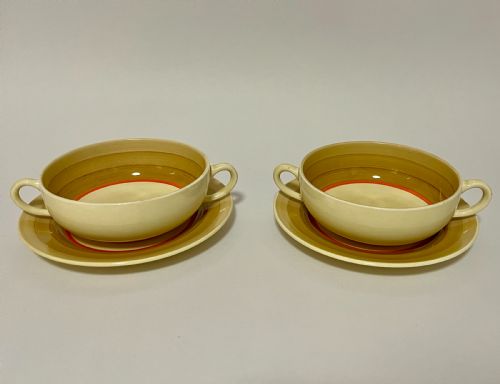
Vintage Ceramic Tableware
Vintage ceramic tableware brings together centuries of earthenware, porcelain, and ironstone designed to set a formal table.
Vintage Ceramic Tableware
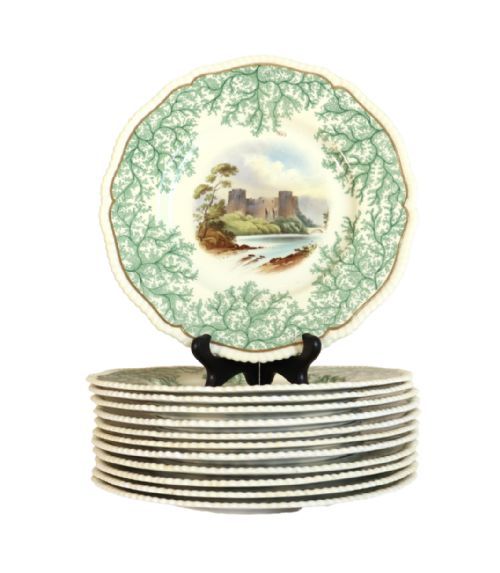
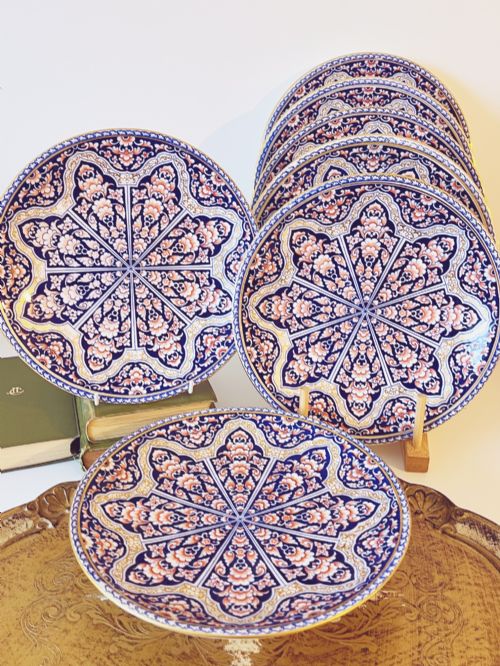
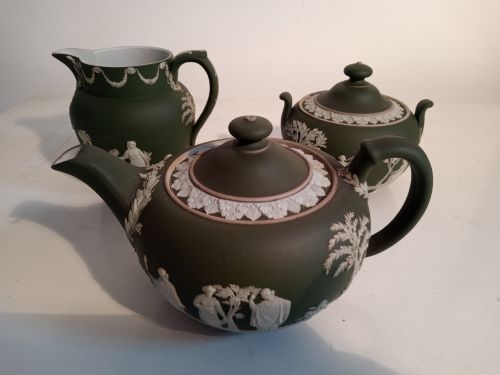
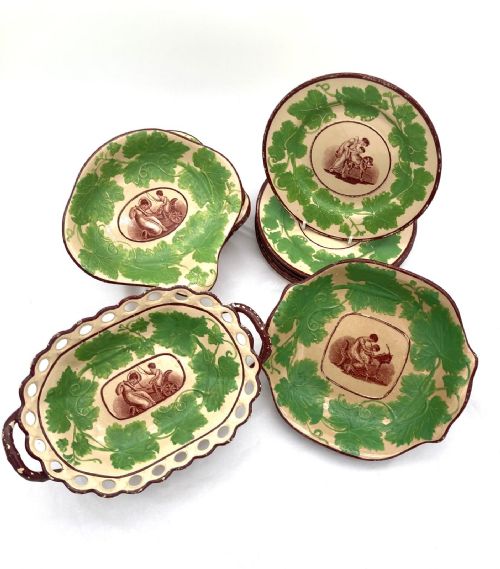
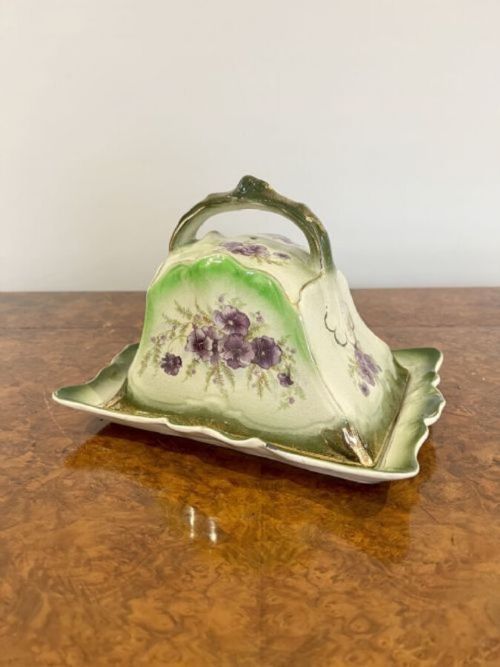
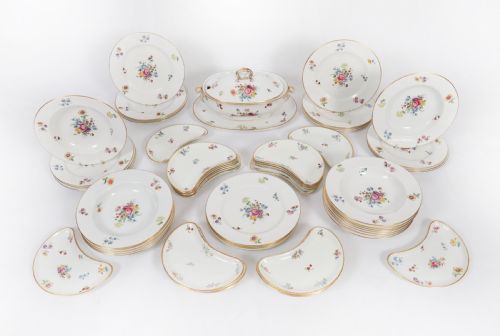
When you search for vintage ceramic tableware, you encounter functional dining pieces spanning the Georgian, Victorian, and Edwardian periods up to the Art Deco era. The selection ranges from single decorative plates and cheese dishes to large dinner and dessert services.
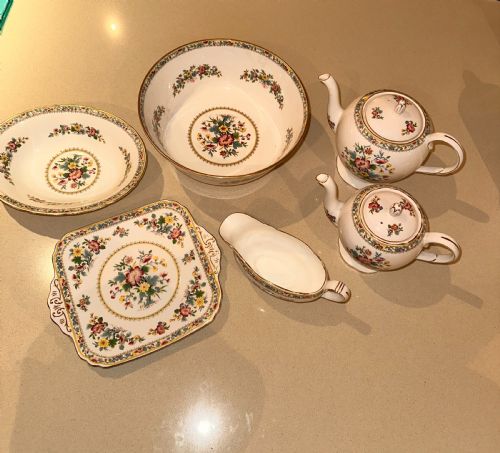
You are most likely to meet transfer-printed earthenware and ironstone platters, tureens, and soup bowls alongside porcelain tea sets and hand-painted services. These items originate from English potteries, European factories, and Japanese workshops.
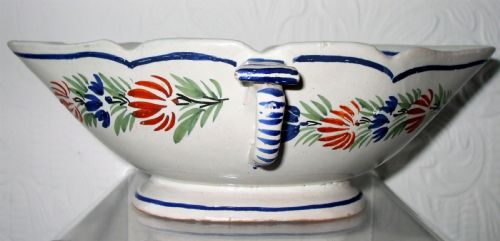
The category encompasses specific table service components like sauceboats, fruit comports, and vegetable tureens. Pieces often carry maker marks, pattern names, or armorial crests that identify their origin.
How They Were Made
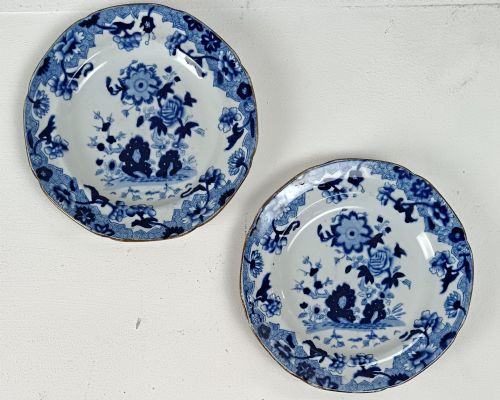
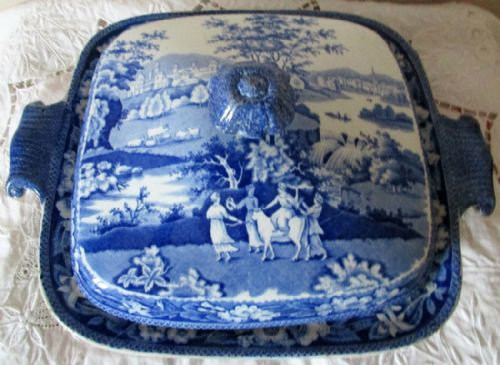
Potters shaped earthenware, ironstone, and porcelain bodies by hand or in moulds before applying glaze and firing in kilns. Many pieces received blue and white transfer printing, while others were hand-painted with enamel colours and finished with gold leaf or gilt details.
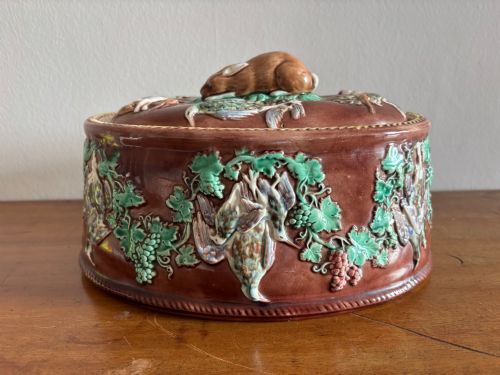
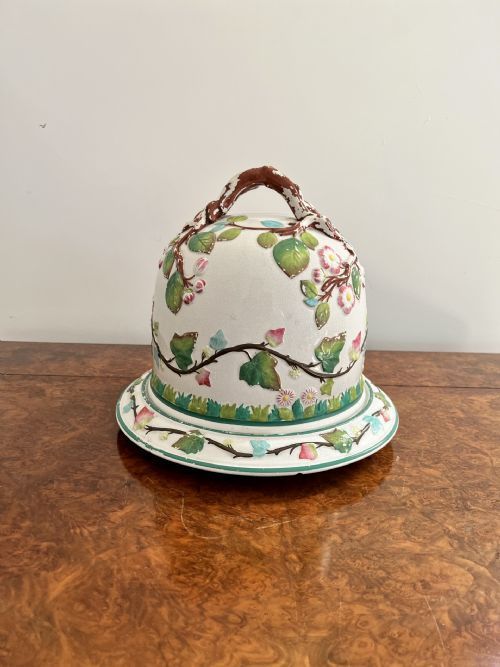
Specialised techniques such as majolica glazing produced colourful, relief-moulded surfaces on salad bowls and cheese dishes. Ironstone formulations provided a durable, dense ceramic body suitable for heavy daily use in nineteenth-century dining rooms.
Listings feature eighteenth-century creamware soup bowls, nineteenth-century ironstone sauce tureens, and twentieth-century Art Deco coffee sets.
What Varies in Quality
The standard of a service depends on the crispness of the transfer print, the alignment of hand-painted enamel colours, and the preservation of gilt borders. Superior examples retain their original matching lids, ladles, and complete sets without replacement components.
The reputation of the maker and the complexity of the pattern influence the standing of each piece. Elaborate armorial crests, hand-painted Bizarre designs, or registered ceramic bodies elevate certain services above standard utility wares.
Spode·Royal Crown Derby·Wedgwood·Masons Ironstone·Clarice Cliff·Doulton Lambeth·Royal Worcester
The Vintage Ceramic Tableware Glossary
- Ironstone
- A patented ceramic body developed in the nineteenth century to provide a durable, heavy alternative to porcelain. It takes transfer printing and glaze exceptionally well.
- Transfer print
- A decorative technique where an engraved copper plate transfers a design onto tissue paper, which is then pressed onto the unglazed ceramic. This method allowed intricate blue and white scenes to be replicated consistently.
- Tureen
- A deep covered bowl designed for serving soups, sauces, or vegetables at the table. Many include matching ladles and undertrays.
- Comport
- A raised dish or bowl placed centrally on a dining table to hold fruit or dessert. It stands on a short pedestal base.
Vintage Ceramic Tableware: Frequently Asked Questions
How do I care for antique ceramic tableware?
Wash delicate porcelain and earthenware pieces gently by hand using warm water and mild soap. Avoid soaking items with gilt highlights or enamel paint to protect the surface decoration.
Store large items like tureens and platters with padded dividers between them to prevent chipping. Keep them away from sudden temperature changes and direct sunlight.
Can I use these vintage services for daily dining?
Sturdier ironstone and earthenware dinner services handle regular meals well if treated with care. Avoid placing antique ceramics in modern dishwashers or microwaves.
Delicate porcelain tea sets and hand-painted plates suit occasional special meals better. Hand washing preserves the historic glaze and prevents crazing over time.
What is the difference between earthenware and ironstone?
Earthenware is a porous, lower-fired ceramic body that requires a complete glaze to remain watertight. It forms the base for many traditional transfer-printed plates and bowls.
Ironstone is a denser, harder ceramic developed to resist chipping and heavy wear. It bridges the gap between everyday earthenware and fine porcelain.
How do I identify the date of a ceramic piece?
Look for impressed stamps, factory marks, or registration numbers on the underside of the base. Many nineteenth-century makers used specific symbols, letters, or crown motifs that correspond to exact production years.
Style characteristics such as Georgian blue and white patterns or Art Deco hand-painted motifs also point toward a specific era. Comparing the glaze texture and body weight helps confirm the period.